




17
2026
-
05
Understanding Spunbond Nonwoven Fabric: A Comprehensive Guide
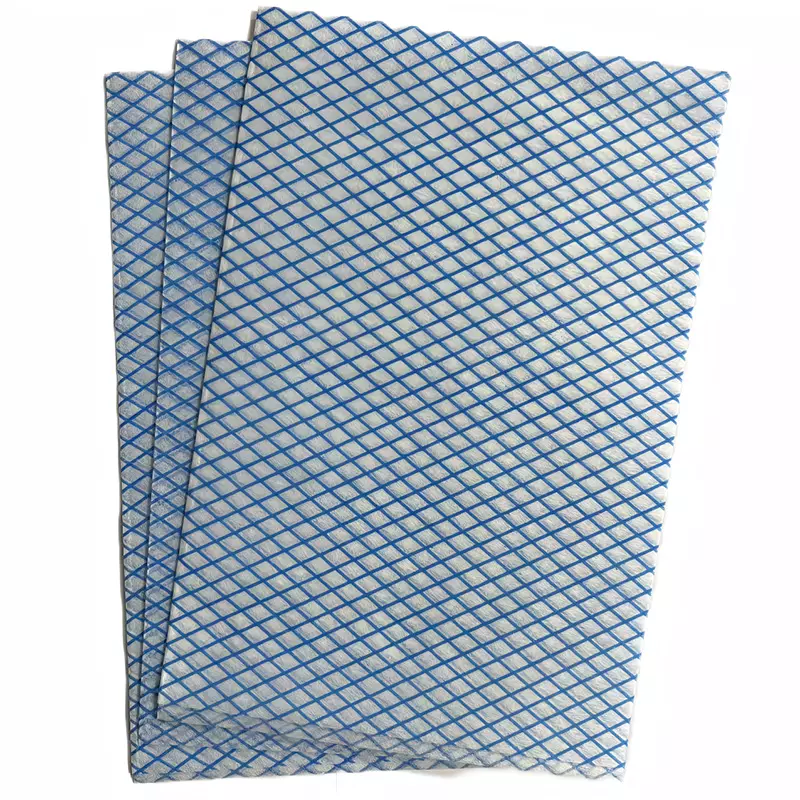
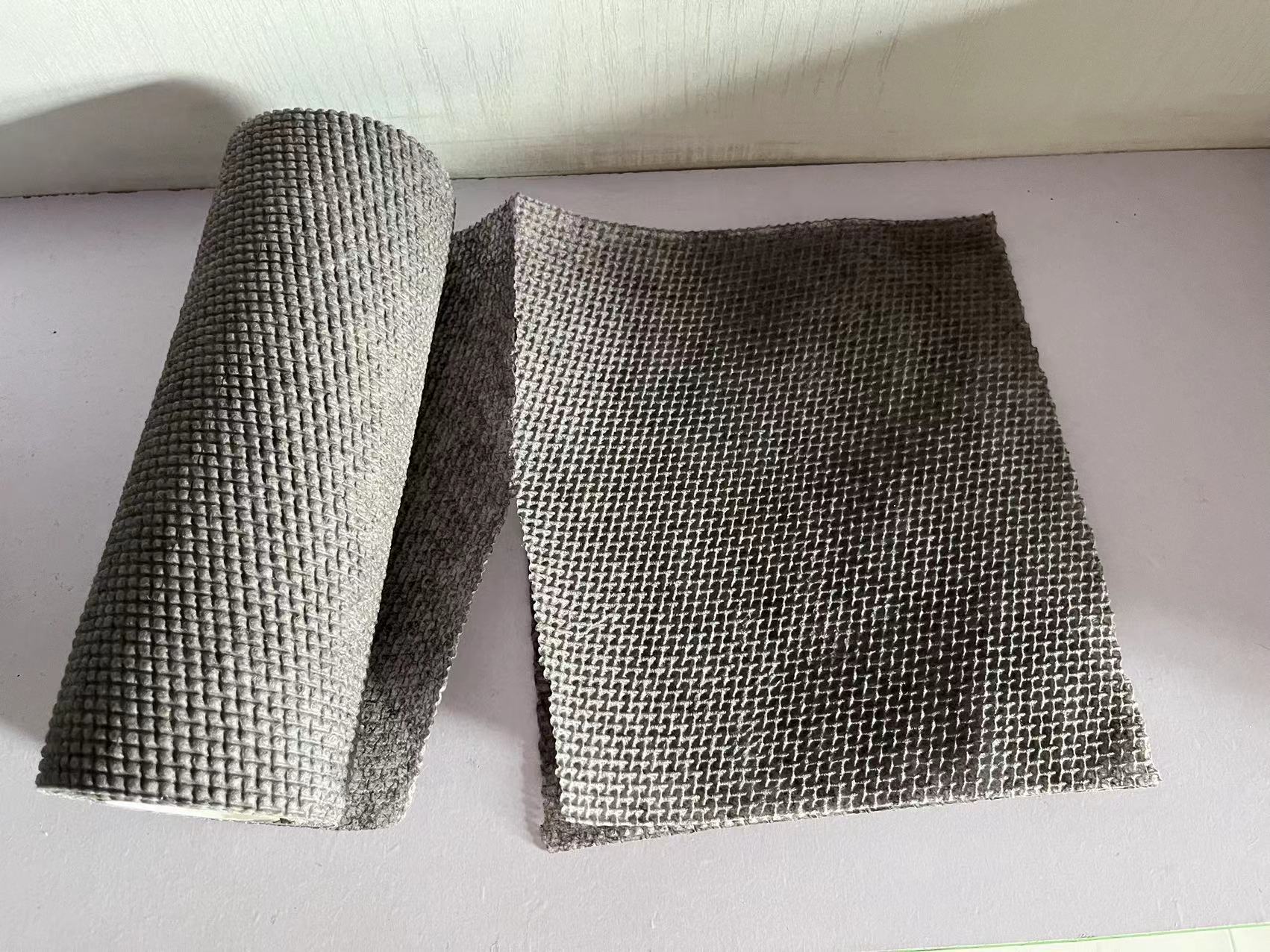
Spunbond nonwoven fabric is a versatile material that has gained popularity in various sectors, particularly in the textile industry. This type of fabric is produced using a continuous filament process, which involves bonding fibers together without the need for traditional weaving or knitting. The result is a lightweight, durable, and breathable fabric that offers a range of benefits. One of the

Spunbond nonwoven fabric is a versatile material that has gained popularity in various sectors, particularly in the textile industry. This type of fabric is produced using a continuous filament process, which involves bonding fibers together without the need for traditional weaving or knitting. The result is a lightweight, durable, and breathable fabric that offers a range of benefits.
One of the most notable features of spunbond nonwoven fabric is its strength. The continuous filaments provide exceptional tensile strength, making it an ideal choice for applications that require durability. This strength is paired with flexibility, allowing the fabric to be used in a variety of products, from medical supplies to automotive components.
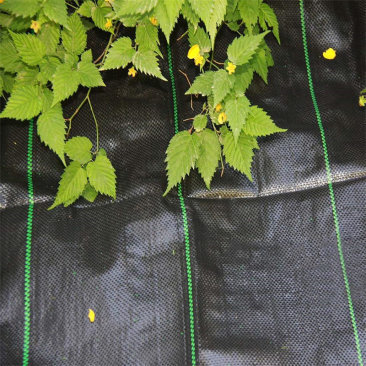
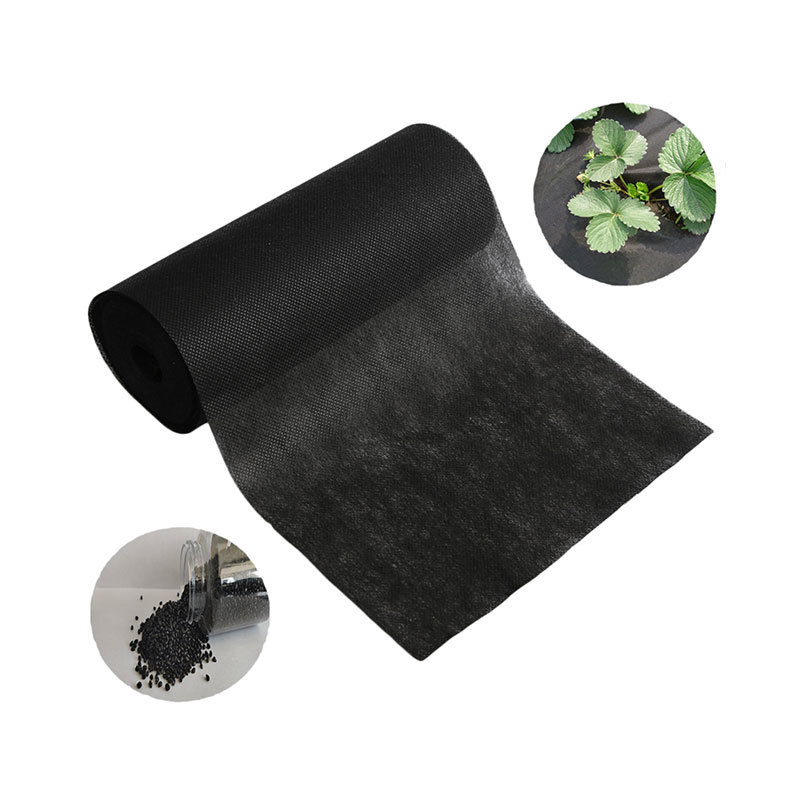
In terms of applications, spunbond nonwoven fabric is incredibly versatile. In the medical field, it is commonly used for surgical gowns, masks, and drapes, providing a barrier against contaminants while remaining breathable. The agricultural sector also utilizes spunbond fabrics for weed control, crop protection, and horticultural applications, due to their UV stability and water permeability.
Another significant advantage of spunbond nonwoven fabric is its environmental impact. Many manufacturers are now producing this fabric from recycled materials or biodegradable substances, aligning with sustainability goals. This makes it an attractive option for companies looking to reduce their carbon footprint while still delivering high-quality products.
In recent years, spunbond nonwoven fabric has also found its way into the fashion industry. Designers are beginning to explore its potential for creating unique garments and accessories. Its lightweight nature and the ability to be produced in a variety of colors and patterns allow for creative expression while maintaining practicality.
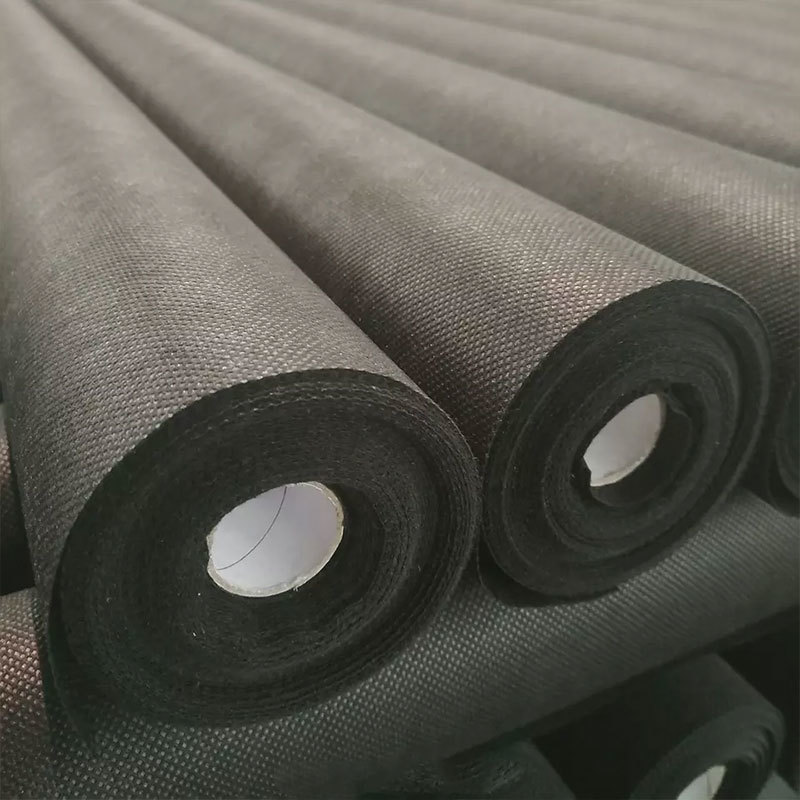
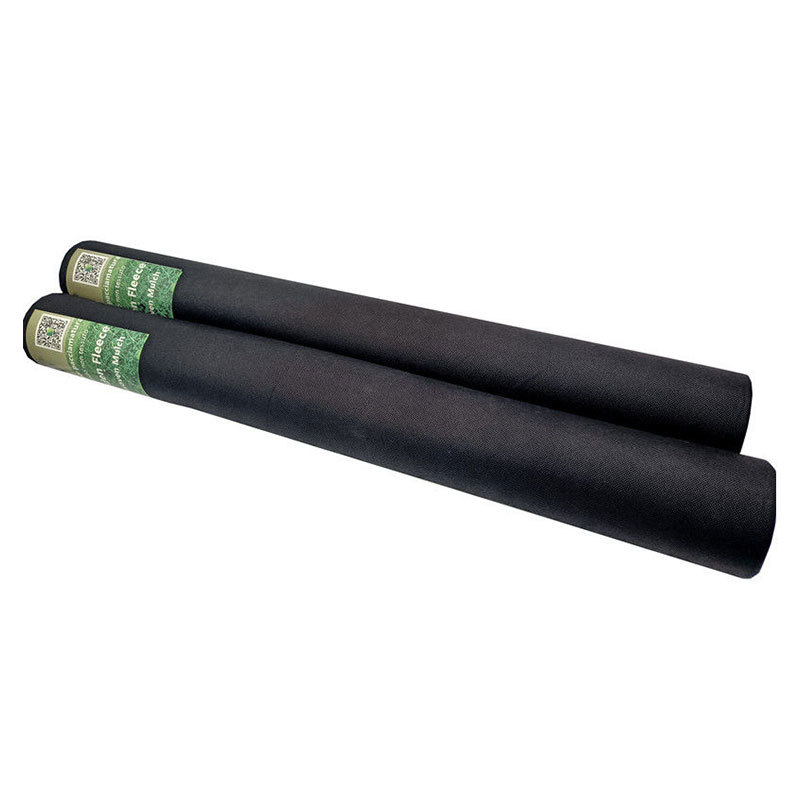
Furthermore, the production process of spunbond nonwoven fabric is efficient. Because it can be manufactured in large rolls, it reduces production time and waste compared to traditional fabric methods. This efficiency not only makes it cost-effective but also contributes to a more sustainable production model.
In summary, spunbond nonwoven fabric is a remarkable material with numerous benefits and applications across different industries. Its strength, versatility, and sustainability make it a preferred choice for many manufacturers. As technology advances, we can expect to see even more innovative uses for this fabric in the future, further solidifying its place in the textile industry and beyond.
spunbond nonwoven fabric

LEAVE A MESSAGE
MESSAGE