




13
2026
-
11
Understanding Woven Ground Cover Fabric: Essential Insights for Professionals
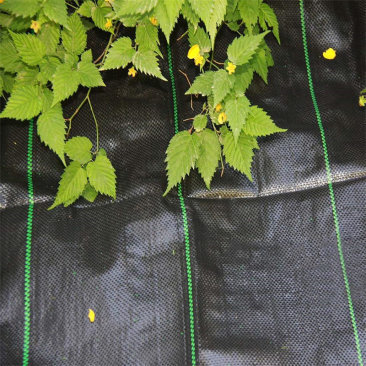
Woven ground cover fabric, a crucial element in the construction and landscaping industries, offers a variety of advantages that contribute to efficient site management and enhanced project outcomes. This type of fabric is specifically designed to provide effective ground coverage while allowing water, air, and nutrients to penetrate, fostering optimal soil health and plant growth. One of the prim

Woven ground cover fabric, a crucial element in the construction and landscaping industries, offers a variety of advantages that contribute to efficient site management and enhanced project outcomes. This type of fabric is specifically designed to provide effective ground coverage while allowing water, air, and nutrients to penetrate, fostering optimal soil health and plant growth.
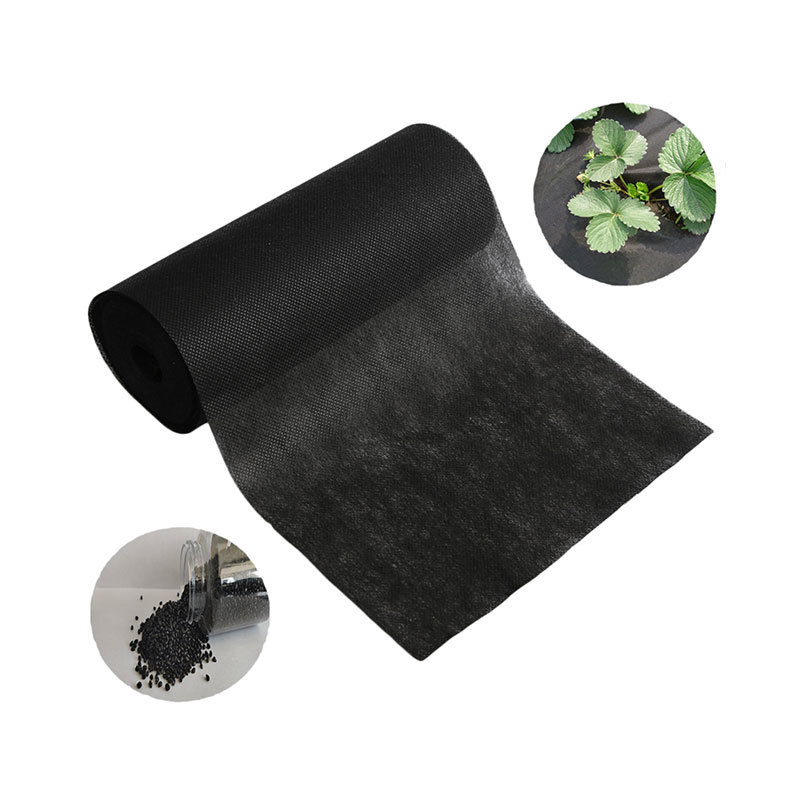
One of the primary uses of woven ground cover fabric is for weed control. By acting as a barrier, it suppresses unwanted vegetation, reducing competition for resources among desirable plants. This characteristic is particularly beneficial in landscaped areas and gardens, where maintaining aesthetic appeal is essential. Furthermore, the fabric's woven structure ensures durability while maintaining an optimal balance between strength and flexibility, making it suited for various environmental conditions.
In addition to its weed suppression properties, woven ground cover fabric plays a vital role in erosion control. When installed on slopes or areas prone to runoff, it helps stabilize the soil, preventing erosion caused by wind and water. This is especially advantageous in construction sites where soil integrity is critical for the safety and longevity of structures. By mitigating erosion, the fabric also assists in preserving the surrounding ecosystem, as it minimizes sediment displacement and protects water quality.
Another significant aspect of woven ground cover fabric is its versatility. It can be used in a myriad of applications, from landscaping projects to construction site management. In landscaping, it can be placed beneath decorative stones or mulch to improve drainage while preventing weed growth. In construction, it often serves as a ground stabilization solution, providing a non-woven layer that supports outdoor structures, pathways, and patios.
When selecting woven ground cover fabric, professionals should consider factors such as fabric weight, permeability, and UV resistance. A heavier fabric may be more effective in areas with substantial foot traffic or extreme weather conditions, while a lighter option might suffice for less demanding applications. Additionally, ensuring that the chosen fabric is UV resistant will prolong its lifespan and effectiveness when exposed to sunlight.
In conclusion, woven ground cover fabric is an indispensable tool for professionals in the construction and landscaping sectors. Its multifaceted benefits—ranging from weed control and erosion prevention to versatility and durability—make it a preferred choice for various applications. By understanding the features and advantages of this fabric, professionals can make informed decisions that enhance project efficiency and environmental sustainability.
woven ground cover fabric

LEAVE A MESSAGE
MESSAGE