



09
2026
-
03
Innovative Uses of Permeable Landscape Fabric in Landscaping
Innovative Uses of Permeable Landscape Fabric in Landscaping Table of Contents Understanding Permeable Landscape Fabric Benefits of Permeable Landscape Fabric in Landscaping Innovative Applications of Permeable Landscape Fabric 1. Enhancing Drainage Systems 2. Erosion Control and Soil Stabilization 3. Supporting Vegetable

Innovative Uses of Permeable Landscape Fabric in Landscaping
Table of Contents
- Understanding Permeable Landscape Fabric
- Benefits of Permeable Landscape Fabric in Landscaping
- Innovative Applications of Permeable Landscape Fabric
- 1. Enhancing Drainage Systems
- 2. Erosion Control and Soil Stabilization
- 3. Supporting Vegetable Gardens and Plant Growth
- 4. Creating Sustainable Pathways and Walkways
- 5. Innovative Landscape Design Solutions
- Installation Techniques for Optimal Results
- Maintenance Tips for Longevity
- Case Studies: Successful Implementations
- Conclusion
- FAQs about Permeable Landscape Fabric
Understanding Permeable Landscape Fabric
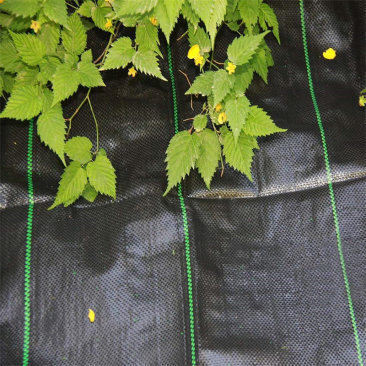
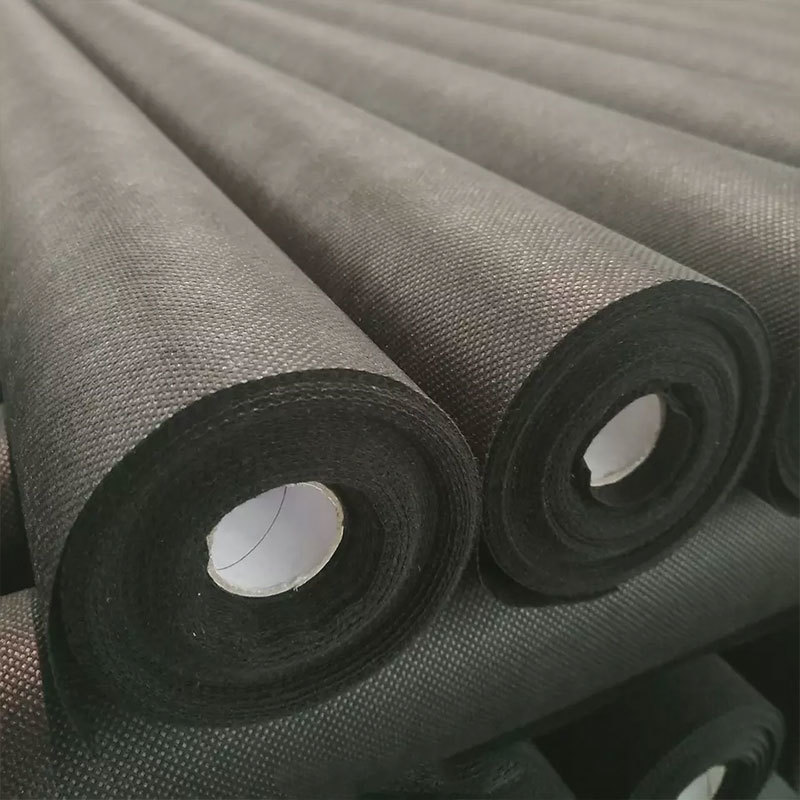
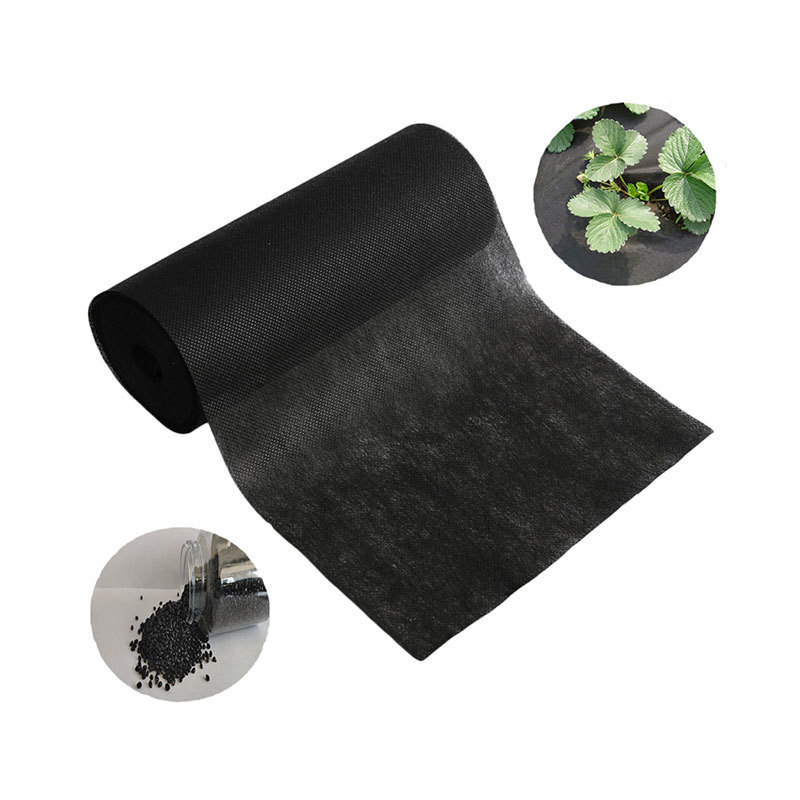
Permeable landscape fabric, often referred to as geotextile fabric, is an advanced material designed to allow water and air to pass through while preventing the migration of soil particles. It is typically made from synthetic fibers like polypropylene or polyester, making it both durable and effective in various landscaping applications. As environmental concerns grow, permeable fabric has emerged as a sustainable solution for water management and soil health.
Benefits of Permeable Landscape Fabric in Landscaping
The use of permeable landscape fabric presents numerous advantages for landscaping projects:
1. Improved Drainage and Water Management
By allowing water to flow through without allowing soil erosion, permeable fabric helps to manage surface water and prevent flooding. This feature is particularly valuable in areas with heavy rainfall.
2. Soil Health Preservation
Permeable fabric supports soil health by allowing air and nutrients to reach plant roots while preventing weed growth. This results in healthier plants and reduced need for chemical herbicides.
3. Erosion Control
In sloped areas, the use of permeable fabric can significantly reduce soil erosion, providing stabilization without hindering the natural flow of water.
4. Versatility in Design
Landscape designers appreciate the versatility of permeable fabric. From creating pathways to supporting gardens, this material can be adapted to various design needs.
5. Eco-Friendly Solution
With increasing focus on sustainability, permeable landscape fabric is an eco-friendly option that enhances landscaping without causing harm to the environment.
Innovative Applications of Permeable Landscape Fabric
Permeable landscape fabric serves multiple purposes in landscaping, each enhancing the functionality and aesthetics of outdoor spaces.
1. Enhancing Drainage Systems
Integrating permeable fabric into drainage systems can facilitate the efficient management of excess water. By strategically placing the fabric beneath gravel or soil layers, landscapers can create effective drainage solutions that prevent pooling and flooding.
2. Erosion Control and Soil Stabilization
In areas prone to erosion, such as hillsides or riverbanks, permeable landscape fabric can be layered with soil and vegetation to create a protective barrier. This allows water to flow while stabilizing the soil beneath.
3. Supporting Vegetable Gardens and Plant Growth
Gardeners can use permeable fabric to create dedicated planting areas. This helps in maintaining soil structure and moisture levels, leading to improved growth for vegetables and ornamental plants.
4. Creating Sustainable Pathways and Walkways
Permeable landscape fabric can be used to build sustainable pathways that allow rainwater to percolate into the ground. This not only minimizes runoff but also maintains a natural look in the landscape.
5. Innovative Landscape Design Solutions
Landscape architects utilize permeable fabric in creative ways, such as in rain gardens, bioswales, and permeable pavers. These designs not only enhance the beauty of outdoor spaces but also improve water management.
Installation Techniques for Optimal Results
To achieve the best results with permeable landscape fabric, proper installation is crucial:
Step 1: Site Preparation
Begin by clearing the area of debris, weeds, and large stones. Level the surface to ensure even distribution of water and soil.
Step 2: Measuring and Cutting
Measure the area where the fabric will be installed and cut the fabric to size. Ensure that the edges overlap sufficiently to prevent soil from migrating through seams.
Step 3: Laying the Fabric
Lay the fabric down smoothly, avoiding wrinkles or folds. Secure the edges with landscape staples or pins to keep it in place.
Step 4: Covering with Soil or Gravel
After laying the fabric, cover it with a layer of soil or gravel, depending on the intended application. This not only secures the fabric but also helps with aesthetics.
Step 5: Planting and Maintenance
Once the fabric is in place, proceed to plant desired vegetation. Regular maintenance, such as cleaning the surface and checking for damage, will prolong the life of the installation.
Maintenance Tips for Longevity
Maintaining permeable landscape fabric is essential for ensuring its effectiveness and longevity:
1. Regular Inspections
Conduct regular checks to identify any signs of damage or soil accumulation on the surface.
2. Cleaning Surface Debris
Keep the fabric clear of debris like leaves and grass clippings, which can obstruct water flow.
3. Replace Damaged Sections
If any sections of the fabric are torn or damaged, replace them promptly to maintain effectiveness.
Case Studies: Successful Implementations
Examining successful implementations can provide valuable insights into the versatility of permeable landscape fabric:
Case Study 1: Urban Rain Gardens
In urban areas, the installation of rain gardens using permeable fabric has successfully managed stormwater runoff while providing habitat for local wildlife. These gardens have improved water quality and reduced flooding during heavy rain.
Case Study 2: Community Parks
Many community parks have integrated permeable walkways to enhance accessibility while managing water drainage effectively. This innovation has led to increased use of the parks, providing recreational benefits to the community.
Conclusion
Permeable landscape fabric is an innovative solution that enhances landscaping while addressing environmental concerns. Its benefits—ranging from improved drainage and soil health to eco-friendly design—make it a valuable resource for landscapers and gardeners alike. By understanding its applications and maintenance needs, individuals can create stunning outdoor spaces that are functional and sustainable. As we continue to explore innovative landscaping solutions, permeable landscape fabric remains at the forefront of sustainable practices.
FAQs about Permeable Landscape Fabric
1. What is permeable landscape fabric made from?
Permeable landscape fabric is typically made from synthetic fibers, such as polypropylene or polyester, designed to allow water and air permeability while preventing soil erosion.
2. How long does permeable landscape fabric last?
With proper installation and maintenance, permeable landscape fabric can last anywhere from 5 to 25 years, depending on environmental conditions and usage.
3. Can permeable fabric be used for residential gardens?
Yes, permeable landscape fabric is highly suitable for residential gardens, offering benefits such as weed control, soil health maintenance, and improved water management.
4. Is permeable landscape fabric environmentally friendly?
Absolutely! Permeable landscape fabric supports sustainable gardening practices by allowing natural water flow and reducing the need for chemical herbicides.
5. How can I integrate permeable fabric into my landscaping project?
You can integrate permeable fabric by using it in drainage systems, for soil stabilization, in vegetable gardens, or as part of pathways and innovative landscape designs. Proper installation is key to maximizing its benefits.
permeable landscape fabric

LEAVE A MESSAGE
MESSAGE