




31
2026
-
08
Geotextile Landscape Fabric vs. Traditional Mulch: Which is Better for Your Landscaping Needs?
Geotextile Landscape Fabric vs. Traditional Mulch: Which is Better for Your Landscaping Needs? Introduction to Landscaping Materials When it comes to landscaping, choosing the right materials can drastically impact the aesthetics and health of your outdoor space. Two of the most popular options on the market today are **Geotextile Landscape Fabric** and **Traditional Mulch**. While both serve esse

Geotextile Landscape Fabric vs. Traditional Mulch: Which is Better for Your Landscaping Needs?
Introduction to Landscaping Materials
When it comes to landscaping, choosing the right materials can drastically impact the aesthetics and health of your outdoor space. Two of the most popular options on the market today are **Geotextile Landscape Fabric** and **Traditional Mulch**. While both serve essential functions in garden design, understanding their differences, advantages, and limitations can guide you in making the best choice for your needs.
Understanding Geotextile Landscape Fabric
What is Geotextile Landscape Fabric?
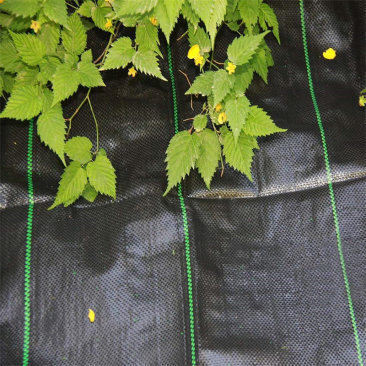
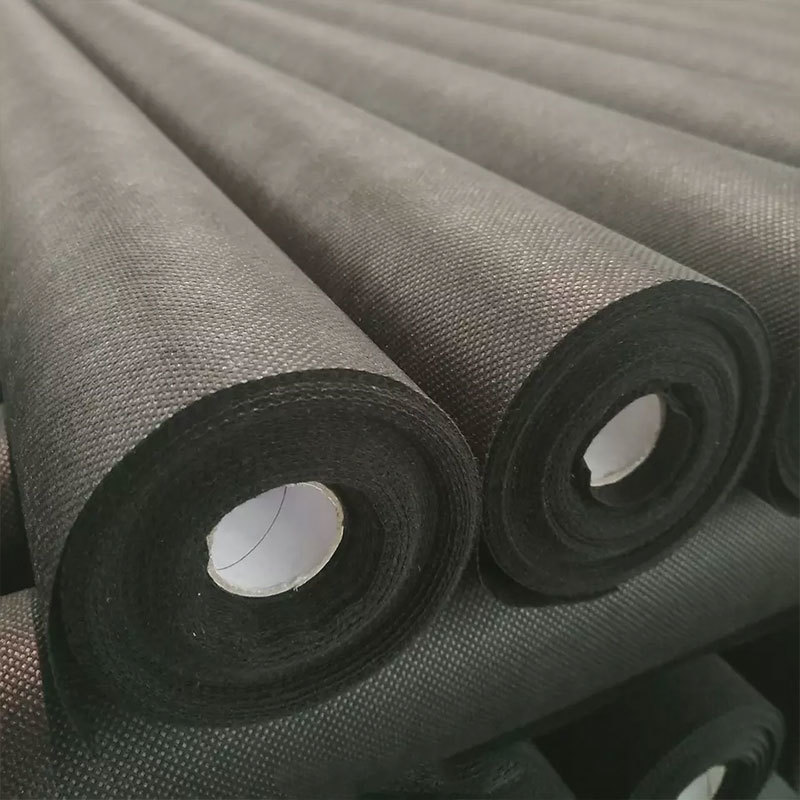
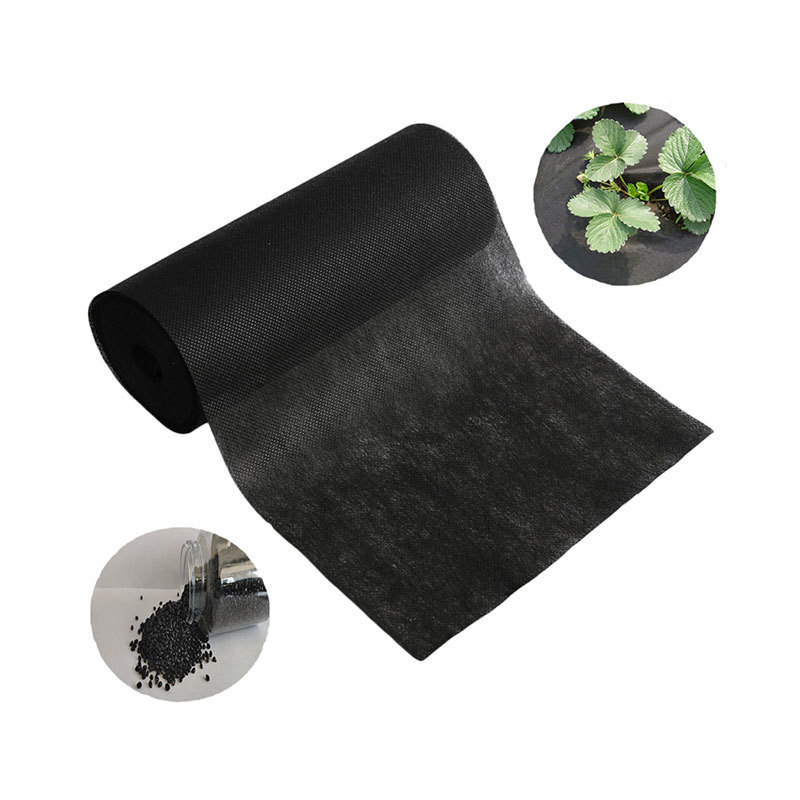
Geotextile landscape fabric is a permeable material typically made from synthetic fibers such as polypropylene or polyester. Its primary role is to separate soil layers, prevent weed growth, and facilitate water drainage while allowing air and nutrients to reach plant roots. This fabric is available in various weights and thicknesses, making it suitable for diverse landscaping applications.
Key Benefits of Geotextile Landscape Fabric
1. **Weed Control**: One of the standout benefits of using landscape fabric is its ability to inhibit weed growth. By blocking sunlight from reaching the soil, it effectively stifles weed seeds before they can germinate.
2. **Soil Separation and Stability**: Geotextile fabric helps separate different soil layers, preventing soil mixing and maintaining the integrity of your landscaping. This is particularly crucial on slopes or in areas prone to erosion.
3. **Enhanced Drainage**: The fabric allows for efficient drainage of water, preventing pooling or saturation that can damage plant roots.
4. **Longevity**: Most geotextile fabrics are designed to withstand various environmental conditions, making them a long-lasting solution for many landscaping projects.
5. **Reduced Maintenance**: With effective weed control and improved drainage, the overall maintenance required for garden upkeep diminishes significantly.
Exploring Traditional Mulch
What is Traditional Mulch?
Traditional mulch, often made from organic materials like wood chips, bark, leaves, or straw, serves multiple functions in gardening. It is primarily used as a top dressing to retain soil moisture, regulate temperature, and suppress weed growth.
Key Benefits of Traditional Mulch
1. **Moisture Retention**: One of the critical advantages of traditional mulch is its ability to retain soil moisture. This is particularly beneficial during hot, dry months.
2. **Soil Enrichment**: As organic mulch breaks down, it adds vital nutrients back into the soil, enhancing soil health and supporting plant growth.
3. **Aesthetic Appeal**: Traditional mulch comes in various colors and textures, offering an attractive finish to flower beds, pathways, and garden borders.
4. **Temperature Regulation**: Mulch helps insulate the soil, keeping it cooler in the summer and warmer in the winter, which is vital for the overall health of plants.
5. **Ease of Application**: Traditional mulch is straightforward to apply and can be easily replenished as it decomposes.
Comparing Geotextile Landscape Fabric and Traditional Mulch
Cost-Effectiveness
When considering the price, geotextile landscape fabric generally has a higher upfront cost compared to traditional mulch. However, its longevity and reduced maintenance costs may make it more cost-effective in the long run. Traditional mulch requires annual replacement, leading to ongoing expenses.
Installation Process
The installation process varies significantly between the two options. Geotextile fabric requires careful laying over the desired area, often involving cutting and securing the edges. Traditional mulch is simpler to apply; it can be spread directly on the soil but may require regular adjustments to maintain its effectiveness.
Effectiveness in Weed Prevention
Both materials serve to prevent weeds, but their effectiveness varies. Geotextile landscape fabric offers superior protection against weed growth due to its ability to block sunlight entirely. Traditional mulch can suppress weeds but may require regular maintenance and replenishment to maintain its efficacy.
Environmental Impact
While both options have their environmental considerations, traditional mulch is generally more sustainable, especially when sourced from recycled organic materials. Geotextile fabrics, being synthetic, may have a greater environmental footprint during production and disposal.
Applications for Geotextile Landscape Fabric
Best Uses in Landscaping
Geotextile landscape fabric excels in several applications, including:
- **Erosion Control**: Ideal for slopes and areas prone to washout.
- **Under Hardscapes**: Effective under patios, pathways, and driveways to prevent soil displacement.
- **Garden Beds**: Provides a solid base for planting while controlling weeds.
Applications for Traditional Mulch
Best Uses in Landscaping
Traditional mulch is versatile and can be used in various applications, such as:
- **Flower Beds**: Adds visual appeal while retaining moisture and suppressing weeds.
- **Vegetable Gardens**: Organic options enrich the soil as they decompose.
- **Tree Bases**: Protects tree roots and reduces competition from grass and weeds.
Environmental Considerations
Sustainability of Materials
Sustainability is a crucial factor in modern landscaping choices. While traditional mulch made from organic materials is generally biodegradable and can improve soil health over time, geotextile fabrics, if not disposed of properly, can contribute to landfill waste. It's essential to consider sourcing and disposal methods when making your decision.
Maintenance Considerations
Long-Term Care for Geotextile Fabric
Geotextile fabric requires minimal maintenance once installed. However, it’s important to periodically check for damage, tears, or accumulated debris that could affect its effectiveness.
Long-Term Care for Traditional Mulch
Traditional mulch requires more frequent maintenance, including replenishment and periodic raking to maintain an even layer. Over time, organic mulch breaks down, necessitating annual applications to ensure optimal performance.
Frequently Asked Questions (FAQs)
1. Can I use geotextile landscape fabric under mulch?
Yes, using geotextile fabric under traditional mulch can enhance weed prevention while still allowing for moisture retention and soil enrichment as the mulch decomposes.
2. How long does geotextile landscape fabric last?
Typically, geotextile landscape fabric can last anywhere from 5 to 20 years, depending on the quality of the material and environmental conditions.
3. Is traditional mulch harmful to the environment?
When sourced responsibly, traditional mulch can be environmentally friendly, especially if made from recycled organic materials. However, synthetic mulches can have negative impacts.
4. How often should I replace traditional mulch?
It is generally recommended to replace traditional mulch annually or biannually, depending on the type and environmental conditions.
5. Which option is better for preventing erosion?
Geotextile landscape fabric is typically more effective for preventing erosion, particularly on slopes, due to its ability to stabilize soil layers.
Conclusion
Choosing between **Geotextile Landscape Fabric** and **Traditional Mulch** ultimately depends on your landscaping goals, budget, and personal preferences. While geotextile fabric offers long-term durability and superior weed control, traditional mulch provides aesthetic appeal and enriches the soil. By understanding the unique benefits and applications of each, you can make an informed decision that enhances your garden's beauty and functionality while addressing your specific landscaping needs.
geotextile landscape fabric

LEAVE A MESSAGE
MESSAGE