




15
2026
-
10
The Essential Guide to Geotextile Landscape Fabric: Benefits and Applications
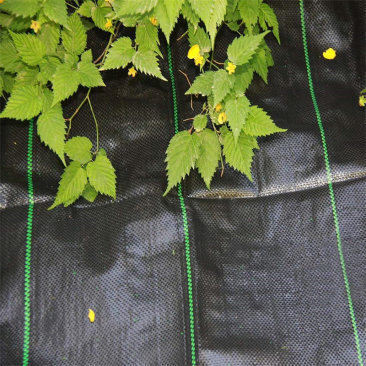
Geotextile landscape fabric has emerged as a crucial component in construction and landscaping projects. As a permeable textile manufactured from synthetic fibers, it serves multiple purposes, enhancing the efficiency and effectiveness of various applications. Understanding how to utilize geotextile landscape fabric can significantly benefit your projects by improving soil stability, preventing er

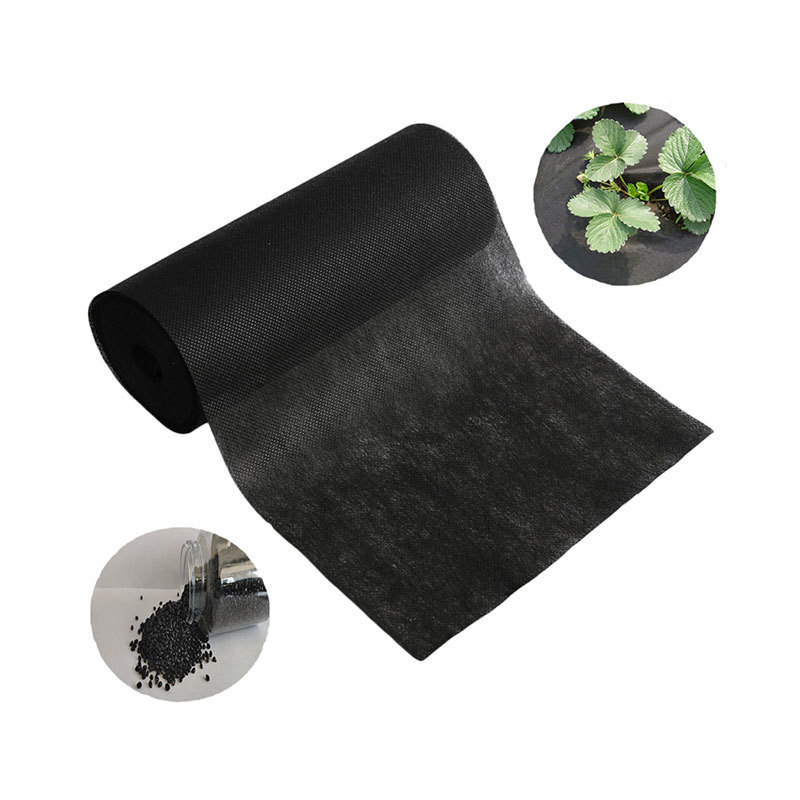
Geotextile landscape fabric has emerged as a crucial component in construction and landscaping projects. As a permeable textile manufactured from synthetic fibers, it serves multiple purposes, enhancing the efficiency and effectiveness of various applications. Understanding how to utilize geotextile landscape fabric can significantly benefit your projects by improving soil stability, preventing erosion, and promoting healthy plant growth.
One of the primary advantages of geotextile landscape fabric is its ability to provide soil separation. When laid between soil layers, it prevents the mixing of different soil types, which can lead to instability and poor drainage. This separation is particularly beneficial in construction projects where different materials are utilized. For example, when building pathways or patios, this fabric can help maintain the integrity of the surface materials while allowing water to flow freely, preventing pooling and damage.
Erosion control is another vital application of geotextile landscape fabric. In areas susceptible to erosion due to rain or wind, this fabric acts as a barrier, reducing the impact of rainfall on the soil surface. By slowing down water flow, it minimizes soil displacement and helps maintain the landscape's structure. This is particularly essential in sloped areas or near water bodies where soil erosion can lead to significant environmental concerns.
Moreover, geotextile landscape fabric plays a significant role in promoting healthy plant growth. By allowing air and water to pass through while retaining soil, it creates an optimal environment for root development. This feature is particularly beneficial in landscaping projects where establishing a robust plant base is crucial. The fabric also suppresses weed growth, reducing competition for nutrients and water between plants and unwanted vegetation.
When selecting the appropriate geotextile landscape fabric for your project, consider factors such as the fabric's weight, permeability, and durability. Heavy-duty fabrics are typically used for construction purposes, while lighter options may suffice for garden beds and landscaping. Additionally, ensure that the fabric is UV-resistant and capable of withstanding environmental factors to enhance its longevity.
In conclusion, incorporating geotextile landscape fabric into your construction and landscaping projects can provide numerous benefits, including soil separation, erosion control, and enhanced plant growth. By understanding its applications and selecting the right type for your needs, you can improve the overall efficiency and effectiveness of your projects. As the demand for sustainable and effective construction practices increases, geotextile landscape fabric stands out as a vital tool for professionals in the building and decorative materials industry.
One of the primary advantages of geotextile landscape fabric is its ability to provide soil separation. When laid between soil layers, it prevents the mixing of different soil types, which can lead to instability and poor drainage. This separation is particularly beneficial in construction projects where different materials are utilized. For example, when building pathways or patios, this fabric can help maintain the integrity of the surface materials while allowing water to flow freely, preventing pooling and damage.
Erosion control is another vital application of geotextile landscape fabric. In areas susceptible to erosion due to rain or wind, this fabric acts as a barrier, reducing the impact of rainfall on the soil surface. By slowing down water flow, it minimizes soil displacement and helps maintain the landscape's structure. This is particularly essential in sloped areas or near water bodies where soil erosion can lead to significant environmental concerns.
Moreover, geotextile landscape fabric plays a significant role in promoting healthy plant growth. By allowing air and water to pass through while retaining soil, it creates an optimal environment for root development. This feature is particularly beneficial in landscaping projects where establishing a robust plant base is crucial. The fabric also suppresses weed growth, reducing competition for nutrients and water between plants and unwanted vegetation.
When selecting the appropriate geotextile landscape fabric for your project, consider factors such as the fabric's weight, permeability, and durability. Heavy-duty fabrics are typically used for construction purposes, while lighter options may suffice for garden beds and landscaping. Additionally, ensure that the fabric is UV-resistant and capable of withstanding environmental factors to enhance its longevity.
In conclusion, incorporating geotextile landscape fabric into your construction and landscaping projects can provide numerous benefits, including soil separation, erosion control, and enhanced plant growth. By understanding its applications and selecting the right type for your needs, you can improve the overall efficiency and effectiveness of your projects. As the demand for sustainable and effective construction practices increases, geotextile landscape fabric stands out as a vital tool for professionals in the building and decorative materials industry.
geotextile landscape fabric
Prev

LEAVE A MESSAGE
MESSAGE