




12
2026
-
10
Polyester Spunbond Fabric: The Ultimate Choice for Durability, Versatility, and Cost-Effectiveness
Introduction to Polyester Spunbond Fabric Polyester Spunbond fabric is a nonwoven textile that has gained immense popularity across various industries due to its exceptional properties. Known for its strength and versatility, this fabric is made by bonding polyester fibers through a process that involves heat and pressure. Its unique characteristics make it suitable for a wide range of application

Introduction to Polyester Spunbond Fabric
Polyester Spunbond fabric is a nonwoven textile that has gained immense popularity across various industries due to its exceptional properties. Known for its strength and versatility, this fabric is made by bonding polyester fibers through a process that involves heat and pressure. Its unique characteristics make it suitable for a wide range of applications, from medical supplies to fashion and home furnishings.
In this article, we will delve deep into the world of Polyester Spunbond Fabric, examining its manufacturing process, benefits, applications, and much more. By the end, you will have a comprehensive understanding of why Polyester Spunbond Fabric stands out in the textile industry.
What is Polyester Spunbond Fabric?
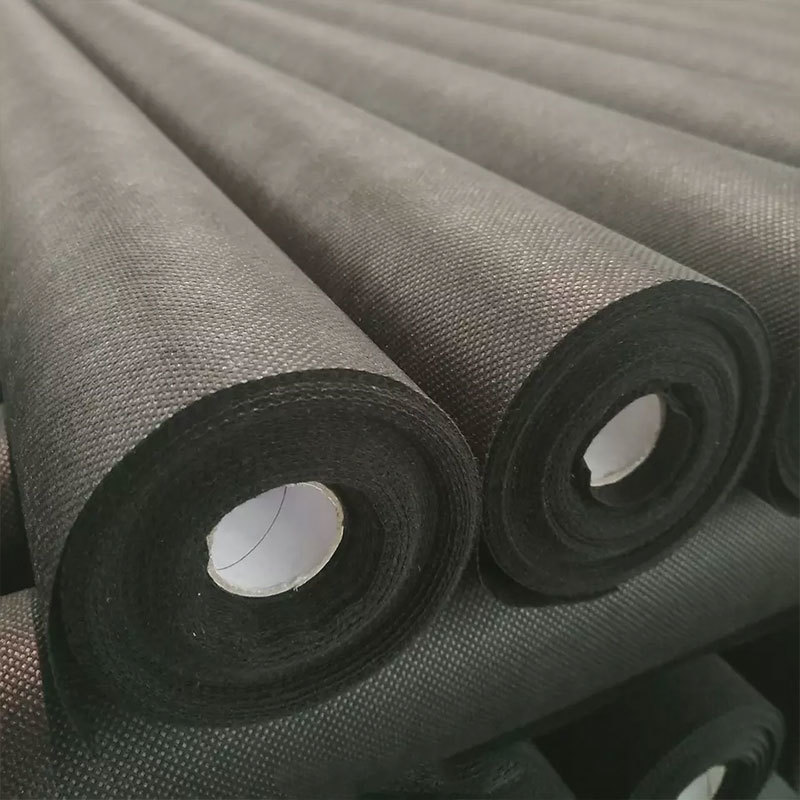
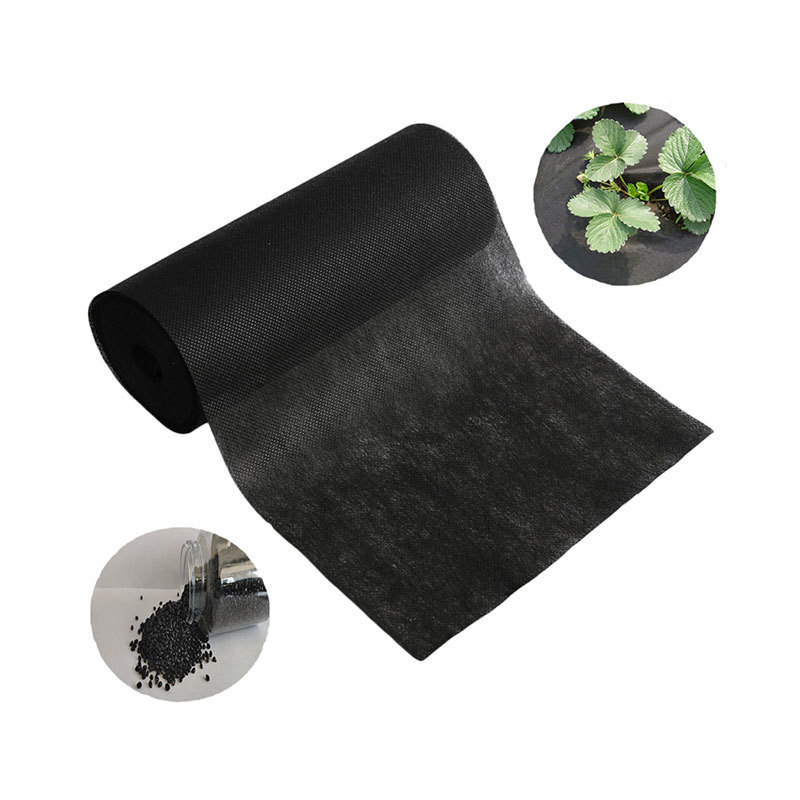
Polyester Spunbond Fabric is a type of nonwoven fabric made from continuous polyester filaments. The spunbond process involves extruding molten polyester through a spinneret, followed by cooling and bonding the fibers together. This method results in a lightweight, durable, and breathable material that is resistant to tearing and stretching.
Characteristics of Polyester Spunbond Fabric
Polyester Spunbond Fabric possesses a variety of characteristics that contribute to its effectiveness in numerous applications:
- **Durability**: Known for its high tensile strength, Polyester Spunbond can withstand significant wear and tear.
- **Lightweight**: The fabric is lightweight, making it easy to handle and transport.
- **Breathability**: Its porous structure allows for airflow, reducing moisture buildup.
- **Chemical Resistance**: Polyester is resistant to a wide range of chemicals, making it suitable for industrial applications.
- **UV Stability**: The fabric resists degradation from UV exposure, ensuring longevity even in outdoor conditions.
The Manufacturing Process of Polyester Spunbond Fabric
Understanding how Polyester Spunbond Fabric is created provides valuable insight into its properties and uses. The manufacturing process consists of several key steps:
1. Polymerization
The process begins with the polymerization of raw materials to create polyester pellets. These pellets are melted down to produce a viscous liquid.
2. Spinning
The melted polyester is extruded through spinnerets, which are devices with numerous tiny holes. As the liquid polyester emerges, it cools and solidifies into continuous filaments.
3. Web Formation
The solidified filaments are laid down in a random pattern to form a web. This web can be produced in various thicknesses and densities depending on the desired end-use.
4. Bonding
The web is then bonded using heat, pressure, or adhesives, ensuring that the fibers remain interconnected. This bonding process contributes to the fabric's strength and durability.
5. Finishing
Finally, the fabric undergoes finishing processes, which may include dyeing, coating, or adding treatments for specific applications.
Applications of Polyester Spunbond Fabric
The versatility of Polyester Spunbond Fabric allows it to be used in a myriad of applications, including:
1. Medical Supplies
In the healthcare sector, Polyester Spunbond Fabric is commonly used for surgical gowns, masks, and drapes due to its barrier properties and comfort.
2. Agriculture
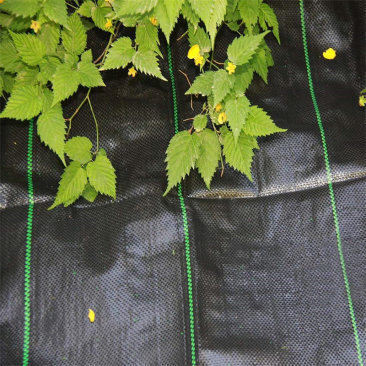
Farmers utilize this fabric for crop covers, weed control, and as protective coverings. Its breathable nature promotes healthy plant growth while offering protection from pests.
3. Geotextiles
In civil engineering, Polyester Spunbond is employed in geotextile applications, such as soil stabilization and erosion control. Its durability and resistance to environmental factors make it an ideal choice.
4. Fashion and Apparel
This fabric has also made its mark in the fashion industry, finding uses in garments, accessories, and home décor items. Its aesthetic appeal combined with practicality makes it a favorite among designers.
5. Packaging Materials
Polyester Spunbond Fabric is increasingly being used in packaging, particularly for eco-friendly bags. Its strength and lightweight properties contribute to sustainable packaging solutions.
Advantages of Using Polyester Spunbond Fabric
Choosing Polyester Spunbond Fabric offers several advantages, making it a smart choice for various industries:
1. Cost-Effectiveness
One of the most significant benefits is the cost-effectiveness of Polyester Spunbond Fabric. Its production process is efficient, leading to lower manufacturing costs, which can be passed on to consumers.
2. Eco-Friendliness
Polyester is a recyclable material, making Polyester Spunbond Fabric an eco-friendly option. Many manufacturers are now adopting sustainable practices in their production processes, contributing to environmental conservation.
3. Customizability
The fabric can be customized in terms of weight, thickness, and color, allowing businesses to tailor it to specific applications. This level of customization ensures that clients receive the best product for their needs.
4. High Performance
Polyester Spunbond Fabric exhibits exceptional performance characteristics, including resistance to moisture, bacteria, and other environmental factors. This makes it suitable for high-demand applications.
5. Versatility
With its wide range of applications, Polyester Spunbond Fabric can be utilized across various sectors, making it a versatile choice for manufacturers and consumers alike.
Comparing Polyester Spunbond Fabric with Other Nonwoven Fabrics
To fully appreciate the benefits of Polyester Spunbond Fabric, it’s essential to compare it with other types of nonwoven fabrics, such as polypropylene spunbond and meltblown fabrics.
1. Polyester Spunbond vs. Polypropylene Spunbond
While both materials are durable and lightweight, Polyester Spunbond offers better UV stability and chemical resistance compared to polypropylene spunbond. This makes Polyester a preferred choice for outdoor applications.
2. Polyester Spunbond vs. Meltblown Fabrics
Meltblown fabrics are typically used for filtration applications due to their fine fiber structure. However, they are not as robust as Polyester Spunbond, which combines strength with functional properties.
Frequently Asked Questions (FAQs)
1. What is the difference between spunbond and meltblown fabrics?
Spunbond fabrics are made from continuous filaments and are known for their strength, while meltblown fabrics are created from fine fibers and are primarily used for filtration purposes.
2. Is Polyester Spunbond Fabric biodegradable?
While Polyester itself is not biodegradable, it is recyclable, which makes it a more eco-friendly option compared to other synthetic materials.
3. Can Polyester Spunbond Fabric be used for clothing?
Yes, Polyester Spunbond Fabric is increasingly used in fashion, home décor, and apparel due to its lightweight and versatile nature.
4. How strong is Polyester Spunbond Fabric?
Polyester Spunbond Fabric exhibits high tensile strength, making it resistant to tearing and stretching, even under heavy loads.
5. What makes Polyester Spunbond Fabric cost-effective?
The efficient manufacturing process and durability of Polyester Spunbond Fabric contribute to its cost-effectiveness, making it an attractive option for businesses.
Conclusion
Polyester Spunbond Fabric is a remarkable material that offers durability, versatility, and cost-effectiveness across various industries. Its unique manufacturing process, combined with its advantageous properties, positions it as a leading choice in the nonwoven fabric sector. Whether you are seeking a fabric for medical supplies, agricultural uses, or fashion applications, Polyester Spunbond Fabric stands out as a reliable and innovative solution. By understanding its characteristics and advantages, you can make informed decisions that enhance your projects and meet your specific needs.
polyester spunbond fabric

LEAVE A MESSAGE
MESSAGE