




30
2026
-
09
Understanding the Properties of Spunbond Nonwoven Fabric: A Comprehensive Guide
Understanding the Properties of Spunbond Nonwoven Fabric: A Comprehensive Guide Table of Contents 1. Introduction to Spunbond Nonwoven Fabric 2. The Manufacturing Process of Spunbond Nonwoven Fabric 3. Key Properties of Spunbond Nonwoven Fabric 3.1. Durability and Strength 3.2. Lightweight and Breathability 4. Applications of Spunbond Nonwoven Fabric 4.1. Medical and Healthcare Uses 4.2. Agricultu

Understanding the Properties of Spunbond Nonwoven Fabric: A Comprehensive Guide
Table of Contents
1. Introduction to Spunbond Nonwoven Fabric
2. The Manufacturing Process of Spunbond Nonwoven Fabric
3. Key Properties of Spunbond Nonwoven Fabric
3.1. Durability and Strength
3.2. Lightweight and Breathability
4. Applications of Spunbond Nonwoven Fabric
4.1. Medical and Healthcare Uses
4.2. Agricultural Applications
4.3. Geotextiles and Environmental Uses
5. Comparison Between Spunbond and Other Nonwoven Fabrics
6. Advantages of Using Spunbond Nonwoven Fabric
7. Future Trends in Spunbond Nonwoven Fabric Technology
8. Frequently Asked Questions (FAQs)
9. Conclusion
1. Introduction to Spunbond Nonwoven Fabric
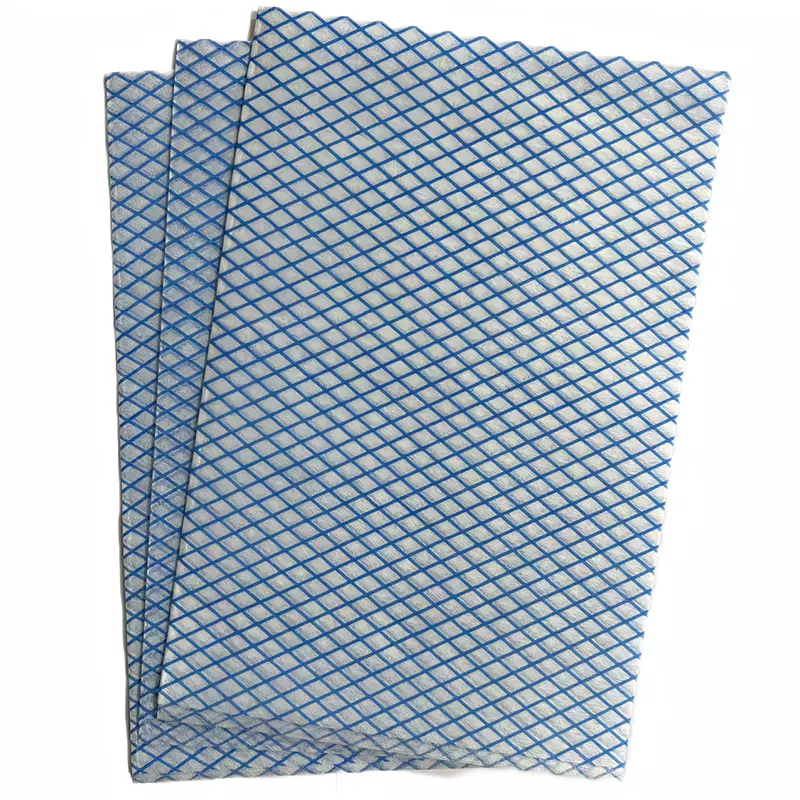
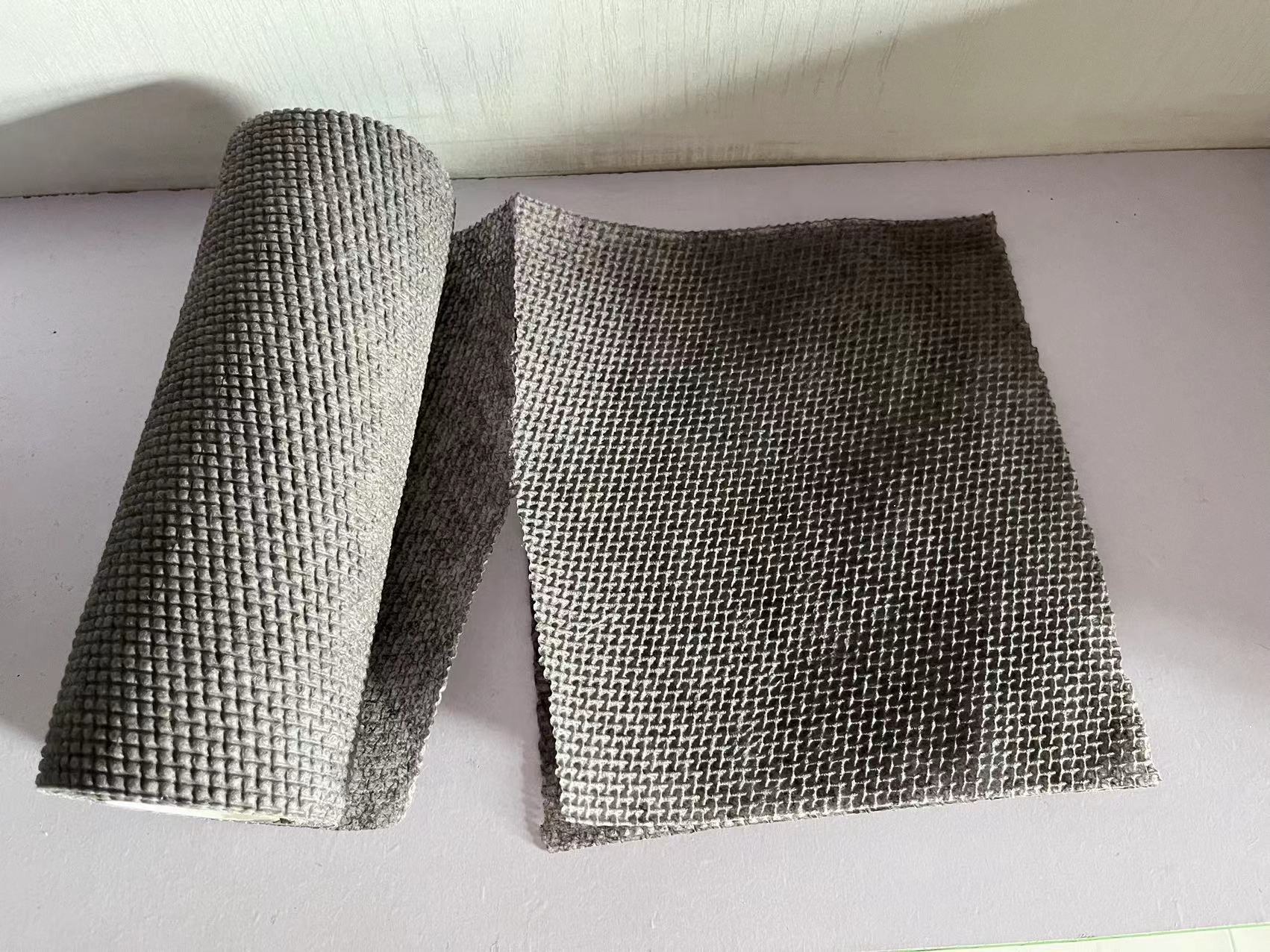
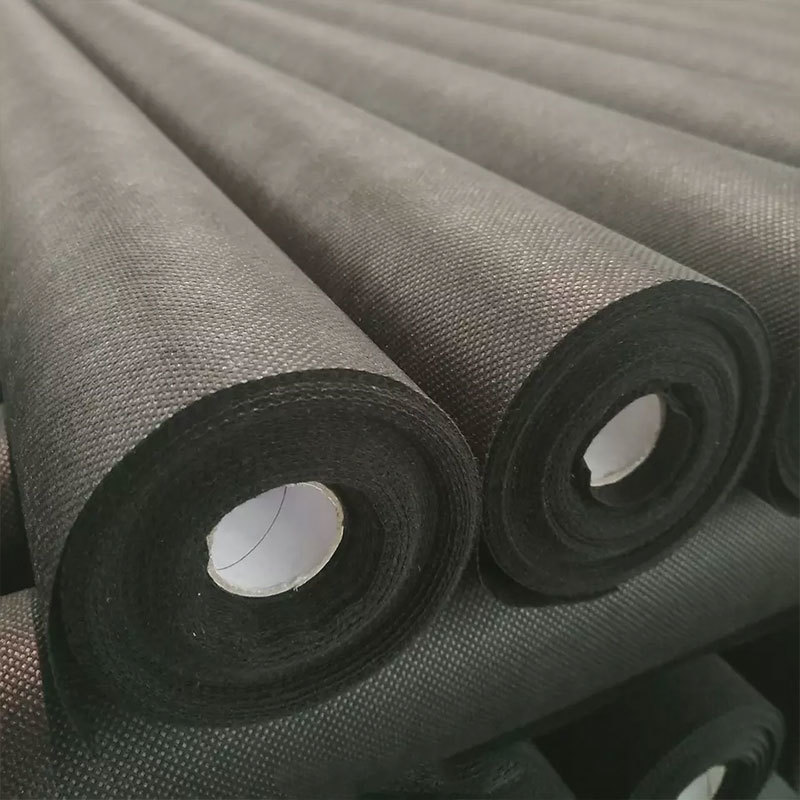
Spunbond nonwoven fabric is a versatile material that has gained immense popularity across various industries. Unlike traditional woven fabrics, spunbond nonwoven fabrics are made from continuous filaments, giving them unique characteristics that set them apart. With the demand for sustainable and efficient materials on the rise, understanding the properties of spunbond nonwoven fabric is essential for manufacturers, suppliers, and end-users.
2. The Manufacturing Process of Spunbond Nonwoven Fabric
The production of spunbond nonwoven fabric involves several key steps. Initially, polymer pellets are fed into an extruder, where they are melted and formed into filaments. These filaments are then laid down in a random pattern on a conveyor belt, where they are bonded together through heat, pressure, or adhesive. The result is a strong, durable fabric that boasts excellent performance characteristics.
The process can be summarized in the following stages:
1. **Polymer Selection**: The choice of polymer significantly impacts the fabric properties.
2. **Extrusion**: The melted polymer is extruded through spinnerets to create continuous filaments.
3. **Web Formation**: Filaments are laid down to form a web, which is crucial for subsequent bonding.
4. **Bonding**: The web is bonded through thermal or mechanical means to create the final fabric.
Each stage of production contributes to the unique properties of spunbond nonwoven fabric, making it essential to understand this process for effective application.
3. Key Properties of Spunbond Nonwoven Fabric
Spunbond nonwoven fabric possesses several key properties that make it ideal for a wide range of applications. These properties include:
3.1. Durability and Strength
Spunbond fabrics are known for their exceptional durability and tensile strength. The continuous filaments provide added resilience, making them suitable for products that require longevity and resistance to wear and tear. Whether used in medical garments or agricultural covers, spunbond fabrics can withstand various environmental conditions without compromising their integrity.
3.2. Lightweight and Breathability
One of the most significant advantages of spunbond nonwoven fabric is its lightweight nature. This characteristic allows for ease of handling and application, making it popular in industries ranging from healthcare to consumer goods. Additionally, spunbond fabrics offer excellent breathability, which is vital for applications requiring moisture control, such as in medical and hygiene products.
4. Applications of Spunbond Nonwoven Fabric
The versatility of spunbond nonwoven fabric translates into a varied range of applications across numerous sectors.
4.1. Medical and Healthcare Uses
In the medical field, spunbond nonwoven fabrics are widely used for surgical gowns, drapes, and face masks. Their barrier properties protect against contaminants while allowing air and moisture to pass through, ensuring comfort for both healthcare providers and patients. The fabric's lightweight nature also enhances mobility and ease of use.
4.2. Agricultural Applications
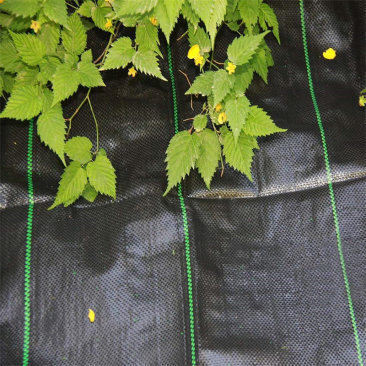
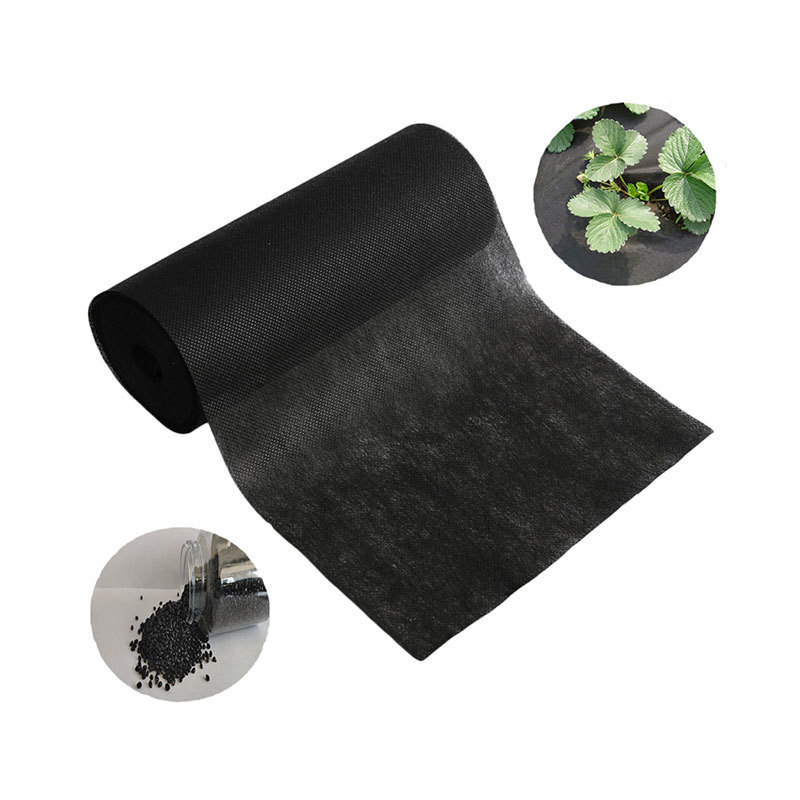
Spunbond nonwoven fabrics are employed in agriculture for crop covers, weed control mats, and planting sheets. These fabrics help regulate temperature and moisture while providing protection against pests. The durability of spunbond materials ensures they can withstand outdoor conditions, making them a reliable choice for farmers.
4.3. Geotextiles and Environmental Uses
In environmental applications, spunbond nonwoven fabric serves as geotextiles for erosion control, drainage, and separation in construction projects. Their strength and filtration capabilities make them ideal for protecting soil and enhancing the longevity of landscaping efforts.
5. Comparison Between Spunbond and Other Nonwoven Fabrics
When comparing spunbond nonwoven fabric to other types of nonwoven materials, several distinctions in properties and applications emerge. For instance, meltblown fabrics, known for their high absorbency, are often used in filtration, while needle-punched fabrics offer enhanced texture and thickness, making them suitable for insulation. Understanding these differences allows manufacturers to choose the appropriate fabric for their specific needs effectively.
6. Advantages of Using Spunbond Nonwoven Fabric
The utilization of spunbond nonwoven fabric comes with numerous advantages, including:
- **Cost-Effectiveness**: The manufacturing process of spunbond nonwoven fabric is efficient and less labor-intensive, leading to lower production costs.
- **Eco-Friendly Options**: Many spunbond fabrics are made from recyclable materials, making them an eco-conscious choice for consumers and businesses alike.
- **Customizability**: Spunbond fabrics can be tailored in terms of thickness, color, and properties, allowing manufacturers to meet specific project requirements.
These advantages contribute to the growing demand for spunbond nonwoven fabric across various industries.
7. Future Trends in Spunbond Nonwoven Fabric Technology
As technology continues to advance, the spunbond nonwoven fabric industry is poised for innovation. Future trends may include the development of biodegradable and compostable spunbond fabrics, enhanced performance through nano-coatings, and the integration of smart technologies for improved functionality. These advancements are likely to drive further adoption and application in sectors such as healthcare and environmental protection.
8. Frequently Asked Questions (FAQs)
1. What is spunbond nonwoven fabric made from?
Spunbond nonwoven fabric is typically made from polymers such as polypropylene, polyester, or polyethylene, which are extruded into continuous filaments.
2. How does spunbond nonwoven fabric differ from woven fabrics?
Spunbond nonwoven fabric is created from bonded filaments rather than woven threads, leading to different properties such as breathability, strength, and durability.
3. Is spunbond nonwoven fabric eco-friendly?
Many spunbond fabrics can be made from recyclable materials, and advancements in biodegradable options are also being developed, making them increasingly eco-friendly.
4. What are the main applications of spunbond nonwoven fabric?
Spunbond nonwoven fabrics are widely used in medical applications, agriculture, geotextiles, and various consumer products such as bags and filters.
5. Can spunbond nonwoven fabric be customized?
Yes, spunbond nonwoven fabrics can be customized in terms of thickness, color, and specific properties to meet diverse application needs.
9. Conclusion
In summary, spunbond nonwoven fabric is a unique material that offers a combination of durability, breathability, and versatility, making it invaluable across various industries. With its efficient production process and an array of applications, spunbond nonwoven fabric is set to play a significant role in the future of textiles. Understanding its properties not only helps manufacturers make informed choices but also promotes innovation in its applications. As we move forward, continued advancements in spunbond technology will further enhance its presence in the market, catering to the evolving demands of users and industries alike.
spunbond nonwoven fabric

LEAVE A MESSAGE
MESSAGE