



27
2026
-
09
Exploring the Versatility of Polypropylene Nonwoven Fabric in the Textile Industry
Polypropylene nonwoven fabric is a remarkable textile that has gained significant attention in various industries due to its unique characteristics and versatility. Made from polypropylene fibers, this nonwoven material is produced through methods such as spunbonding, meltblowing, or needle punching, all of which contribute to its lightweight, durable, and breathable nature. One of the most notabl

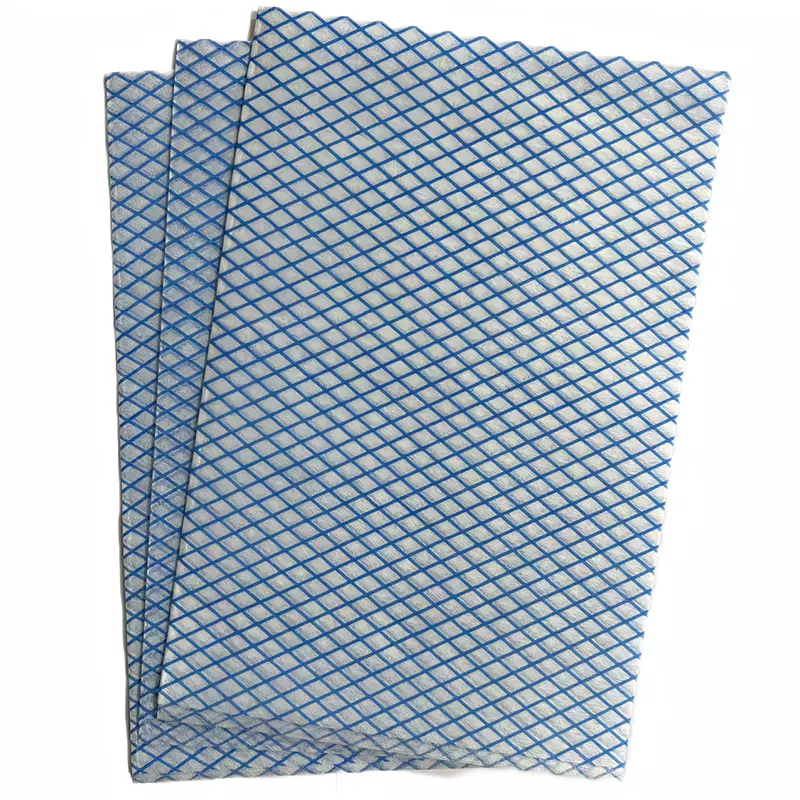
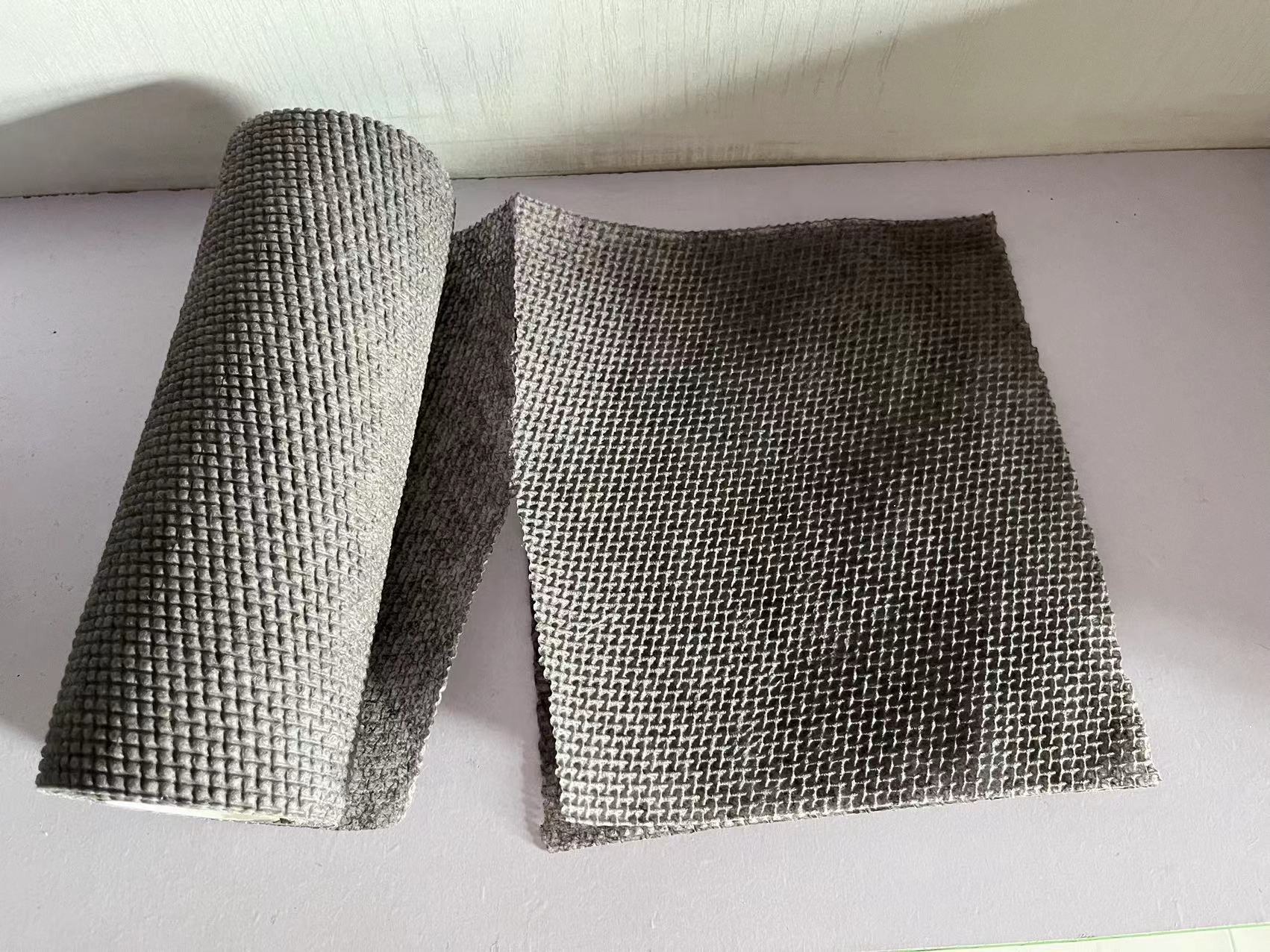
Polypropylene nonwoven fabric is a remarkable textile that has gained significant attention in various industries due to its unique characteristics and versatility. Made from polypropylene fibers, this nonwoven material is produced through methods such as spunbonding, meltblowing, or needle punching, all of which contribute to its lightweight, durable, and breathable nature.
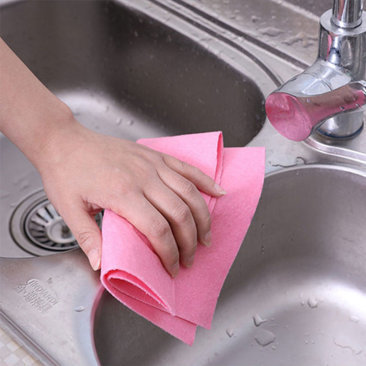
One of the most notable advantages of polypropylene nonwoven fabric is its high resistance to moisture and chemicals. This makes it an ideal choice for applications in medical and hygiene products, such as surgical gowns, masks, and sanitary napkins. The fabric's non-toxic and hypoallergenic properties further enhance its suitability for products that come into direct contact with skin.
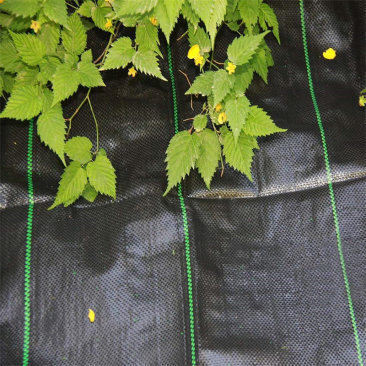
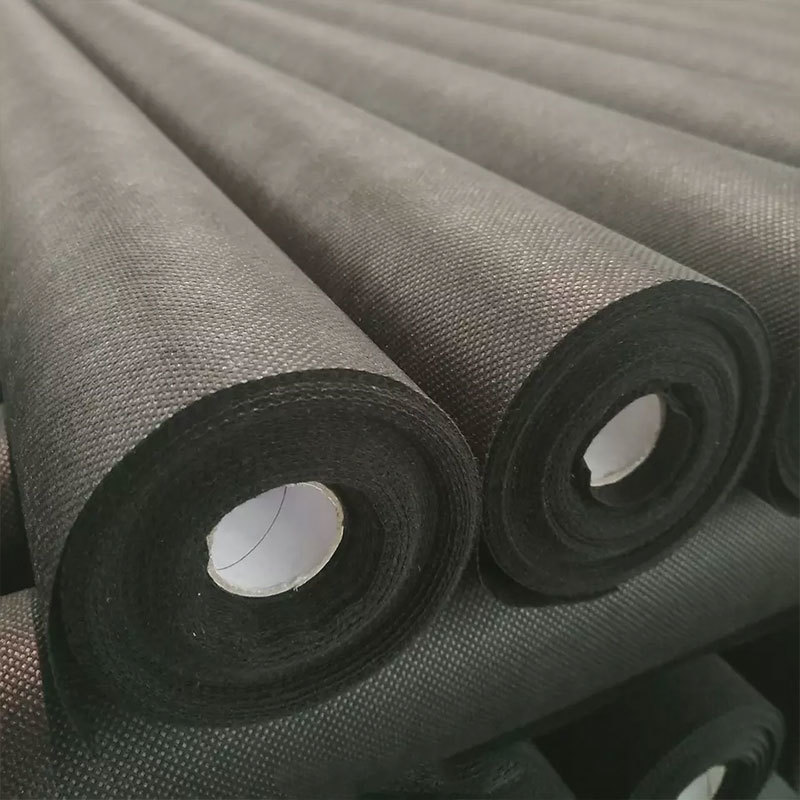
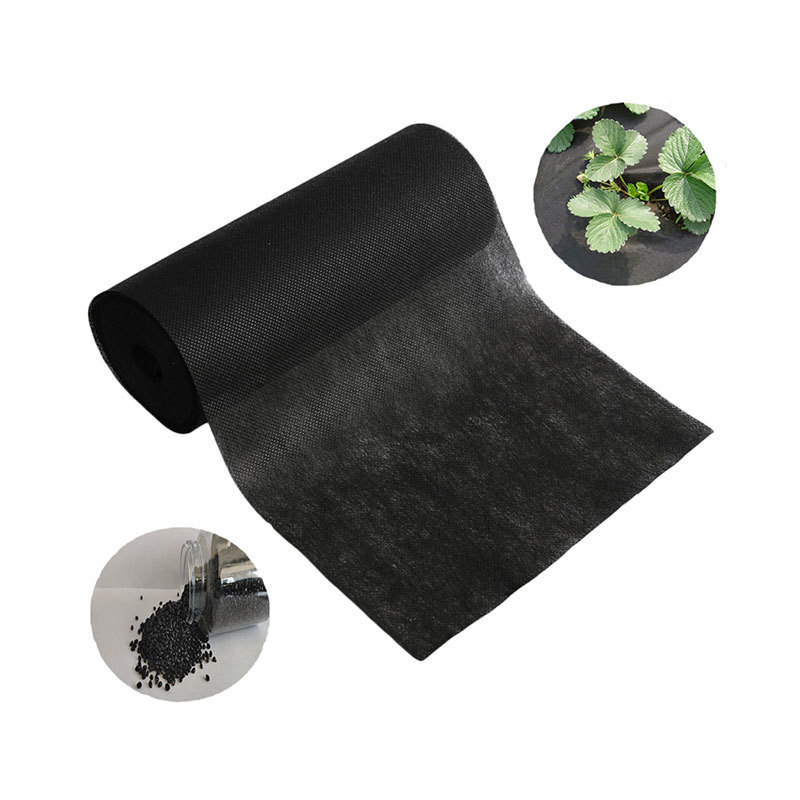
In addition to its use in the medical field, polypropylene nonwoven fabric has found a place in the agricultural sector. It is commonly used for crop covers, weed control fabrics, and mulch sheets, helping to protect plants and improve agricultural yields. The fabric's ability to allow air and moisture to pass through while preventing weed growth makes it an effective solution for farmers seeking sustainable practices.
The versatility of polypropylene nonwoven fabric extends to the automotive industry as well. It is employed in applications such as interior linings, sound absorption, and insulation. The lightweight nature of the fabric not only helps in reducing the overall weight of vehicles, thereby increasing fuel efficiency, but also enhances passenger comfort through sound dampening.
Furthermore, polypropylene nonwoven fabric is increasingly being utilized in the construction industry for projects such as roofing underlayment, filtration membranes, and geotextiles. Its durability and resistance to UV radiation make it a reliable choice for various construction applications, contributing to the longevity and efficiency of structures.
From an environmental perspective, polypropylene nonwoven fabric offers benefits too. It is recyclable and can be repurposed after its initial use, which reduces waste and promotes sustainability. As industries shift towards more eco-friendly solutions, the demand for recyclable materials, including polypropylene nonwoven fabrics, is expected to grow.
In conclusion, polypropylene nonwoven fabric is a highly adaptable material that plays a vital role in multiple sectors. Its unique properties, combined with its practical applications, make it an essential fabric in today's textile industry. As innovation continues, we can expect to see even more uses for this remarkable material, paving the way for advancements in various fields.
One of the most notable advantages of polypropylene nonwoven fabric is its high resistance to moisture and chemicals. This makes it an ideal choice for applications in medical and hygiene products, such as surgical gowns, masks, and sanitary napkins. The fabric's non-toxic and hypoallergenic properties further enhance its suitability for products that come into direct contact with skin.
In addition to its use in the medical field, polypropylene nonwoven fabric has found a place in the agricultural sector. It is commonly used for crop covers, weed control fabrics, and mulch sheets, helping to protect plants and improve agricultural yields. The fabric's ability to allow air and moisture to pass through while preventing weed growth makes it an effective solution for farmers seeking sustainable practices.
The versatility of polypropylene nonwoven fabric extends to the automotive industry as well. It is employed in applications such as interior linings, sound absorption, and insulation. The lightweight nature of the fabric not only helps in reducing the overall weight of vehicles, thereby increasing fuel efficiency, but also enhances passenger comfort through sound dampening.
Furthermore, polypropylene nonwoven fabric is increasingly being utilized in the construction industry for projects such as roofing underlayment, filtration membranes, and geotextiles. Its durability and resistance to UV radiation make it a reliable choice for various construction applications, contributing to the longevity and efficiency of structures.
From an environmental perspective, polypropylene nonwoven fabric offers benefits too. It is recyclable and can be repurposed after its initial use, which reduces waste and promotes sustainability. As industries shift towards more eco-friendly solutions, the demand for recyclable materials, including polypropylene nonwoven fabrics, is expected to grow.
In conclusion, polypropylene nonwoven fabric is a highly adaptable material that plays a vital role in multiple sectors. Its unique properties, combined with its practical applications, make it an essential fabric in today's textile industry. As innovation continues, we can expect to see even more uses for this remarkable material, paving the way for advancements in various fields.
Polypropylene nonwoven fabric

LEAVE A MESSAGE
MESSAGE