



03
2026
-
10
Understanding Nonwoven Fabric: The Role of Polypropylene in Spunbond Technology
Nonwoven fabrics have gained considerable attention in recent years due to their versatility and functionality. Among the various materials used in nonwoven fabric production, polypropylene stands out as a preferred choice, particularly in spunbond technology. Understanding the properties and applications of polypropylene nonwoven fabric can provide crucial insights for professionals in the textil

Nonwoven fabrics have gained considerable attention in recent years due to their versatility and functionality. Among the various materials used in nonwoven fabric production, polypropylene stands out as a preferred choice, particularly in spunbond technology. Understanding the properties and applications of polypropylene nonwoven fabric can provide crucial insights for professionals in the textile industry.
Polypropylene is a thermoplastic polymer known for its durability, lightweight nature, and resistance to moisture. In the production of spunbond nonwoven fabrics, polypropylene fibers are created by extruding melted plastic through a spinneret to form continuous filaments. These filaments are then laid down on a conveyor belt and bonded together through heat and pressure, resulting in a fabric that is both strong and flexible.
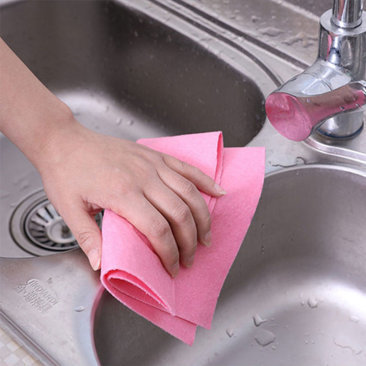
One of the primary advantages of polypropylene nonwoven fabrics is their exceptional strength-to-weight ratio. This characteristic makes them ideal for a range of applications, including medical textiles, filtration materials, agricultural coverings, and consumer products such as reusable bags. Additionally, polypropylene nonwoven fabrics are resistant to many chemicals, which further enhances their usability in various environments.
Spunbond polypropylene nonwoven fabrics are particularly favored in the healthcare sector. Their ability to provide barrier protection while being breathable makes them suitable for surgical gowns, drapes, and face masks. Furthermore, their lightweight nature allows for easy handling and disposal, aligning with the industry's focus on safety and hygiene.
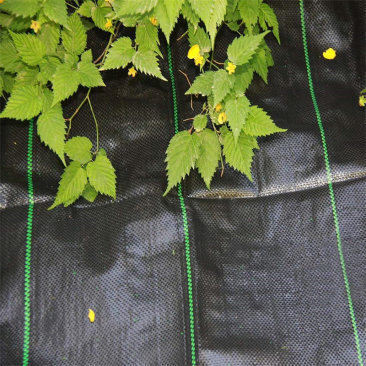
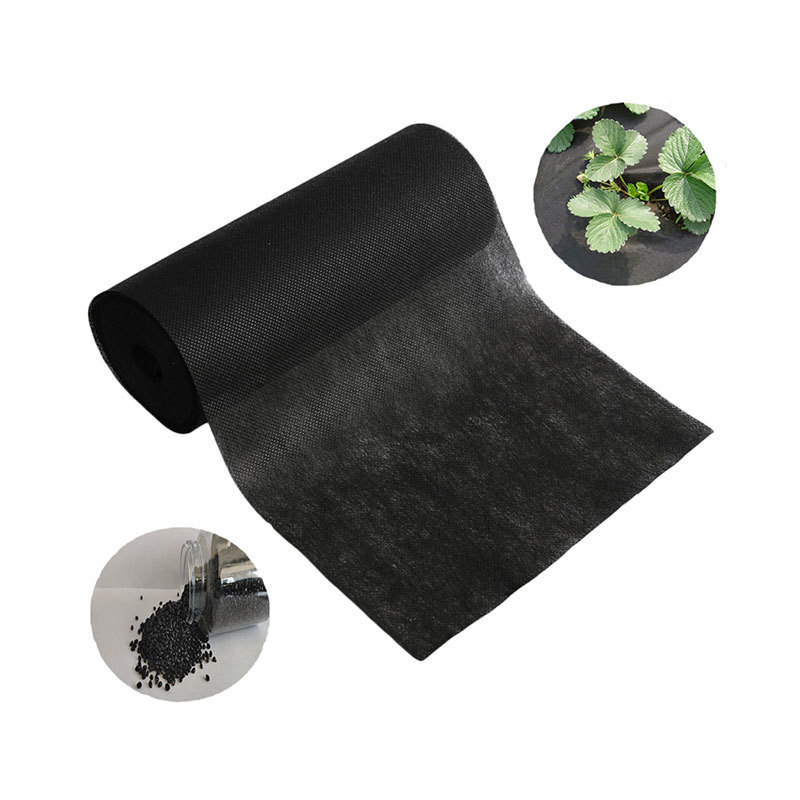
In the agricultural sector, polypropylene nonwoven fabrics serve as effective crop covers, helping to regulate temperature and protect plants from harsh weather conditions. This material can also be used in geotextiles, which help in soil stabilization and erosion control. The durability of polypropylene ensures that these fabrics can withstand outdoor elements for extended periods.
From an environmental perspective, the recyclability of polypropylene is a significant consideration. While nonwoven fabrics are often designed for single-use applications, the potential for recycling polypropylene can contribute to sustainability initiatives within the textile industry. It is essential for professionals to explore innovative ways to enhance the lifecycle of these materials.
In conclusion, polypropylene nonwoven fabrics are a vital component of modern textile technology. Their unique properties and wide-ranging applications make them indispensable in various industries. By understanding the benefits and potential uses of polypropylene spunbond technology, professionals can make informed decisions that contribute to innovation and efficiency in their respective fields. Whether for medical, agricultural, or consumer applications, the role of nonwoven fabric made from polypropylene is undeniable and continues to evolve in response to market demands.
Polypropylene is a thermoplastic polymer known for its durability, lightweight nature, and resistance to moisture. In the production of spunbond nonwoven fabrics, polypropylene fibers are created by extruding melted plastic through a spinneret to form continuous filaments. These filaments are then laid down on a conveyor belt and bonded together through heat and pressure, resulting in a fabric that is both strong and flexible.
One of the primary advantages of polypropylene nonwoven fabrics is their exceptional strength-to-weight ratio. This characteristic makes them ideal for a range of applications, including medical textiles, filtration materials, agricultural coverings, and consumer products such as reusable bags. Additionally, polypropylene nonwoven fabrics are resistant to many chemicals, which further enhances their usability in various environments.
Spunbond polypropylene nonwoven fabrics are particularly favored in the healthcare sector. Their ability to provide barrier protection while being breathable makes them suitable for surgical gowns, drapes, and face masks. Furthermore, their lightweight nature allows for easy handling and disposal, aligning with the industry's focus on safety and hygiene.
In the agricultural sector, polypropylene nonwoven fabrics serve as effective crop covers, helping to regulate temperature and protect plants from harsh weather conditions. This material can also be used in geotextiles, which help in soil stabilization and erosion control. The durability of polypropylene ensures that these fabrics can withstand outdoor elements for extended periods.
From an environmental perspective, the recyclability of polypropylene is a significant consideration. While nonwoven fabrics are often designed for single-use applications, the potential for recycling polypropylene can contribute to sustainability initiatives within the textile industry. It is essential for professionals to explore innovative ways to enhance the lifecycle of these materials.
In conclusion, polypropylene nonwoven fabrics are a vital component of modern textile technology. Their unique properties and wide-ranging applications make them indispensable in various industries. By understanding the benefits and potential uses of polypropylene spunbond technology, professionals can make informed decisions that contribute to innovation and efficiency in their respective fields. Whether for medical, agricultural, or consumer applications, the role of nonwoven fabric made from polypropylene is undeniable and continues to evolve in response to market demands.
nonwoven fabric polypropylene

LEAVE A MESSAGE
MESSAGE