



07
2026
-
06
Best Practices for Maintaining Your Permeable Landscape Fabric
Best Practices for Maintaining Your Permeable Landscape Fabric Maintaining your permeable landscape fabric is crucial for ensuring its longevity and effectiveness in managing soil erosion, controlling weeds, and allowing for proper drainage. This article explores the best practices for maintaining your landscape fabric, enabling you to keep your outdoor spaces healthy and visually appealing. Under

Best Practices for Maintaining Your Permeable Landscape Fabric
Maintaining your permeable landscape fabric is crucial for ensuring its longevity and effectiveness in managing soil erosion, controlling weeds, and allowing for proper drainage. This article explores the best practices for maintaining your landscape fabric, enabling you to keep your outdoor spaces healthy and visually appealing.
Understanding Permeable Landscape Fabric
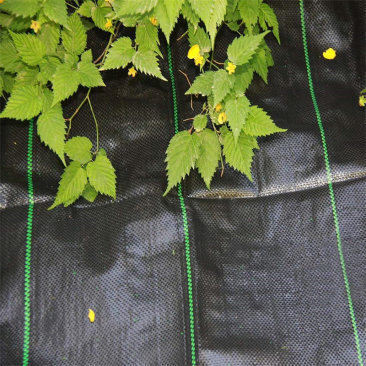
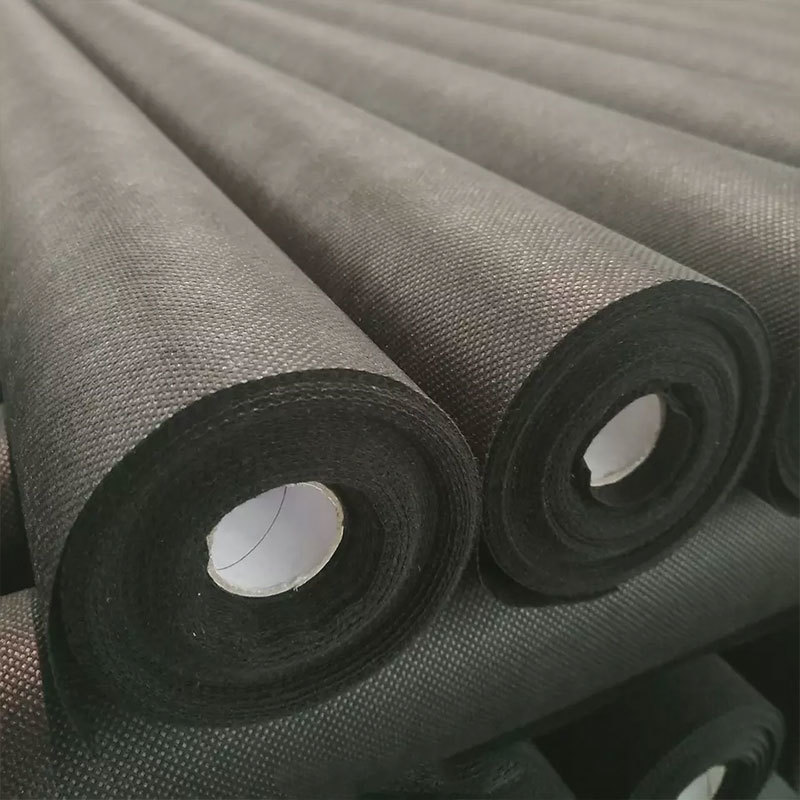
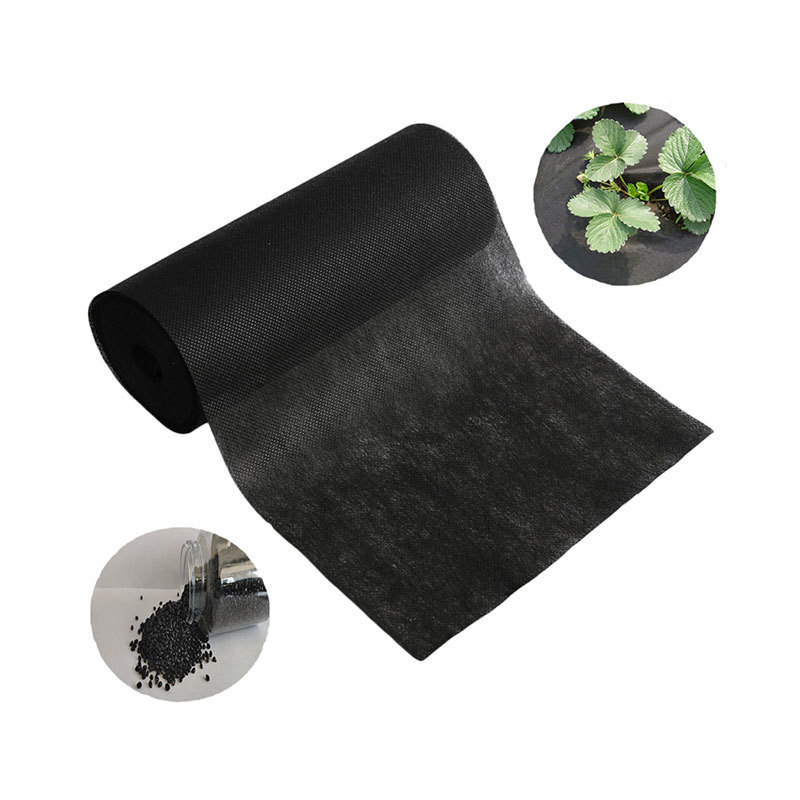
Permeable landscape fabric is a non-woven material designed to allow water and air to pass through while preventing weed growth and soil erosion. It's commonly used in gardens, landscaping projects, and construction sites. Understanding how this fabric works is essential to implementing the best maintenance practices.
How Permeable Landscape Fabric Works
Permeable landscape fabric consists of a series of interconnected fibers that create a porous structure. This allows water to penetrate the surface while blocking the growth of weeds by restricting their access to sunlight. The fabric's design is crucial for maintaining soil health and promoting healthy plant growth.
Benefits of Using Permeable Landscape Fabric
1. **Weed Control**: By blocking sunlight, permeable landscape fabric significantly reduces weed growth, minimizing the need for chemical herbicides.
2. **Soil Erosion Prevention**: Its ability to stabilize soil helps prevent erosion during heavy rainfall or flooding.
3. **Enhanced Drainage**: The porous nature of the fabric allows for optimal drainage, preventing water from pooling and promoting healthier root systems.
4. **Improved Aesthetics**: Using landscape fabric can enhance the visual appeal of your garden or landscape by maintaining a clean and tidy appearance.
Installation: The First Step in Maintenance
Proper installation is the foundation of maintaining permeable landscape fabric. Follow these steps to ensure the best results:
Selecting the Right Fabric
When choosing your permeable landscape fabric, consider factors such as durability, pore size, and UV resistance. High-quality materials will last longer and require less maintenance.
Preparing the Area
Before laying down the fabric, clear the area of weeds, rocks, and debris. Level the ground to create a smooth surface for installation, which aids in effective drainage.
Applying the Fabric Correctly
1. Lay the fabric flat over the prepared area, overlapping seams by at least 12 inches to prevent weeds from sneaking through.
2. Secure the fabric with landscape staples or pins to prevent shifting during heavy rains or strong winds.
3. Cut openings in the fabric for plants, ensuring the edges are tucked under to minimize weed intrusion.
Routine Maintenance Practices
Once installed, regular maintenance is key to ensuring the fabric remains effective.
Regular Inspections
Conduct inspections at least twice a year, ideally in spring and fall. Look for signs of wear, such as rips or tears, and check for weed growth in seams or edges. Promptly address any issues to prevent them from worsening.
Weed Management
While permeable landscape fabric significantly reduces weed growth, some persistent weeds may still emerge. Employ the following techniques for effective weed management:
1. **Hand Pulling**: Manually remove any visible weeds, paying close attention to the roots.
2. **Mulching**: Apply a layer of mulch on top of the fabric to further suppress weed growth and enhance aesthetics.
3. **Spot Treating**: For stubborn weeds, consider spot-treating with a natural herbicide, avoiding chemicals that may harm surrounding plants.
Cleaning the Fabric Surface
Keeping the surface of your permeable landscape fabric clean is essential for maintaining its permeability. Use the following methods:
1. **Leaf Blower**: Use a leaf blower to remove debris such as leaves and twigs, which can block water flow.
2. **Pressure Washing**: For deeper cleaning, a gentle pressure wash can remove dirt and sediment buildup without damaging the fabric.
Dealing with Soil and Sediment Accumulation
Over time, soil and sediment may accumulate on the surface of your landscape fabric, reducing its effectiveness. To manage this:
Periodic Soil Replenishment
Every few years, consider removing a thin layer of topsoil and replacing it with fresh soil. This practice maintains soil health and ensures your plants receive adequate nutrients.
Using Geotextiles
In areas prone to excessive sediment accumulation, consider installing geotextiles underneath your landscape fabric. These materials can help filter out soil particles while allowing water to flow through.
Seasonal Considerations for Maintenance
Different seasons present unique challenges for maintaining permeable landscape fabric. Here’s how to adapt your maintenance strategy throughout the year.
Spring Maintenance Tips
1. **Inspect for Winter Damage**: Check for tears or wear caused by harsh winter conditions.
2. **Weed Control**: Actively remove any stubborn weeds that may have survived the winter.
Summer Maintenance Tips
1. **Monitor Water Flow**: Ensure water drains effectively, especially after heavy rains.
2. **Regular Cleaning**: Increase the frequency of cleaning to prevent debris buildup during the growing season.
Fall Maintenance Tips
1. **Prepare for Winter**: Clean the fabric thoroughly and remove fallen leaves to prevent mold and decay.
2. **Mulching**: Apply a fresh layer of mulch to protect the fabric and support soil insulation during colder months.
Winter Maintenance Tips
1. **Avoid Heavy Snow Accumulation**: If possible, gently remove heavy snow from the surface of the fabric to prevent damage.
2. **Check for Freezing Issues**: Inspect for frozen areas where water may pool, as this can lead to fabric deterioration.
Common Problems and Solutions
Even with proper maintenance, issues may arise. Here are some common problems and their solutions.
Problem: Fabric Tears and Rips
**Solution**: Repair minor tears with fabric patches or adhesive specifically designed for landscape fabrics. For larger rips, consider replacing the damaged section entirely.
Problem: Poor Drainage
**Solution**: Investigate the cause of poor drainage, which may be due to sediment buildup or blockage. Thoroughly clean the fabric and consider adding a drainage layer beneath it if necessary.
Problem: Excessive Weed Growth
**Solution**: If weeds are prevalent, review your weed management strategies. Increase mulch layers and ensure proper hand-pulling techniques are being followed.
Frequently Asked Questions (FAQs)
1. How often should I inspect my permeable landscape fabric?
It is advisable to inspect your landscape fabric at least twice a year, in spring and fall, to identify any damage or weed growth.
2. Can I use chemicals to control weeds on landscape fabric?
It is recommended to avoid chemical herbicides as they may harm surrounding plants. Instead, opt for manual removal or natural herbicides.
3. How can I prevent soil accumulation on landscape fabric?
Regular cleaning and periodic soil replenishment are effective strategies for preventing soil buildup on your landscape fabric.
4. Is it necessary to replace permeable landscape fabric regularly?
With proper maintenance, high-quality landscape fabric can last several years. However, it may need replacement if significant wear or damage occurs.
5. Can I plant directly into the permeable landscape fabric?
Yes, you can plant directly into the fabric by cutting openings for the plants. Ensure the edges are tucked under to prevent weed intrusion.
Conclusion
Maintaining your permeable landscape fabric is essential for optimizing its performance and longevity. By following best practices, including proper installation, routine inspections, and seasonal maintenance, you can ensure that your landscape remains healthy and vibrant. This proactive approach not only enhances the aesthetics of your outdoor space but also contributes to the overall health of your garden and the environment. Implement these strategies today, and enjoy the benefits of a well-maintained permeable landscape fabric for years to come.
permeable landscape fabric

LEAVE A MESSAGE
MESSAGE