



23
2026
-
07
The Essential Guide to Permeable Landscape Fabric: Benefits and Uses in Construction
Permeable landscape fabric is an innovative material widely used in construction and landscaping projects to enhance drainage and manage soil effectively. Unlike traditional geotextiles, this fabric allows water and air to pass through while preventing the intrusion of weed growth. Its unique properties make it an essential component in various applications, from gardening to large-scale construct

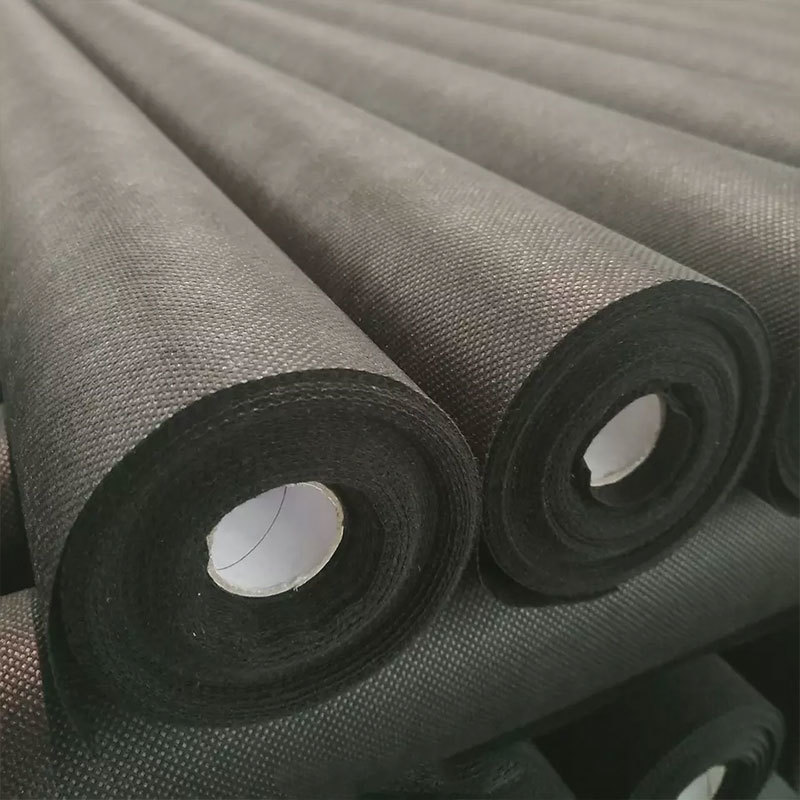
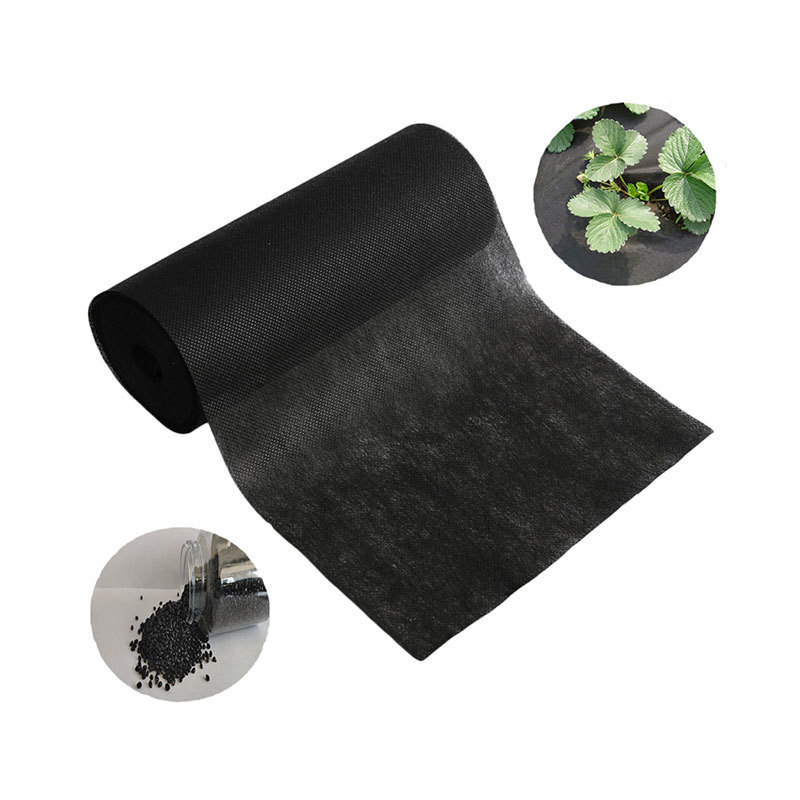
Permeable landscape fabric is an innovative material widely used in construction and landscaping projects to enhance drainage and manage soil effectively. Unlike traditional geotextiles, this fabric allows water and air to pass through while preventing the intrusion of weed growth. Its unique properties make it an essential component in various applications, from gardening to large-scale construction sites.
One of the primary benefits of using permeable landscape fabric is its ability to provide excellent water drainage. By allowing rainwater to seep through the fabric, it helps prevent the pooling of water on surfaces such as patios, walkways, and garden beds. This not only protects the integrity of the structures but also minimizes the risk of erosion and soil saturation. Furthermore, it promotes healthy plant growth by ensuring that roots receive adequate moisture without becoming waterlogged.
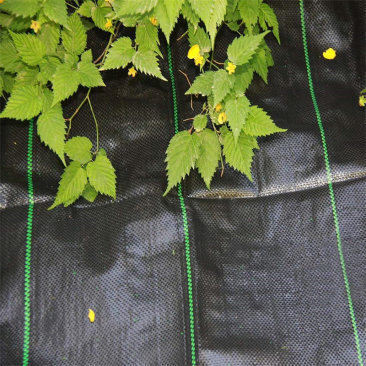
In addition to its drainage capabilities, permeable landscape fabric serves as a barrier against weeds. When installed correctly, it prevents unwanted vegetation from growing through the landscape, reducing the need for chemical herbicides. This eco-friendly aspect makes it a popular choice among environmentally conscious gardeners and landscapers who seek sustainable solutions.
Furthermore, permeable landscape fabric is incredibly versatile, making it suitable for a range of applications. It can be used in drainage systems, under gravel driveways, and in landscape projects requiring soil separation. In construction, it is often employed in retaining walls and bio-retention areas to manage stormwater effectively. Its adaptability allows it to fit various project requirements, making it a go-to choice for contractors and DIY enthusiasts alike.
Installation of permeable landscape fabric is relatively straightforward, although proper techniques should be followed to maximize its effectiveness. The area should be cleared of debris and vegetation before laying down the fabric. It is essential to overlap the seams to ensure that there are no gaps that could allow weeds to penetrate. Once installed, the fabric can be covered with mulch, gravel, or soil, depending on the intended purpose.
In conclusion, permeable landscape fabric is an invaluable resource in the construction and landscaping industries. Its ability to combine water drainage, soil management, and weed prevention makes it an essential component of effective site management. Whether you are a homeowner looking to enhance your garden or a contractor focused on large-scale projects, understanding the benefits and applications of permeable landscape fabric can lead to a more sustainable and efficient approach to land use.
One of the primary benefits of using permeable landscape fabric is its ability to provide excellent water drainage. By allowing rainwater to seep through the fabric, it helps prevent the pooling of water on surfaces such as patios, walkways, and garden beds. This not only protects the integrity of the structures but also minimizes the risk of erosion and soil saturation. Furthermore, it promotes healthy plant growth by ensuring that roots receive adequate moisture without becoming waterlogged.
In addition to its drainage capabilities, permeable landscape fabric serves as a barrier against weeds. When installed correctly, it prevents unwanted vegetation from growing through the landscape, reducing the need for chemical herbicides. This eco-friendly aspect makes it a popular choice among environmentally conscious gardeners and landscapers who seek sustainable solutions.
Furthermore, permeable landscape fabric is incredibly versatile, making it suitable for a range of applications. It can be used in drainage systems, under gravel driveways, and in landscape projects requiring soil separation. In construction, it is often employed in retaining walls and bio-retention areas to manage stormwater effectively. Its adaptability allows it to fit various project requirements, making it a go-to choice for contractors and DIY enthusiasts alike.
Installation of permeable landscape fabric is relatively straightforward, although proper techniques should be followed to maximize its effectiveness. The area should be cleared of debris and vegetation before laying down the fabric. It is essential to overlap the seams to ensure that there are no gaps that could allow weeds to penetrate. Once installed, the fabric can be covered with mulch, gravel, or soil, depending on the intended purpose.
In conclusion, permeable landscape fabric is an invaluable resource in the construction and landscaping industries. Its ability to combine water drainage, soil management, and weed prevention makes it an essential component of effective site management. Whether you are a homeowner looking to enhance your garden or a contractor focused on large-scale projects, understanding the benefits and applications of permeable landscape fabric can lead to a more sustainable and efficient approach to land use.
permeable landscape fabric

LEAVE A MESSAGE
MESSAGE