



15
2026
-
09
Understanding Spunbond Polypropylene Fabric: A Versatile Non-Woven Material
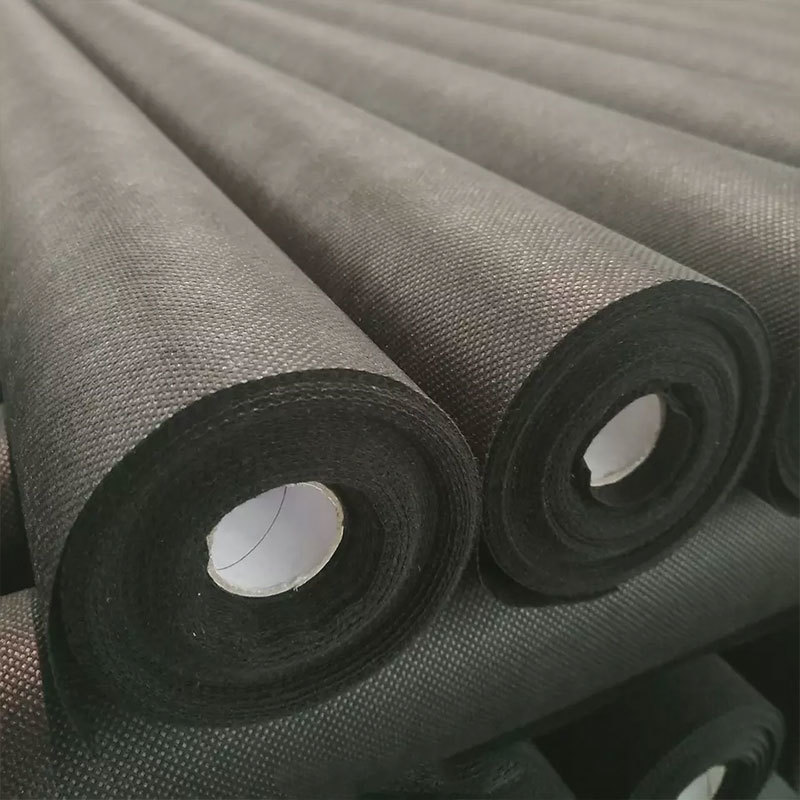
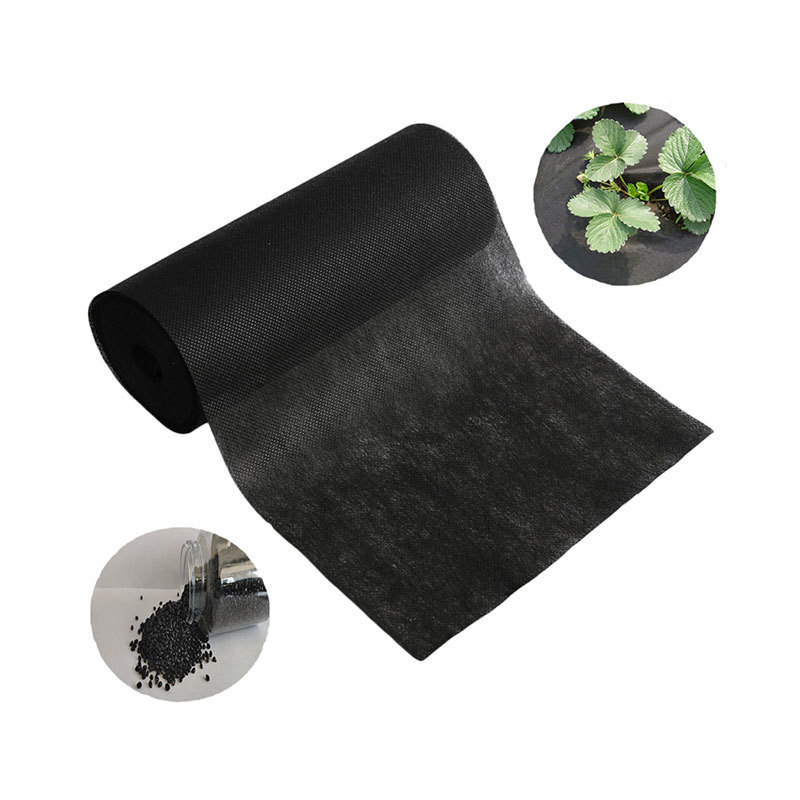
Spunbond polypropylene fabric is a prominent player in the realm of non-woven textiles, offering unique properties that make it highly versatile for various applications. This fabric is manufactured through a process that involves the extrusion of polypropylene, followed by the spinning of these filaments into a web-like structure. The result is a lightweight yet durable material that has gained s

Spunbond polypropylene fabric is a prominent player in the realm of non-woven textiles, offering unique properties that make it highly versatile for various applications. This fabric is manufactured through a process that involves the extrusion of polypropylene, followed by the spinning of these filaments into a web-like structure. The result is a lightweight yet durable material that has gained significant traction in multiple industries, including packaging, agriculture, medical supplies, and hygiene products.
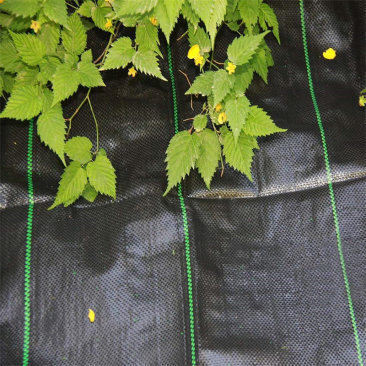
One of the standout features of spunbond polypropylene fabric is its excellent strength-to-weight ratio. Despite being lightweight, it is extremely strong and resistant to tearing. This characteristic is particularly beneficial in applications such as agricultural covers and packaging materials, where durability is essential. Furthermore, its resistance to moisture and chemicals makes it suitable for use in environments where exposure to various substances is a concern.
The manufacturing process of spunbond polypropylene fabric also contributes to its eco-friendly credentials. It is created from a thermoplastic polymer, which means it can be recycled and reused. Additionally, the production process generates minimal waste, making it an attractive option for companies looking to reduce their environmental footprint. As sustainability becomes a more significant consideration in product development, spunbond polypropylene continues to be a preferred choice for environmentally conscious brands.
In the medical field, spunbond polypropylene fabric is utilized for its barrier properties, which help prevent the transmission of bacteria and viruses. This makes it a popular choice for surgical gowns, masks, and other medical supplies, where hygiene is paramount. Its breathability also ensures comfort for wearers, an essential factor in healthcare settings.
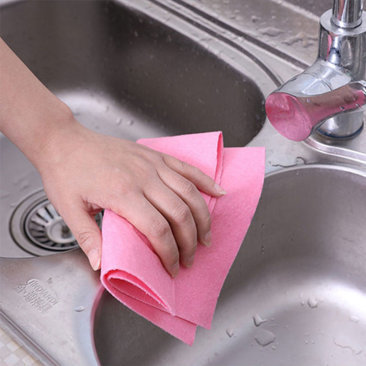
Another area where spunbond polypropylene excels is in the production of hygiene products such as diapers, feminine hygiene items, and adult incontinence products. The fabric’s soft texture and absorbent nature enhance user comfort and product performance. Its ability to be manufactured in various weights and thicknesses allows manufacturers to tailor products to meet specific requirements, thereby expanding its applications.
Moreover, spunbond polypropylene fabric has found a niche in the fashion industry, particularly in creating innovative garments and accessories. Designers are increasingly leveraging its unique aesthetic qualities and structural integrity to craft modern, stylish pieces that stand out in the market.
In conclusion, spunbond polypropylene fabric is a remarkable non-woven material that offers numerous advantages across various sectors. Its strength, lightweight nature, eco-friendliness, and versatility make it a desirable choice for professionals in the textile industry. Whether in agriculture, medical applications, hygiene products, or fashion, understanding the benefits of spunbond polypropylene can provide valuable insights into its potential uses and future developments.
One of the standout features of spunbond polypropylene fabric is its excellent strength-to-weight ratio. Despite being lightweight, it is extremely strong and resistant to tearing. This characteristic is particularly beneficial in applications such as agricultural covers and packaging materials, where durability is essential. Furthermore, its resistance to moisture and chemicals makes it suitable for use in environments where exposure to various substances is a concern.
The manufacturing process of spunbond polypropylene fabric also contributes to its eco-friendly credentials. It is created from a thermoplastic polymer, which means it can be recycled and reused. Additionally, the production process generates minimal waste, making it an attractive option for companies looking to reduce their environmental footprint. As sustainability becomes a more significant consideration in product development, spunbond polypropylene continues to be a preferred choice for environmentally conscious brands.
In the medical field, spunbond polypropylene fabric is utilized for its barrier properties, which help prevent the transmission of bacteria and viruses. This makes it a popular choice for surgical gowns, masks, and other medical supplies, where hygiene is paramount. Its breathability also ensures comfort for wearers, an essential factor in healthcare settings.
Another area where spunbond polypropylene excels is in the production of hygiene products such as diapers, feminine hygiene items, and adult incontinence products. The fabric’s soft texture and absorbent nature enhance user comfort and product performance. Its ability to be manufactured in various weights and thicknesses allows manufacturers to tailor products to meet specific requirements, thereby expanding its applications.
Moreover, spunbond polypropylene fabric has found a niche in the fashion industry, particularly in creating innovative garments and accessories. Designers are increasingly leveraging its unique aesthetic qualities and structural integrity to craft modern, stylish pieces that stand out in the market.
In conclusion, spunbond polypropylene fabric is a remarkable non-woven material that offers numerous advantages across various sectors. Its strength, lightweight nature, eco-friendliness, and versatility make it a desirable choice for professionals in the textile industry. Whether in agriculture, medical applications, hygiene products, or fashion, understanding the benefits of spunbond polypropylene can provide valuable insights into its potential uses and future developments.
spunbond polypropylene fabric
Prev

LEAVE A MESSAGE
MESSAGE