



19
2026
-
01
Understanding Spunbond Polypropylene Fabric: Characteristics, Applications, and Benefits
Spunbond polypropylene fabric is a widely utilized nonwoven textile known for its strength, durability, and lightweight properties. This innovative material is produced through a process that involves melting polypropylene pellets, extruding them into fibers, and then bonding these fibers together using heat or pressure. The result is a fabric that is not only robust but also has a unique combinat

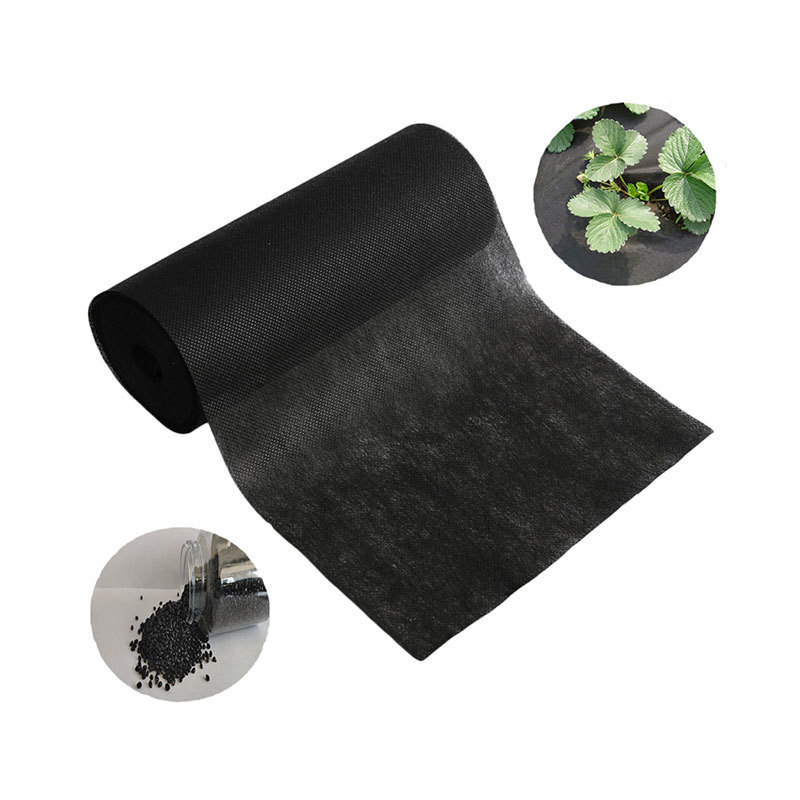
Spunbond polypropylene fabric is a widely utilized nonwoven textile known for its strength, durability, and lightweight properties. This innovative material is produced through a process that involves melting polypropylene pellets, extruding them into fibers, and then bonding these fibers together using heat or pressure. The result is a fabric that is not only robust but also has a unique combination of characteristics that make it suitable for various applications.
One of the primary advantages of spunbond polypropylene fabric is its excellent tensile strength. This allows it to withstand significant stress and strain, making it ideal for products that require durability, such as bags, geotextiles, and protective clothing. Additionally, spunbond polypropylene is resistant to water and various chemicals, which enhances its utility in applications like medical supplies, agricultural covers, and industrial packaging.
Another noteworthy characteristic of spunbond polypropylene fabric is its breathability. The structure of the fabric allows air and moisture to pass through, making it suitable for applications where breathability is crucial, such as in hygiene products like diapers and feminine hygiene items. Furthermore, the nonwoven nature of the fabric provides a soft texture, enhancing comfort for end-users.
Spunbond polypropylene fabric is also environmentally friendly to a certain extent. It can be manufactured from recycled materials, and polypropylene itself is a recyclable thermoplastic. This has led to a growing interest in sustainable practices within the textile industry, encouraging manufacturers to consider eco-friendliness when producing spunbond fabrics.
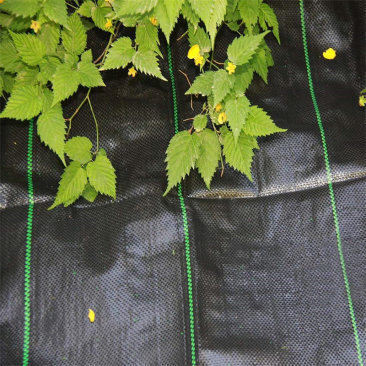
The versatility of spunbond polypropylene fabric extends to various sectors. In agriculture, it is often used as row covers and mulch films to protect crops from harsh weather conditions while allowing sunlight and moisture to reach the plants. In the medical field, its properties make it suitable for the production of surgical gowns, masks, and other disposable items that require sterility and resistance to fluids.
In the world of marketing and branding, spunbond polypropylene is also gaining traction as a favorite material for reusable shopping bags. These bags are lightweight, strong, and can be produced in a variety of colors and designs, offering businesses an attractive option for promoting their brand while contributing to reduced plastic waste.
In conclusion, spunbond polypropylene fabric stands out in the nonwoven textile industry due to its unique combination of durability, breathability, and eco-friendliness. Its diverse applications across various sectors highlight its significance in modern manufacturing. As industries continue to evolve, the demand for spunbond polypropylene fabric is likely to grow, making it a material worth considering for a wide range of products.
One of the primary advantages of spunbond polypropylene fabric is its excellent tensile strength. This allows it to withstand significant stress and strain, making it ideal for products that require durability, such as bags, geotextiles, and protective clothing. Additionally, spunbond polypropylene is resistant to water and various chemicals, which enhances its utility in applications like medical supplies, agricultural covers, and industrial packaging.
Another noteworthy characteristic of spunbond polypropylene fabric is its breathability. The structure of the fabric allows air and moisture to pass through, making it suitable for applications where breathability is crucial, such as in hygiene products like diapers and feminine hygiene items. Furthermore, the nonwoven nature of the fabric provides a soft texture, enhancing comfort for end-users.
Spunbond polypropylene fabric is also environmentally friendly to a certain extent. It can be manufactured from recycled materials, and polypropylene itself is a recyclable thermoplastic. This has led to a growing interest in sustainable practices within the textile industry, encouraging manufacturers to consider eco-friendliness when producing spunbond fabrics.
The versatility of spunbond polypropylene fabric extends to various sectors. In agriculture, it is often used as row covers and mulch films to protect crops from harsh weather conditions while allowing sunlight and moisture to reach the plants. In the medical field, its properties make it suitable for the production of surgical gowns, masks, and other disposable items that require sterility and resistance to fluids.
In the world of marketing and branding, spunbond polypropylene is also gaining traction as a favorite material for reusable shopping bags. These bags are lightweight, strong, and can be produced in a variety of colors and designs, offering businesses an attractive option for promoting their brand while contributing to reduced plastic waste.
In conclusion, spunbond polypropylene fabric stands out in the nonwoven textile industry due to its unique combination of durability, breathability, and eco-friendliness. Its diverse applications across various sectors highlight its significance in modern manufacturing. As industries continue to evolve, the demand for spunbond polypropylene fabric is likely to grow, making it a material worth considering for a wide range of products.
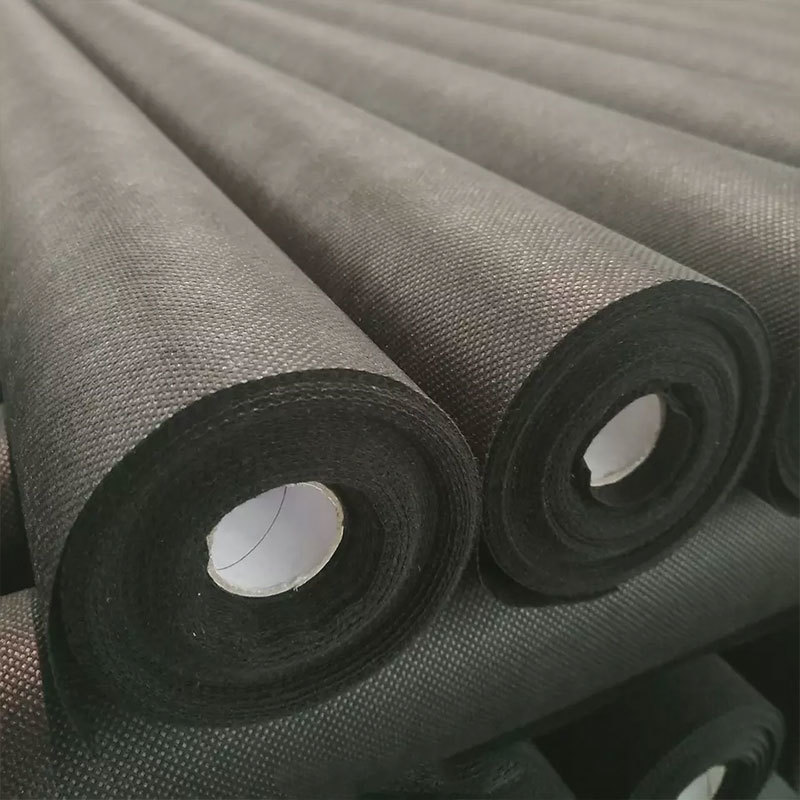
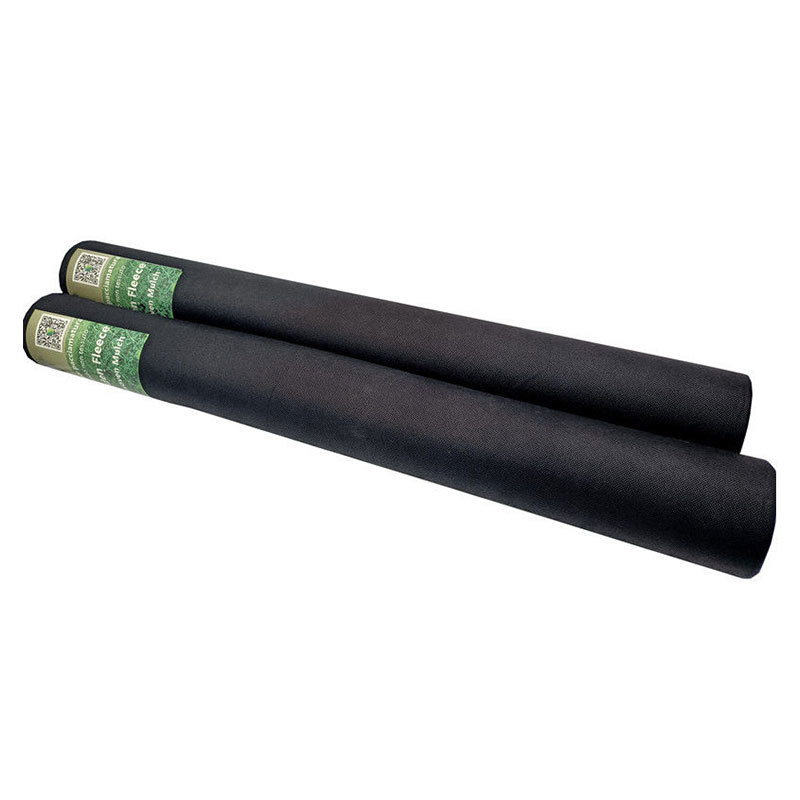
spunbond polypropylene fabric

LEAVE A MESSAGE
MESSAGE