



16
2026
-
01
How to Install Permeable Landscape Fabric Like a Pro: A Comprehensive Guide
How to Install Permeable Landscape Fabric Like a Pro Table of Contents 1. Understanding Permeable Landscape Fabric 2. Benefits of Using Permeable Landscape Fabric 3. Preparation: Getting Ready for Installation - 3.1 Essential Tools for the Job - 3.2 Selecting the Right Location 4. Step-by-Step Installation Process - 4.1 Laying the Fabric - 4.2 Securing the Fabric -

How to Install Permeable Landscape Fabric Like a Pro
Table of Contents
1. Understanding Permeable Landscape Fabric
2. Benefits of Using Permeable Landscape Fabric
3. Preparation: Getting Ready for Installation
- 3.1 Essential Tools for the Job
- 3.2 Selecting the Right Location
4. Step-by-Step Installation Process
- 4.1 Laying the Fabric
- 4.2 Securing the Fabric
- 4.3 Covering the Fabric
5. Maintaining Your Landscape Fabric
6. Common Mistakes to Avoid
7. Frequently Asked Questions
8. Conclusion
Understanding Permeable Landscape Fabric
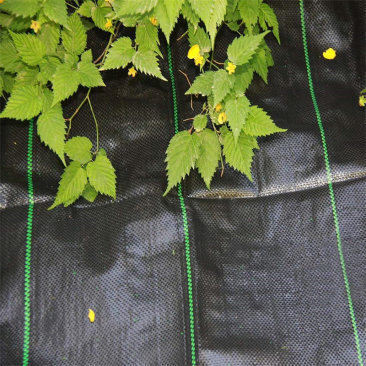
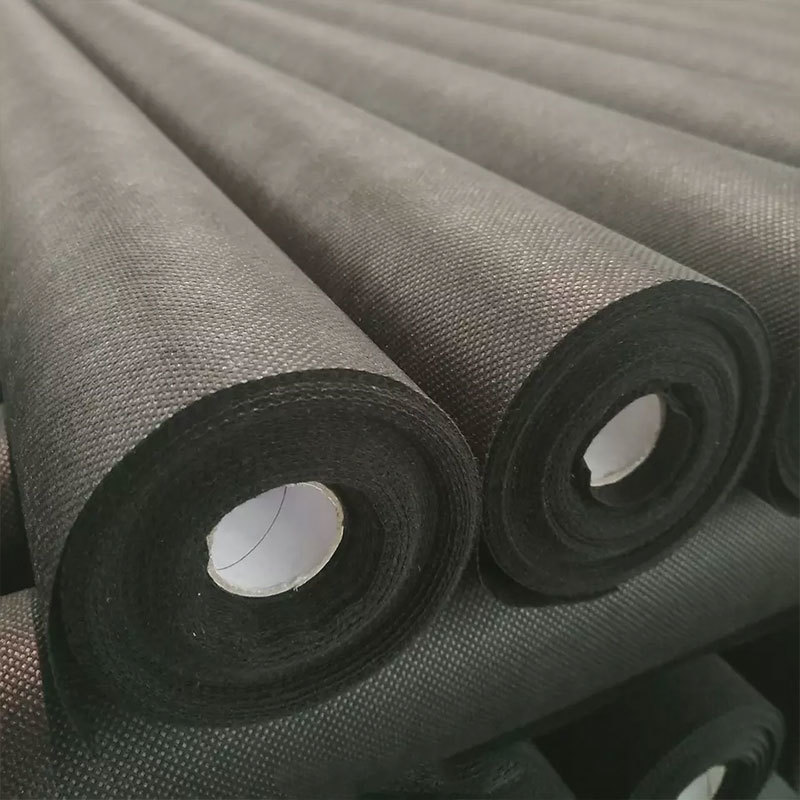
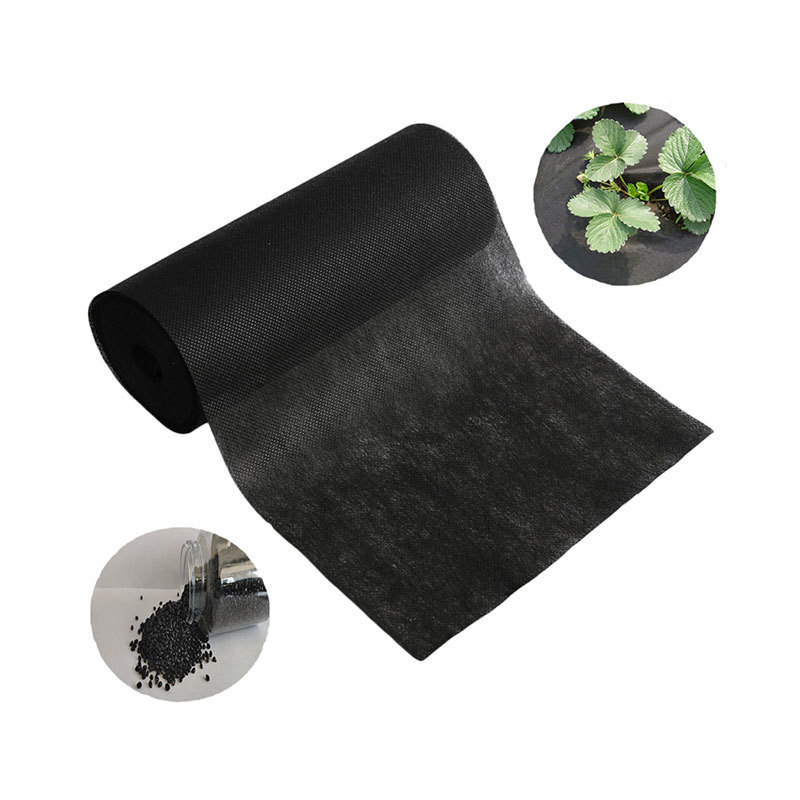
Permeable landscape fabric is a versatile material designed to allow water, air, and nutrients to pass through while simultaneously preventing weed growth. This type of fabric is often used in landscaping projects to maintain healthy soil and promote plant growth. By understanding its properties and uses, we can maximize its benefits and enhance the aesthetic appeal of our outdoor spaces.
Benefits of Using Permeable Landscape Fabric
When considering landscape solutions, permeable fabric offers numerous advantages. Here are some key benefits:
1. Effective Weed Control
Permeable landscape fabric acts as a barrier against weeds, reducing the need for harmful herbicides and manual weeding. This not only saves time but also promotes a healthier environment for your plants.
2. Enhanced Drainage
This fabric facilitates superior drainage, preventing waterlogging and root rot while ensuring that moisture reaches the soil. This is particularly vital in areas with heavy rainfall or poor drainage.
3. Soil Erosion Prevention
By stabilizing the soil, permeable landscape fabric helps prevent erosion during heavy rains, protecting the integrity of your garden beds and landscaping features.
4. Versatile Applications
From flower beds to pathways and under gravel driveways, this fabric can be used in a variety of landscaping projects, making it an essential tool for any landscaper.
Preparation: Getting Ready for Installation
Proper preparation is crucial for a successful installation of permeable landscape fabric. Here’s how to set up:
Essential Tools for the Job
Before starting your project, gather the following tools and materials:
- **Landscape fabric**: Choose the right type for your project.
- **Utility knife**: For cutting the fabric to size.
- **Landscape staples or pins**: To secure the fabric in place.
- **Shovel and rake**: For soil preparation.
- **Measuring tape**: To ensure accurate measurements.
- **Gloves and protective eyewear**: Essential for safety.
Selecting the Right Location
Choosing the right location is vital for the effectiveness of permeable landscape fabric. Ensure that the area has proper drainage and is free from debris. Clear the site of rocks, roots, and other obstructions, as this will facilitate a smoother installation process.
Step-by-Step Installation Process
With preparation complete, we can now move on to the actual installation of the landscape fabric. Follow these detailed steps:
Laying the Fabric
1. **Measure and Cut**: Using your measuring tape, determine the size of the area where you will lay the fabric. Cut the fabric, allowing for overlap—at least 6 inches—if you are covering a large area.
2. **Position the Fabric**: Lay the fabric over the prepared area, ensuring it fits snugly against the edges.
Securing the Fabric
1. **Use Landscape Staples**: Secure the fabric in place with landscape staples or pins. Place them every 3-5 feet along the edges and in the center to prevent the fabric from shifting.
2. **Check Alignment**: Ensure that the fabric remains straight and aligned throughout the installation process.
Covering the Fabric
1. **Add Mulch or Soil**: Once the fabric is secured, cover it with mulch, soil, or decorative stones. This not only enhances the aesthetic appeal but also protects the fabric from UV damage.
2. **Watering**: After laying down mulch or soil, water the area to help settle the materials and ensure proper moisture penetration through the fabric.
Maintaining Your Landscape Fabric
To maximize the life and effectiveness of your permeable landscape fabric, implement these maintenance tips:
- **Regular Inspections**: Periodically check for any signs of wear, damage, or shifts in the fabric.
- **Weed Control**: Despite the fabric's design, some weeds may still emerge. Remove these promptly to maintain the health of your garden.
- **Cleaning**: If debris accumulates on the fabric, gently clean it to prevent blockage of water and air.
Common Mistakes to Avoid
Even experienced landscapers can encounter pitfalls during installation. Here are some common mistakes to watch out for:
- **Insufficient Overlap**: Not allowing enough overlap in the fabric can lead to weed growth. Aim for at least a 6-inch overlap.
- **Neglecting Drainage**: Installing the fabric in poorly draining areas can defeat its purpose. Ensure proper site selection.
- **Ignoring Maintenance**: Failing to inspect and maintain the fabric can lead to premature deterioration. Regular checks are essential.
Frequently Asked Questions
1. How long does permeable landscape fabric last?
Typically, high-quality permeable landscape fabric can last anywhere from 5 to 15 years, depending on environmental conditions and maintenance practices.
2. Can I use permeable fabric under gravel?
Yes, permeable landscape fabric is ideal for use under gravel driveways or paths, as it helps with drainage while preventing weed growth.
3. Is permeable landscape fabric biodegradable?
Most permeable landscape fabrics are not biodegradable. They are designed for durability and effectiveness over many years.
4. Can I plant directly into the fabric?
You can plant directly into permeable landscape fabric, but it’s essential to make slits in the fabric for the plants to grow through.
5. What types of plants are best suited for use with landscape fabric?
Drought-tolerant and native plants often thrive best when used with landscape fabric, as they require less maintenance and adapt well to varying moisture levels.
Conclusion
Installing permeable landscape fabric is a straightforward process that yields significant benefits for your landscaping projects. By following our detailed guide, you'll be well-equipped to install this essential material like a pro. Remember to prepare adequately, avoid common mistakes, and maintain the fabric to ensure its effectiveness over time. With careful planning and execution, your outdoor spaces will not only be visually appealing but also functionally sound for years to come.
permeable landscape fabric

LEAVE A MESSAGE
MESSAGE