



26
2026
-
06
Comparing PP Nonwoven Fabric with Other Nonwoven Materials: A Comprehensive Analysis
Comparing PP Nonwoven Fabric with Other Nonwoven Materials Table of Contents 1. Introduction to Nonwoven Fabrics 2. Understanding PP Nonwoven Fabric 3. Properties of PP Nonwoven Fabric 4. Comparing Other Nonwoven Materials 5. Key Differences in Properties 6. Advantages and Disadvantages of PP Nonwoven Fabric 7. Applications of Nonwoven Materials 8. Future Trends in

Comparing PP Nonwoven Fabric with Other Nonwoven Materials
Table of Contents
- 1. Introduction to Nonwoven Fabrics
- 2. Understanding PP Nonwoven Fabric
- 3. Properties of PP Nonwoven Fabric
- 4. Comparing Other Nonwoven Materials
- 5. Key Differences in Properties
- 6. Advantages and Disadvantages of PP Nonwoven Fabric
- 7. Applications of Nonwoven Materials
- 8. Future Trends in Nonwoven Fabrics
- 9. Frequently Asked Questions
- 10. Conclusion
1. Introduction to Nonwoven Fabrics
Nonwoven fabrics have gained immense popularity due to their versatility and wide range of applications. Unlike traditional woven or knitted fabrics, nonwovens are made by bonding fibers together using mechanical, thermal, or chemical processes. This unique manufacturing method results in fabrics that possess distinct qualities suited for various uses. Among the different types of nonwoven materials, polypropylene (PP) nonwoven fabric stands out for its excellent performance characteristics and adaptability.
In this article, we will explore PP nonwoven fabric in detail, comparing it with other nonwoven materials to provide a clear understanding of their respective advantages and applications.
2. Understanding PP Nonwoven Fabric
PP nonwoven fabric is primarily made from polypropylene, a thermoplastic polymer that is renowned for its lightweight nature and durability. This fabric is produced through a variety of techniques, including spunbonding, meltblown, and carding, which result in different textures and properties suitable for various applications.
The production of PP nonwoven fabric is highly efficient, offering a cost-effective solution for manufacturers. This fabric is available in various weights, colors, and thicknesses, making it a flexible choice for a multitude of industries.
3. Properties of PP Nonwoven Fabric
PP nonwoven fabric possesses a range of properties that contribute to its widespread use:
3.1 Lightweight and Strong
One of the most significant attributes of PP nonwoven fabric is its lightweight nature combined with impressive tensile strength. This makes it suitable for applications where weight is a crucial factor.
3.2 Chemical Resistance
PP nonwoven fabric is resistant to a wide array of chemicals, making it an ideal choice for industrial applications where exposure to harsh substances is common.
3.3 Breathability
The fabric's structure allows for air permeability, which is essential in applications such as personal protective equipment (PPE) and filtration materials.
3.4 Water Resistance
PP nonwoven fabrics exhibit hydrophobic properties, meaning they repel water. This characteristic is beneficial in many applications, including agricultural coverings and hygiene products.
3.5 Environmental Considerations
While PP nonwoven fabric is derived from petroleum-based sources, it can be recycled and has a lower environmental impact than many other synthetic fabrics when properly managed.
4. Comparing Other Nonwoven Materials
In addition to PP, several other nonwoven materials are commonly used in various industries. Each material possesses unique characteristics that make them suitable for specific applications:
4.1 Polyester (PET) Nonwoven Fabric
Polyester nonwoven fabric is another popular choice, known for its strength and durability. It is often used in applications requiring high resilience, such as geotextiles and automotive interiors.
4.2 Nylon Nonwoven Fabric
Nylon nonwoven fabrics offer exceptional elasticity and abrasion resistance. They are commonly used in hygiene products like diapers and feminine hygiene items due to their softness.
4.3 Viscose Nonwoven Fabric
Viscose nonwoven fabric, made from regenerated cellulose fibers, is biodegradable and often used in environmentally-friendly applications. Its absorbency makes it suitable for personal care products.
4.4 Meltblown Nonwoven Fabric
Meltblown nonwoven fabric is often used in filtration applications due to its fine fiber structure, which captures small particles effectively. It’s a critical component in medical masks and air filtration systems.
4.5 Spunbond Nonwoven Fabric
Spunbond nonwoven fabric is produced by extruding continuous filaments and bonding them together. It is robust, lightweight, and frequently used in agriculture and packaging.
5. Key Differences in Properties
When comparing PP nonwoven fabric to other nonwoven materials, several key differences emerge that affect their respective applications:
5.1 Strength and Durability
While PP nonwoven fabric is lightweight, materials like polyester and nylon offer enhanced durability and strength, making them more suitable for high-stress applications.
5.2 Chemical and Heat Resistance
PP nonwoven fabric excels in chemical resistance but may not withstand high temperatures as effectively as polyester or nylon fabrics, which can endure more extreme conditions.
5.3 Environmental Impact
Viscose nonwoven fabric has a clear advantage in terms of biodegradability, making it more appealing in environmentally-conscious applications compared to PP nonwoven fabric.
5.4 Water Absorption
While PP nonwoven fabric is water-resistant, viscose and nylon nonwoven fabrics have higher water absorption rates, making them preferable for absorbent products.
6. Advantages and Disadvantages of PP Nonwoven Fabric
Understanding the advantages and disadvantages of PP nonwoven fabric can help manufacturers make informed decisions:
6.1 Advantages
- **Cost-Effective**: The production process is efficient, making PP nonwoven fabric a budget-friendly option for bulk manufacturing.
- **Versatile Applications**: Suitable across various industries, including healthcare, agriculture, and consumer goods.
- **Customization Options**: Available in multiple colors, weights, and textures, allowing for tailored solutions.
6.2 Disadvantages
- **Limited Biodegradability**: While recyclable, PP nonwoven fabric does not biodegrade as quickly as natural fibers.
- **Temperature Sensitivity**: Vulnerable to deformation when exposed to high heat, which can limit its use in certain scenarios.
7. Applications of Nonwoven Materials
Nonwoven fabrics find use in a variety of fields due to their unique properties:
7.1 Medical and Hygiene Products
PP nonwoven fabric is extensively used in surgical gowns, masks, and drapes due to its sterilization capability and fluid resistance.
7.2 Filtration
Meltblown fabrics, including those made from PP, are critical in air and liquid filtration applications, providing protection and cleanliness.
7.3 Agriculture
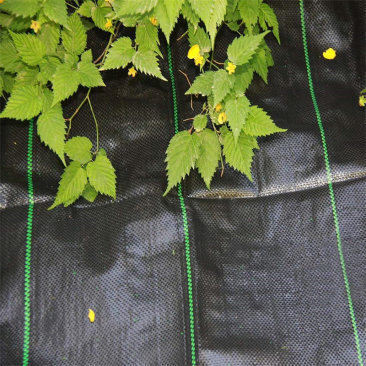
Nonwoven fabrics serve as crop covers, weed control fabrics, and erosion control materials, helping to enhance agricultural productivity.
7.4 Packaging
Nonwoven materials are often used in packaging applications, providing strength and protection while being lightweight and easy to handle.
7.5 Home Textiles
Various nonwoven fabrics, including PP, are used in home textiles such as curtains, upholstery, and bedding, offering style and functionality.
8. Future Trends in Nonwoven Fabrics
As sustainability becomes a central focus across industries, the future of nonwoven fabrics looks promising. Innovations in recycling technologies and the development of bio-based fibers are likely to shape the landscape. Manufacturers are increasingly turning towards eco-friendly practices, producing nonwoven materials that balance performance with environmental responsibility.
Additionally, advancements in manufacturing techniques will lead to even finer and more functional nonwoven fabrics, opening new avenues in healthcare, filtration, and other critical sectors.
9. Frequently Asked Questions
9.1 What is PP nonwoven fabric made of?
PP nonwoven fabric is made from polypropylene, a type of thermoplastic polymer.
9.2 How does PP nonwoven fabric compare to polyester nonwoven fabric?
While both are durable, PP nonwoven fabric is more lightweight and has excellent chemical resistance, whereas polyester is stronger and more heat-resistant.
9.3 Is PP nonwoven fabric biodegradable?
PP nonwoven fabric is not biodegradable but can be recycled under proper conditions.
9.4 What are the primary uses of PP nonwoven fabric?
PP nonwoven fabric is commonly used in medical products, hygiene items, agricultural applications, and packaging.
9.5 How does meltblown nonwoven fabric work?
Meltblown nonwoven fabric is created by extruding melted polymer through fine nozzles to produce a web of fine fibers, making it ideal for filtration applications.
10. Conclusion
In conclusion, PP nonwoven fabric offers a unique combination of properties that make it an excellent choice for various applications across different industries. Its lightweight nature, chemical resistance, and versatility position it as a staple in the world of nonwoven fabrics.
When comparing PP with other nonwoven materials, it’s essential to consider the specific requirements of your application. By understanding the advantages and limitations of each fabric type, you can make informed decisions that will enhance the quality and effectiveness of your products.
As the industry continues to evolve, staying informed about trends and innovations in nonwoven fabrics will ensure that you remain competitive and can provide the best solutions for your customers. With this knowledge in hand, we can confidently navigate the realm of nonwoven materials and harness their potential for a more sustainable and efficient future.
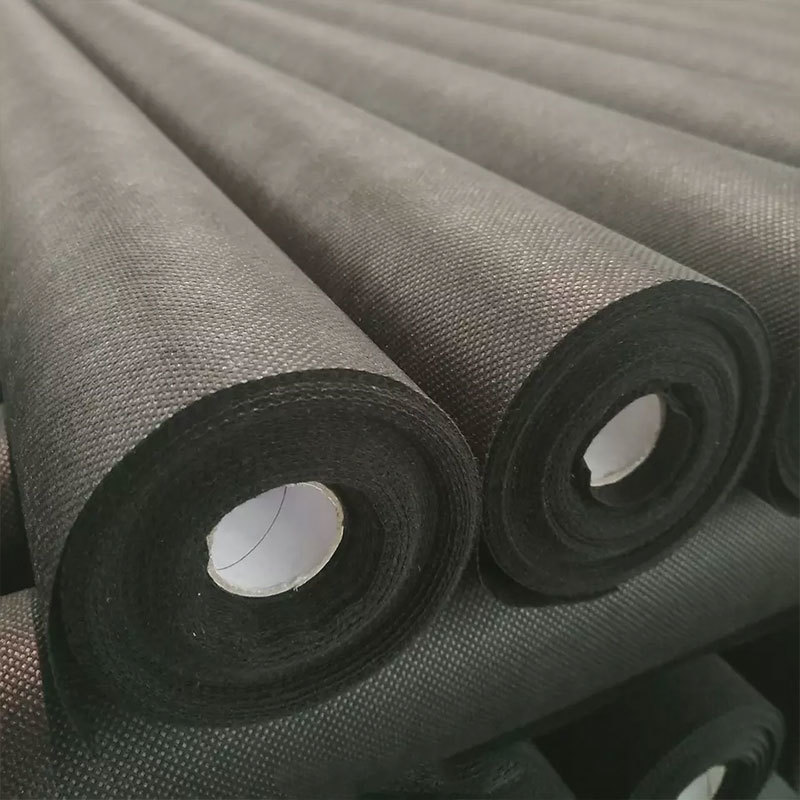
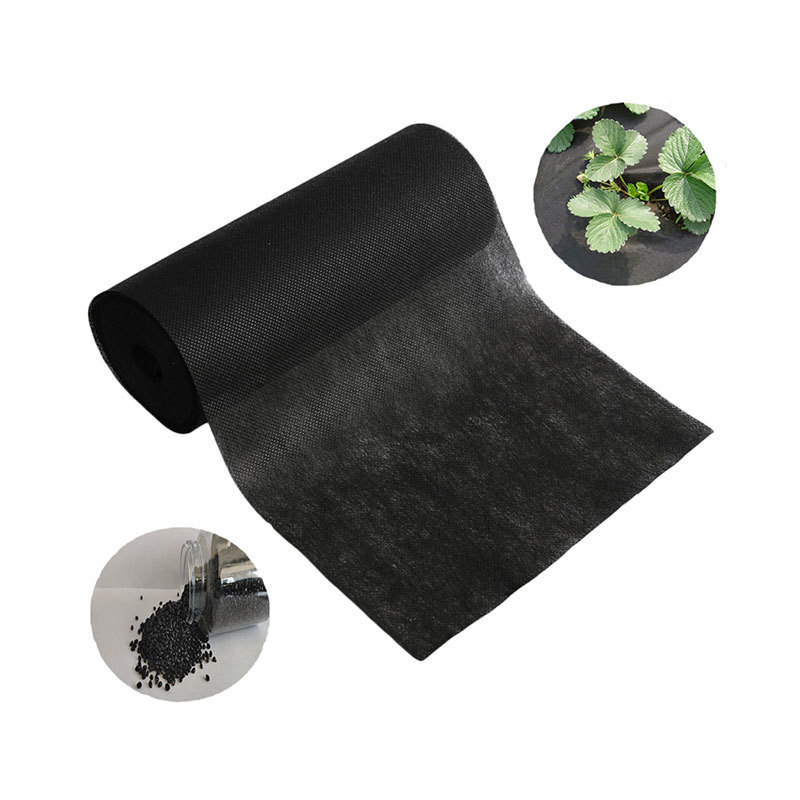
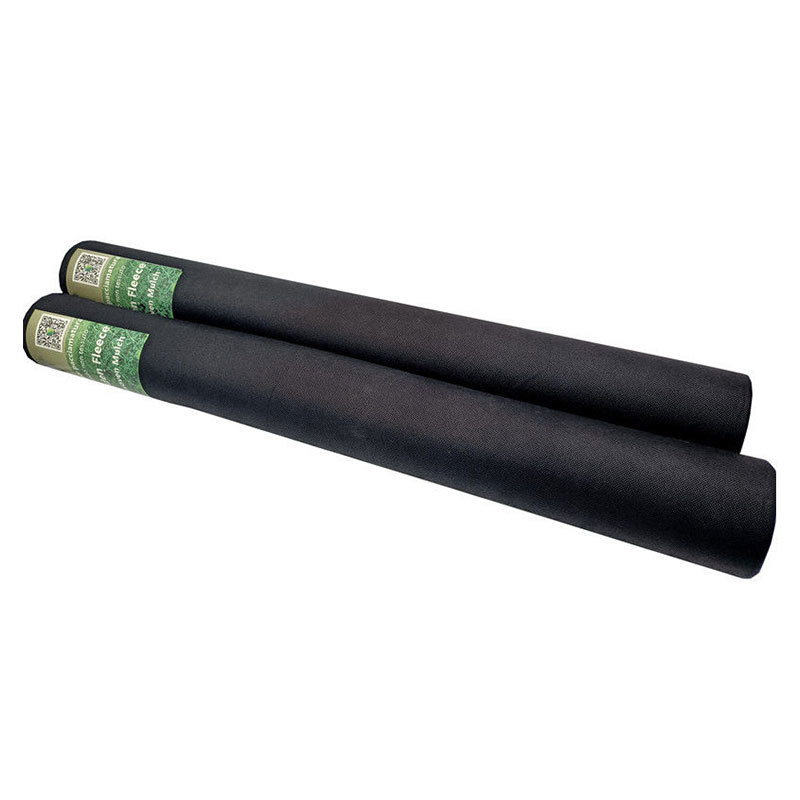
PP nonwoven fabric

LEAVE A MESSAGE
MESSAGE