



29
2026
-
06
The Versatile Properties and Applications of Polypropylene Nonwoven Fabric
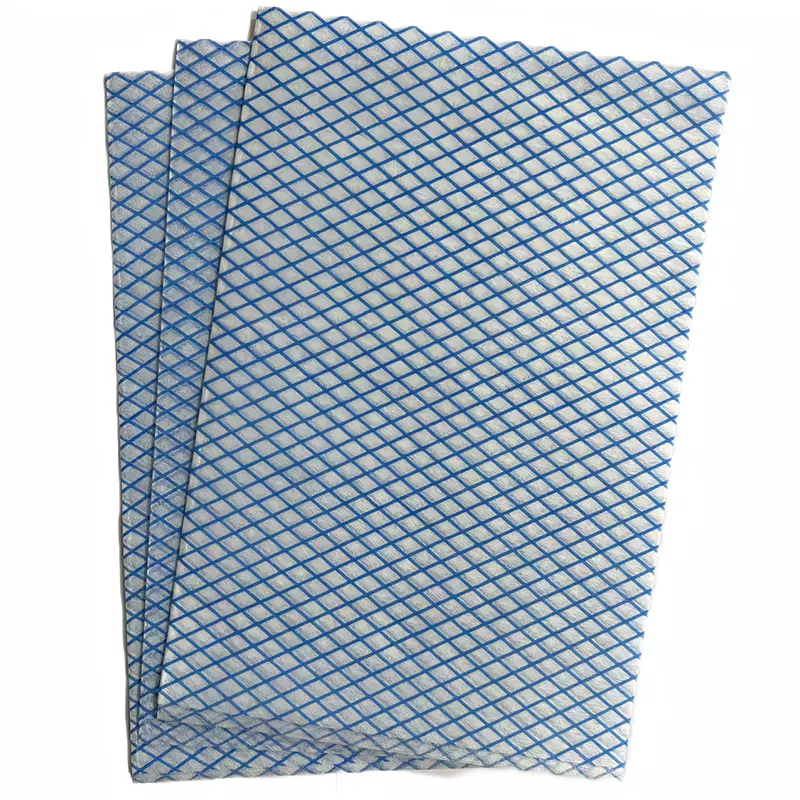
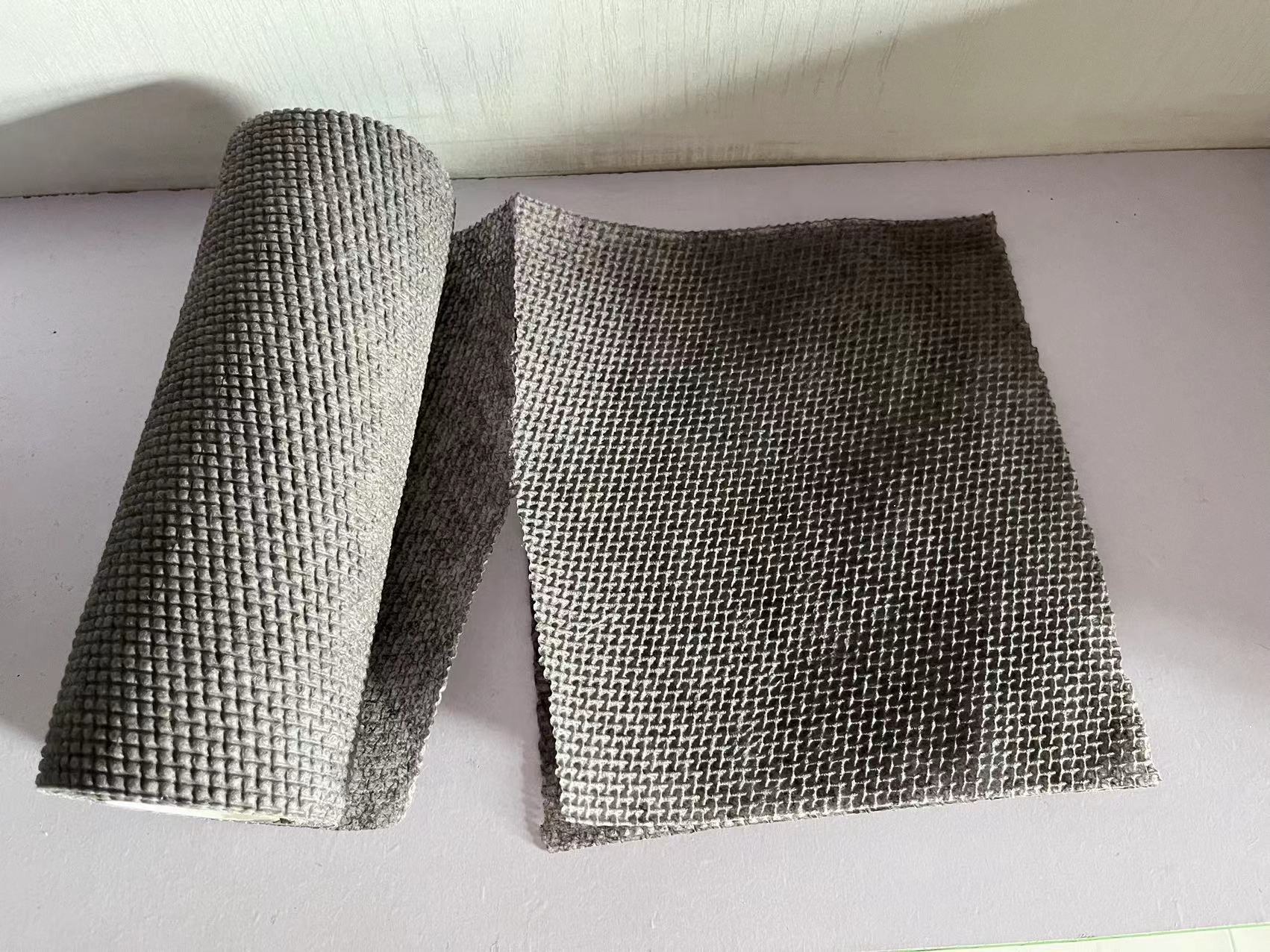
Polypropylene nonwoven fabric is an innovative textile material that has gained significant traction across various industries due to its unique properties and versatility. This type of fabric is produced from polypropylene fibers, which are bonded together through mechanical, thermal, or chemical processes, creating a strong, durable, and lightweight material. One of the primary advantages of po

Polypropylene nonwoven fabric is an innovative textile material that has gained significant traction across various industries due to its unique properties and versatility. This type of fabric is produced from polypropylene fibers, which are bonded together through mechanical, thermal, or chemical processes, creating a strong, durable, and lightweight material.
One of the primary advantages of polypropylene nonwoven fabric is its excellent barrier properties, which make it resistant to water, chemicals, and UV light. This resistance enhances its applicability in various sectors, especially in hygiene products like diapers, feminine hygiene items, and medical textiles such as surgical gowns and masks. The fabric’s hydrophobic nature helps in preventing the absorption of moisture, thus maintaining the integrity and comfort of the products.
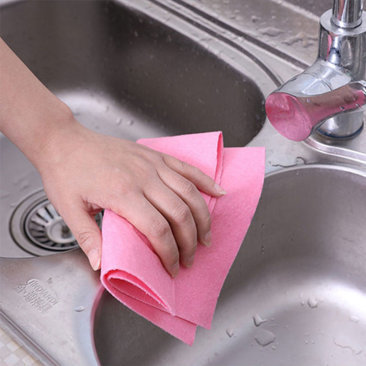
Moreover, polypropylene nonwoven fabric is known for its breathability and softness, making it an ideal choice for applications that require comfort against the skin. This characteristic has made it popular in the production of apparel linings and nonwoven face masks, where breathability is crucial.
In addition to its functional benefits, polypropylene nonwoven fabric is also lightweight, which can significantly reduce shipping costs and enhance user convenience. Furthermore, its low cost and ease of production make it an attractive option for manufacturers looking to balance quality with affordability.
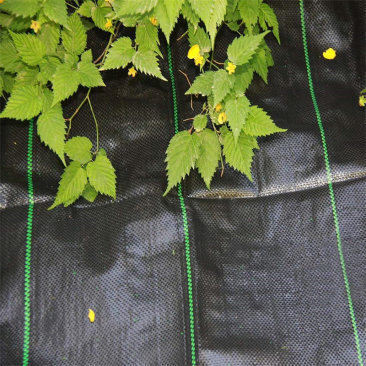
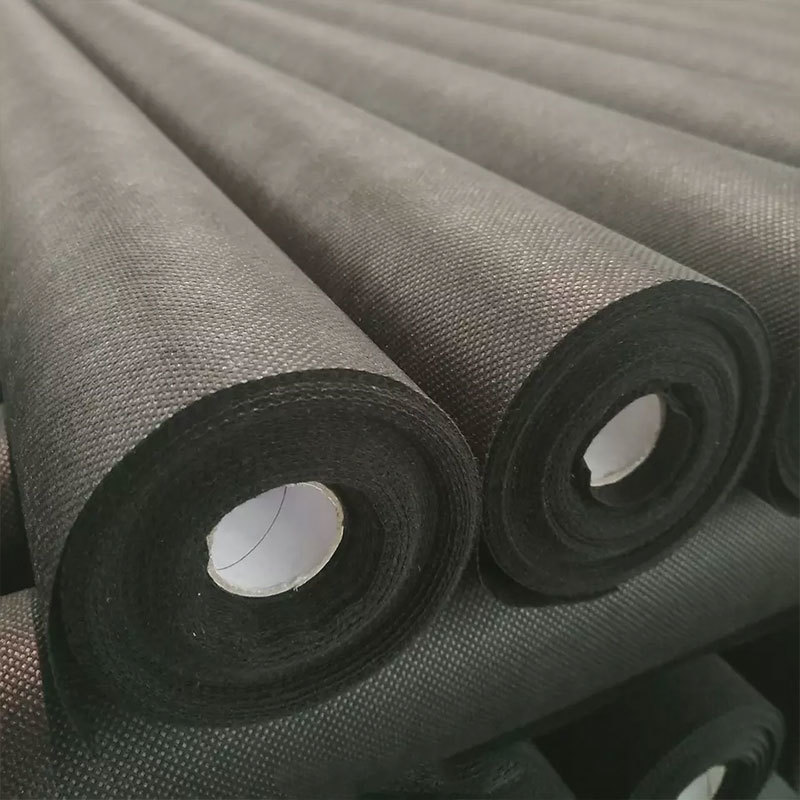
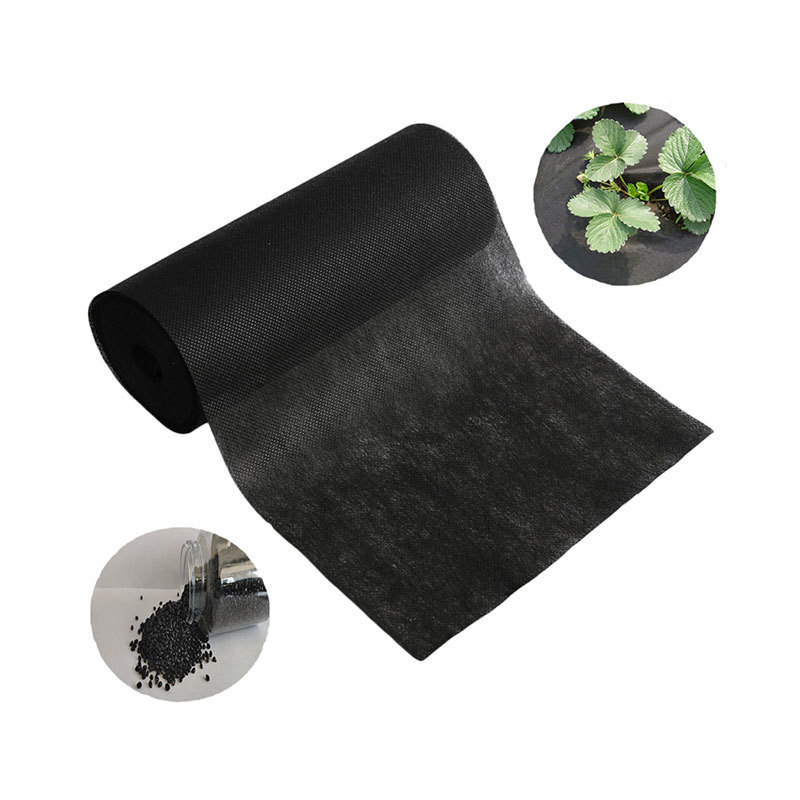
The versatility of polypropylene nonwoven fabric extends beyond hygiene products and apparel. In the agricultural sector, it is used for crop covers, weed control fabrics, and erosion control materials. These applications leverage the fabric's durability and resistance to environmental elements, contributing to sustainable farming practices.
Environmental considerations are also important in the conversation about polypropylene nonwoven fabric. While polypropylene is a synthetic polymer, advancements in recycling technologies are paving the way for more sustainable practices within the industry. Manufacturers are increasingly exploring methods to recycle nonwoven fabrics, reducing waste and promoting a circular economy.
As the textile industry continues to evolve, the demand for polypropylene nonwoven fabric is likely to grow. Its adaptability allows it to be customized for specific applications, catering to the unique needs of various markets. For professionals in the textile industry, understanding the properties and applications of polypropylene nonwoven fabric can unlock new opportunities for product development and innovation.
In conclusion, polypropylene nonwoven fabric stands out due to its exceptional properties, diverse applications, and potential for sustainability. As industries seek innovative solutions, the relevance of this material will undoubtedly continue to expand, making it a key component of modern textiles.
One of the primary advantages of polypropylene nonwoven fabric is its excellent barrier properties, which make it resistant to water, chemicals, and UV light. This resistance enhances its applicability in various sectors, especially in hygiene products like diapers, feminine hygiene items, and medical textiles such as surgical gowns and masks. The fabric’s hydrophobic nature helps in preventing the absorption of moisture, thus maintaining the integrity and comfort of the products.
Moreover, polypropylene nonwoven fabric is known for its breathability and softness, making it an ideal choice for applications that require comfort against the skin. This characteristic has made it popular in the production of apparel linings and nonwoven face masks, where breathability is crucial.
In addition to its functional benefits, polypropylene nonwoven fabric is also lightweight, which can significantly reduce shipping costs and enhance user convenience. Furthermore, its low cost and ease of production make it an attractive option for manufacturers looking to balance quality with affordability.
The versatility of polypropylene nonwoven fabric extends beyond hygiene products and apparel. In the agricultural sector, it is used for crop covers, weed control fabrics, and erosion control materials. These applications leverage the fabric's durability and resistance to environmental elements, contributing to sustainable farming practices.
Environmental considerations are also important in the conversation about polypropylene nonwoven fabric. While polypropylene is a synthetic polymer, advancements in recycling technologies are paving the way for more sustainable practices within the industry. Manufacturers are increasingly exploring methods to recycle nonwoven fabrics, reducing waste and promoting a circular economy.
As the textile industry continues to evolve, the demand for polypropylene nonwoven fabric is likely to grow. Its adaptability allows it to be customized for specific applications, catering to the unique needs of various markets. For professionals in the textile industry, understanding the properties and applications of polypropylene nonwoven fabric can unlock new opportunities for product development and innovation.
In conclusion, polypropylene nonwoven fabric stands out due to its exceptional properties, diverse applications, and potential for sustainability. As industries seek innovative solutions, the relevance of this material will undoubtedly continue to expand, making it a key component of modern textiles.
Polypropylene nonwoven fabric

LEAVE A MESSAGE
MESSAGE