



09
2025
-
03
Understanding PP Spunbond Nonwoven Fabric: Essential Insights for the Textile Industry
PP spunbond nonwoven fabric is a remarkable material that has gained prominence in the textile sector due to its unique properties and versatility. Made from polypropylene (PP) fibers, this nonwoven fabric is created through a process known as spunbonding, where thermoplastic polymers are extruded and then laid out into a web, subsequently bonded together by heat and pressure. This process results

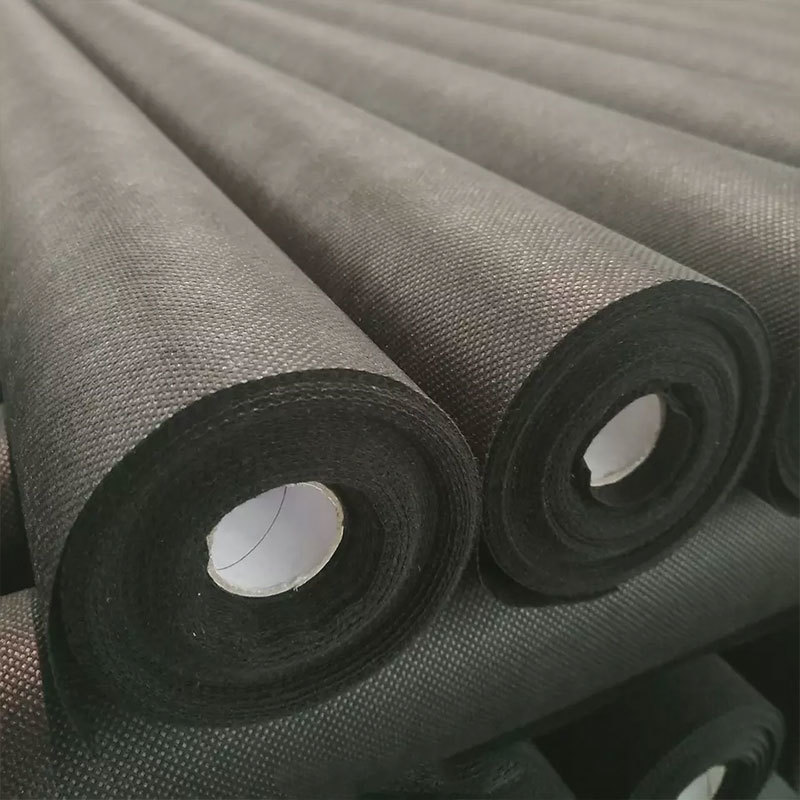
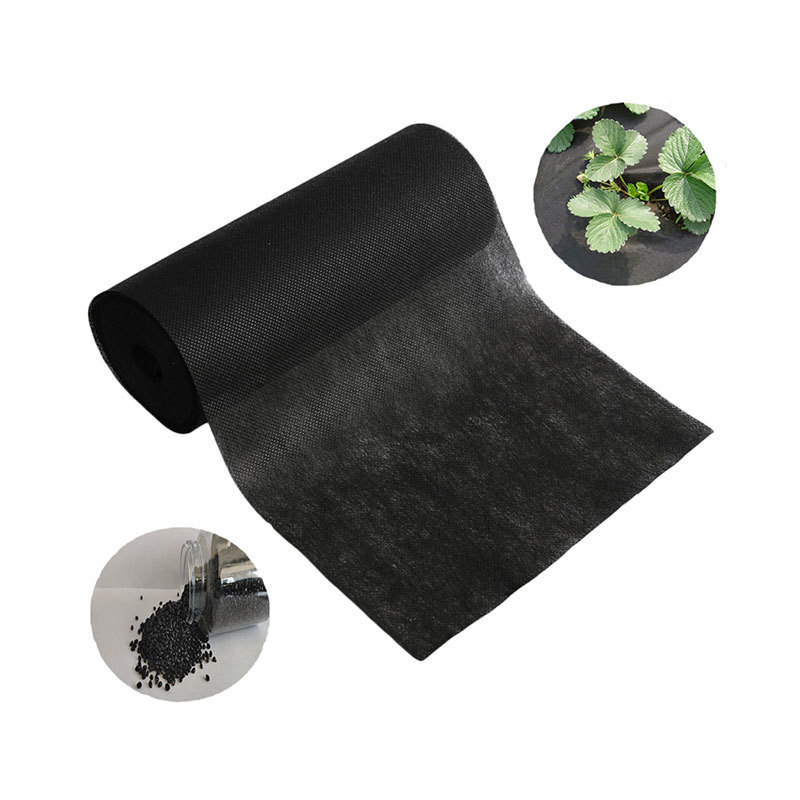
PP spunbond nonwoven fabric is a remarkable material that has gained prominence in the textile sector due to its unique properties and versatility. Made from polypropylene (PP) fibers, this nonwoven fabric is created through a process known as spunbonding, where thermoplastic polymers are extruded and then laid out into a web, subsequently bonded together by heat and pressure. This process results in a strong, durable, and lightweight fabric that possesses a myriad of applications.
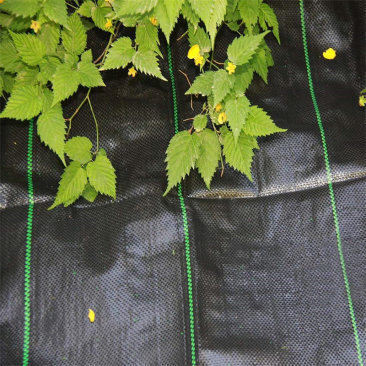
One of the standout features of PP spunbond nonwoven fabric is its excellent tensile strength. This strength makes it ideal for a variety of applications, from medical and hygiene products to agricultural and industrial uses. For example, in the healthcare sector, it is commonly used for surgical gowns, masks, and other personal protective equipment due to its barrier properties and resistance to liquids and microbes. In agriculture, the fabric serves as a protective cover for crops, helping to maintain temperature and humidity while allowing sunlight and moisture to reach the plants.
In addition to strength, PP spunbond nonwoven fabric is known for its breathability, which is crucial in applications where comfort and moisture management are important. This characteristic is particularly valued in hygiene products such as diapers and feminine hygiene products, where breathability combined with liquid repellence enhances user comfort.
Environmentally, PP spunbond nonwoven fabric also has its advantages. While made from synthetic materials, it is recyclable and can be repurposed in various ways, contributing to sustainable practices in the textile industry. The ability to produce this fabric in various colors and patterns also allows for creativity in design, making it suitable for fashion and home textile applications.
Another point of interest is the cost-effectiveness of PP spunbond nonwoven fabric. Its production process is efficient, enabling bulk manufacturing while maintaining quality, which can lead to savings for manufacturers and consumers alike.
In conclusion, PP spunbond nonwoven fabric is a pivotal material in the textile industry, valued for its strength, versatility, and environmental benefits. As industries continue to seek innovative solutions, the demand for this fabric is likely to grow, cementing its role in shaping the future of textiles. Understanding its properties and applications can provide valuable insights for businesses looking to leverage this extraordinary material effectively.
One of the standout features of PP spunbond nonwoven fabric is its excellent tensile strength. This strength makes it ideal for a variety of applications, from medical and hygiene products to agricultural and industrial uses. For example, in the healthcare sector, it is commonly used for surgical gowns, masks, and other personal protective equipment due to its barrier properties and resistance to liquids and microbes. In agriculture, the fabric serves as a protective cover for crops, helping to maintain temperature and humidity while allowing sunlight and moisture to reach the plants.
In addition to strength, PP spunbond nonwoven fabric is known for its breathability, which is crucial in applications where comfort and moisture management are important. This characteristic is particularly valued in hygiene products such as diapers and feminine hygiene products, where breathability combined with liquid repellence enhances user comfort.
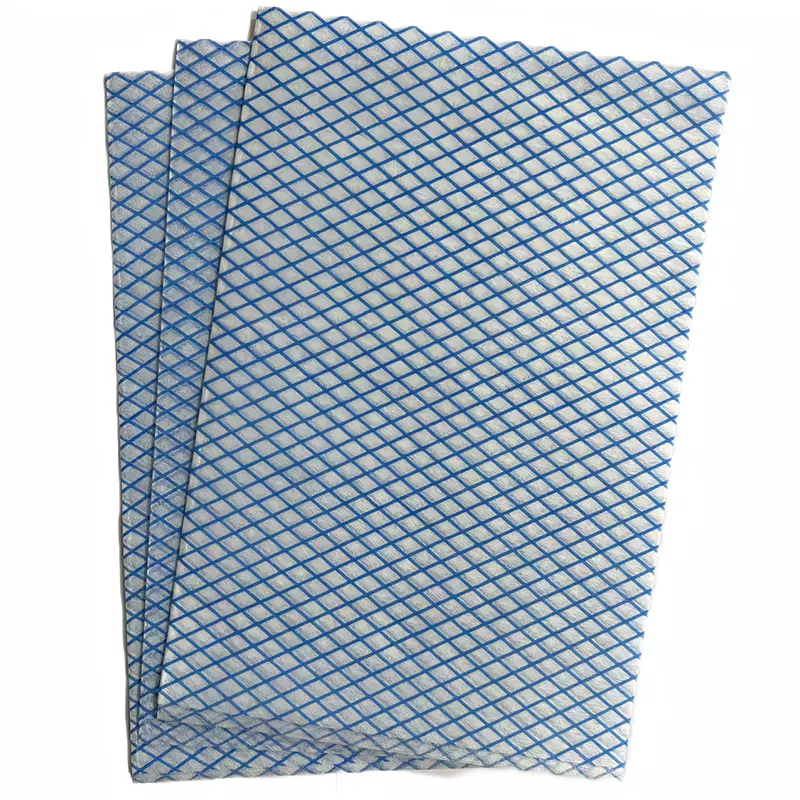
Environmentally, PP spunbond nonwoven fabric also has its advantages. While made from synthetic materials, it is recyclable and can be repurposed in various ways, contributing to sustainable practices in the textile industry. The ability to produce this fabric in various colors and patterns also allows for creativity in design, making it suitable for fashion and home textile applications.
Another point of interest is the cost-effectiveness of PP spunbond nonwoven fabric. Its production process is efficient, enabling bulk manufacturing while maintaining quality, which can lead to savings for manufacturers and consumers alike.
In conclusion, PP spunbond nonwoven fabric is a pivotal material in the textile industry, valued for its strength, versatility, and environmental benefits. As industries continue to seek innovative solutions, the demand for this fabric is likely to grow, cementing its role in shaping the future of textiles. Understanding its properties and applications can provide valuable insights for businesses looking to leverage this extraordinary material effectively.
pp spunbond nonwoven fabric

LEAVE A MESSAGE
MESSAGE