



14
2025
-
03
Exploring the Cost-Effectiveness of Permeable Landscape Fabric: A Comprehensive Guide
Exploring the Cost-Effectiveness of Permeable Landscape Fabric Permeable landscape fabric has emerged as a favored choice for both professional landscapers and DIY enthusiasts. With its ability to promote drainage, control weeds, and support plant health, it's essential to understand the financial implications of using this material. In this article, we delve into its cost-effectiveness, examining

Exploring the Cost-Effectiveness of Permeable Landscape Fabric
Permeable landscape fabric has emerged as a favored choice for both professional landscapers and DIY enthusiasts. With its ability to promote drainage, control weeds, and support plant health, it's essential to understand the financial implications of using this material. In this article, we delve into its cost-effectiveness, examining both initial investments and long-term returns.
What is Permeable Landscape Fabric?
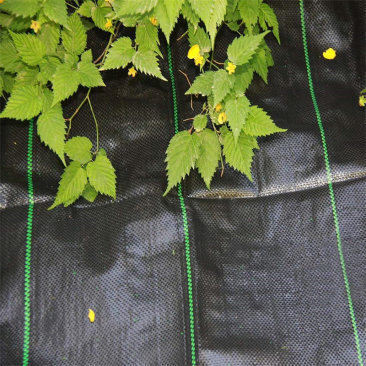
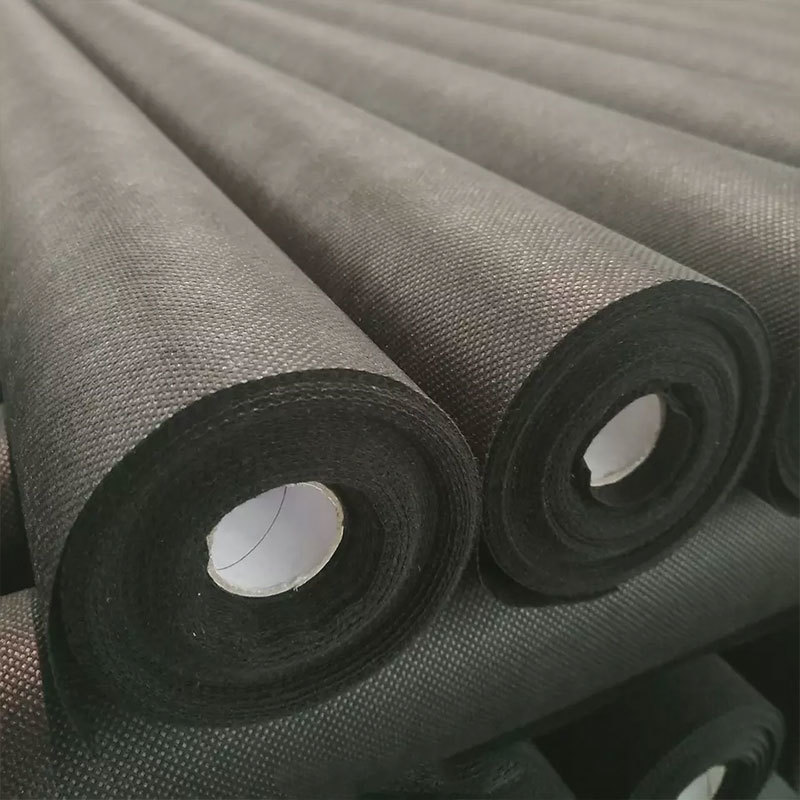
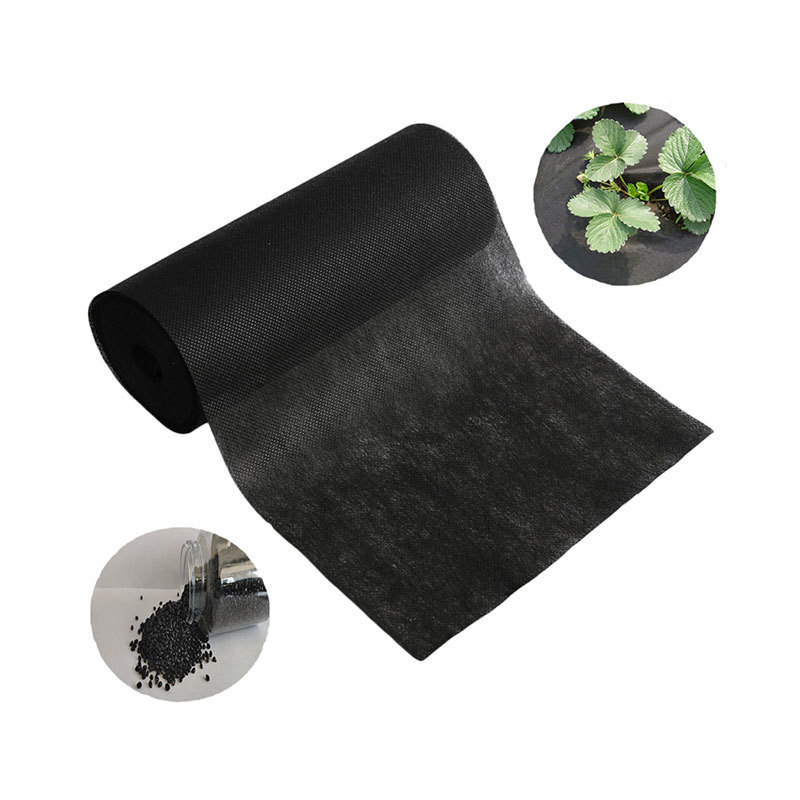
Permeable landscape fabric is a geotextile material designed to allow water, air, and nutrients to pass through while preventing the growth of weeds. Its primary purpose is to create a barrier that supports soil stability and promotes healthy plant growth. This innovative material is commonly used in landscaping projects, erosion control, and drainage systems.
Types of Permeable Landscape Fabric
Understanding the various types of permeable landscape fabric can help you choose the right one for your project. Here are the most common options:
1. Woven Fabric
Woven landscape fabric is made by intertwining synthetic fibers, creating a robust layer that provides excellent durability and resistance to punctures. This type is suitable for applications requiring strength and longevity.
2. Non-Woven Fabric
Non-woven fabric is constructed by bonding fibers together through heat or chemical processes. It offers superior filtration and drainage, making it ideal for areas with poor soil conditions.
3. Biodegradable Fabric
These eco-friendly options are made from natural materials and are designed to decompose over time. They are perfect for temporary projects where long-term durability is not a concern.
Initial Cost of Permeable Landscape Fabric
The upfront cost of permeable landscape fabric can vary significantly based on several factors, including material type, project size, and regional pricing variations. Here’s what to expect:
Material Costs
On average, permeable landscape fabric costs between $0.50 to $1.50 per square foot. Higher quality, woven options tend to be on the pricier end, while non-woven and biodegradable fabrics may be more affordable.
Installation Costs
If you're hiring professionals, installation costs can add an additional $1 to $3 per square foot. However, many homeowners opt for DIY installations, reducing costs significantly. The primary expenses for DIY projects often include tools, adhesives, and additional materials like mulch or gravel.
Long-Term Benefits of Using Permeable Landscape Fabric
While the initial investment may seem significant, the long-term savings and benefits make permeable landscape fabric a solid choice.
1. Reduced Maintenance Costs
One of the most significant advantages of using permeable landscape fabric is the reduction in maintenance costs. By preventing weed growth, you can save on herbicides and labor associated with regular weeding.
2. Improved Soil Health
Permeable fabric allows for better airflow and water drainage, promoting healthier soil. This can lead to lower costs in fertilizers and soil amendments, as healthier soil requires fewer resources to maintain.
3. Enhanced Drainage Solutions
In areas prone to flooding or water pooling, permeable landscape fabric helps manage excess water effectively. This can prevent costly property damage and reduce the need for expensive drainage solutions.
Environmental Benefits of Permeable Landscape Fabric
Beyond its cost-effectiveness, permeable landscape fabric offers various environmental advantages.
1. Sustainable Water Management
By allowing rainwater to penetrate the soil, permeable landscape fabric contributes to groundwater replenishment, promoting sustainable water management practices.
2. Erosion Control
The fabric helps stabilize soil, preventing erosion on slopes and in gardens. This natural approach reduces the need for chemical erosion control methods, contributing to a healthier ecosystem.
3. Supporting Biodiversity
By enhancing soil conditions, permeable landscape fabric supports a range of plant life, which in turn attracts various fauna, fostering a vibrant ecosystem.
Case Studies: Real-World Applications of Permeable Landscape Fabric
Examining real-world applications can provide insight into the effectiveness and cost savings of permeable landscape fabric.
1. Residential Landscaping
Many homeowners have reported significant reductions in garden maintenance and improvements in plant health after using permeable landscape fabric. One homeowner in Michigan installed fabric beneath mulch in their flower beds, leading to a 50% decrease in weeding time.
2. Commercial Projects
In commercial settings, permeable landscape fabric has been used in parking lots and commercial landscaping. Businesses have noted lower repair costs associated with drainage problems and improved aesthetics due to healthier plant life.
Conclusion
Permeable landscape fabric stands out as a cost-effective option for both residential and commercial projects. Its initial investment is outweighed by long-term savings on maintenance, improved soil health, and environmental benefits. By understanding the different types and applications, you can make informed decisions that enhance your outdoor spaces while being mindful of your budget. Transitioning to permeable landscape fabric not only promotes sustainable landscaping practices but also ensures a thriving ecosystem for years to come.
FAQs about Permeable Landscape Fabric
1. How long does permeable landscape fabric last?
With proper installation and maintenance, permeable landscape fabric can last anywhere from 5 to 25 years, depending on the material used.
2. Can I use permeable landscape fabric in all soil types?
Yes, permeable landscape fabric can be used in various soil types, but it's particularly effective in sandy or loamy soils that benefit from improved drainage.
3. Does permeable landscape fabric prevent all weed growth?
While permeable landscape fabric significantly reduces weed growth, it may not prevent all types. Some persistent weeds can still penetrate through the fabric.
4. Is permeable landscape fabric environmentally friendly?
Yes, many permeable landscape fabrics are made from recycled materials, and they support sustainable water management practices, making them an environmentally friendly choice.
5. What is the best way to install permeable landscape fabric?
To install permeable landscape fabric properly, clear the area of debris, lay the fabric flat, and secure it with landscape staples. Add a layer of mulch or gravel on top for optimal results.
permeable landscape fabric

LEAVE A MESSAGE
MESSAGE