



16
2025
-
03
Transform Your Landscaping with Durable Woven Ground Cover Fabric
Transform Your Landscaping with Durable Woven Ground Cover Fabric Landscaping is an art that combines nature and design, and it's essential to use the right materials to achieve stunning results. One material that has gained significant attention in recent years is woven ground cover fabric. This durable, versatile fabric offers numerous benefits that can elevate your landscaping projects and simp

Transform Your Landscaping with Durable Woven Ground Cover Fabric
Landscaping is an art that combines nature and design, and it's essential to use the right materials to achieve stunning results. One material that has gained significant attention in recent years is woven ground cover fabric. This durable, versatile fabric offers numerous benefits that can elevate your landscaping projects and simplify maintenance. In this comprehensive guide, we will delve into the ins and outs of woven ground cover fabric, its applications, installation techniques, and maintenance practices that will ensure your outdoor spaces flourish.
Table of Contents
- What Is Woven Ground Cover Fabric?
- Benefits of Using Woven Ground Cover Fabric
- Applications of Woven Ground Cover Fabric in Landscaping
- How to Install Woven Ground Cover Fabric
- Maintenance Guidelines for Woven Ground Cover Fabric
- Common Mistakes to Avoid When Using Woven Ground Cover Fabric
- Cost Considerations for Woven Ground Cover Fabric
- Frequently Asked Questions
What Is Woven Ground Cover Fabric?
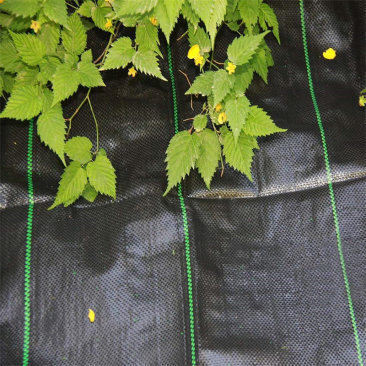
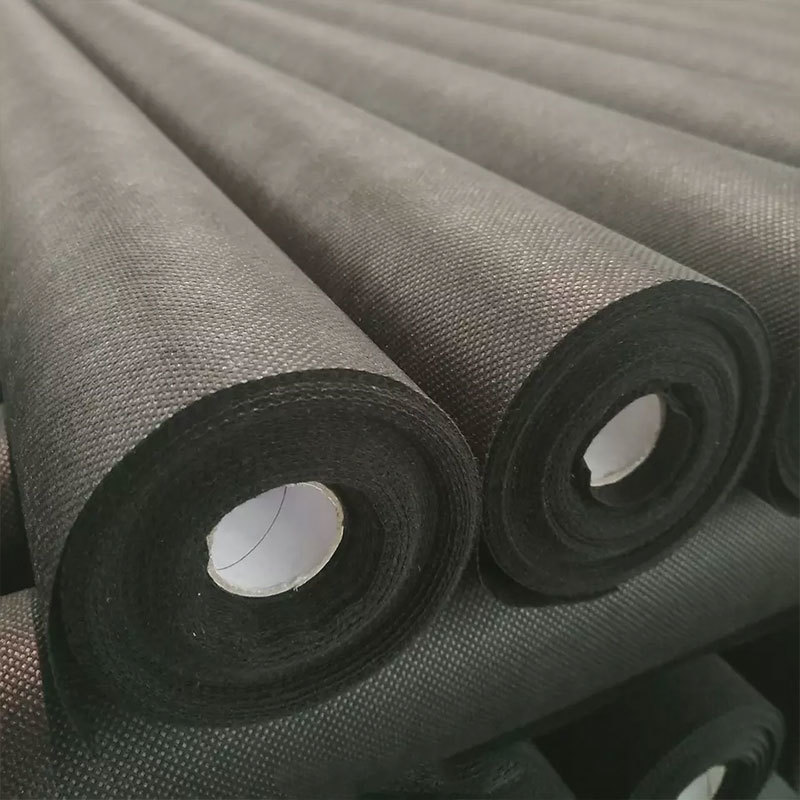
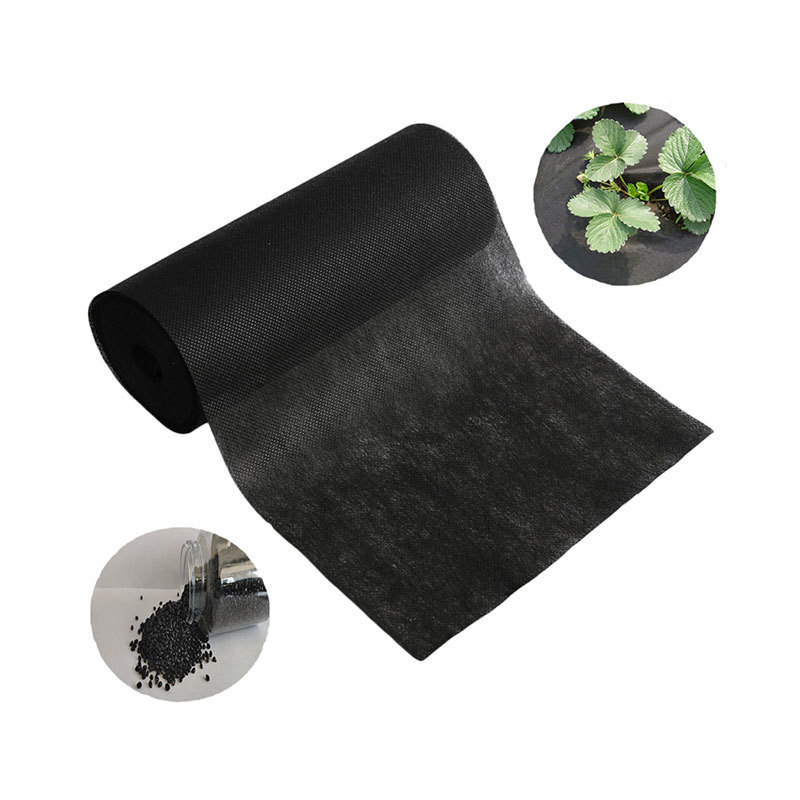
Woven ground cover fabric, also known as landscape fabric or geotextile fabric, is a porous material made from polypropylene or polyester fibers. Unlike non-woven fabrics, woven varieties feature interlaced fibers that provide strength and durability while allowing air and water to permeate. This unique structure makes it an ideal choice for various landscaping applications, as it effectively suppresses weed growth, retains soil moisture, and enhances soil temperature control.
Understanding the Composition of Woven Ground Cover Fabric
The composition of woven ground cover fabric is crucial to its performance. Typically made from UV-stabilized synthetic fibers, this fabric is resistant to degradation caused by sun exposure and moisture. Its woven nature ensures that it can withstand heavy foot traffic and is particularly beneficial in areas where durability is paramount, such as garden pathways, flower beds, and erosion-prone slopes.
Benefits of Using Woven Ground Cover Fabric
Choosing to incorporate woven ground cover fabric into your landscaping projects comes with a multitude of advantages:
1. Effective Weed Control
Woven ground cover fabric serves as a barrier against weeds, preventing them from accessing sunlight and nutrients. By suppressing weed growth, this fabric reduces the need for chemical herbicides, promoting a healthier ecosystem.
2. Soil Moisture Retention
The fabric allows water to pass through while minimizing evaporation, thus retaining essential moisture in the soil. This capability ensures your plants receive the hydration they need to thrive, particularly during dry spells.
3. Erosion Prevention
In areas prone to soil erosion, woven ground cover fabric acts as a stabilizing agent. It helps hold the soil in place while facilitating water drainage, reducing runoff and the risk of soil loss.
4. Enhanced Soil Temperature Regulation
This fabric can help maintain consistent soil temperatures, creating a more favorable environment for plant growth. In colder climates, it reduces frost penetration, while in warmer regions, it can prevent overheating.
5. Versatile Applications
Woven ground cover fabric is suitable for a wide range of applications, from garden beds and pathways to under patios and retaining walls. Its versatility makes it a go-to choice for landscapers and DIY enthusiasts alike.
Applications of Woven Ground Cover Fabric in Landscaping
Woven ground cover fabric is a multi-functional material that can be utilized in various landscaping scenarios:
1. Garden Beds
By laying this fabric in garden beds, you can effectively keep weeds at bay while allowing water and nutrients to reach your plants’ roots. It creates an ideal growing environment for vegetables, flowers, and shrubs.
2. Pathways and Walkways
Installing woven ground cover fabric beneath gravel or mulch pathways helps prevent weed growth while providing a solid foundation. It can withstand the pressure of foot traffic, ensuring your paths remain clear and attractive.
3. Landscaping Underlayment
When laying stone, pavers, or bricks, using woven ground cover fabric as an underlayment helps stabilize the materials and reduces shifting over time. This application is vital for maintaining the integrity of hardscapes.
4. Erosion Control on Slopes
For landscaped slopes, this fabric is essential in preventing erosion. It holds soil in place while allowing water to drain, significantly reducing runoff and promoting healthy vegetation growth.
How to Install Woven Ground Cover Fabric
Proper installation is crucial for maximizing the effectiveness of woven ground cover fabric. Here’s a step-by-step guide:
Step 1: Prepare the Area
Begin by clearing the area of debris, weeds, and rocks. Ensure the soil is level and well-aerated to promote healthy plant growth.
Step 2: Measure and Cut the Fabric
Measure the area where you want to install the fabric. Cut the woven ground cover fabric to size, allowing for some overlap if you are covering a larger area. Typically, overlapping seams by at least 6 inches will provide better weed control.
Step 3: Lay the Fabric
Place the fabric over the prepared area, ensuring it’s smooth and flat without any wrinkles. If you are working on a slope, lay the fabric from the top down, securing it with landscape stakes if necessary.
Step 4: Secure the Edges
Use landscape pins or stakes to secure the edges of the fabric to the ground. This step is crucial to prevent wind from lifting it and to maintain its position during installation.
Step 5: Apply Mulch or Gravel
Cover the fabric with a layer of mulch, gravel, or soil, depending on your landscaping vision. This additional layer will not only enhance aesthetics but also protect the fabric from UV rays and physical damage.
Maintenance Guidelines for Woven Ground Cover Fabric
Although woven ground cover fabric requires minimal maintenance, a few practices can extend its lifespan and effectiveness:
1. Regular Inspections
Inspect the fabric periodically for signs of wear, tears, or shifts in position. Address any issues promptly to maintain its effectiveness.
2. Clean Debris
Remove any fallen leaves, branches, or organic debris that may accumulate on top of the fabric. This practice prevents the buildup of moisture that could encourage weed growth.
3. Reapply Mulch
As mulch breaks down over time, it’s essential to replenish it to ensure continued protection for the woven fabric and optimal aesthetics.
Common Mistakes to Avoid When Using Woven Ground Cover Fabric
To maximize the benefits of woven ground cover fabric, avoid these common pitfalls:
1. Skipping Soil Preparation
Failing to adequately prepare the soil can lead to poor results. Always ensure the area is clear of weeds, rocks, and debris before installation.
2. Inadequate Overlap
Ensure that overlapping seams are substantial enough to prevent weeds from sneaking through. Aim for at least 6 inches of overlap.
3. Not Using Enough Weight
Insufficient weight on the fabric can cause it to shift or lift during harsh weather. Use appropriate landscape pins or stakes to secure it firmly.
Cost Considerations for Woven Ground Cover Fabric
The cost of woven ground cover fabric can vary based on several factors, including quality, thickness, and brand. On average, you might expect to pay between $0.50 to $1.50 per square foot. Consider the following when budgeting for your project:
1. Material Quality
Higher quality fabrics may have a higher upfront cost but can offer better durability and longevity, ultimately saving you money in the long run.
2. Project Size
Calculate the total area you need to cover to get a precise estimate. Larger projects may benefit from bulk purchasing options.
3. Installation Costs
If you plan to hire professionals, factor in installation costs as part of your overall budget. However, with a bit of DIY effort, you can significantly reduce expenses.
Frequently Asked Questions
1. Can I use woven ground cover fabric for my vegetable garden?
Yes, woven ground cover fabric is an excellent choice for vegetable gardens as it suppresses weeds while allowing air and moisture to reach the plants.
2. How long does woven ground cover fabric last?
With proper installation and maintenance, woven ground cover fabric can last for several years, typically 5 to 10 years, depending on environmental conditions.
3. Is woven ground cover fabric environmentally friendly?
Many woven ground cover fabrics are made from recyclable materials and are designed to be UV-resistant, minimizing their environmental impact.
4. Can I plant directly on top of woven ground cover fabric?
While you can plant through the fabric, it’s recommended to cut slits or holes for planting. This ensures plants get adequate soil contact while still enjoying the benefits of the fabric.
5. What should I do if the fabric tears?
If the woven ground cover fabric tears, you can patch the area with a piece of fabric, making sure it overlaps with the existing material to maintain weed control.
Conclusion
Incorporating durable woven ground cover fabric into your landscaping projects can transform your outdoor spaces dramatically. From effective weed control and moisture retention to erosion prevention and versatile applications, this material offers a myriad of benefits that enhance not only the aesthetics but also the health of your landscape. By following proper installation and maintenance practices, you can ensure that your fabric remains effective and your landscaping thrives for years to come. Embrace the power of woven ground cover fabric and take your landscaping to the next level!
woven ground cover fabric

LEAVE A MESSAGE
MESSAGE