



21
2025
-
03
Understanding Polypropylene Nonwoven Fabric: A Comprehensive Guide for Industry Professionals
Polypropylene nonwoven fabric is a synthetic textile made from polypropylene fibers, known for its unique properties and wide range of applications. This material is created through a process that involves bonding fibers together using heat, chemicals, or mechanical means, resulting in a fabric that is both lightweight and durable. Due to its versatility and performance characteristics, polypropyl

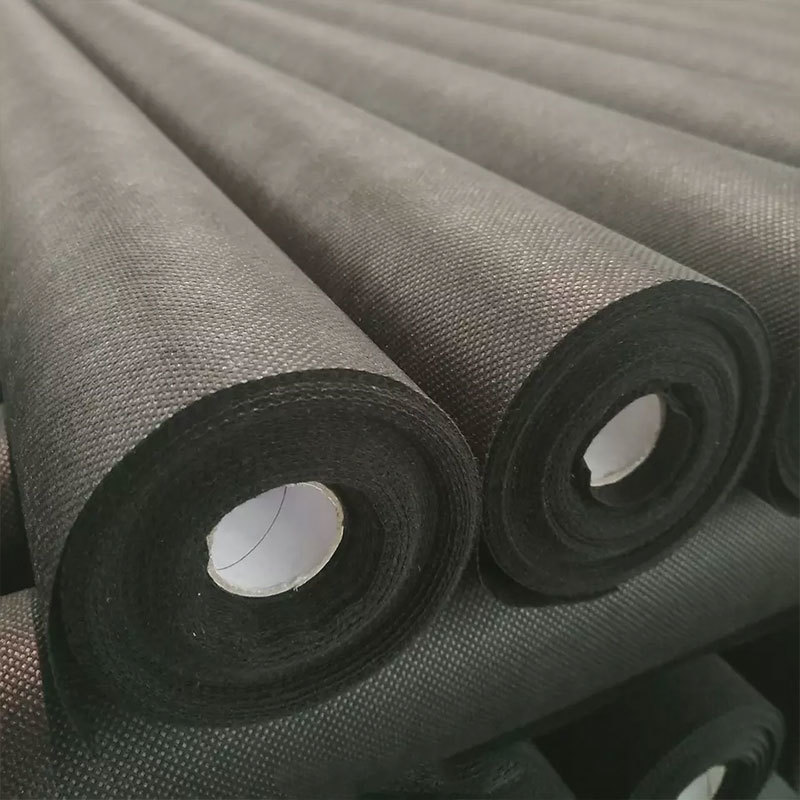
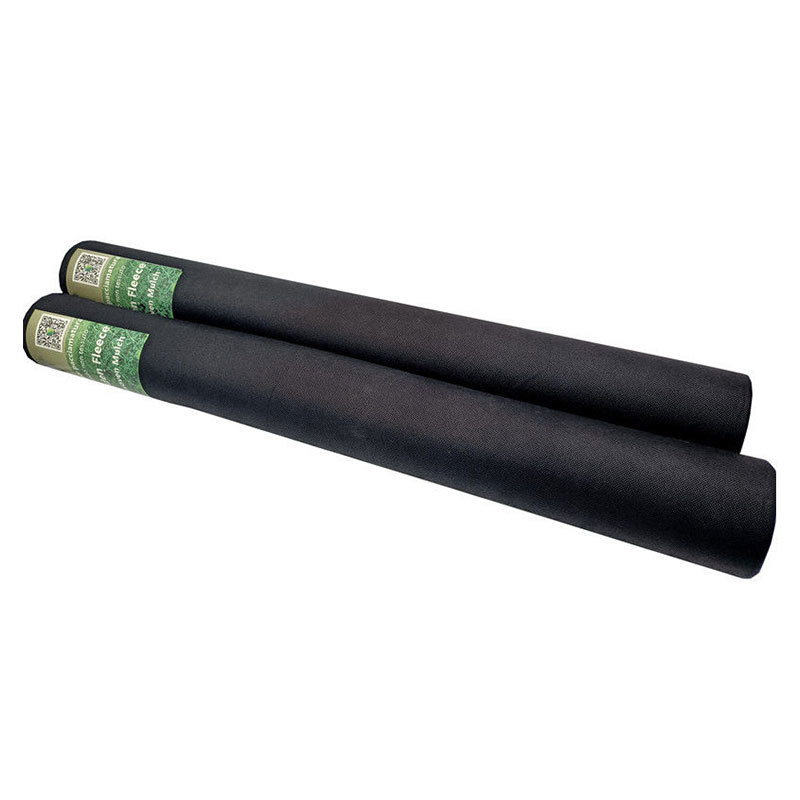
Polypropylene nonwoven fabric is a synthetic textile made from polypropylene fibers, known for its unique properties and wide range of applications. This material is created through a process that involves bonding fibers together using heat, chemicals, or mechanical means, resulting in a fabric that is both lightweight and durable. Due to its versatility and performance characteristics, polypropylene nonwoven fabric has become an essential component in various industries, including healthcare, agriculture, and consumer goods.
One of the key advantages of polypropylene nonwoven fabric is its excellent resistance to moisture and chemicals. This makes it ideal for applications such as medical gowns, masks, and other personal protective equipment (PPE). The fabric's breathable nature allows for comfort during prolonged wear, which is crucial in healthcare settings. Additionally, its hydrophobic properties prevent the absorption of liquids, ensuring that the protective gear maintains its integrity in challenging environments.
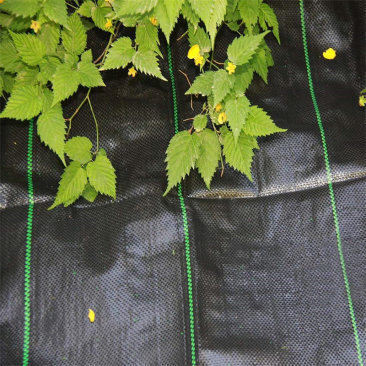
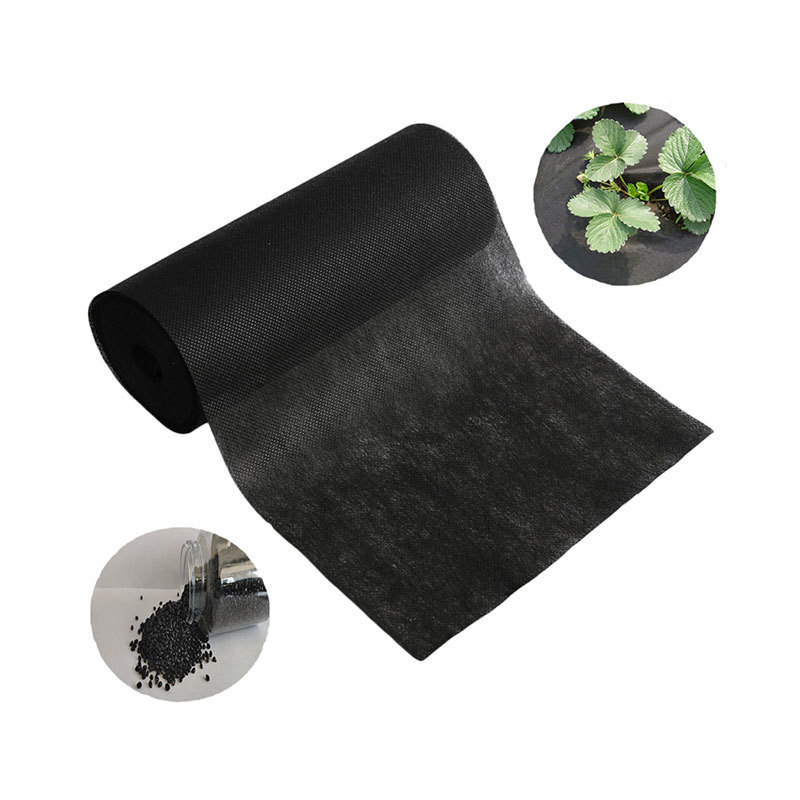
Polypropylene nonwoven fabric is also widely used in the agricultural sector. Its use as a weed barrier and mulch film helps in soil preservation and crop protection, promoting sustainable farming practices. The fabric allows for water and air permeability while preventing weed growth, contributing to healthier plant growth and increased agricultural yields.
Furthermore, the environmental impact of polypropylene nonwoven fabric is worth noting. While polypropylene is a petroleum-based product, advancements in recycling techniques have led to more sustainable practices within the industry. Many manufacturers are now exploring ways to recycle used nonwoven products, thereby reducing waste and promoting a circular economy. It’s important for industry professionals to stay informed about these advancements to align with sustainability goals.
In addition to its practical applications, polypropylene nonwoven fabric is also favored for its cost-effectiveness. The production process is generally less expensive compared to traditional woven fabrics, allowing for competitive pricing in consumer markets. This affordability, combined with its performance capabilities, makes polypropylene nonwoven fabric an attractive option for manufacturers looking to balance quality and cost.
In conclusion, polypropylene nonwoven fabric is a crucial material in the textile industry, offering numerous benefits across various applications. Its resistance to moisture and chemicals, combined with its lightweight and durable nature, makes it a preferred choice for many professionals. As the industry evolves, staying updated on the latest innovations and sustainable practices related to polypropylene nonwoven fabric will be essential for maintaining competitive advantages and fostering growth in your business.
One of the key advantages of polypropylene nonwoven fabric is its excellent resistance to moisture and chemicals. This makes it ideal for applications such as medical gowns, masks, and other personal protective equipment (PPE). The fabric's breathable nature allows for comfort during prolonged wear, which is crucial in healthcare settings. Additionally, its hydrophobic properties prevent the absorption of liquids, ensuring that the protective gear maintains its integrity in challenging environments.
Polypropylene nonwoven fabric is also widely used in the agricultural sector. Its use as a weed barrier and mulch film helps in soil preservation and crop protection, promoting sustainable farming practices. The fabric allows for water and air permeability while preventing weed growth, contributing to healthier plant growth and increased agricultural yields.
Furthermore, the environmental impact of polypropylene nonwoven fabric is worth noting. While polypropylene is a petroleum-based product, advancements in recycling techniques have led to more sustainable practices within the industry. Many manufacturers are now exploring ways to recycle used nonwoven products, thereby reducing waste and promoting a circular economy. It’s important for industry professionals to stay informed about these advancements to align with sustainability goals.
In addition to its practical applications, polypropylene nonwoven fabric is also favored for its cost-effectiveness. The production process is generally less expensive compared to traditional woven fabrics, allowing for competitive pricing in consumer markets. This affordability, combined with its performance capabilities, makes polypropylene nonwoven fabric an attractive option for manufacturers looking to balance quality and cost.
In conclusion, polypropylene nonwoven fabric is a crucial material in the textile industry, offering numerous benefits across various applications. Its resistance to moisture and chemicals, combined with its lightweight and durable nature, makes it a preferred choice for many professionals. As the industry evolves, staying updated on the latest innovations and sustainable practices related to polypropylene nonwoven fabric will be essential for maintaining competitive advantages and fostering growth in your business.
Polypropylene nonwoven fabric

LEAVE A MESSAGE
MESSAGE