




03
2025
-
04
Cost-Effective Weed Control Solutions: Ground Fabric Insights for Your Landscaping Needs
Cost-Effective Weed Control Solutions: Ground Fabric Insights for Your Landscaping Needs Introduction to Ground Fabric for Weed Control Weeds can be a gardener's worst nightmare, invading flower beds, vegetable patches, and landscaped areas. Controlling weeds without breaking the bank is essential for any landscaping project, whether for residential gardens or larger agricultural endeavors. Ground

Cost-Effective Weed Control Solutions: Ground Fabric Insights for Your Landscaping Needs
Introduction to Ground Fabric for Weed Control
Weeds can be a gardener's worst nightmare, invading flower beds, vegetable patches, and landscaped areas. Controlling weeds without breaking the bank is essential for any landscaping project, whether for residential gardens or larger agricultural endeavors. Ground fabric, also known as landscape fabric, has emerged as a popular solution for effective weed control. In this article, we will delve deeper into the cost-effective benefits of ground fabric, installation methods, and maintenance practices that will help keep your landscape thriving.
Understanding Ground Fabric: What Is It?
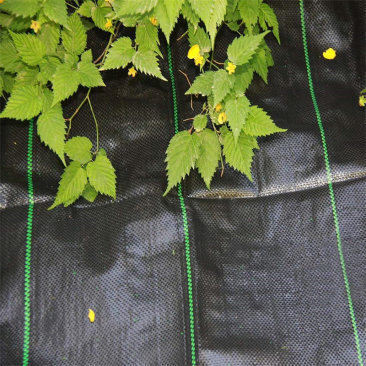
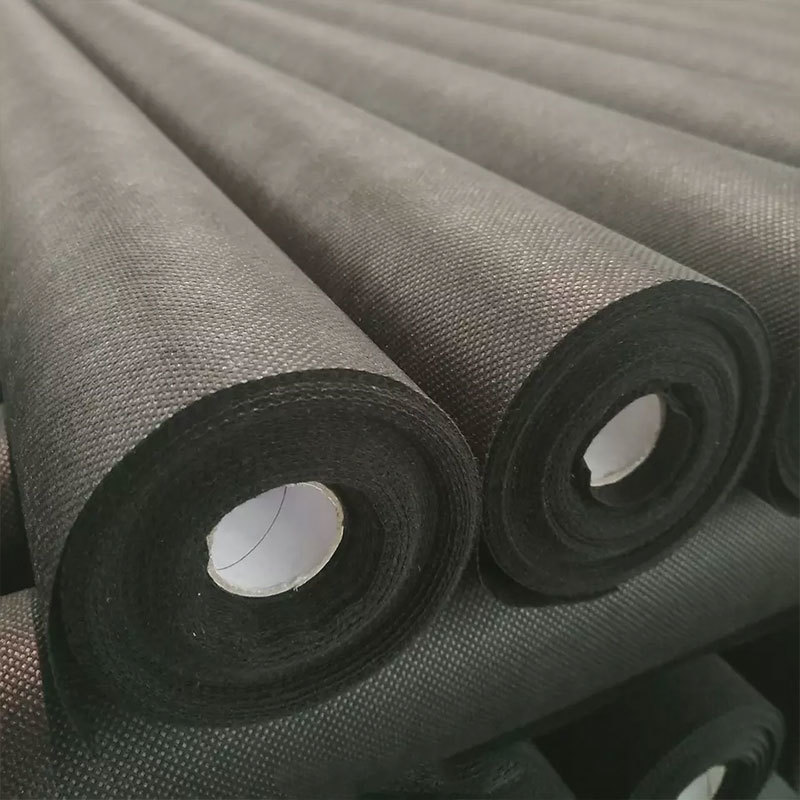
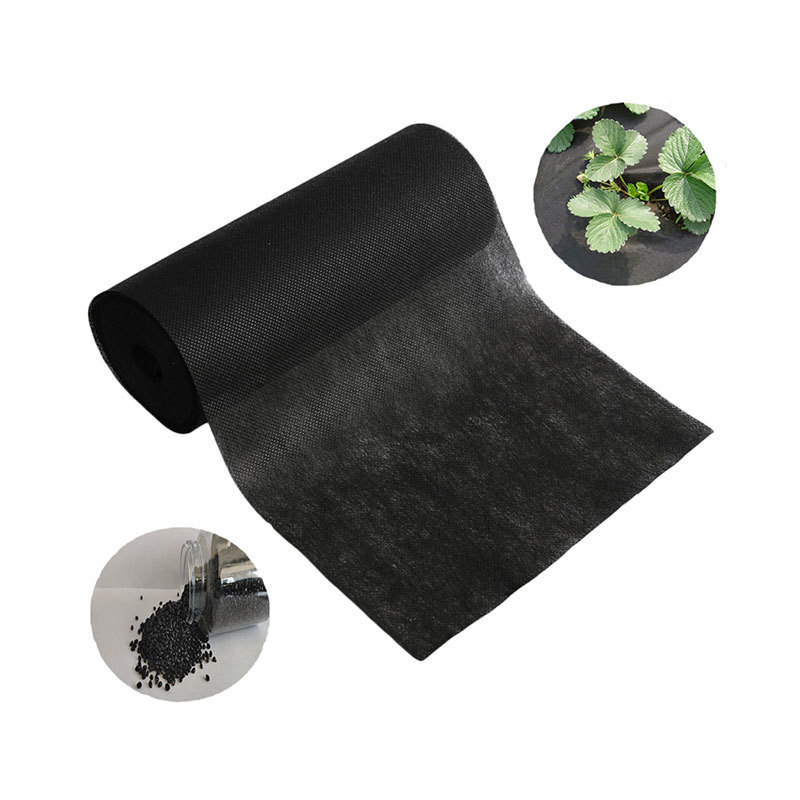
Ground fabric is a geotextile material often constructed from woven or non-woven polypropylene or polyester. Its primary function is to suppress weed growth while allowing water, air, and nutrients to penetrate the soil. This innovative material serves as a barrier between the soil and the weeds, effectively reducing competition for your plants.
The Benefits of Using Ground Fabric for Weed Control
Ground fabric offers a myriad of benefits that make it an attractive option for gardeners and landscapers alike. Here are some reasons why ground fabric should be a staple in your weed control arsenal:
1. Cost-Effectiveness
Investing in ground fabric is a cost-effective solution for long-term weed control. While the initial purchase may seem higher than traditional mulch or chemical solutions, the longevity and effectiveness of ground fabric make it a worthwhile investment. Properly installed, it can last for several years, significantly reducing the need for repeated purchases of other weed control methods.
2. Environmental Benefits
Ground fabric is an eco-friendly alternative to chemical herbicides. By minimizing the use of chemicals, you promote healthier soil and a safer environment for plants, pets, and humans. This is especially crucial for those who practice organic gardening.
3. Moisture Retention
Ground fabric helps retain soil moisture by preventing evaporation. This means that your plants receive the necessary hydration without the constant need for watering, leading to lower water bills and healthier plants.
4. Soil Aeration
Unlike plastic sheeting, which can suffocate the soil, ground fabric allows air and water to penetrate the soil. This promotes a healthy root system and enhances plant growth, making it an excellent choice for gardens and flower beds.
5. Versatility
Ground fabric can be used in various applications, from residential gardens to commercial landscaping projects. Whether you are planting perennials, annuals, or shrubs, ground fabric can fit into nearly any gardening scenario.
Installing Ground Fabric: A Step-by-Step Guide
Proper installation is key to maximizing the effectiveness of ground fabric. Follow these steps for a successful installation:
Step 1: Prepare the Area
Begin by clearing the area of weeds, debris, and rocks. It’s essential to have a clean slate to work with, as leftover weeds can grow through the fabric and negate its benefits.
Step 2: Level the Soil
Once the area is cleared, level the soil to create an even surface. This will help the ground fabric lie flat and improve its efficiency in controlling weeds.
Step 3: Cut the Ground Fabric
Measure and cut the ground fabric to size, ensuring that it will cover the entire area without gaps. When planning your cuts, consider the layout of your plants and leave appropriate openings for planting.
Step 4: Lay the Ground Fabric
Unroll the ground fabric and lay it over the prepared area, ensuring that it fits snugly. Overlap the edges by a few inches if you're using multiple sheets to prevent weeds from creeping through gaps.
Step 5: Secure the Fabric
Use landscape staples or anchors to secure the fabric to the ground. This will prevent it from shifting or blowing away, especially in windy conditions. Ensure that the staples are placed every few feet for optimal stability.
Step 6: Cut Holes for Plants
If you are planting directly through the fabric, make clean cuts or slits in the fabric for each plant. Be cautious not to cut too aggressively, as this can compromise the integrity of the fabric.
Step 7: Cover with Mulch
Applying a layer of mulch on top of the fabric not only improves aesthetics but also adds an extra layer of weed suppression. Choose organic mulch, such as bark or wood chips, for the best results.
Maintaining Your Ground Fabric Installation
While ground fabric significantly reduces weed growth, it still requires some maintenance to maximize its benefits.
Regular Inspections
Conduct regular inspections of the area to check for any signs of weed growth or fabric deterioration. Early detection is key to addressing any potential issues before they escalate.
Weed Removal
If any weeds do manage to break through the fabric, remove them promptly. Pull them out by the roots to prevent them from regrowing and avoid damaging the ground fabric in the process.
Mulch Replacement
Over time, organic mulch can decompose and lose its effectiveness. Regularly replace or replenish the mulch layer to ensure continued weed suppression and moisture retention.
Fabric Replacement
While ground fabric is designed to last, it may eventually require replacement due to wear and tear. Keep an eye out for any tears or thinning areas, and replace sections as needed to maintain optimal weed control.
Cost-Effectiveness Compared to Other Weed Control Methods
When evaluating the cost-effectiveness of ground fabric, it's essential to compare it to other traditional weed control methods, such as chemical herbicides and manual weeding.
Chemical Herbicides
While chemical herbicides may provide immediate relief from weeds, their long-term costs can add up. Regular applications, potential harm to the soil, and environmental concerns make them less appealing than ground fabric.
Manual Weeding
Manual weeding is labor-intensive and time-consuming, especially for larger areas. Ground fabric provides a hands-off approach that saves time and effort while ensuring long-term weed control.
Mulching
Traditional mulch can degrade over time, requiring frequent replacement. Ground fabric, on the other hand, lasts longer and provides additional benefits, such as soil aeration and moisture retention.
Frequently Asked Questions (FAQs)
1. How long does ground fabric last?
Ground fabric can last anywhere from 5 to 10 years, depending on the quality of the material and environmental conditions. Regular maintenance can extend its lifespan.
2. Can I plant directly into ground fabric?
Yes, you can plant directly into ground fabric by cutting slits or holes for each plant. Ensure that the cuts are clean to maintain the fabric's effectiveness.
3. Is ground fabric biodegradable?
Most ground fabrics are made from synthetic materials, which are not biodegradable. However, some eco-friendly options made from natural fibers are available for those seeking sustainable alternatives.
4. Can I use ground fabric in vegetable gardens?
Absolutely! Ground fabric is suitable for vegetable gardens, providing effective weed control while allowing essential nutrients and water to reach the plants.
5. What should I do if my ground fabric tears?
If your ground fabric tears, repair it by overlapping a new piece of fabric over the damaged area and securing it with staples. This will help restore its weed control effectiveness.
Conclusion
Ground fabric presents a **cost-effective** and environmentally friendly solution for weed control in various landscaping applications. With its ability to suppress weed growth while allowing water and nutrients to reach the soil, ground fabric is a favored choice among gardeners and landscapers alike. By following proper installation and maintenance practices, you can ensure your landscape remains both beautiful and weed-free. Invest in ground fabric today and experience the long-term benefits it brings to your gardening endeavors.
ground fabric weed control

LEAVE A MESSAGE
MESSAGE