



29
2025
-
04
Why Garden Ground Cover Fabric is Essential for Soil Protection
Why Garden Ground Cover Fabric is Essential for Soil Protection Introduction to Garden Ground Cover Fabric In the world of gardening, protecting the soil is as crucial as nurturing the plants themselves. One effective solution that has gained popularity is **garden ground cover fabric**. This innovative material offers multiple benefits, ensuring that your soil remains healthy, hydrated, and free

Why Garden Ground Cover Fabric is Essential for Soil Protection
Introduction to Garden Ground Cover Fabric
In the world of gardening, protecting the soil is as crucial as nurturing the plants themselves. One effective solution that has gained popularity is **garden ground cover fabric**. This innovative material offers multiple benefits, ensuring that your soil remains healthy, hydrated, and free from weeds. In this article, we will delve into the reasons why garden ground cover fabric is essential for **soil protection**, its various types, and how to select the right one for your gardening needs.
Understanding Soil Health and Its Importance
Soil health is a critical component of a thriving garden. Healthy soil provides necessary nutrients, retains moisture, and supports a diverse ecosystem. Unfortunately, soil can easily become compromised due to erosion, compaction, and contamination. By implementing protective measures, such as ground cover fabric, gardeners can maintain optimal soil conditions.
The Role of Ground Cover Fabric in Soil Protection
Ground cover fabric, also known as landscape fabric or weed barrier, serves several essential functions:
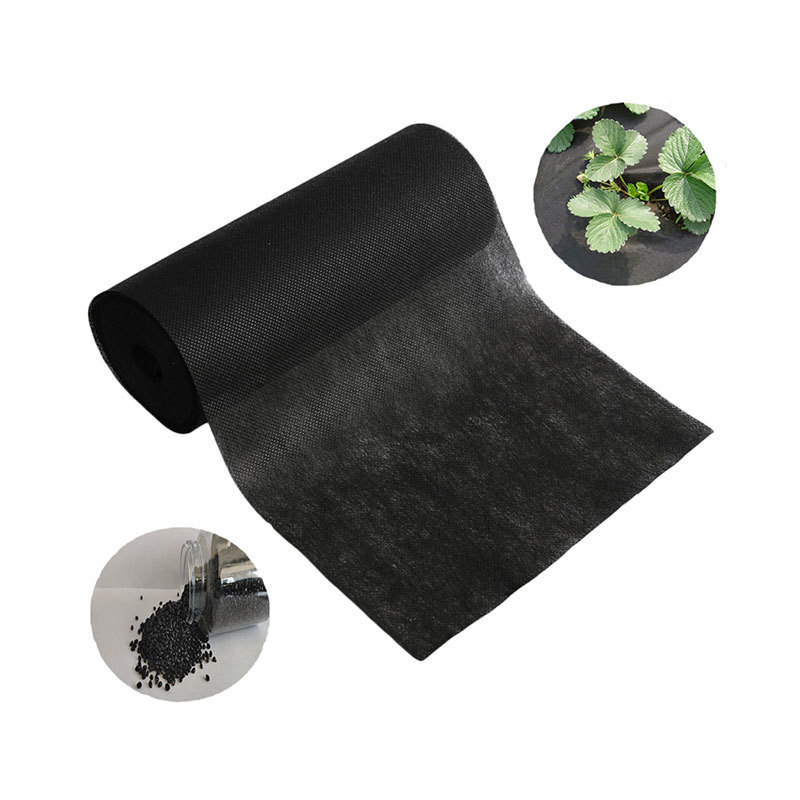
1. **Weed Suppression**: By blocking sunlight, ground cover fabric significantly reduces weed growth, preventing unwanted plants from competing for nutrients and water.
2. **Erosion Control**: In areas with sloped terrain, ground cover fabric helps to stabilize soil, preventing erosion caused by rain and wind.
3. **Moisture Retention**: This fabric helps retain moisture in the soil, allowing plants to thrive even during dry spells.
4. **Soil Temperature Regulation**: Ground cover fabric can help moderate soil temperatures, protecting plant roots from extreme heat or cold.
5. **Pest Barrier**: Certain ground cover fabrics can deter pests from accessing the soil, creating a healthier environment for your plants.
Types of Garden Ground Cover Fabrics
Choosing the right type of ground cover fabric is essential for maximizing its benefits. Here are the most common types:
1. Woven Ground Cover Fabric
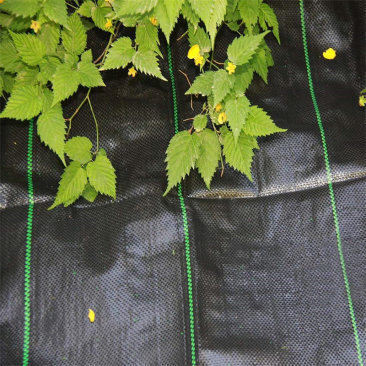
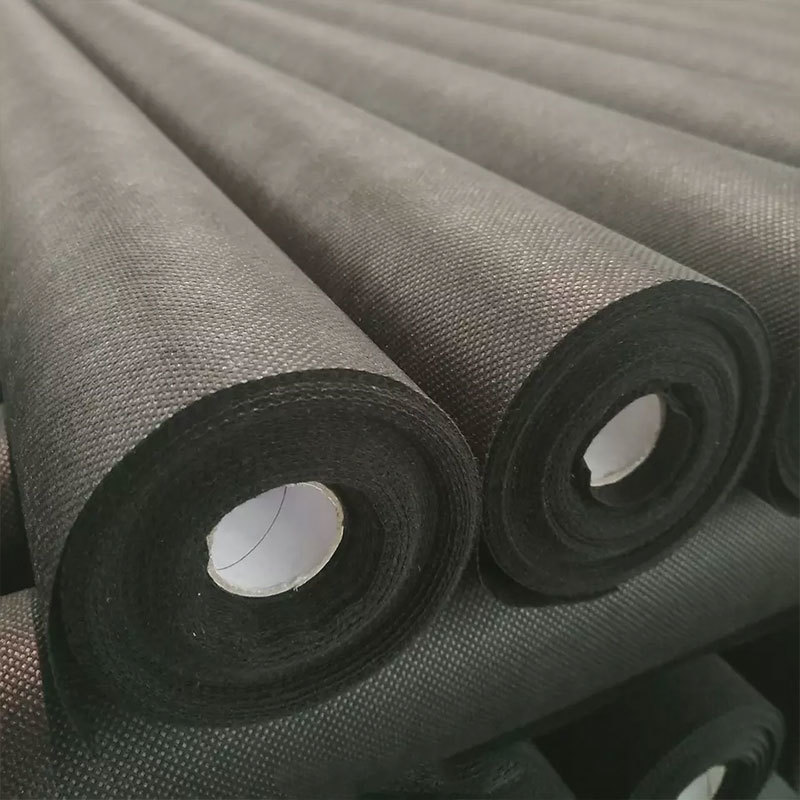
Woven ground cover fabric is made from interlaced polypropylene or polyester fibers. It allows water and nutrients to penetrate while blocking sunlight. This type is highly durable and suitable for long-term use in gardens and landscaping.
2. Non-Woven Ground Cover Fabric
Non-woven fabric is made from bonded fibers, offering a more protective barrier against weeds. It is less permeable than woven fabric, making it ideal for areas where moisture retention is a priority.
3. Biodegradable Ground Cover Fabric
For those looking for eco-friendly options, biodegradable ground cover fabric is an excellent choice. Made from natural materials, it breaks down over time, enriching the soil while providing temporary protection against weeds and erosion.
4. Plastic Ground Cover Fabric
Plastic ground cover is a more affordable option, but it has its limitations. While it effectively blocks weeds, it can hinder water and air permeability, leading to potential soil health issues over time.
How to Install Garden Ground Cover Fabric
Installation is a critical part of the process to ensure the fabric performs optimally. Here’s a step-by-step guide:
Step 1: Prepare the Area
Before laying down the fabric, clear the area of any weeds, debris, or rocks. Ensure the soil is level and well-aerated for the best results.
Step 2: Measure and Cut the Fabric
Measure the dimensions of the area you want to cover. Cut the fabric to size, allowing for overlaps if you’re covering a larger space.
Step 3: Lay the Fabric
Place the fabric over the prepared soil, ensuring it lies flat without wrinkles. If necessary, secure the edges with landscape staples or hooks.
Step 4: Planting Through the Fabric
If you plan to plant directly through the fabric, make X-shaped cuts where you want to place your plants. This method helps maintain the integrity of the fabric while allowing roots to penetrate the soil.
Step 5: Covering with Mulch
For added protection and aesthetics, consider covering the fabric with mulch. This layer not only enhances the look of your garden but also helps retain moisture and provides additional weed suppression.
Best Practices for Maintaining Soil Health with Ground Cover Fabric
While ground cover fabric is highly effective, proper maintenance is essential for ensuring its longevity and efficacy.
Regular Inspection
Periodically check the fabric for signs of wear or damage. Replace any sections that are torn or have become ineffective.
Monitor Soil Moisture
Even with ground cover fabric, soil moisture levels should be monitored. Consider using a moisture meter to ensure your garden receives adequate hydration.
Weed Management
Although ground cover fabric suppresses weeds, some may still manage to grow. Regularly check for any weeds and remove them promptly to maintain a healthy garden environment.
Amending Soil
Over time, soil can deplete nutrients essential for plant growth. Consider adding organic matter or fertilizer to enrich the soil beneath the fabric, ensuring your plants continue to thrive.
Common Misconceptions About Garden Ground Cover Fabric
Despite its benefits, some misconceptions about ground cover fabric may deter gardeners from using it.
Myth 1: Ground Cover Fabric is Unnecessary
Many gardeners believe that ground cover fabric is an unnecessary expense. However, it can save time and money in the long run by reducing maintenance costs associated with weed control and soil erosion.
Myth 2: All Fabrics are the Same
Not all ground cover fabrics are created equal. Choosing the right type based on your garden's specific needs is crucial for achieving the best results.
Myth 3: Ground Cover Fabric Harms Soil Health
Some gardeners fear that using fabric may hinder soil health. However, when used correctly, ground cover fabric can support soil health by reducing erosion and promoting moisture retention.
Frequently Asked Questions (FAQs)
1. How long does garden ground cover fabric last?
The lifespan of ground cover fabric depends on the material used. Woven fabrics can last several years, while biodegradable options may last one to three years.
2. Can I use ground cover fabric in vegetable gardens?
Yes, ground cover fabric can be used in vegetable gardens, but ensure it allows for adequate water and nutrient penetration. Consider using breathable options for optimal results.
3. How do I remove ground cover fabric?
To remove ground cover fabric, carefully lift it from the soil, checking for any plants that may be rooted in it. Dispose of it responsibly, particularly if it’s made of plastic.
4. Is ground cover fabric environmentally friendly?
Biodegradable options are environmentally friendly, breaking down over time without harming the surrounding ecosystem. Traditional plastic fabrics can contribute to pollution if not disposed of properly.
5. Can I plant directly into ground cover fabric?
Yes, you can plant directly into ground cover fabric by making small cuts for your plants. This method helps maintain the benefits of the fabric while allowing for plant growth.
Conclusion
In summary, **garden ground cover fabric** is a vital tool for protecting soil and ensuring a successful garden. From suppressing weeds to retaining moisture, its benefits are manifold. By understanding the various types of fabric available and following proper installation and maintenance practices, gardeners can significantly improve their soil health and overall gardening experience. Investing in quality ground cover solutions will not only enhance the aesthetics of your garden but also contribute to a thriving ecosystem for years to come.
garden ground cover fabric

LEAVE A MESSAGE
MESSAGE