



10
2025
-
05
The Science Behind Polypropylene Nonwoven Fabric and Its Unique Properties
The Science Behind Polypropylene Nonwoven Fabric and Its Unique Properties Polypropylene nonwoven fabric has emerged as a revolutionary material in various industries, ranging from healthcare to automotive and beyond. Understanding the science behind this innovative fabric, its unique properties, and its applications is crucial for anyone looking to harness its benefits. This guide provides an in-

The Science Behind Polypropylene Nonwoven Fabric and Its Unique Properties
Polypropylene nonwoven fabric has emerged as a revolutionary material in various industries, ranging from healthcare to automotive and beyond. Understanding the science behind this innovative fabric, its unique properties, and its applications is crucial for anyone looking to harness its benefits. This guide provides an in-depth analysis of polypropylene nonwoven fabric, covering everything from its manufacturing process to its practical applications.
Table of Contents
- What is Polypropylene Nonwoven Fabric?
- The Manufacturing Process of Polypropylene Nonwoven Fabric
- Unique Properties of Polypropylene Nonwoven Fabric
- Applications of Polypropylene Nonwoven Fabric
- Advantages of Polypropylene Nonwoven Fabric
- Environmental Impact of Polypropylene Nonwoven Fabric
- The Future of Polypropylene Nonwoven Fabric
- Frequently Asked Questions
What is Polypropylene Nonwoven Fabric?
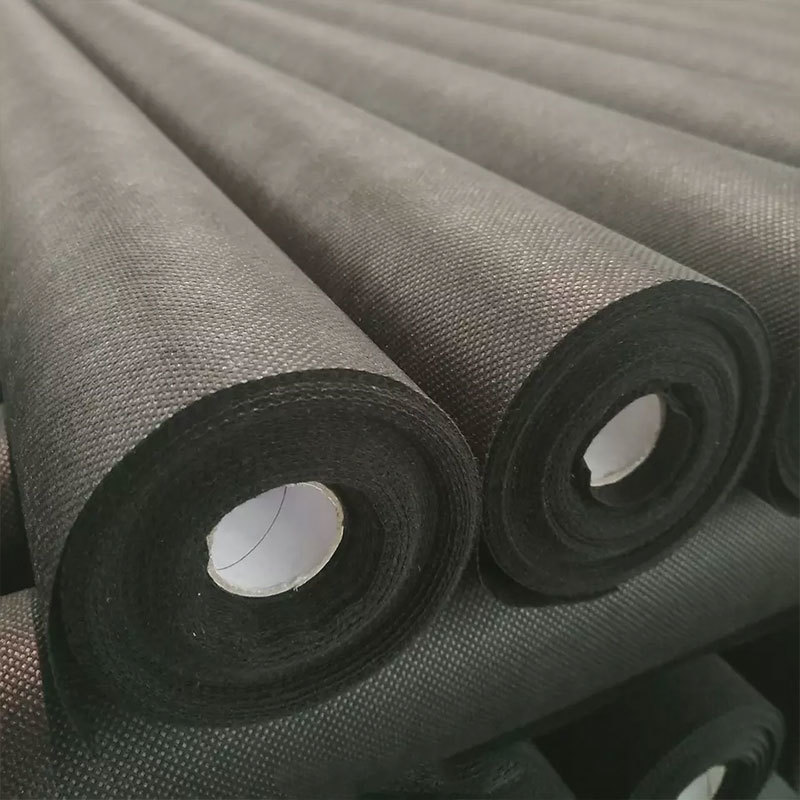
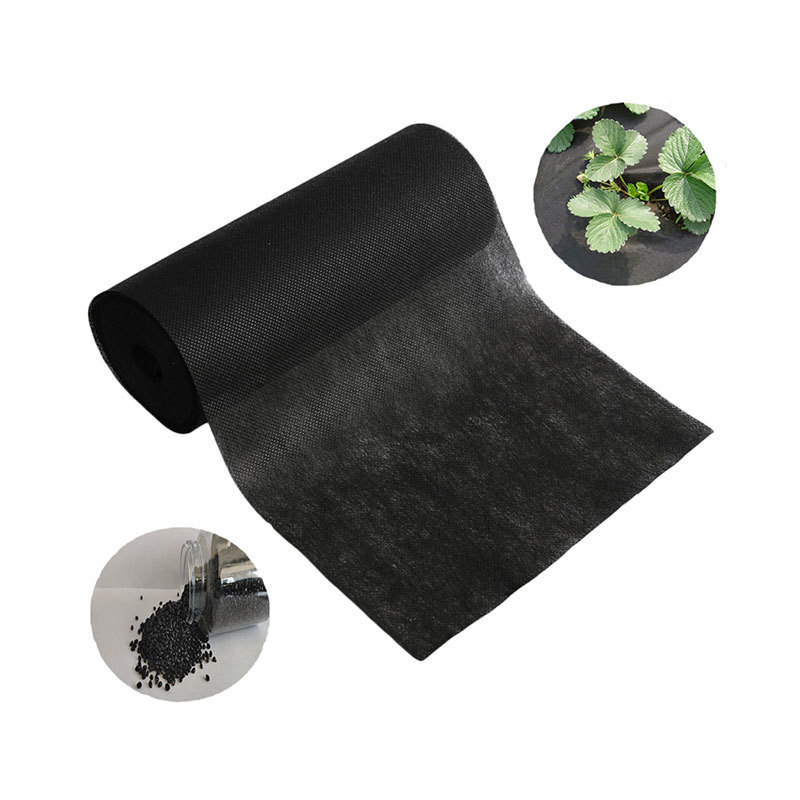
Polypropylene nonwoven fabric is a type of fabric made from polypropylene fibers, a thermoplastic polymer. Unlike traditional woven fabrics, nonwoven fabrics are not made by weaving or knitting; instead, they are produced by bonding or felting fibers together through various methods, including heat, chemicals, or mechanical processes. The result is a versatile and durable fabric that exhibits a range of properties suited for countless applications.
Understanding Polypropylene
Polypropylene (PP) is a widely used plastic polymer known for its lightweight nature, resistance to moisture, and chemical stability. Produced from the polymerization of propylene monomers, PP is an economical choice for a variety of applications. Its ability to be readily transformed into nonwoven fabric enhances its utility even further.
The Manufacturing Process of Polypropylene Nonwoven Fabric
The manufacturing process of polypropylene nonwoven fabric involves several key steps that contribute to its final properties and applications. Here’s a detailed breakdown of the process:
1. Polymerization
The first step in creating polypropylene nonwoven fabric is the polymerization of propylene monomers into polypropylene resin. This resin is then pelletized to facilitate the subsequent manufacturing processes.
2. Fiber Production
Once the resin is ready, it undergoes a process known as melt spinning. In this phase, the polypropylene pellets are heated until they melt and then extruded through spinnerets to form continuous filaments. These filaments are cooled and solidified, creating polypropylene fibers.
3. Web Formation
The next step involves creating a web of fibers. Various methods are employed, including:
- **Spunbonding**: In this method, the continuous filaments are laid down on a conveyor belt to form a web. The filaments are then bonded together through heat or mechanical pressure.
- **Staple Fiber Processing**: Here, short fibers are produced by cutting longer filaments. These fibers are then carded and formed into a web.
4. Bonding Processes
Once the web is formed, it undergoes bonding to enhance its strength and durability. Common bonding techniques include:
- **Thermal Bonding**: This method uses heat to melt the fibers at their intersections, bonding them together.
- **Chemical Bonding**: Adhesives are applied to the web to enhance bonding.
5. Finishing Treatments
After bonding, the fabric may undergo various finishing treatments to improve its properties. These treatments can include dyeing, water-repellent coatings, and anti-microbial treatments, depending on the intended application.
Unique Properties of Polypropylene Nonwoven Fabric
Polypropylene nonwoven fabric boasts several unique properties that make it an exceptional material for diverse applications:
1. Lightweight and Durable
One of the standout features of polypropylene nonwoven fabric is its lightweight nature, which does not compromise its durability. This makes it ideal for applications that require strength without added weight.
2. Moisture Resistance
Polypropylene has inherent moisture-repellent properties, making nonwoven fabric a suitable choice for applications where moisture resistance is crucial. This property also contributes to its quick drying time.
3. Chemical Resistance
The fabric’s resistance to a variety of chemicals allows it to be used in challenging environments, such as medical and industrial applications, without degrading.
4. Breathability
Polypropylene nonwoven fabric is breathable, enabling air and moisture to pass through. This property is particularly important in applications like hygiene products and apparel.
5. Eco-Friendly Options
With the growing emphasis on sustainability, manufacturers are developing biodegradable and recycled polypropylene nonwoven fabrics, contributing to environmentally friendly practices.
Applications of Polypropylene Nonwoven Fabric
The versatility of polypropylene nonwoven fabric allows it to be used in a multitude of applications across different industries:
1. Healthcare and Hygiene Products
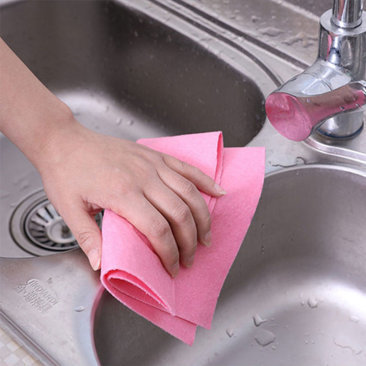
In the healthcare sector, polypropylene nonwoven fabric is commonly used for surgical gowns, masks, and disposable bed linens due to its lightweight and moisture-resistant properties. These fabrics help in preventing the spread of infections and ensuring patient safety.
2. Agriculture
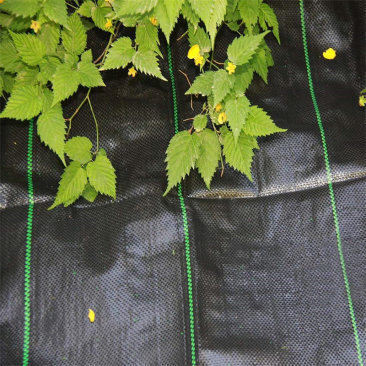
Agricultural applications include crop covers, erosion control mats, and landscaping fabrics. The breathable nature of the fabric aids in soil moisture retention while protecting plants from harsh weather conditions.
3. Geotextiles
Polypropylene nonwoven fabrics are widely used in civil engineering as geotextiles for soil stabilization, drainage, and road construction. Their strength and durability make them suitable for enhancing the longevity of infrastructure projects.
4. Automotive Industry
In the automotive sector, these fabrics are utilized for interior upholstery, soundproofing materials, and insulation. Their lightweight properties contribute to fuel efficiency without sacrificing performance.
5. Filtration Systems
Polypropylene nonwoven fabric is also employed in air and water filtration systems. Its fine fibers effectively capture pollutants and particles, making it a key component in maintaining clean environments.
Advantages of Polypropylene Nonwoven Fabric
The advantages of polypropylene nonwoven fabric extend beyond its unique properties. Here are some key benefits:
1. Cost-Effective
Compared to woven fabrics, polypropylene nonwoven fabric is generally more cost-effective to produce, making it an attractive option for manufacturers and consumers alike.
2. Customization
Manufacturers can easily customize polypropylene nonwoven fabrics in terms of thickness, color, and texture, enabling tailored solutions for specific applications.
3. Easy to Dispose
Due to its lightweight nature, polypropylene nonwoven fabric is easy to dispose of. When biodegradable options are used, they can break down naturally, reducing environmental impact.
4. Versatile Applications
From medical supplies to automotive components, the versatility of polypropylene nonwoven fabric allows it to serve a wide range of industries effectively.
Environmental Impact of Polypropylene Nonwoven Fabric
While polypropylene nonwoven fabric offers numerous benefits, it is essential to consider its environmental impact.
1. Sustainability Initiatives
Manufacturers are increasingly adopting sustainable practices, including the use of recycled materials and the development of biodegradable options to minimize environmental footprints.
2. Lifecycle Analysis
Conducting lifecycle assessments can help identify the environmental impact of polypropylene nonwoven fabric from production to disposal, guiding more sustainable practices within the industry.
3. Recycling Programs
Implementing recycling programs for used polypropylene nonwoven fabrics can significantly reduce waste, contributing to a circular economy in the textile industry.
The Future of Polypropylene Nonwoven Fabric
The future of polypropylene nonwoven fabric looks bright as innovation continues to shape its properties and applications. Emerging trends include:
1. Advanced Functionalities
Research and development are leading to the creation of polypropylene nonwoven fabrics with enhanced functionalities, such as improved antimicrobial properties and increased UV resistance.
2. Sustainable Innovations
The push for sustainability will likely drive the development of more eco-friendly materials and processes, including the use of bio-based polypropylene and circular economy practices.
3. Expanding Applications
As industries continue to evolve, new applications for polypropylene nonwoven fabrics are expected to emerge, further solidifying their role in various sectors.
Frequently Asked Questions
1. What is the primary advantage of polypropylene nonwoven fabric?
**The primary advantage** of polypropylene nonwoven fabric is its lightweight nature combined with its durability, making it suitable for a wide range of applications.
2. Is polypropylene nonwoven fabric biodegradable?
**Yes**, there are biodegradable options available, but traditional polypropylene nonwoven fabric takes a longer time to decompose in landfills.
3. Can polypropylene nonwoven fabric be recycled?
**Yes**, polypropylene nonwoven fabric can be recycled, and many manufacturers are implementing recycling programs to reduce waste.
4. What industries benefit from polypropylene nonwoven fabric?
**Industries such as healthcare, agriculture, automotive, and construction** benefit significantly from the unique properties of polypropylene nonwoven fabric.
5. How does the moisture resistance of polypropylene nonwoven fabric work?
**Polypropylene fibers are inherently hydrophobic**, meaning they repel water, making the fabric resistant to moisture absorption.
Conclusion
Polypropylene nonwoven fabric stands at the forefront of modern materials, offering unique properties and a wide range of applications across various industries. Its lightweight, durable, and moisture-resistant characteristics make it an ideal choice for healthcare, agriculture, automotive, and many other sectors. As the demand for sustainable and innovative materials continues to rise, polypropylene nonwoven fabric is poised for a bright future. Understanding the science behind it and its unique properties will empower consumers and manufacturers alike to make informed choices that benefit both their needs and the environment.
Polypropylene nonwoven fabric

LEAVE A MESSAGE
MESSAGE