



31
2025
-
08
The Essential Guide to Permeable Landscape Fabric: Enhancing Soil Health and Water Management
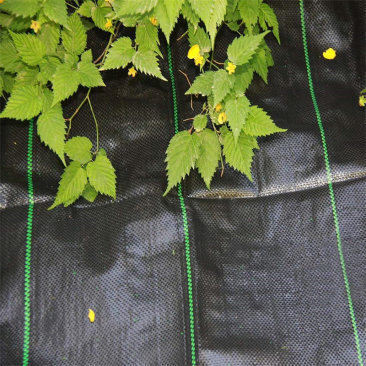
Permeable landscape fabric serves as a vital component in various construction and landscaping projects, particularly in managing water flow and promoting sustainable land use. This specialized fabric is designed to allow water and air to pass through while simultaneously preventing the growth of weeds and controlling erosion. Its unique properties make it an essential material for professionals l

Permeable landscape fabric serves as a vital component in various construction and landscaping projects, particularly in managing water flow and promoting sustainable land use. This specialized fabric is designed to allow water and air to pass through while simultaneously preventing the growth of weeds and controlling erosion. Its unique properties make it an essential material for professionals looking to enhance soil health and maintain effective drainage systems.
One of the primary advantages of using permeable landscape fabric is its ability to facilitate proper drainage. In many construction and landscaping scenarios, excess water can lead to detrimental effects such as soil erosion and plant root rot. By utilizing permeable landscape fabric, water can efficiently drain away from plant roots and structures, reducing the risk of waterlogging while also promoting healthier plant growth. This feature is especially beneficial in areas with high rainfall or where irrigation systems are employed.
In addition to its drainage capabilities, permeable landscape fabric acts as a barrier against weeds. The fabric allows water and nutrients to penetrate while blocking sunlight, which inhibits weed growth. This reduces the need for chemical herbicides and promotes a healthier ecosystem, making it an attractive option for environmentally-conscious professionals. By minimizing weed competition, plants can thrive, leading to improved landscape aesthetics and functionality.
When selecting permeable landscape fabric, it is crucial to consider factors such as material composition and weight. The fabric should be durable enough to withstand environmental stressors while remaining permeable. Typically, high-quality polypropylene or polyester fabrics are preferred, as they resist deterioration from UV exposure and microbial activity. Additionally, the weight of the fabric can influence its performance; heavier fabrics tend to be more robust and better suited for heavy-duty applications.
Installation is another critical aspect of utilizing permeable landscape fabric effectively. Professionals should ensure proper placement by laying the fabric over the prepared soil and securing it with landscape staples or pins. Overlapping seams and avoiding gaps will further enhance the fabric's efficacy in preventing weed growth and maintaining soil structure. It is also advisable to cover the fabric with mulch or decorative stones to provide added protection and enhance the visual appeal of the landscape.
In conclusion, permeable landscape fabric is a versatile and essential material in the construction and landscaping industries. Its ability to facilitate drainage, suppress weeds, and maintain soil integrity makes it a valuable asset for professionals seeking sustainable and effective land management solutions. By understanding its benefits and best practices, users can maximize the performance of permeable landscape fabric in their projects, ensuring long-lasting and thriving landscapes.
One of the primary advantages of using permeable landscape fabric is its ability to facilitate proper drainage. In many construction and landscaping scenarios, excess water can lead to detrimental effects such as soil erosion and plant root rot. By utilizing permeable landscape fabric, water can efficiently drain away from plant roots and structures, reducing the risk of waterlogging while also promoting healthier plant growth. This feature is especially beneficial in areas with high rainfall or where irrigation systems are employed.
In addition to its drainage capabilities, permeable landscape fabric acts as a barrier against weeds. The fabric allows water and nutrients to penetrate while blocking sunlight, which inhibits weed growth. This reduces the need for chemical herbicides and promotes a healthier ecosystem, making it an attractive option for environmentally-conscious professionals. By minimizing weed competition, plants can thrive, leading to improved landscape aesthetics and functionality.
When selecting permeable landscape fabric, it is crucial to consider factors such as material composition and weight. The fabric should be durable enough to withstand environmental stressors while remaining permeable. Typically, high-quality polypropylene or polyester fabrics are preferred, as they resist deterioration from UV exposure and microbial activity. Additionally, the weight of the fabric can influence its performance; heavier fabrics tend to be more robust and better suited for heavy-duty applications.
Installation is another critical aspect of utilizing permeable landscape fabric effectively. Professionals should ensure proper placement by laying the fabric over the prepared soil and securing it with landscape staples or pins. Overlapping seams and avoiding gaps will further enhance the fabric's efficacy in preventing weed growth and maintaining soil structure. It is also advisable to cover the fabric with mulch or decorative stones to provide added protection and enhance the visual appeal of the landscape.
In conclusion, permeable landscape fabric is a versatile and essential material in the construction and landscaping industries. Its ability to facilitate drainage, suppress weeds, and maintain soil integrity makes it a valuable asset for professionals seeking sustainable and effective land management solutions. By understanding its benefits and best practices, users can maximize the performance of permeable landscape fabric in their projects, ensuring long-lasting and thriving landscapes.
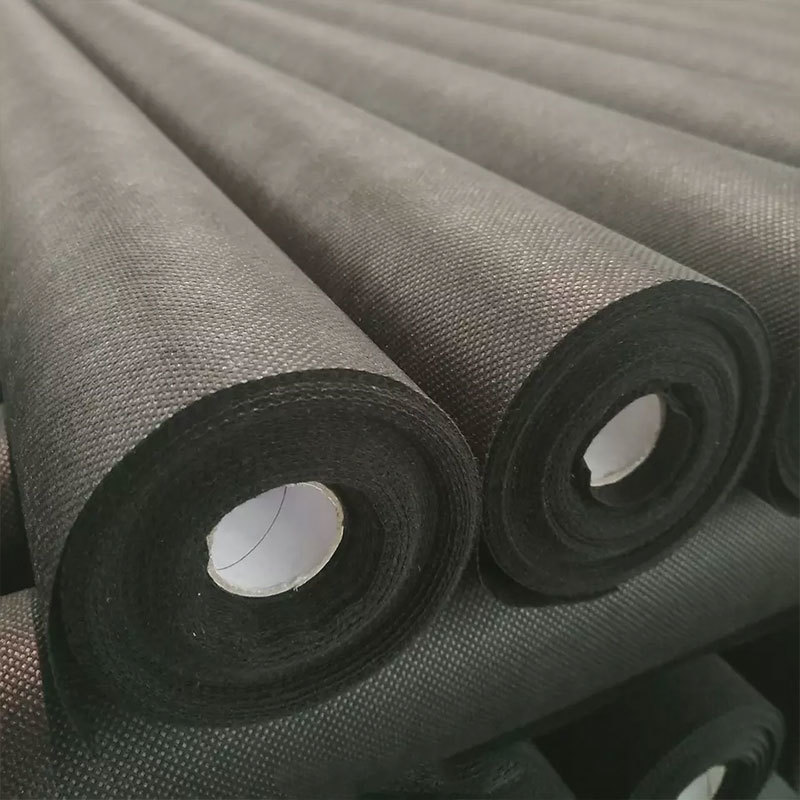
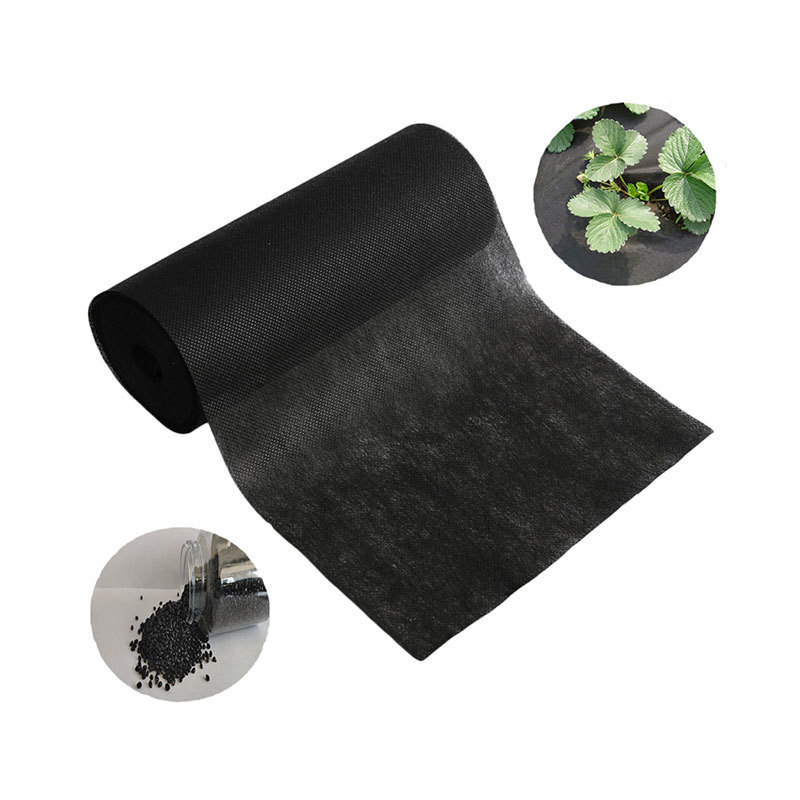
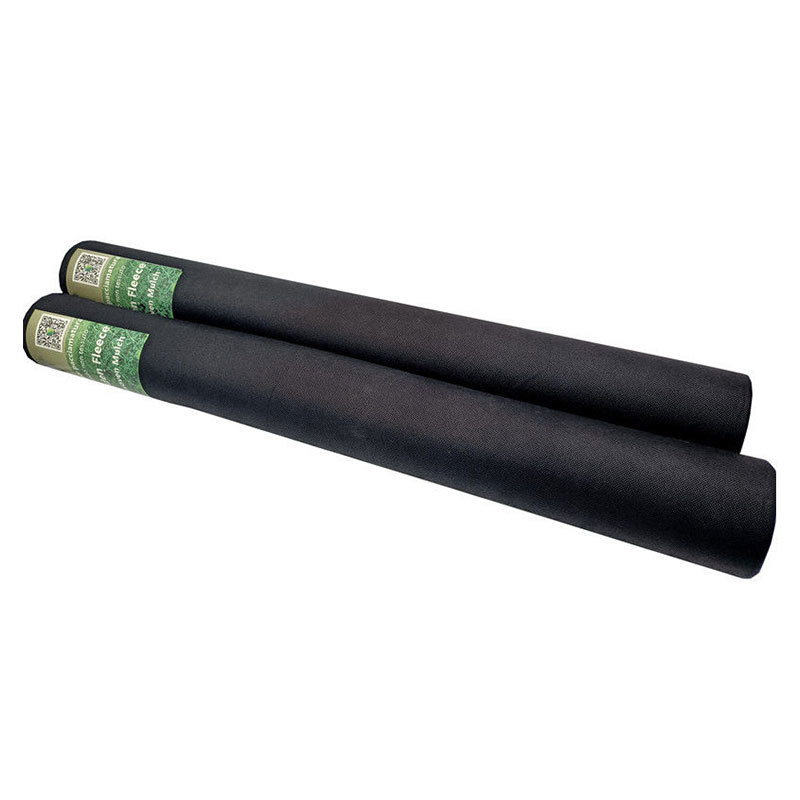
permeable landscape fabric

LEAVE A MESSAGE
MESSAGE