




04
2025
-
09
Essential Insights on Ground Weed Control Fabric for Construction and Landscaping
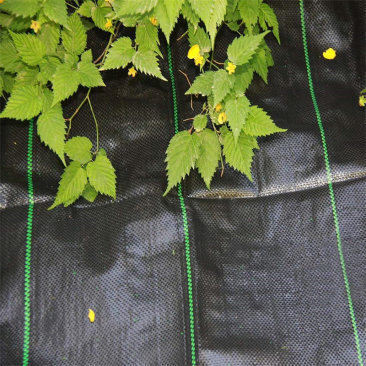
Ground weed control fabric, also known as landscape fabric or geotextile, plays a crucial role in both construction and landscaping projects. This material is designed to provide an effective barrier against unwanted plant growth while allowing water and nutrients to pass through, ensuring the health of your desired plants. Understanding the properties and applications of ground weed control fabri

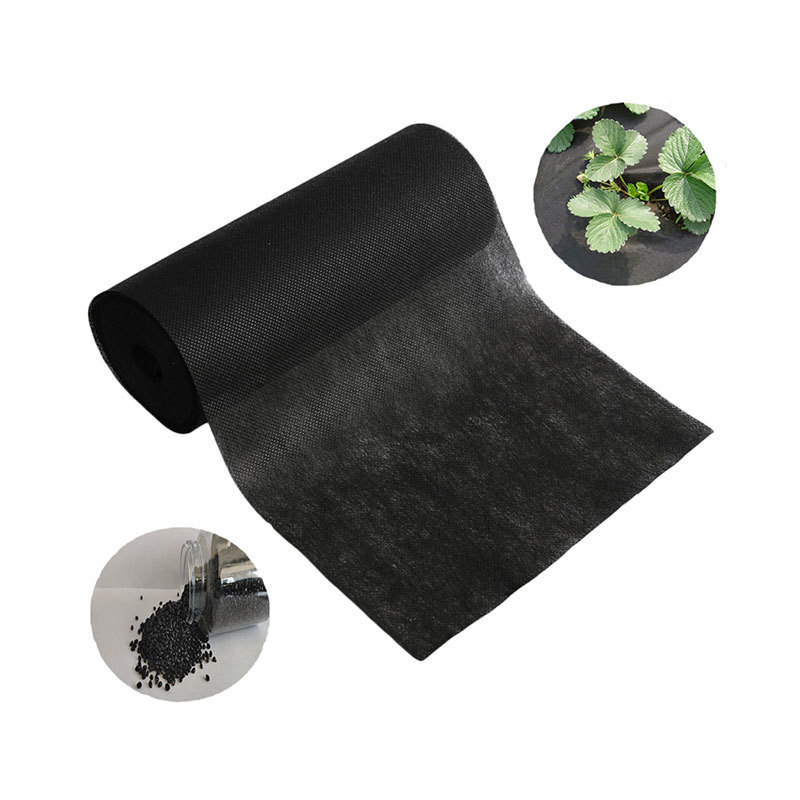
Ground weed control fabric, also known as landscape fabric or geotextile, plays a crucial role in both construction and landscaping projects. This material is designed to provide an effective barrier against unwanted plant growth while allowing water and nutrients to pass through, ensuring the health of your desired plants. Understanding the properties and applications of ground weed control fabric can significantly enhance project outcomes.
One of the primary benefits of using ground weed control fabric is its ability to suppress weed growth. By placing this fabric over the soil, you create a physical barrier that prevents sunlight from reaching weed seeds, thus inhibiting germination. This is particularly important in areas where maintaining a clean and professional appearance is essential. For construction sites, utilizing this fabric can lead to reduced maintenance costs and labor associated with weed control, allowing for more efficient resource allocation.
Moreover, ground weed control fabric is made from various synthetic fibers, providing durability and resilience against environmental challenges. The fabric is typically permeable, meaning it allows water, air, and nutrients to reach the soil beneath. This permeability is vital for sustaining the health of the plants you intend to cultivate, ensuring that they receive the necessary resources for growth while keeping weeds at bay.
In addition to its use in gardens and landscaping, ground weed control fabric is also beneficial in construction applications. It can be used in road construction, drainage systems, and erosion control projects. By stabilizing the soil and preventing weed growth, this fabric helps maintain structural integrity and promotes longevity in construction works.
When selecting ground weed control fabric, it is essential to consider factors such as the specific project requirements, the type of plants involved, and the environmental conditions of the area. Various grades and types of fabric are available, each suited for different applications. For instance, heavier fabrics may be ideal for areas with high foot traffic or where soil erosion is a concern, while lighter fabrics could suffice for typical landscaping installations.
To ensure effective installation, it is crucial to prepare the site adequately. Clearing the area of existing weeds, rocks, and debris will enhance the performance of the fabric. After laying the fabric, securing it with landscape staples or similar fasteners can prevent shifting and ensure that it remains in place during adverse weather conditions.
In conclusion, ground weed control fabric is a valuable asset in both construction and landscaping projects. Understanding its properties, benefits, and proper application techniques can lead to more efficient and successful outcomes. By implementing this material effectively, professionals can achieve sustainable weed management solutions that contribute to the overall aesthetics and functionality of their projects.
One of the primary benefits of using ground weed control fabric is its ability to suppress weed growth. By placing this fabric over the soil, you create a physical barrier that prevents sunlight from reaching weed seeds, thus inhibiting germination. This is particularly important in areas where maintaining a clean and professional appearance is essential. For construction sites, utilizing this fabric can lead to reduced maintenance costs and labor associated with weed control, allowing for more efficient resource allocation.
Moreover, ground weed control fabric is made from various synthetic fibers, providing durability and resilience against environmental challenges. The fabric is typically permeable, meaning it allows water, air, and nutrients to reach the soil beneath. This permeability is vital for sustaining the health of the plants you intend to cultivate, ensuring that they receive the necessary resources for growth while keeping weeds at bay.
In addition to its use in gardens and landscaping, ground weed control fabric is also beneficial in construction applications. It can be used in road construction, drainage systems, and erosion control projects. By stabilizing the soil and preventing weed growth, this fabric helps maintain structural integrity and promotes longevity in construction works.
When selecting ground weed control fabric, it is essential to consider factors such as the specific project requirements, the type of plants involved, and the environmental conditions of the area. Various grades and types of fabric are available, each suited for different applications. For instance, heavier fabrics may be ideal for areas with high foot traffic or where soil erosion is a concern, while lighter fabrics could suffice for typical landscaping installations.
To ensure effective installation, it is crucial to prepare the site adequately. Clearing the area of existing weeds, rocks, and debris will enhance the performance of the fabric. After laying the fabric, securing it with landscape staples or similar fasteners can prevent shifting and ensure that it remains in place during adverse weather conditions.
In conclusion, ground weed control fabric is a valuable asset in both construction and landscaping projects. Understanding its properties, benefits, and proper application techniques can lead to more efficient and successful outcomes. By implementing this material effectively, professionals can achieve sustainable weed management solutions that contribute to the overall aesthetics and functionality of their projects.
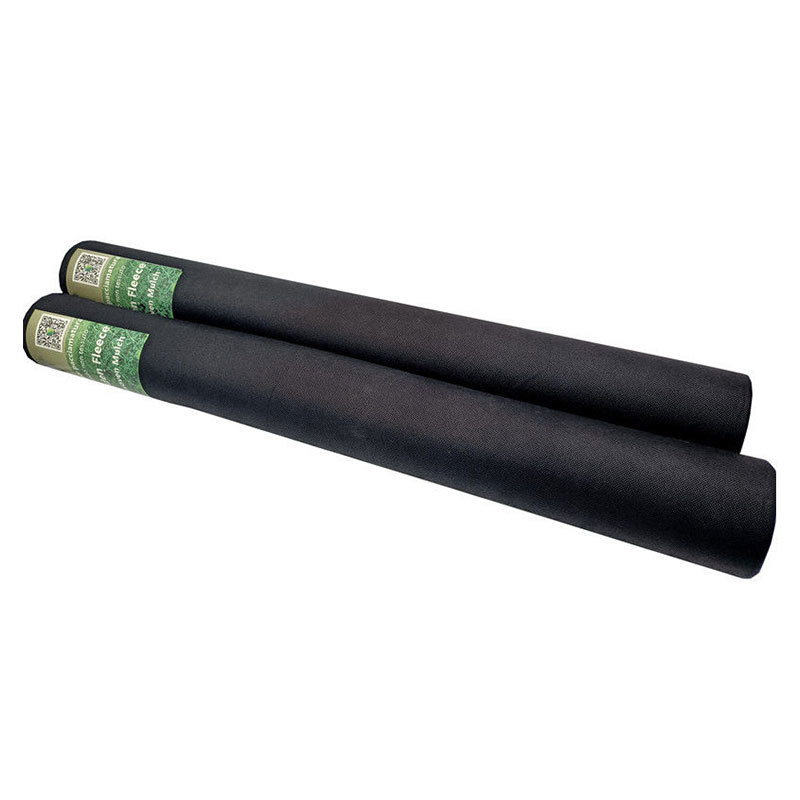
ground weed control fabric

LEAVE A MESSAGE
MESSAGE