



06
2025
-
09
Understanding PP Nonwoven Fabric: Benefits and Applications
PP nonwoven fabric, made from polypropylene, has gained significant popularity in various sectors due to its unique properties and versatility. This fabric is not woven in the traditional sense, which means its fibers are bonded together through processes such as heat, chemical, or mechanical methods. This distinctive manufacturing process gives PP nonwoven fabric a range of benefits that make it

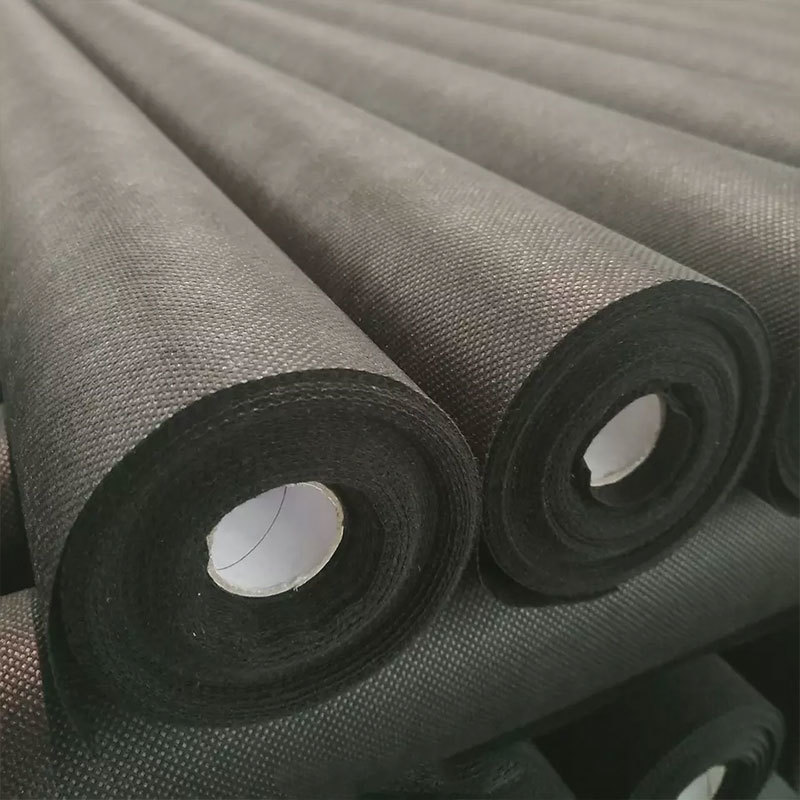
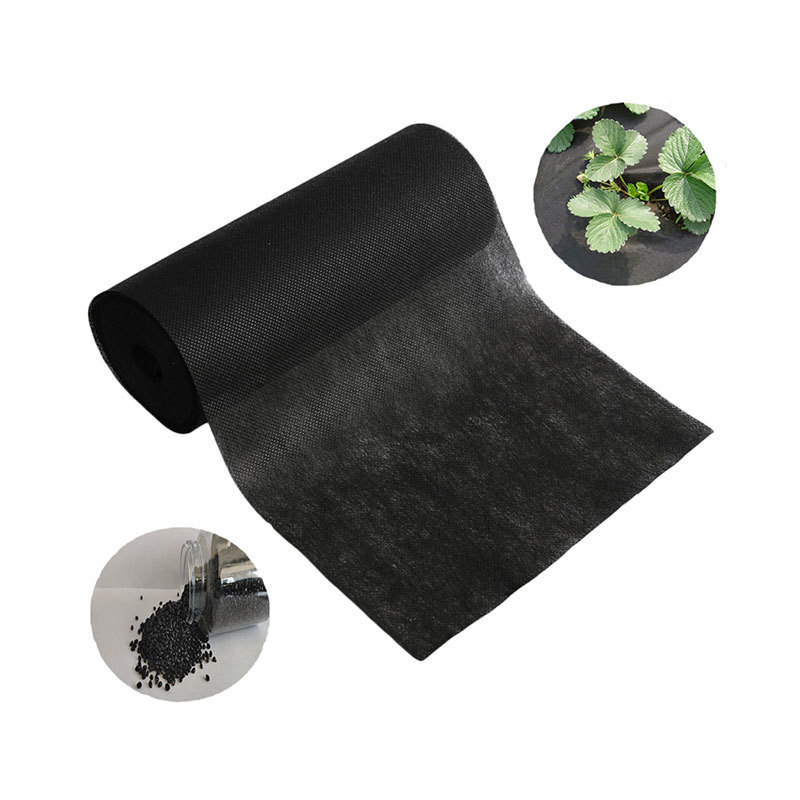
PP nonwoven fabric, made from polypropylene, has gained significant popularity in various sectors due to its unique properties and versatility. This fabric is not woven in the traditional sense, which means its fibers are bonded together through processes such as heat, chemical, or mechanical methods. This distinctive manufacturing process gives PP nonwoven fabric a range of benefits that make it suitable for numerous applications.
One of the key advantages of PP nonwoven fabric is its lightweight nature. This characteristic makes it easy to handle and transport, while still maintaining durability. Additionally, the fabric is highly breathable and has excellent moisture-wicking properties, which is why it is often used in medical applications, such as surgical gowns and masks. The nonwoven structure allows for better air circulation, making it comfortable for wearers in various settings.
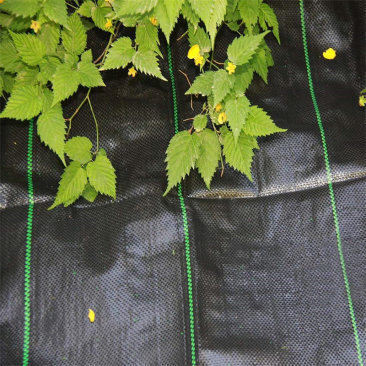
Another significant benefit of PP nonwoven fabric is its cost-effectiveness. The production process is generally more efficient compared to woven fabrics, leading to lower manufacturing costs. This affordability, combined with its durability, positions PP nonwoven fabric as a preferred choice in disposable products, such as diapers, sanitary pads, and agricultural covers.
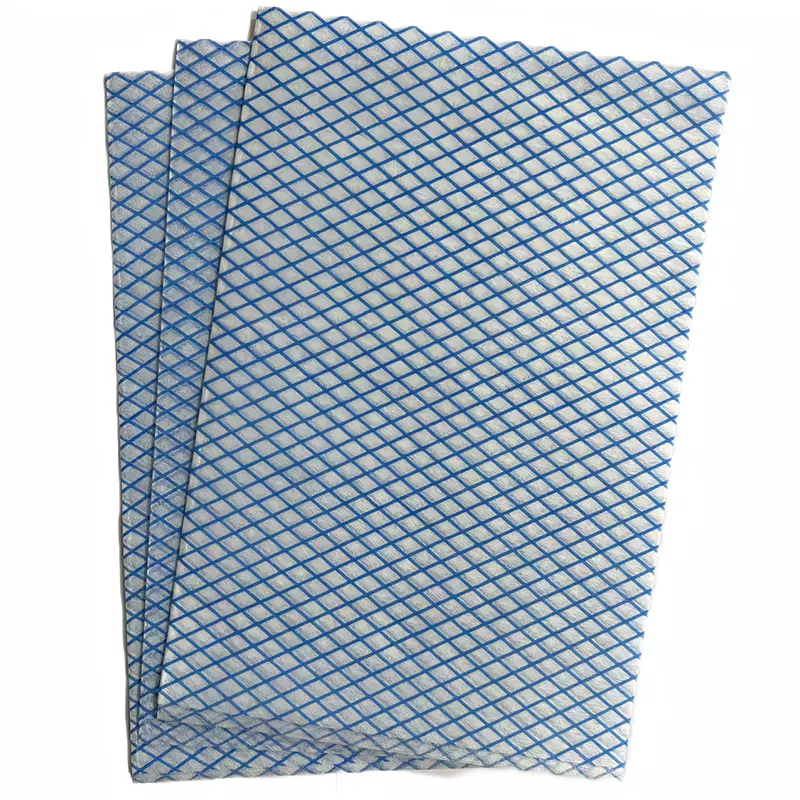
Moreover, PP nonwoven fabric is highly customizable. It can be produced in various colors, thicknesses, and patterns to meet specific customer needs. This adaptability makes it an ideal fabric for promotional materials, home textiles, and packaging solutions. Its ability to be printed on allows for creative designs that enhance branding efforts.
Environmental considerations are increasingly important in today’s market. Fortunately, PP nonwoven fabric can be manufactured using recyclable materials, and it is often reusable and biodegradable under the right conditions. This eco-friendly aspect is appealing to consumers looking for sustainable options in their products.
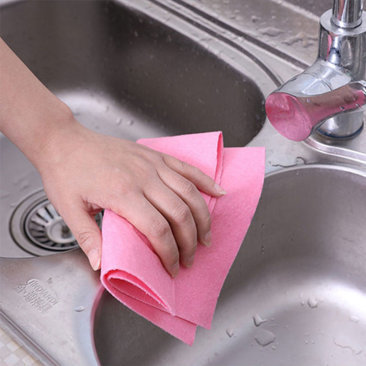
In the hygiene sector, PP nonwoven fabric plays a crucial role in creating products that require high levels of sterility. Its resistance to bacterial penetration makes it an excellent choice for medical and personal care items. Additionally, the fabric's ability to act as a barrier while remaining breathable is particularly valuable in applications such as filters, where airflow is essential.
In conclusion, PP nonwoven fabric offers a plethora of benefits, ranging from its lightweight and customizable nature to its cost-effectiveness and environmental sustainability. Its applications span various industries, making it a versatile material that continues to grow in popularity. As the demand for innovative and sustainable materials increases, PP nonwoven fabric is set to play a pivotal role in shaping the future of the textile industry.
One of the key advantages of PP nonwoven fabric is its lightweight nature. This characteristic makes it easy to handle and transport, while still maintaining durability. Additionally, the fabric is highly breathable and has excellent moisture-wicking properties, which is why it is often used in medical applications, such as surgical gowns and masks. The nonwoven structure allows for better air circulation, making it comfortable for wearers in various settings.
Another significant benefit of PP nonwoven fabric is its cost-effectiveness. The production process is generally more efficient compared to woven fabrics, leading to lower manufacturing costs. This affordability, combined with its durability, positions PP nonwoven fabric as a preferred choice in disposable products, such as diapers, sanitary pads, and agricultural covers.
Moreover, PP nonwoven fabric is highly customizable. It can be produced in various colors, thicknesses, and patterns to meet specific customer needs. This adaptability makes it an ideal fabric for promotional materials, home textiles, and packaging solutions. Its ability to be printed on allows for creative designs that enhance branding efforts.
Environmental considerations are increasingly important in today’s market. Fortunately, PP nonwoven fabric can be manufactured using recyclable materials, and it is often reusable and biodegradable under the right conditions. This eco-friendly aspect is appealing to consumers looking for sustainable options in their products.
In the hygiene sector, PP nonwoven fabric plays a crucial role in creating products that require high levels of sterility. Its resistance to bacterial penetration makes it an excellent choice for medical and personal care items. Additionally, the fabric's ability to act as a barrier while remaining breathable is particularly valuable in applications such as filters, where airflow is essential.
In conclusion, PP nonwoven fabric offers a plethora of benefits, ranging from its lightweight and customizable nature to its cost-effectiveness and environmental sustainability. Its applications span various industries, making it a versatile material that continues to grow in popularity. As the demand for innovative and sustainable materials increases, PP nonwoven fabric is set to play a pivotal role in shaping the future of the textile industry.
PP nonwoven fabric

LEAVE A MESSAGE
MESSAGE