



09
2025
-
09
Polypropylene Nonwoven Fabric: A Sustainable Choice for Your Projects
Polypropylene Nonwoven Fabric: A Sustainable Choice for Your Projects Table of Contents 1. Introduction to Polypropylene Nonwoven Fabric 2. Understanding Nonwoven Fabrics 3. Advantages of Polypropylene Nonwoven Fabric 3.1 Lightweight and Durable 3.2 Eco-Friendly and Recyclable 3.3 Versatile Applications 4. The Manufacturing Process of Polypropylene Nonwoven Fabric 4.1 Spunbonding

Polypropylene Nonwoven Fabric: A Sustainable Choice for Your Projects
Table of Contents
1. Introduction to Polypropylene Nonwoven Fabric
2. Understanding Nonwoven Fabrics
3. Advantages of Polypropylene Nonwoven Fabric
3.1 Lightweight and Durable
3.2 Eco-Friendly and Recyclable
3.3 Versatile Applications
4. The Manufacturing Process of Polypropylene Nonwoven Fabric
4.1 Spunbonding Technology
4.2 Meltblown Technology
5. Comparing Polypropylene Nonwoven Fabric with Other Fabrics
6. Applications of Polypropylene Nonwoven Fabric
6.1 Medical and Hygiene Products
6.2 Agricultural Uses
6.3 Construction and Geotextiles
6.4 Automotive Industry
7. Sustainability and Environmental Impact
8. Frequently Asked Questions (FAQs)
9. Conclusion
1. Introduction to Polypropylene Nonwoven Fabric
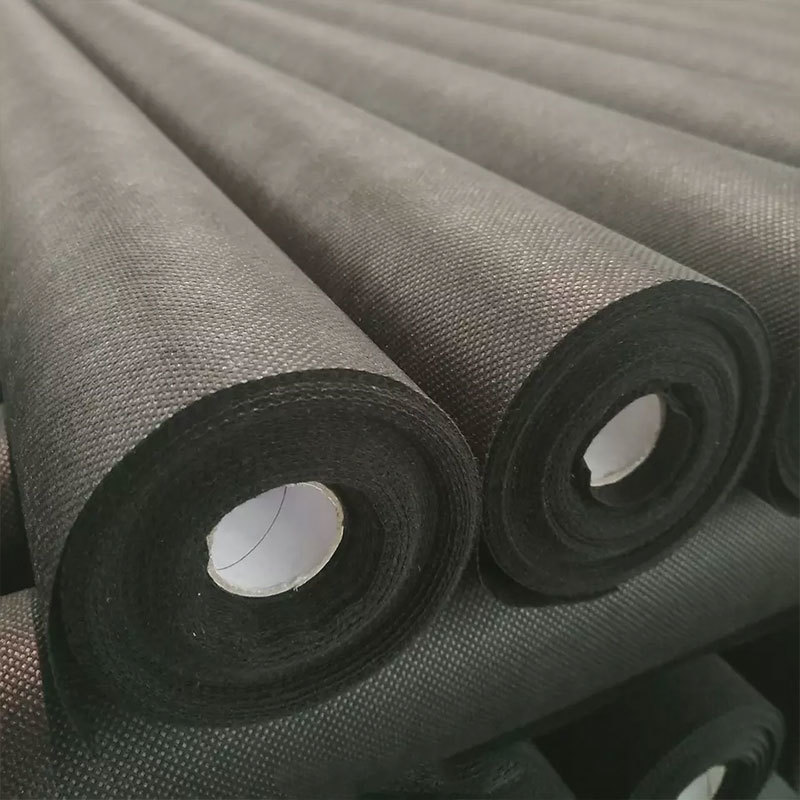
Polypropylene nonwoven fabric, a remarkable textile innovation, is revolutionizing industries by offering sustainable solutions while maintaining functionality and versatility. As a fabric produced without the traditional weaving process, it boasts a unique structure that lends itself to numerous applications. With growing environmental awareness, the demand for sustainable materials has surged, making polypropylene nonwoven fabric an excellent choice for eco-conscious projects.
2. Understanding Nonwoven Fabrics
Nonwoven fabrics are engineered textiles made from fibers that are bonded together through various processes, including mechanical, thermal, or chemical means. Unlike conventional woven fabrics, which interlace threads, nonwovens provide a more consistent surface and can be produced in large quantities with minimal waste. This process contributes to the fabric's affordability and availability, making it an attractive option for manufacturers across different sectors.
3. Advantages of Polypropylene Nonwoven Fabric
Polypropylene nonwoven fabric stands out due to its myriad advantages. Below, we explore some of the key benefits that make it a preferred choice among consumers and manufacturers alike.
3.1 Lightweight and Durable
One of the most notable features of polypropylene nonwoven fabric is its lightweight yet durable nature. This fabric can withstand rough handling while remaining easy to transport and handle, making it ideal for various applications, from shopping bags to protective clothing.
3.2 Eco-Friendly and Recyclable
Polypropylene is a thermoplastic polymer, which means it can be recycled and reused without degrading its quality. This property significantly reduces environmental impact and aligns with global sustainability goals. Additionally, polypropylene nonwoven fabric is often manufactured without harmful chemicals, further enhancing its eco-friendliness.
3.3 Versatile Applications
The versatility of polypropylene nonwoven fabric is unmatched. It can be used in multiple industries, including healthcare, agriculture, automotive, and construction. Its adaptability allows it to serve various functions, from filtration and insulation to packaging and landscaping.
4. The Manufacturing Process of Polypropylene Nonwoven Fabric
The production of polypropylene nonwoven fabric involves several advanced techniques that contribute to its unique properties. Understanding these processes helps appreciate the fabric's quality and capabilities.
4.1 Spunbonding Technology
Spunbonding is a widely used method for producing polypropylene nonwoven fabrics. This process involves extruding molten polymer through spinnerets, which form continuous filaments that are laid down on a moving belt. The filaments are then bonded together using heat and pressure, resulting in a strong and durable fabric.
4.2 Meltblown Technology
Meltblown technology is another critical method for creating polypropylene nonwoven fabrics, particularly those needed for filtration and hygiene products. In this process, molten polymer is extruded through fine nozzles to produce microfibers that are then collected on a surface, where they bond together due to cooling. Meltblown fabrics possess excellent filtration properties, making them essential in medical and industrial applications.
5. Comparing Polypropylene Nonwoven Fabric with Other Fabrics
When considering materials for your projects, it's essential to understand how polypropylene nonwoven fabric compares to other options. While cotton and polyester fabrics have their advantages, polypropylene nonwoven fabric offers unique benefits:
1. **Cost-Effectiveness**: Polypropylene nonwoven fabric is generally less expensive than cotton and polyester, making it an economical choice for large-scale projects.
2. **Water Resistance**: Unlike cotton, which absorbs moisture, polypropylene nonwoven fabric repels water, making it ideal for outdoor applications.
3. **Chemical Resistance**: Polypropylene is resistant to many chemicals, making it suitable for medical and industrial uses where exposure to hazardous substances may occur.
6. Applications of Polypropylene Nonwoven Fabric
The diverse applications of polypropylene nonwoven fabric highlight its versatility and suitability for various projects. Below are some of the most common uses across different industries:
6.1 Medical and Hygiene Products
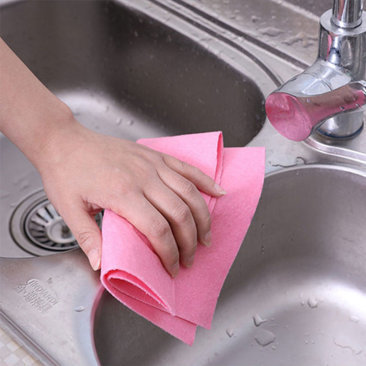
In the medical field, polypropylene nonwoven fabric is widely used for surgical gowns, masks, and drapes. Its breathable yet protective qualities make it an ideal choice for hygiene products, ensuring safety without compromising comfort.
6.2 Agricultural Uses
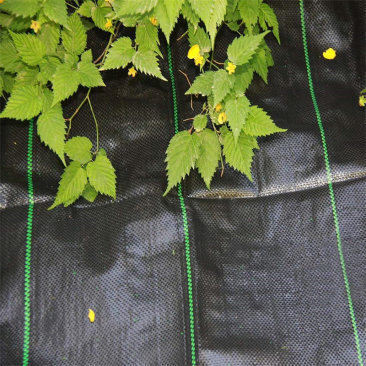
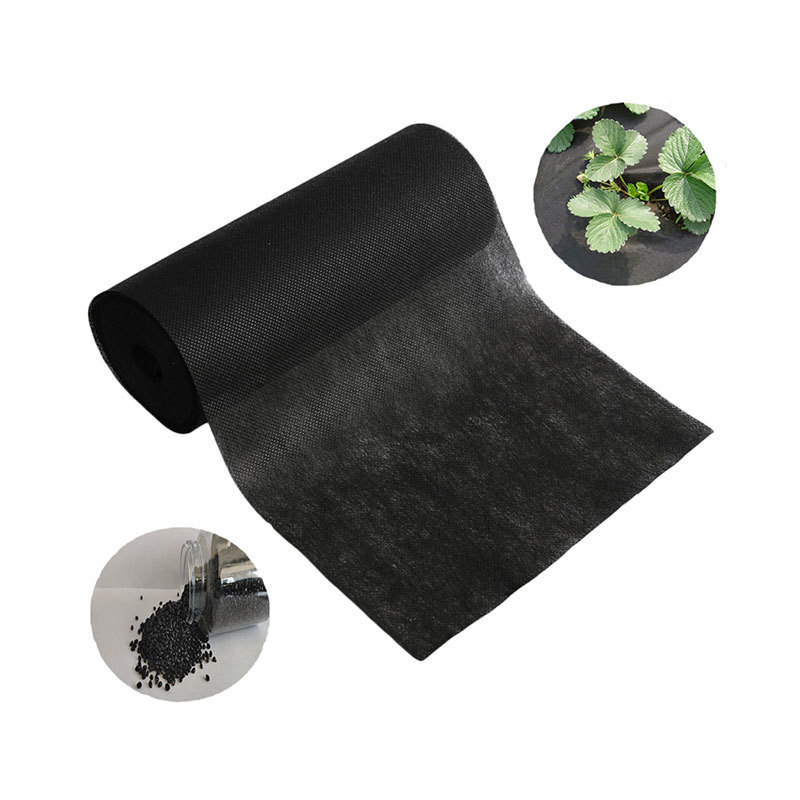
Polypropylene nonwoven fabric is increasingly utilized in agriculture for crop protection, soil erosion control, and weed suppression. Its UV resistance and lightweight nature make it a popular choice among farmers looking to enhance their yields sustainably.
6.3 Construction and Geotextiles
In construction, polypropylene nonwoven fabrics serve as geotextiles, providing stability, filtration, and drainage in various applications, such as road construction and landscaping. Their durability ensures long-lasting performance in harsh environments.
6.4 Automotive Industry
The automotive industry employs polypropylene nonwoven fabric for sound insulation, interior linings, and filtration systems. Its lightweight nature aids in reducing overall vehicle weight, contributing to improved fuel efficiency.
7. Sustainability and Environmental Impact
The environmental benefits of utilizing polypropylene nonwoven fabric cannot be overstated. As industries increasingly focus on sustainability, this fabric has emerged as a frontrunner in eco-friendly solutions. Its production process generates minimal waste, and its recyclability reduces landfill contributions. Furthermore, the longevity of polypropylene nonwoven fabric means fewer resources are consumed over time, making it a responsible choice for environmentally conscious projects.
8. Frequently Asked Questions (FAQs)
1. What makes polypropylene nonwoven fabric eco-friendly?
Polypropylene nonwoven fabric is made from a recyclable thermoplastic and is often produced without harmful chemicals, making it a sustainable choice.
2. Can polypropylene nonwoven fabric be recycled?
Yes, polypropylene nonwoven fabric can be recycled several times without losing quality, promoting a circular economy.
3. What industries commonly use polypropylene nonwoven fabric?
Common applications include healthcare, agriculture, automotive, construction, and filtration industries.
4. How does polypropylene nonwoven fabric compare to cotton?
Polypropylene nonwoven fabric is more water-resistant, cost-effective, and chemically resistant than cotton, making it suitable for various applications.
5. Is polypropylene nonwoven fabric safe for use in medical products?
Yes, polypropylene nonwoven fabric is widely used in medical applications due to its breathable, protective, and non-toxic properties.
9. Conclusion
In conclusion, **polypropylene nonwoven fabric** stands out as a sustainable choice for a multitude of projects across various industries. Its unique properties, such as **lightweight durability**, **water resistance**, and **recyclability**, make it an ideal option for eco-conscious consumers and manufacturers alike. As we continue to seek sustainable solutions in an ever-changing world, polypropylene nonwoven fabric proves to be a forward-thinking material that meets both functional and environmental needs. By choosing this innovative fabric, you can contribute to a greener future while enjoying the benefits of versatility and performance in your projects.
nonwoven fabric polypropylene

LEAVE A MESSAGE
MESSAGE