



21
2025
-
09
Top 5 Advantages of PP Nonwoven Fabric Over Traditional Materials
Top 5 Advantages of PP Nonwoven Fabric Over Traditional Materials Introduction to Nonwoven Fabrics Nonwoven fabrics have revolutionized the textile industry by offering a versatile and efficient alternative to traditional woven and knitted materials. Among these, **polypropylene (PP) nonwoven fabric** stands out due to its exceptional characteristics and diverse applications. Unlike traditional fa

Top 5 Advantages of PP Nonwoven Fabric Over Traditional Materials
Introduction to Nonwoven Fabrics
Nonwoven fabrics have revolutionized the textile industry by offering a versatile and efficient alternative to traditional woven and knitted materials. Among these, **polypropylene (PP) nonwoven fabric** stands out due to its exceptional characteristics and diverse applications. Unlike traditional fabrics, which require intricate weaving processes, nonwoven fabrics are created through bonding fibers together. This guide will highlight the top five advantages of PP nonwoven fabrics, showcasing why they are often preferred over conventional materials.
1. Superior Durability and Strength
PP nonwoven fabrics are renowned for their remarkable durability. The unique manufacturing process enhances the fabric's strength, making it ideal for various applications.
Understanding the Durability of PP Nonwoven Fabric
Polypropylene fibers possess high tensile strength, allowing them to withstand significant stress and strain. This feature makes PP nonwoven fabric suitable for products subjected to heavy use, such as:
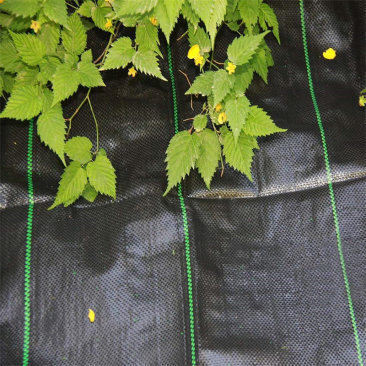
- **Geotextiles**: These are used in civil engineering applications for soil stabilization and erosion control.
- **Medical Supplies**: PP nonwoven fabrics are commonly used in surgical gowns and masks due to their resistance to tearing and puncturing.
Comparison with Traditional Materials
In contrast, traditional fabrics may not provide the same level of durability. Woven textiles often have weaker points due to the nature of their construction, making them susceptible to fraying and wear over time. PP nonwoven fabrics, with their robust structure, outlast many conventional materials, ensuring longevity and reliability.
2. Enhanced Breathability and Comfort
Another significant advantage of PP nonwoven fabric is its excellent breathability. This property not only contributes to comfort but also enhances functionality in various applications.
The Importance of Breathability
Breathability refers to a fabric's ability to allow air and moisture to pass through. PP nonwoven fabric excels in this area, making it a popular choice for:
- **Personal Protective Equipment (PPE)**: The breathability of PP nonwoven fabric ensures comfort for users while providing necessary protection.
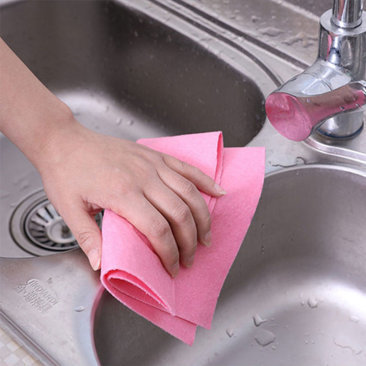
- **Hygiene Products**: Items such as diapers and feminine hygiene products benefit from moisture management, promoting user comfort.
Comfort in Comparison to Traditional Fabrics
Traditional materials can often trap heat and moisture, leading to discomfort, especially during extended wear. In contrast, PP nonwoven fabric maintains a comfortable environment, making it the preferred choice for consumer goods where comfort is paramount.
3. Lightweight and Versatile Applications
One of the standout features of PP nonwoven fabric is its lightweight nature, which contributes to its versatility across various industries.
The Benefits of Lightweight Fabric
Being lightweight allows PP nonwoven fabric to be used in applications where weight is a critical factor. Examples include:
- **Packaging**: The lightweight nature of PP nonwoven fabric makes it an excellent choice for eco-friendly packaging solutions.
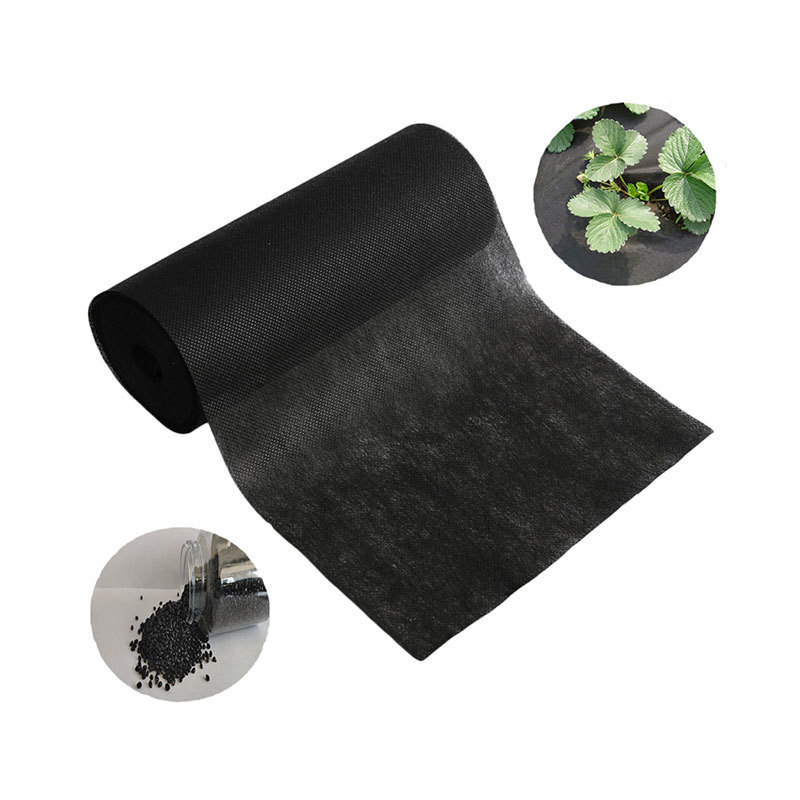
- **Agricultural Fabrics**: Lightweight nonwoven fabrics provide effective crop protection without adding significant weight to the plants.
Versatility in Use Cases
The versatility of PP nonwoven fabric cannot be overstated. It can be engineered to meet specific requirements, including:
- **Different thicknesses and textures**: This adaptability allows PP nonwoven fabric to be used in everything from soft medical dressings to robust industrial applications.
- **Customization**: Manufacturers can incorporate additives to enhance properties like UV resistance or antibacterial features, making PP nonwoven fabric suitable for even more applications.
4. Eco-Friendly and Sustainable Characteristics
In today's environmentally conscious world, sustainability is a significant aspect of material selection. PP nonwoven fabric is often considered more eco-friendly than traditional materials.
Understanding the Sustainability of PP Nonwoven Fabric
PP nonwoven fabrics are made from polypropylene, a thermoplastic polymer that is recyclable. This characteristic supports a circular economy, reducing waste and promoting sustainability.
Comparative Eco-Friendliness
Traditional fabrics often involve processes that contribute to environmental pollution, such as dyeing and chemical treatments. In contrast, the production of PP nonwoven fabric can be more environmentally friendly, with options available for biodegradable varieties that decompose more efficiently than their traditional counterparts.
5. Cost-Effectiveness in Production
The cost-effectiveness of PP nonwoven fabric is a crucial advantage, especially for manufacturers and businesses looking to optimize expenses without compromising quality.
The Economics of Production
PP nonwoven fabric can be produced at a lower cost compared to many traditional fabrics due to streamlined manufacturing processes. The reduced labor and time required to produce nonwoven fabrics lead to significant cost savings.
Impact on Market Pricing
Lower production costs often translate to more competitive pricing in the market. This pricing advantage makes PP nonwoven fabrics accessible for various applications, from disposable items to durable goods, allowing businesses to offer affordable solutions to consumers.
FAQs about PP Nonwoven Fabric
1. What is PP nonwoven fabric made of?
PP nonwoven fabric is primarily made from polypropylene fibers, which are bonded together through various methods, such as heat or chemical bonding.
2. How is PP nonwoven fabric different from woven fabric?
Unlike woven fabric, which is created by intertwining yarns, PP nonwoven fabric is formed by directly bonding fibers together, resulting in a different texture and structure.
3. Is PP nonwoven fabric recyclable?
Yes, PP nonwoven fabric is recyclable, which contributes to its sustainability and makes it a more eco-friendly option compared to some traditional materials.
4. What are some common uses for PP nonwoven fabric?
PP nonwoven fabric is used in various applications, including medical supplies, hygiene products, agricultural fabrics, and packaging materials.
5. How does PP nonwoven fabric contribute to hygiene?
Due to its breathability and moisture-wicking properties, PP nonwoven fabric is commonly used in hygiene products, ensuring comfort while maintaining cleanliness.
Conclusion
In conclusion, polypropylene (PP) nonwoven fabric presents numerous advantages over traditional materials that make it an increasingly popular choice across various industries. Its **superior durability**, **enhanced breathability**, and **lightweight versatility** cater to modern demands for functionality and comfort. Moreover, its **eco-friendly characteristics** and **cost-effectiveness in production** solidify its position as a forward-thinking alternative to conventional textiles. As the industry continues to innovate, PP nonwoven fabric is poised to play a significant role in shaping the future of materials, appealing to both manufacturers and consumers alike.
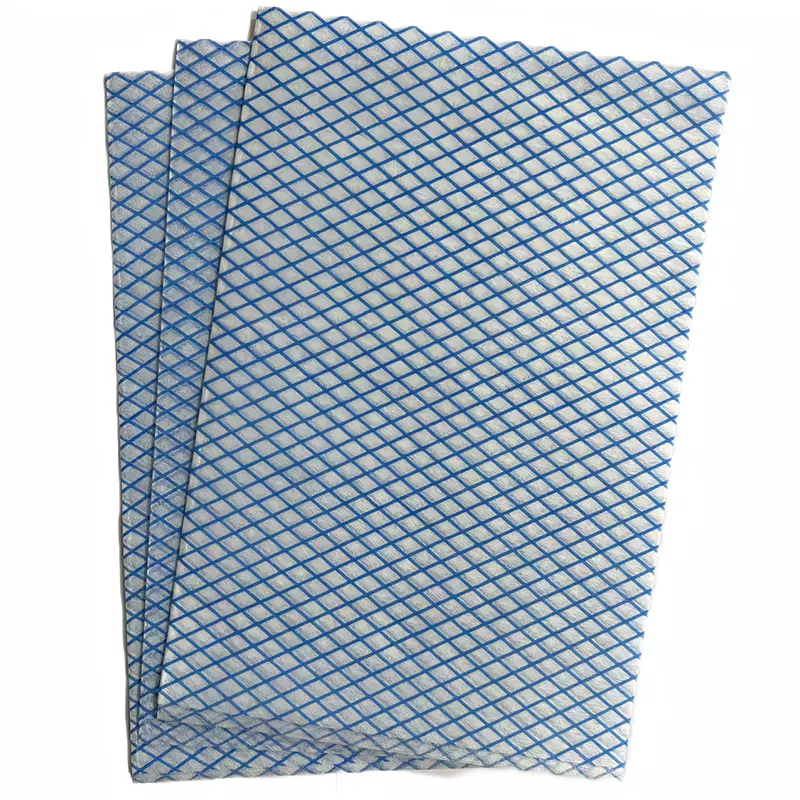
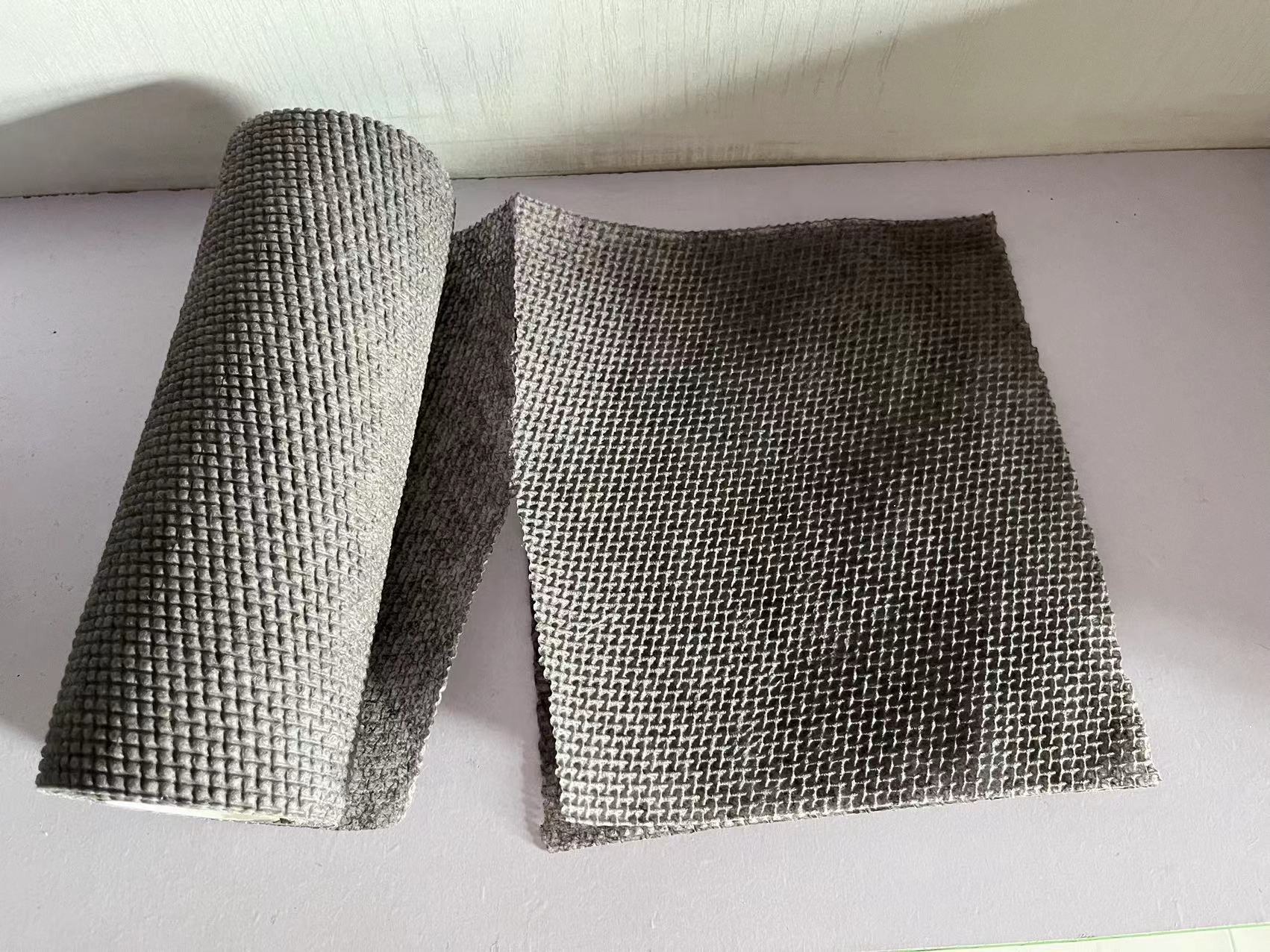
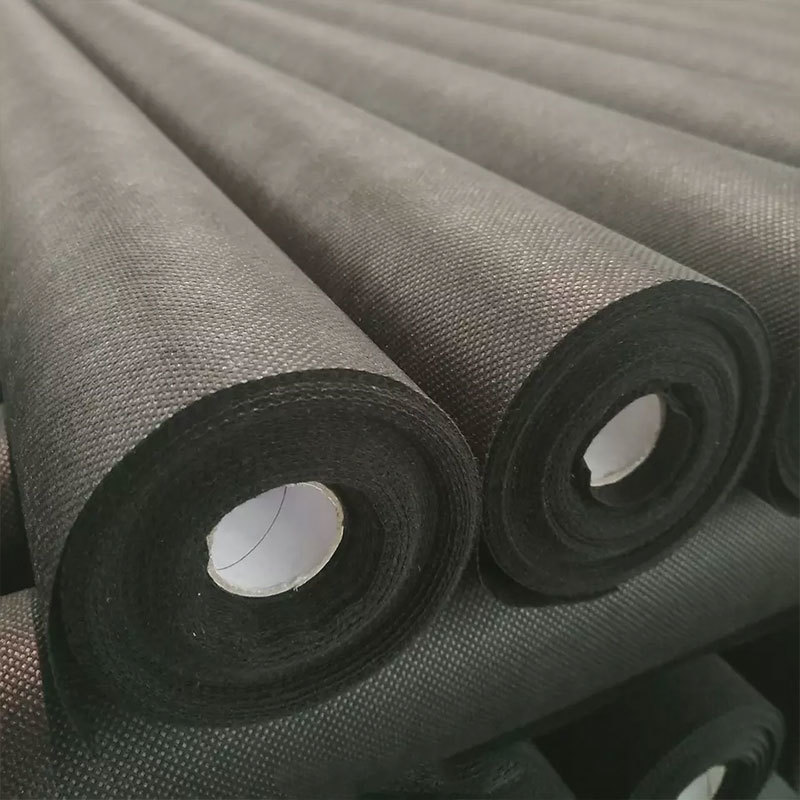
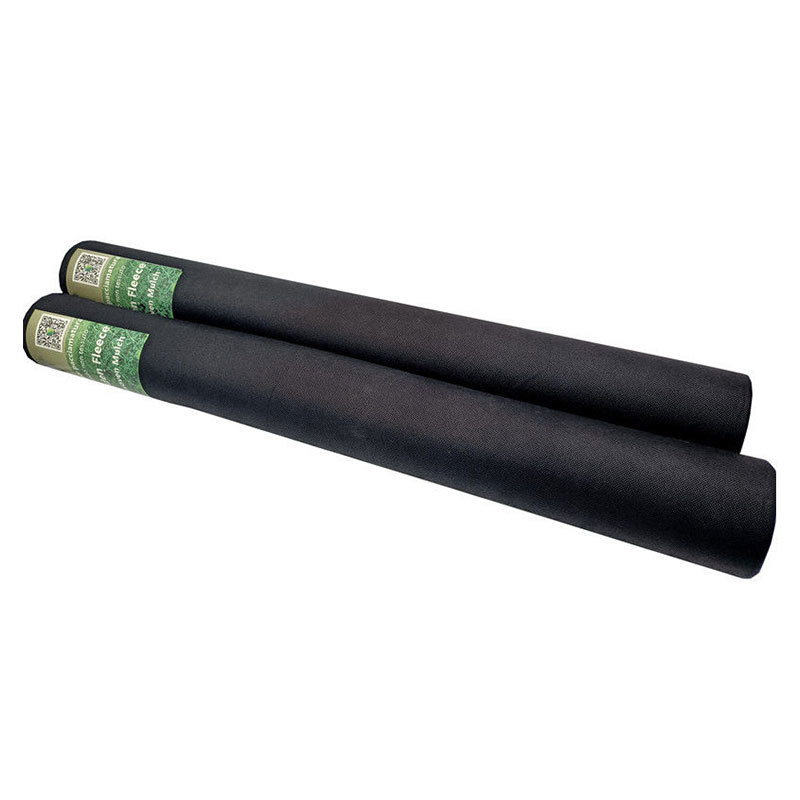
PP nonwoven fabric

LEAVE A MESSAGE
MESSAGE