



24
2025
-
09
Exploring the Versatility of Nonwoven Fabric Polypropylene
Nonwoven fabric polypropylene is a synthetic material that has garnered significant attention in the textile industry due to its versatility and functionality. Unlike traditional woven fabrics, nonwoven fabrics are created by bonding fibers together using methods such as thermal, chemical, or mechanical processes. This results in a material that is not only lightweight but also possesses a variety

Nonwoven fabric polypropylene is a synthetic material that has garnered significant attention in the textile industry due to its versatility and functionality. Unlike traditional woven fabrics, nonwoven fabrics are created by bonding fibers together using methods such as thermal, chemical, or mechanical processes. This results in a material that is not only lightweight but also possesses a variety of beneficial properties.
One of the standout features of nonwoven fabric polypropylene is its durability. This fabric is resistant to tears and abrasions, making it ideal for applications where strength is crucial. Additionally, polypropylene fibers have inherent water-repellent properties, which means that they can resist moisture, allowing for their use in various environments, from medical applications to outdoor gear.
Another important aspect is the breathability of nonwoven polypropylene fabrics. This characteristic makes them suitable for applications like face masks, where air needs to circulate while still providing a barrier against contaminants. The fabric can also be engineered to have different levels of density and thickness, further expanding its range of uses.
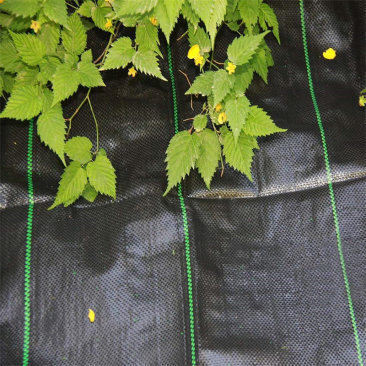
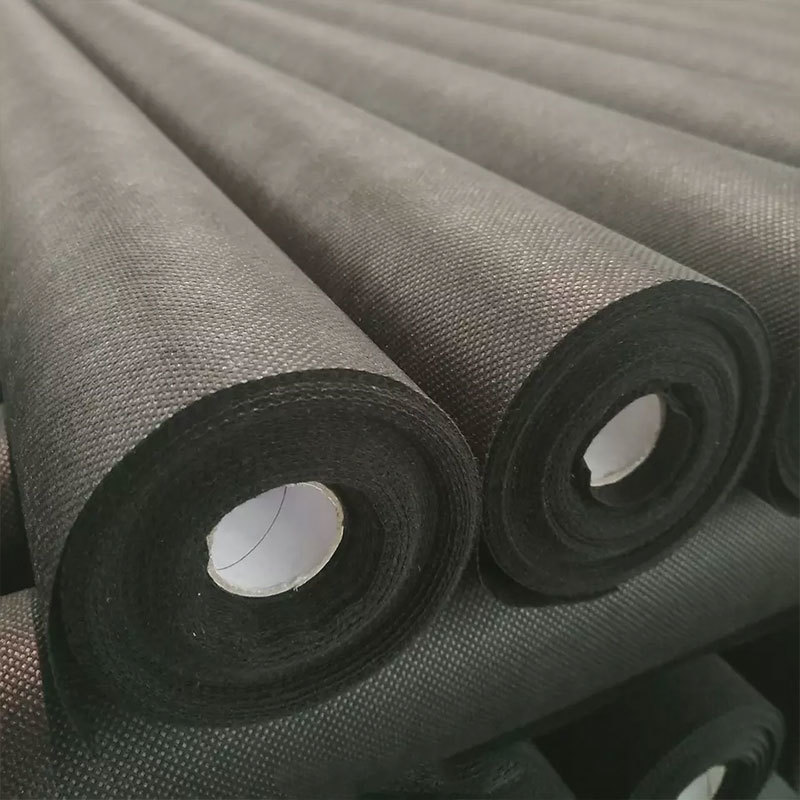
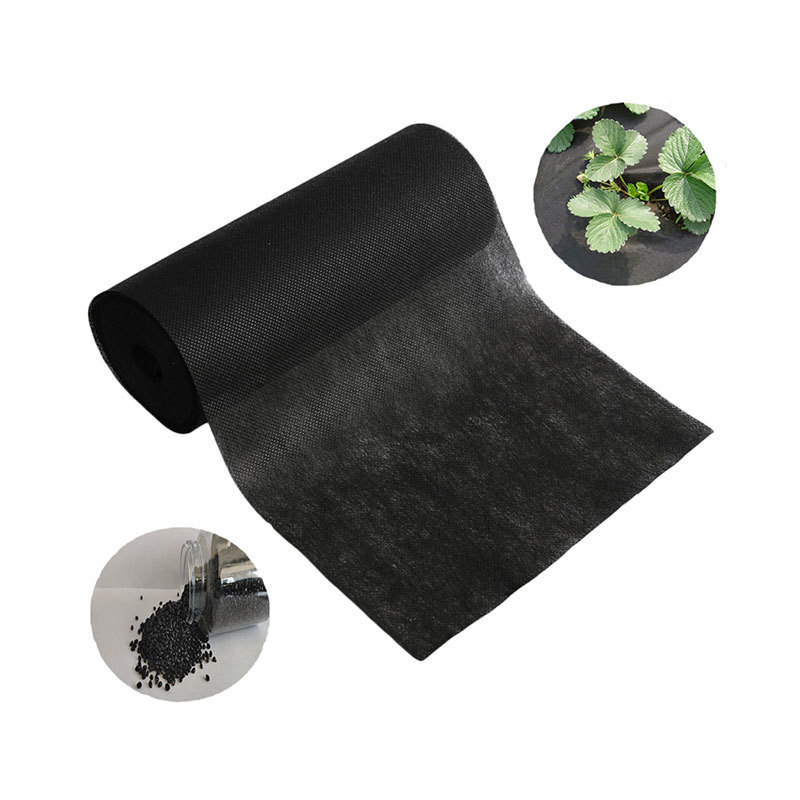
In the agricultural sector, nonwoven fabric polypropylene plays a pivotal role. It is often used as mulch films or row covers, helping to regulate soil temperature and moisture, while also preventing weed growth. Its UV-resistant properties enhance its effectiveness in outdoor applications, ensuring that it can withstand the elements over extended periods.
Moreover, the environmental impact of nonwoven fabric polypropylene is a growing area of interest. While polypropylene itself is a plastic and can contribute to environmental concerns, it is important to highlight that many manufacturers are exploring sustainable practices. This includes the development of biodegradable options and recycling programs to minimize waste. Additionally, the lightweight nature of nonwoven fabrics can lead to reduced material usage in packaging and other applications, promoting efficiency.
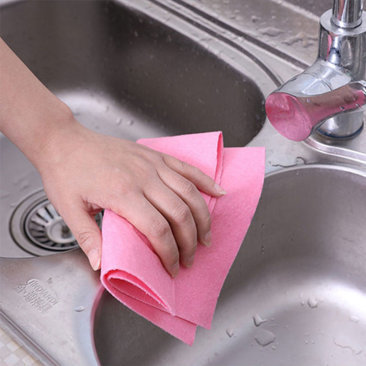
In the healthcare industry, nonwoven fabric polypropylene is extensively utilized for making surgical gowns, drapes, and other medical supplies due to its barrier properties and ability to maintain sterility. The fabric’s surface can also be treated to enhance its antimicrobial properties, providing an additional layer of protection in clinical settings.
In summary, nonwoven fabric polypropylene stands out in the textile industry for its durability, versatility, and wide-ranging applications. As innovation continues in this field, the potential for new uses and environmentally friendly practices holds great promise. Understanding its properties and benefits can help industries make informed choices when selecting materials for their specific needs. Whether in agriculture, healthcare, or consumer products, nonwoven fabric polypropylene remains a crucial component in modern textile solutions.
One of the standout features of nonwoven fabric polypropylene is its durability. This fabric is resistant to tears and abrasions, making it ideal for applications where strength is crucial. Additionally, polypropylene fibers have inherent water-repellent properties, which means that they can resist moisture, allowing for their use in various environments, from medical applications to outdoor gear.
Another important aspect is the breathability of nonwoven polypropylene fabrics. This characteristic makes them suitable for applications like face masks, where air needs to circulate while still providing a barrier against contaminants. The fabric can also be engineered to have different levels of density and thickness, further expanding its range of uses.
In the agricultural sector, nonwoven fabric polypropylene plays a pivotal role. It is often used as mulch films or row covers, helping to regulate soil temperature and moisture, while also preventing weed growth. Its UV-resistant properties enhance its effectiveness in outdoor applications, ensuring that it can withstand the elements over extended periods.
Moreover, the environmental impact of nonwoven fabric polypropylene is a growing area of interest. While polypropylene itself is a plastic and can contribute to environmental concerns, it is important to highlight that many manufacturers are exploring sustainable practices. This includes the development of biodegradable options and recycling programs to minimize waste. Additionally, the lightweight nature of nonwoven fabrics can lead to reduced material usage in packaging and other applications, promoting efficiency.
In the healthcare industry, nonwoven fabric polypropylene is extensively utilized for making surgical gowns, drapes, and other medical supplies due to its barrier properties and ability to maintain sterility. The fabric’s surface can also be treated to enhance its antimicrobial properties, providing an additional layer of protection in clinical settings.
In summary, nonwoven fabric polypropylene stands out in the textile industry for its durability, versatility, and wide-ranging applications. As innovation continues in this field, the potential for new uses and environmentally friendly practices holds great promise. Understanding its properties and benefits can help industries make informed choices when selecting materials for their specific needs. Whether in agriculture, healthcare, or consumer products, nonwoven fabric polypropylene remains a crucial component in modern textile solutions.
nonwoven fabric polypropylene

LEAVE A MESSAGE
MESSAGE