




26
2025
-
09
Understanding Polyester Spunbond Nonwoven Fabric: Applications and Benefits
Polyester Spunbond Nonwoven Fabric is a remarkable material that has gained popularity in various applications due to its unique properties and versatility. Unlike traditional woven fabrics, nonwoven fabrics are engineered through a process that involves bonding fibers together without weaving. Polyester, a type of synthetic polymer, is often chosen for its excellent strength, durability, and resi

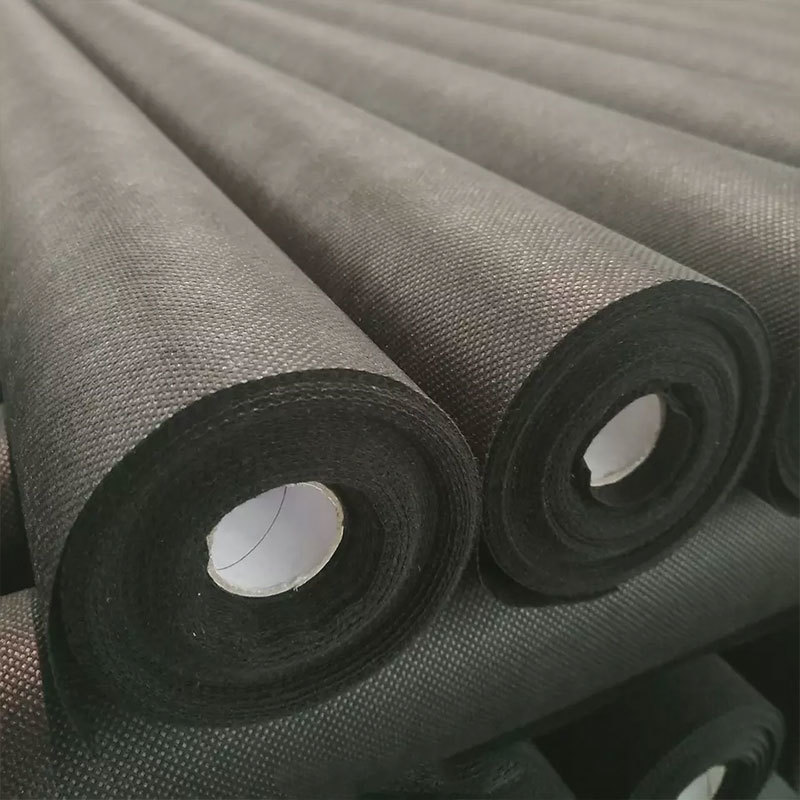
Polyester Spunbond Nonwoven Fabric is a remarkable material that has gained popularity in various applications due to its unique properties and versatility. Unlike traditional woven fabrics, nonwoven fabrics are engineered through a process that involves bonding fibers together without weaving. Polyester, a type of synthetic polymer, is often chosen for its excellent strength, durability, and resistance to environmental factors.
One of the key advantages of Polyester Spunbond Nonwoven Fabric is its lightweight nature, which makes it easy to handle and manipulate for various uses. Its nonwoven structure grants it the ability to maintain shape while offering breathability, making it ideal for applications that require air and moisture permeability. This feature is particularly valuable in sectors such as healthcare, where the fabric is utilized in disposable medical gowns, surgical drapes, and other protective apparel.
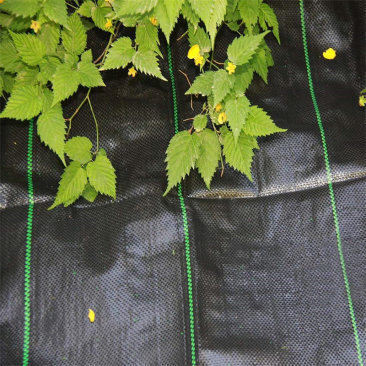
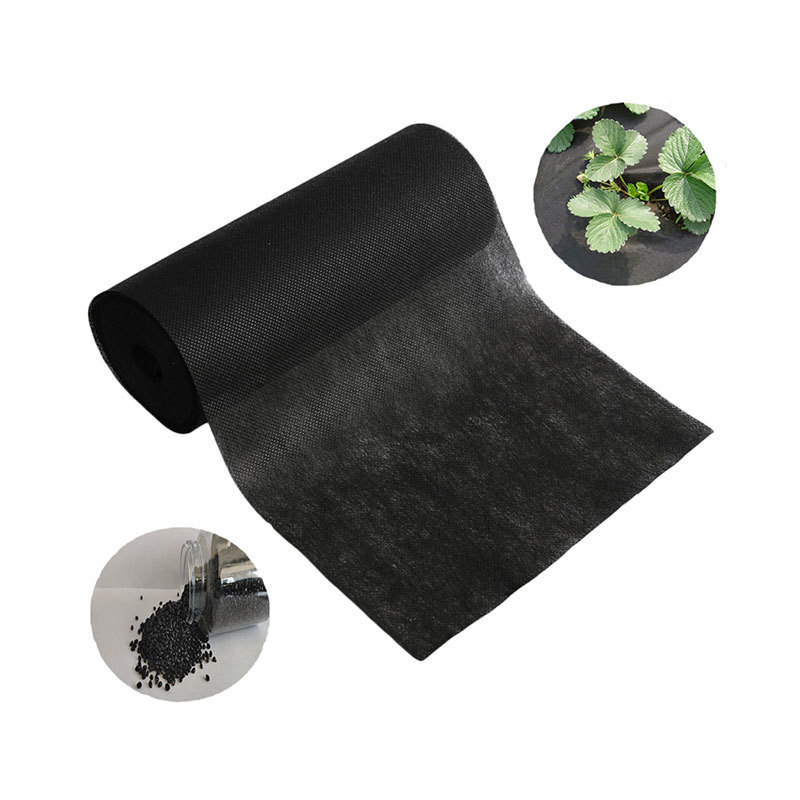
In addition to healthcare, this type of nonwoven fabric finds its place in the agricultural sector, where it is used for crop covers and weed control fabrics. The breathable nature of Polyester Spunbond Nonwoven Fabric allows for effective protection against harmful environmental factors while still enabling air and moisture to reach the plants. Moreover, its durability ensures that it can withstand various weather conditions, providing long-lasting effectiveness in the field.
The environmental impact of materials is a critical consideration today, and Polyester Spunbond Nonwoven Fabric has its advantages here as well. It can be produced with a lower carbon footprint compared to some traditional fabrics, and many manufacturers are adopting sustainable production practices. Additionally, nonwoven fabrics can often be recycled or repurposed, contributing to a circular economy and reducing waste.
Another significant benefit of Polyester Spunbond Nonwoven Fabric is its versatility in the consumer market. From personal protective equipment (PPE) to home furnishings, this fabric can be utilized in various products, including upholstery, filters, and insulation materials. Its ability to be dyed and printed allows for a range of aesthetic options, catering to consumer preferences in design and style.
In conclusion, Polyester Spunbond Nonwoven Fabric stands out as a multifunctional material with diverse applications across several industries. Its unique properties, combined with its environmental benefits, position it as a suitable choice for manufacturers and consumers alike. Whether in healthcare, agriculture, or everyday consumer products, this fabric continues to play a crucial role in meeting the demands of modern society. Understanding the advantages and applications of Polyester Spunbond Nonwoven Fabric is essential for anyone looking to explore innovative textile solutions in today's market.
One of the key advantages of Polyester Spunbond Nonwoven Fabric is its lightweight nature, which makes it easy to handle and manipulate for various uses. Its nonwoven structure grants it the ability to maintain shape while offering breathability, making it ideal for applications that require air and moisture permeability. This feature is particularly valuable in sectors such as healthcare, where the fabric is utilized in disposable medical gowns, surgical drapes, and other protective apparel.
In addition to healthcare, this type of nonwoven fabric finds its place in the agricultural sector, where it is used for crop covers and weed control fabrics. The breathable nature of Polyester Spunbond Nonwoven Fabric allows for effective protection against harmful environmental factors while still enabling air and moisture to reach the plants. Moreover, its durability ensures that it can withstand various weather conditions, providing long-lasting effectiveness in the field.
The environmental impact of materials is a critical consideration today, and Polyester Spunbond Nonwoven Fabric has its advantages here as well. It can be produced with a lower carbon footprint compared to some traditional fabrics, and many manufacturers are adopting sustainable production practices. Additionally, nonwoven fabrics can often be recycled or repurposed, contributing to a circular economy and reducing waste.
Another significant benefit of Polyester Spunbond Nonwoven Fabric is its versatility in the consumer market. From personal protective equipment (PPE) to home furnishings, this fabric can be utilized in various products, including upholstery, filters, and insulation materials. Its ability to be dyed and printed allows for a range of aesthetic options, catering to consumer preferences in design and style.
In conclusion, Polyester Spunbond Nonwoven Fabric stands out as a multifunctional material with diverse applications across several industries. Its unique properties, combined with its environmental benefits, position it as a suitable choice for manufacturers and consumers alike. Whether in healthcare, agriculture, or everyday consumer products, this fabric continues to play a crucial role in meeting the demands of modern society. Understanding the advantages and applications of Polyester Spunbond Nonwoven Fabric is essential for anyone looking to explore innovative textile solutions in today's market.
Polyester Spunbond Nonwoven Fabric

LEAVE A MESSAGE
MESSAGE