



28
2025
-
09
Understanding Geotextile Landscape Fabric: Essential Insights for Building Professionals
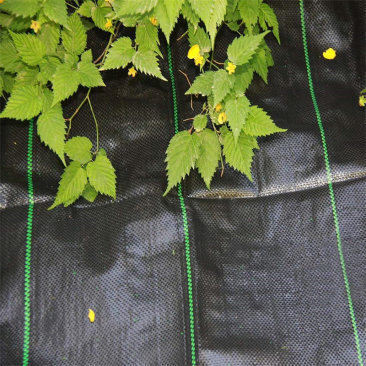
Geotextile landscape fabric plays a crucial role in modern construction and landscaping projects, offering multiple benefits that enhance both the functionality and durability of various applications. As a versatile material, geotextile fabric is primarily used for soil stabilization, erosion control, and drainage management. Its unique properties make it an invaluable asset for professionals in t

Geotextile landscape fabric plays a crucial role in modern construction and landscaping projects, offering multiple benefits that enhance both the functionality and durability of various applications. As a versatile material, geotextile fabric is primarily used for soil stabilization, erosion control, and drainage management. Its unique properties make it an invaluable asset for professionals in the construction and decorative materials industry.
One of the primary functions of geotextile landscape fabric is to separate different soil types. By preventing the mixing of soil layers, it helps maintain the integrity of the soil structure, which is essential for supporting landscaping and construction elements. This separation reduces the risk of compaction, ensuring better drainage and reducing the potential for soil erosion. Moreover, when used in conjunction with aggregates, geotextile fabric enhances the load-bearing capacity of the ground, making it suitable for driveways, paths, and other high-traffic areas.
In addition to its separation qualities, geotextile landscape fabric is also vital for erosion control. When installed on slopes or other vulnerable areas, it acts as a protective barrier against wind and water erosion. The fabric allows water to flow through while retaining soil, preventing the loss of valuable topsoil and promoting healthy plant growth. This aspect is particularly beneficial for landscaping projects, where maintaining soil health is crucial for the long-term success of vegetation.
Drainage is another significant function of geotextile landscape fabric. In areas prone to waterlogging, the fabric facilitates efficient drainage by allowing excess water to pass through while filtering out sediment and debris. This property helps prevent water accumulation, which can lead to structural damage and plant root rot. By incorporating geotextile fabric into your drainage solutions, you can enhance the longevity and reliability of your projects.
When selecting geotextile landscape fabric, it is essential to consider the specific requirements of your project. Factors such as soil type, intended use, and environmental conditions should guide your choice. Additionally, understanding the difference between woven and non-woven fabrics can help you select the best option for your application. Woven fabrics provide higher tensile strength and are suitable for applications requiring soil separation, while non-woven fabrics offer excellent filtration properties and are ideal for drainage solutions.
In conclusion, geotextile landscape fabric is a fundamental material that offers numerous benefits for construction and landscaping applications. By understanding its properties and uses, professionals can make informed decisions that enhance project outcomes. Whether you are focused on erosion control, drainage management, or soil stabilization, incorporating geotextile fabric into your designs can lead to more successful and sustainable results.
One of the primary functions of geotextile landscape fabric is to separate different soil types. By preventing the mixing of soil layers, it helps maintain the integrity of the soil structure, which is essential for supporting landscaping and construction elements. This separation reduces the risk of compaction, ensuring better drainage and reducing the potential for soil erosion. Moreover, when used in conjunction with aggregates, geotextile fabric enhances the load-bearing capacity of the ground, making it suitable for driveways, paths, and other high-traffic areas.
In addition to its separation qualities, geotextile landscape fabric is also vital for erosion control. When installed on slopes or other vulnerable areas, it acts as a protective barrier against wind and water erosion. The fabric allows water to flow through while retaining soil, preventing the loss of valuable topsoil and promoting healthy plant growth. This aspect is particularly beneficial for landscaping projects, where maintaining soil health is crucial for the long-term success of vegetation.
Drainage is another significant function of geotextile landscape fabric. In areas prone to waterlogging, the fabric facilitates efficient drainage by allowing excess water to pass through while filtering out sediment and debris. This property helps prevent water accumulation, which can lead to structural damage and plant root rot. By incorporating geotextile fabric into your drainage solutions, you can enhance the longevity and reliability of your projects.
When selecting geotextile landscape fabric, it is essential to consider the specific requirements of your project. Factors such as soil type, intended use, and environmental conditions should guide your choice. Additionally, understanding the difference between woven and non-woven fabrics can help you select the best option for your application. Woven fabrics provide higher tensile strength and are suitable for applications requiring soil separation, while non-woven fabrics offer excellent filtration properties and are ideal for drainage solutions.
In conclusion, geotextile landscape fabric is a fundamental material that offers numerous benefits for construction and landscaping applications. By understanding its properties and uses, professionals can make informed decisions that enhance project outcomes. Whether you are focused on erosion control, drainage management, or soil stabilization, incorporating geotextile fabric into your designs can lead to more successful and sustainable results.
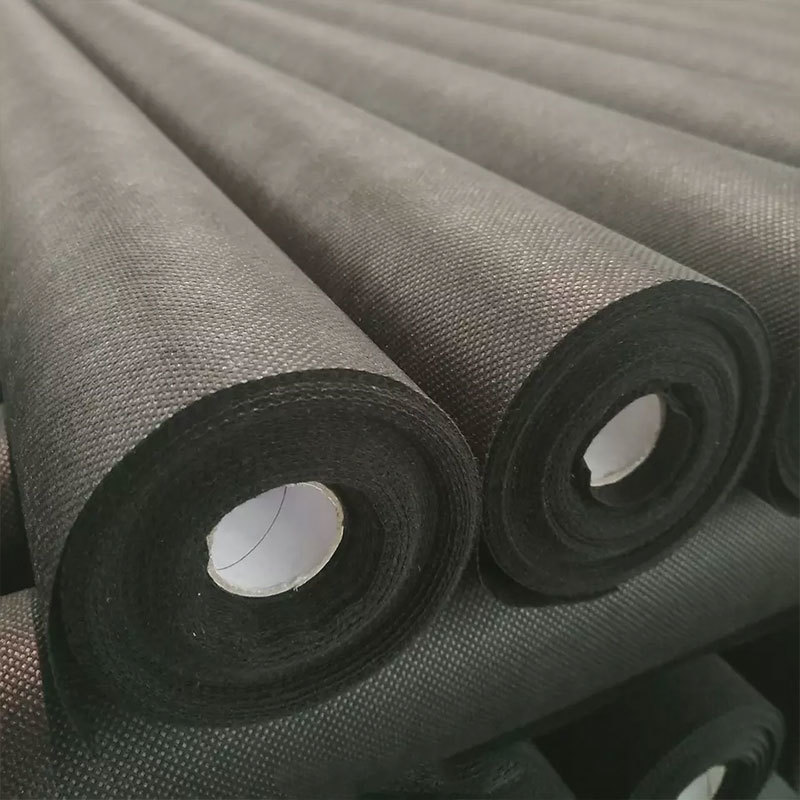
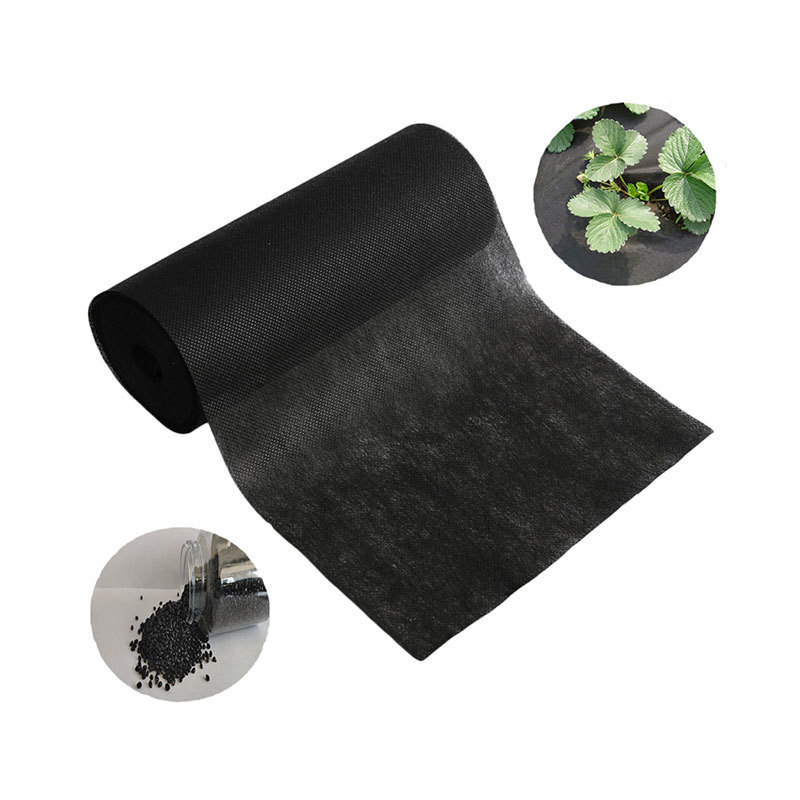
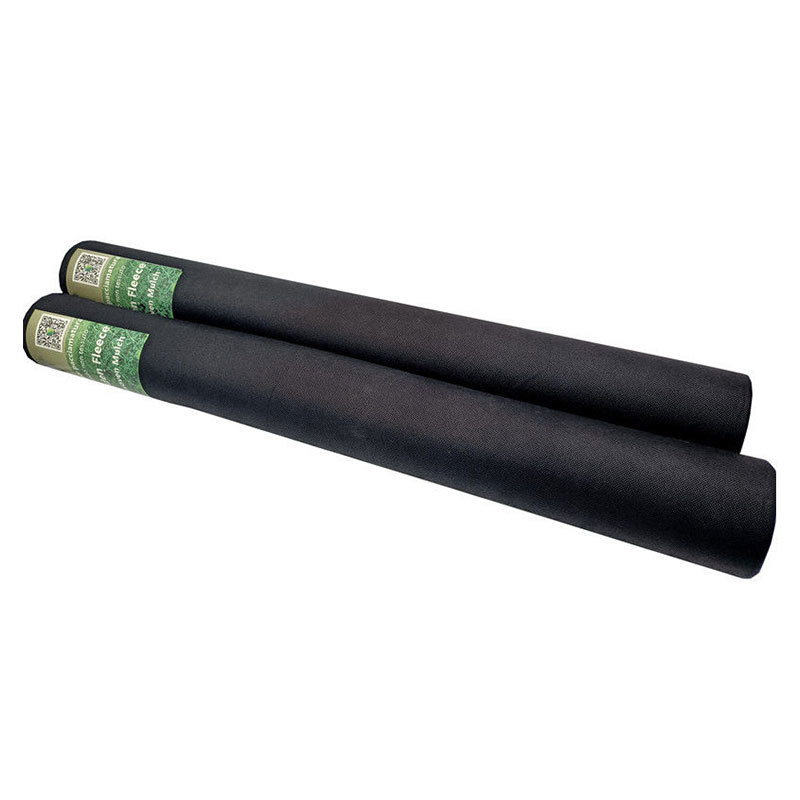
geotextile landscape fabric

LEAVE A MESSAGE
MESSAGE