




05
2025
-
10
Effective Strategies for Maintaining Your Ground Fabric for Long-Term Weed Control
Effective Strategies for Maintaining Your Ground Fabric for Long-Term Weed Control Ground fabric, often referred to as landscape fabric or geotextiles, plays a crucial role in controlling weeds while promoting healthy soil and plant growth. In this detailed guide, we will explore how to effectively maintain your ground fabric to ensure it serves its purpose for years to come. By following best pra

Effective Strategies for Maintaining Your Ground Fabric for Long-Term Weed Control
Ground fabric, often referred to as landscape fabric or geotextiles, plays a crucial role in controlling weeds while promoting healthy soil and plant growth. In this detailed guide, we will explore how to effectively maintain your ground fabric to ensure it serves its purpose for years to come. By following best practices and understanding the maintenance process, we can guarantee a thriving garden or construction site.
Table of Contents
1. Understanding Ground Fabric and Its Benefits
2. Choosing the Right Ground Fabric for Your Needs
3. Proper Installation Techniques for Maximum Efficiency
4. Regular Maintenance: Key Practices for Longevity
5. Addressing Common Issues with Ground Fabric
6. Seasonal Considerations for Ground Fabric Maintenance
7. Best Practices for Weed Control with Ground Fabric
8. Frequently Asked Questions About Ground Fabric Maintenance
9. Conclusion: Enhance the Lifespan of Your Ground Fabric
1. Understanding Ground Fabric and Its Benefits
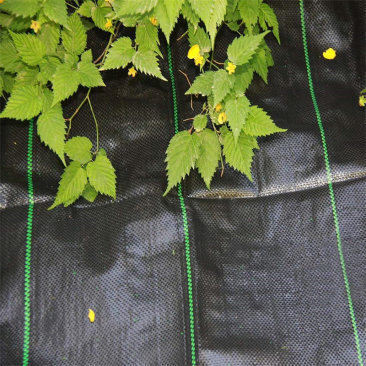
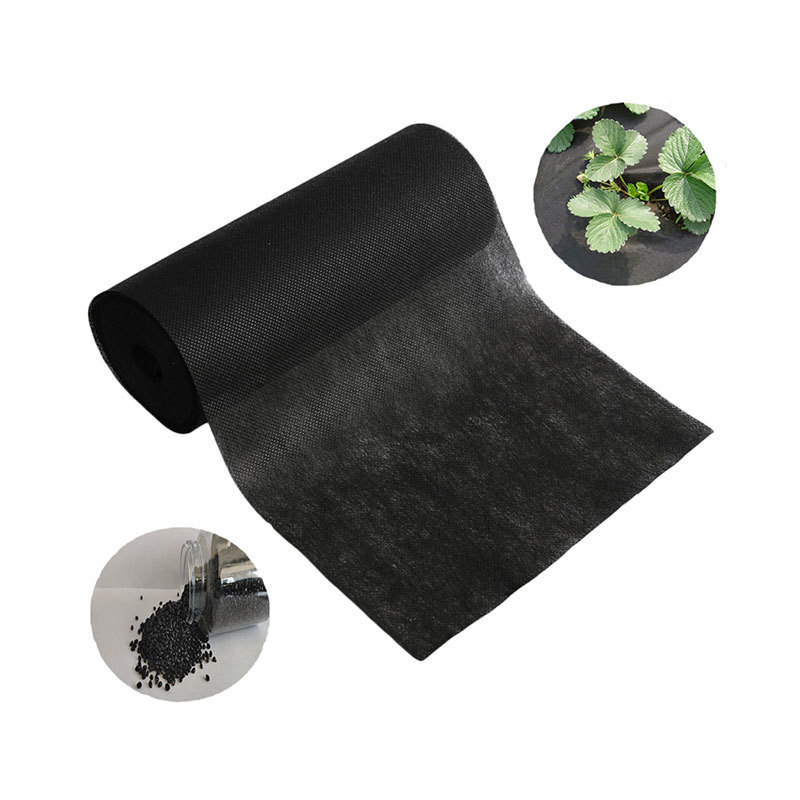
Ground fabric is a permeable material laid on soil to prevent weed growth while allowing water and nutrients to pass through. It is particularly beneficial in gardens, landscaping projects, and construction sites. The primary benefits of using ground fabric include:
- **Weed Suppression**: Ground fabric significantly reduces the number of weeds that can grow, minimizing the need for chemical herbicides.
- **Soil Moisture Retention**: The fabric helps retain soil moisture, reducing the frequency of watering required.
- **Erosion Control**: It prevents soil erosion by stabilizing the ground and reducing runoff during heavy rains.
- **Enhanced Aesthetic Appeal**: By providing a clean and organized look, ground fabric contributes to the overall beauty of landscaped areas.
2. Choosing the Right Ground Fabric for Your Needs
Selecting the appropriate ground fabric is essential for effective weed control. Factors to consider include:
- **Material Type**: Ground fabrics are typically made from woven or non-woven polypropylene or natural fibers. Woven fabrics offer durability, while non-woven options excel in water drainage.
- **Weight**: Heavier fabrics are more durable and suitable for high-traffic areas. Lighter fabrics can be used for gardens and flower beds.
- **Permeability**: Ensure the fabric allows for adequate water and air penetration to promote healthy soil.
3. Proper Installation Techniques for Maximum Efficiency
The effectiveness of ground fabric depends significantly on proper installation. Follow these steps for optimal results:
3.1. Preparing the Soil
Before laying down the fabric, clear the area of all debris, rocks, and existing weeds. Level the soil to create a uniform surface, which aids in effective water drainage.
3.2. Laying the Fabric
- **Cut the Fabric**: Measure the area and cut the fabric to size, leaving extra material to overlap seams.
- **Positioning**: Lay the fabric flat against the soil, ensuring it does not bunch or fold.
- **Securing the Fabric**: Use landscape staples or stakes to secure the edges and corners to prevent shifting due to wind or water flow.
3.3. Covering the Fabric
To protect the fabric from UV damage and create an appealing surface, cover it with mulch, gravel, or soil. This layer also adds weight, helping to keep the fabric in place.
4. Regular Maintenance: Key Practices for Longevity
Maintaining your ground fabric is essential for its longevity and effectiveness. Here are some vital maintenance practices:
4.1. Periodic Inspections
Regularly inspect the ground fabric for any signs of damage, such as tears or holes. Early detection allows for prompt repairs, preventing weeds from gaining a foothold.
4.2. Cleaning Debris
Remove debris, leaves, and organic matter from the surface of the fabric. Accumulated debris can promote weed growth and hinder water penetration.
4.3. Reapplying Mulch
Over time, mulch may break down or wash away. Regularly reapplying a layer of mulch not only enhances aesthetics but also provides additional weed control.
4.4. Edge Maintenance
Ensure that the edges of the ground fabric remain secured and free from weeds. Trim any overhanging plants that may encroach upon the fabric.
5. Addressing Common Issues with Ground Fabric
Despite its effectiveness, ground fabric can face challenges. Understanding these issues can help in mitigating them efficiently:
5.1. Weed Growth
If weeds do manage to sprout through the fabric, they may be rooted below the surface. Pull them out by hand, ensuring you remove the entire root system to prevent regrowth.
5.2. Fabric Damage
Tears and punctures can occur due to heavy foot traffic or sharp objects. Use fabric tape or patches made from the same material to repair any damage promptly.
5.3. Soil Compaction
Soil compaction can limit water penetration and airflow. Aerate the soil around the fabric periodically to maintain healthy soil conditions.
6. Seasonal Considerations for Ground Fabric Maintenance
Different seasons bring unique challenges for maintaining ground fabric. Here’s how to adapt your maintenance routine:
6.1. Spring Preparation
As the weather warms, inspect for winter damage and clear away any debris or excess mulch. This is also an ideal time to reapply mulch and prepare the area for planting.
6.2. Summer Care
In hotter months, monitor for signs of dehydration in plants. Ensure the fabric is not obstructing water flow and that the mulch is adequate for moisture retention.
6.3. Fall Cleanup
Before winter, remove fallen leaves and organic matter to prevent mold growth. Consider adding a fresh layer of mulch to protect the fabric from harsh winter conditions.
6.4. Winter Protection
In colder climates, check for accumulated snow or ice on the fabric. Ensure that it is adequately secured to prevent damage from heavy snow loads.
7. Best Practices for Weed Control with Ground Fabric
To maximize the weed control capability of ground fabric, employ these best practices:
7.1. Combining Methods
Integrate ground fabric use with other weed control methods, such as manual weeding and the use of organic mulch, for improved results.
7.2. Monitoring Plant Growth
Monitor plant health closely. Healthy plants will outcompete weeds, reducing the reliance on ground fabric for weed suppression.
7.3. Choosing Complementary Plants
Select ground cover plants that thrive well in your region. They not only enhance aesthetics but also serve as a natural barrier against weeds.
8. Frequently Asked Questions About Ground Fabric Maintenance
8.1. How long does ground fabric last?
Ground fabric can last several years, depending on the material quality, environmental factors, and maintenance practices. Regular inspections and maintenance can extend its lifespan.
8.2. Can I use ground fabric in vegetable gardens?
Yes, ground fabric can be used in vegetable gardens. Ensure it is placed correctly to allow for adequate water and nutrient penetration while suppressing weeds.
8.3. What should I do if weeds grow through the fabric?
If weeds appear, pull them out by hand, ensuring you remove the entire root system to prevent regrowth.
8.4. Is it necessary to cover the fabric with mulch?
Covering ground fabric with mulch is recommended as it protects the fabric from UV damage and enhances aesthetics while providing additional weed suppression.
8.5. How do I know which type of ground fabric to choose?
Consider the specific needs of your project, such as soil type, intended use, and environmental conditions, to select the most appropriate ground fabric.
9. Conclusion: Enhance the Lifespan of Your Ground Fabric
Maintaining your ground fabric is crucial for effective long-term weed control. By understanding the installation process, adhering to regular maintenance practices, and addressing common issues, we can significantly enhance the lifespan and performance of ground fabric. Implementing these strategies will not only ensure a weed-free environment but also promote healthy plant growth and soil conditions. Embrace these practices and enjoy the benefits of a well-maintained landscape or construction site for years to come.
ground fabric weed control

LEAVE A MESSAGE
MESSAGE