




20
2025
-
10
Effective Ground Fabric Weed Control for Construction and Landscaping Projects
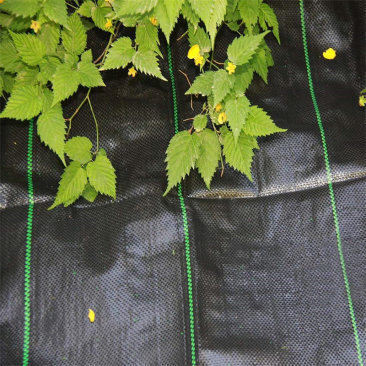
Ground fabric weed control is an essential practice in the construction and landscaping sectors, serving as a barrier that prevents weed growth while allowing water and nutrients to reach the soil. This protective layer is typically made from geotextiles, which are engineered fabrics designed to fulfill various engineering functions, including filtration, drainage, and separation. The use of groun

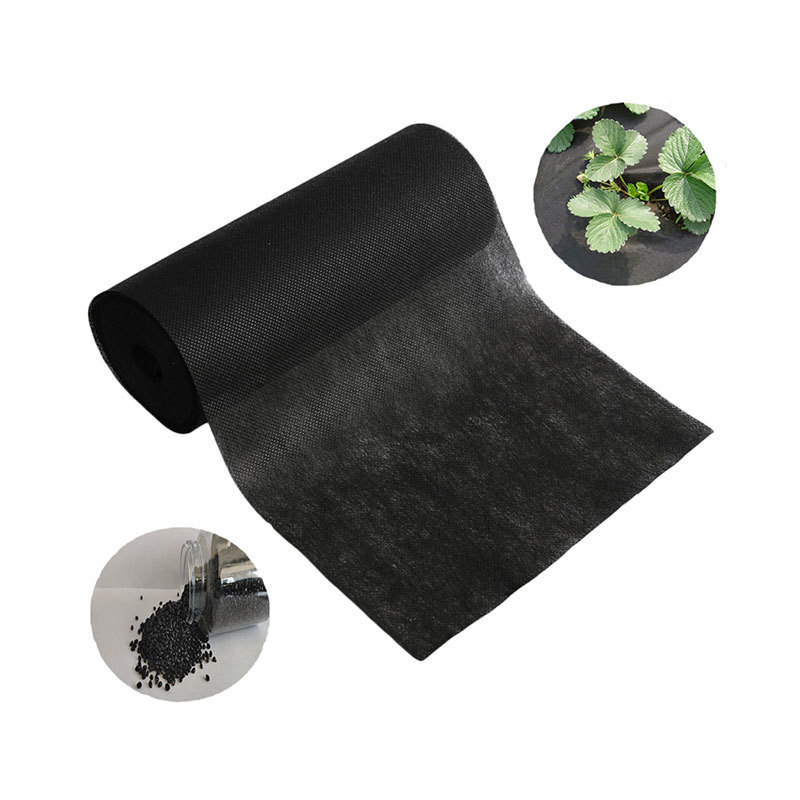
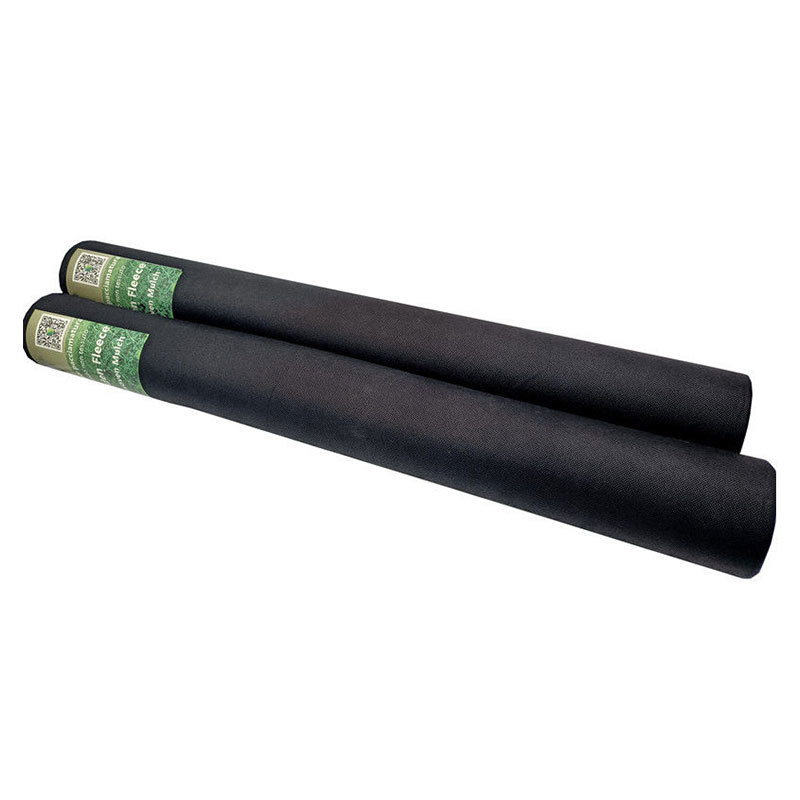
Ground fabric weed control is an essential practice in the construction and landscaping sectors, serving as a barrier that prevents weed growth while allowing water and nutrients to reach the soil. This protective layer is typically made from geotextiles, which are engineered fabrics designed to fulfill various engineering functions, including filtration, drainage, and separation. The use of ground fabric is particularly crucial in managing weeds, which can compete with desired plants or crops for resources, ultimately affecting the health and aesthetics of the project.
One of the primary advantages of using ground fabric weed control is its ability to significantly reduce the need for chemical herbicides. By creating a physical barrier, ground fabric effectively suppresses weed germination and growth, promoting a healthier environment for plants and landscaping features. This is not only beneficial for maintaining the desired appearance of a project but also aligns with sustainable practices that minimize chemical use and promote eco-friendliness.
Moreover, ground fabric weed control enhances soil stability and reduces erosion, especially in areas prone to heavy rainfall or runoff. When installed correctly, this fabric helps to maintain moisture levels in the soil, which is vital for the growth of plants and vegetation. The breathable nature of geotextiles allows air and water to permeate while keeping unwanted weeds at bay, thus creating a conducive environment for healthy plant development.
In addition to its environmental benefits, ground fabric weed control can also save time and labor costs on a project. By minimizing the time spent on weeding and maintenance, contractors and landscapers can focus on other critical aspects of their work. This efficiency is especially valuable in large-scale construction sites or extensive landscaping projects where maintaining aesthetic quality is paramount.
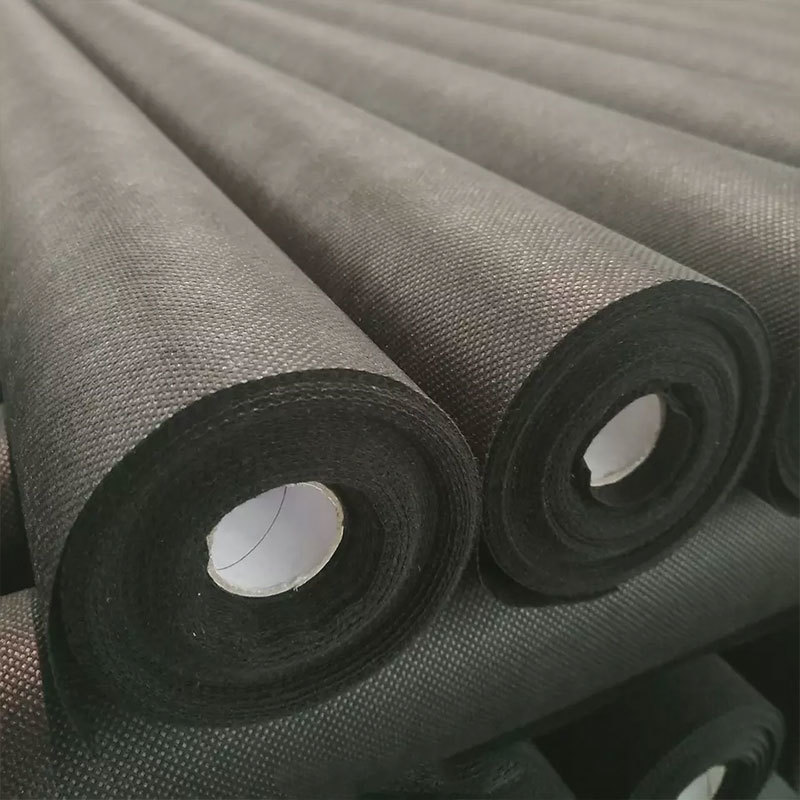
It is important to note that not all ground fabrics are created equal. When selecting a ground fabric for weed control, professionals should consider factors such as the fabric's weight, permeability, and durability. These characteristics will determine how effectively the fabric performs in preventing weed growth and its overall longevity in various environments.
In conclusion, ground fabric weed control is an indispensable tool for professionals in the construction and landscaping industries. By providing a reliable barrier against weeds, it enhances the health of soil and plants, promotes sustainable practices, and reduces maintenance costs. As the demand for environmentally friendly solutions grows, the use of effective ground fabric in weed management will undoubtedly continue to gain traction.
One of the primary advantages of using ground fabric weed control is its ability to significantly reduce the need for chemical herbicides. By creating a physical barrier, ground fabric effectively suppresses weed germination and growth, promoting a healthier environment for plants and landscaping features. This is not only beneficial for maintaining the desired appearance of a project but also aligns with sustainable practices that minimize chemical use and promote eco-friendliness.
Moreover, ground fabric weed control enhances soil stability and reduces erosion, especially in areas prone to heavy rainfall or runoff. When installed correctly, this fabric helps to maintain moisture levels in the soil, which is vital for the growth of plants and vegetation. The breathable nature of geotextiles allows air and water to permeate while keeping unwanted weeds at bay, thus creating a conducive environment for healthy plant development.
In addition to its environmental benefits, ground fabric weed control can also save time and labor costs on a project. By minimizing the time spent on weeding and maintenance, contractors and landscapers can focus on other critical aspects of their work. This efficiency is especially valuable in large-scale construction sites or extensive landscaping projects where maintaining aesthetic quality is paramount.
It is important to note that not all ground fabrics are created equal. When selecting a ground fabric for weed control, professionals should consider factors such as the fabric's weight, permeability, and durability. These characteristics will determine how effectively the fabric performs in preventing weed growth and its overall longevity in various environments.
In conclusion, ground fabric weed control is an indispensable tool for professionals in the construction and landscaping industries. By providing a reliable barrier against weeds, it enhances the health of soil and plants, promotes sustainable practices, and reduces maintenance costs. As the demand for environmentally friendly solutions grows, the use of effective ground fabric in weed management will undoubtedly continue to gain traction.
ground fabric weed control

LEAVE A MESSAGE
MESSAGE