




27
2025
-
10
Polyester Spunbond Fabric: Revolutionizing Eco-Friendly Textiles for a Sustainable Future
Polyester Spunbond Fabric: A Game Changer in Eco-Friendly Textiles Table of Contents Introduction to Polyester Spunbond Fabric What is Polyester Spunbond Fabric? The Production Process of Polyester Spunbond Fabric Benefits of Using Polyester Spunbond Fabric Applications of Polyester Spunbond Fabric in Various Industries Sustainability Aspects of Polyester Spunbond Fabric

Polyester Spunbond Fabric: A Game Changer in Eco-Friendly Textiles
Table of Contents
- Introduction to Polyester Spunbond Fabric
- What is Polyester Spunbond Fabric?
- The Production Process of Polyester Spunbond Fabric
- Benefits of Using Polyester Spunbond Fabric
- Applications of Polyester Spunbond Fabric in Various Industries
- Sustainability Aspects of Polyester Spunbond Fabric
- Challenges and Considerations in Polyester Spunbond Fabric Production
- The Future of Polyester Spunbond Fabric in Eco-Friendly Textiles
- Conclusion
- FAQs About Polyester Spunbond Fabric
Introduction to Polyester Spunbond Fabric
Polyester spunbond fabric has gained significant attention in recent years as a versatile and sustainable textile option. As industries around the globe seek eco-friendly alternatives to traditional materials, polyester spunbond fabric has emerged as a leading choice for many applications. This article delves into the intricacies of polyester spunbond fabric, exploring its production process, benefits, applications, and sustainability aspects, while also addressing the challenges it faces in the market.
What is Polyester Spunbond Fabric?
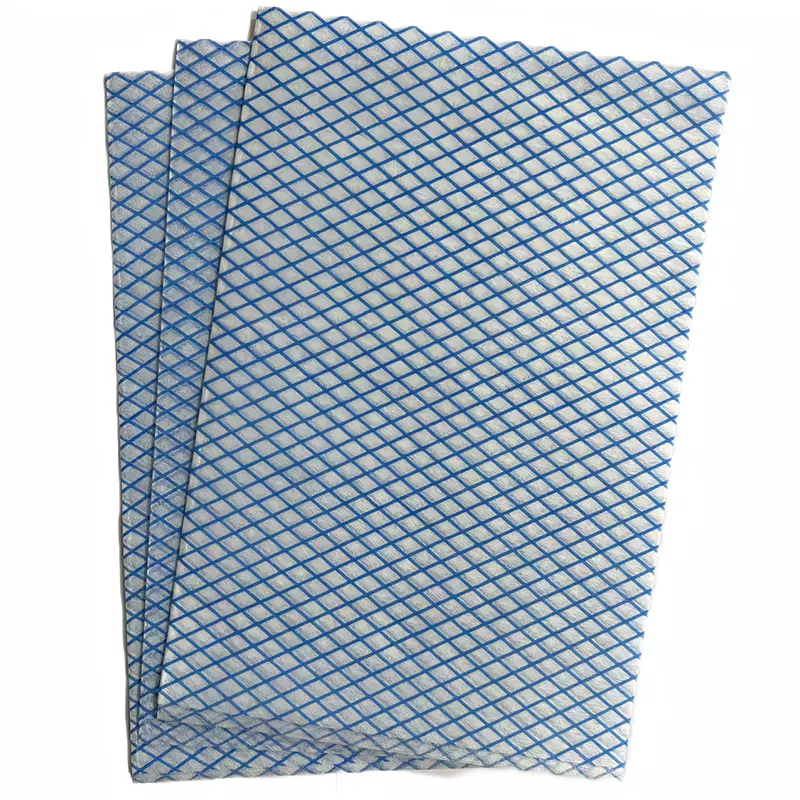
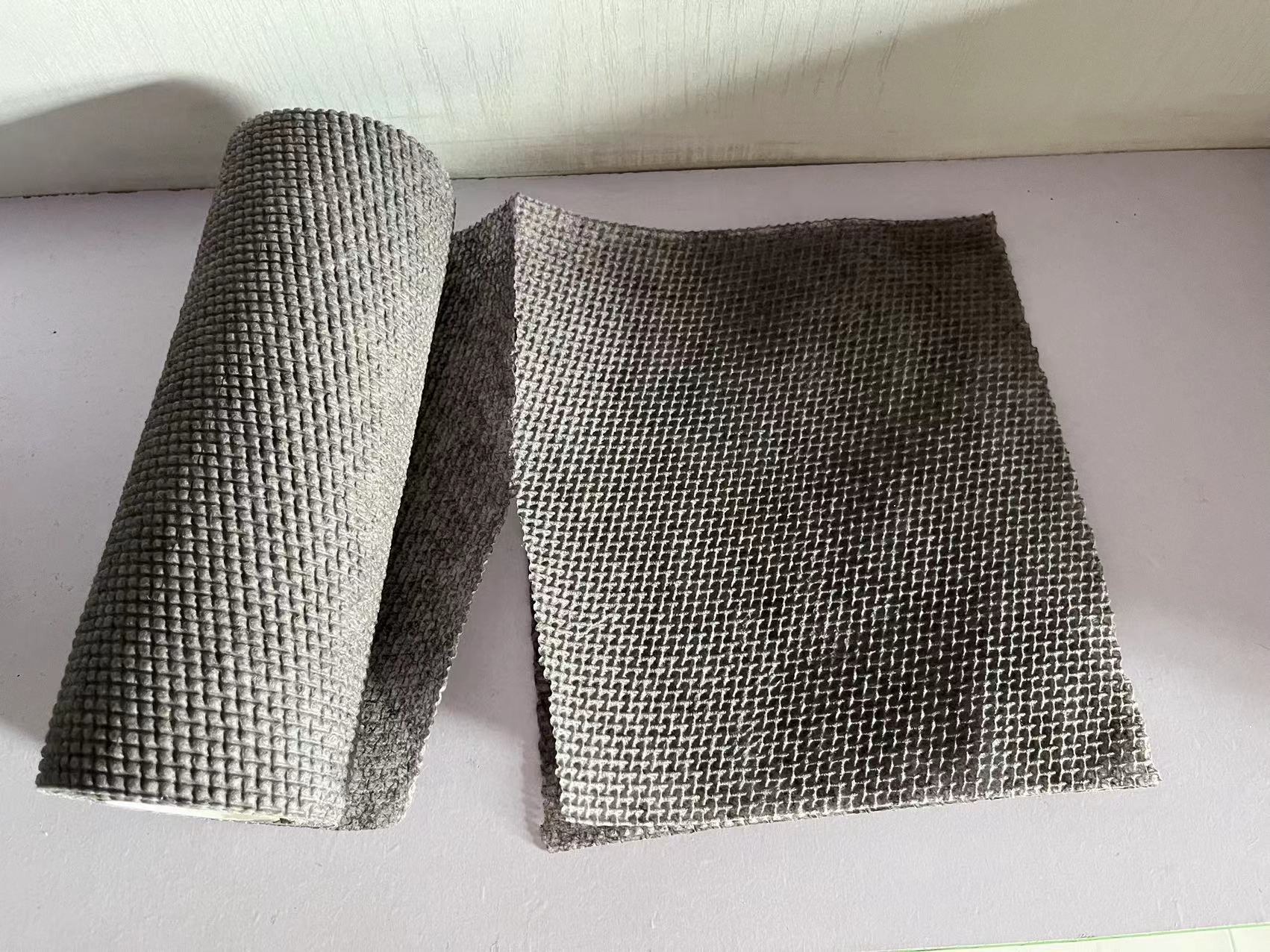
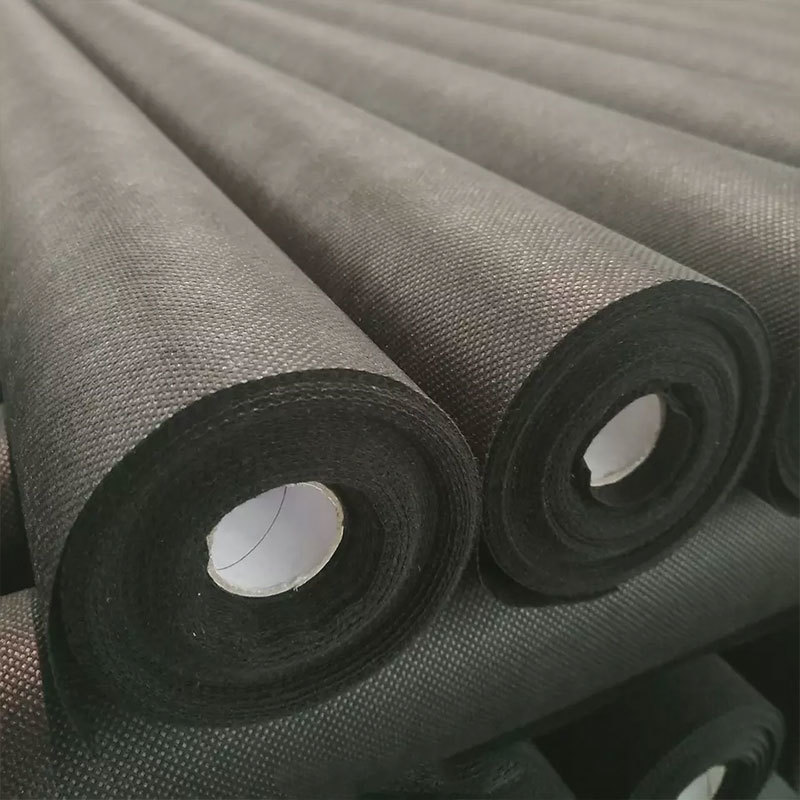
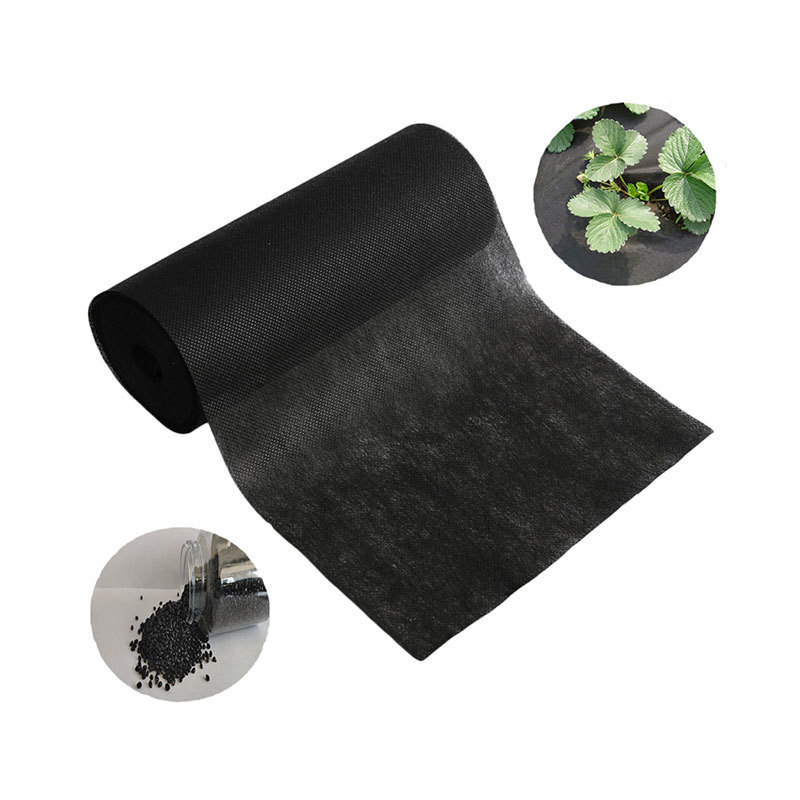
Polyester spunbond fabric is a type of nonwoven fabric made from continuous filaments of polyester. Unlike woven textiles, which are created through the interlacing of threads, spunbond fabrics are produced by extruding molten polyester fibers directly onto a substrate. This process results in a strong, durable, and lightweight material with unique properties that make it suitable for a wide variety of uses.
Characteristics of Polyester Spunbond Fabric
The distinctive attributes of polyester spunbond fabric include:
- Lightweight and breathable: The structure of spunbond fabric allows for excellent airflow, making it ideal for applications requiring breathability.
- Durability: Polyester fibers are known for their strength, ensuring that spunbond fabrics can withstand wear and tear.
- Water-resistant: The nonwoven nature of the fabric provides inherent water resistance, making it suitable for various outdoor applications.
- Eco-friendly: When produced sustainably, polyester spunbond fabric contributes to reduced environmental impact.
The Production Process of Polyester Spunbond Fabric
The production of polyester spunbond fabric involves several key steps, each contributing to the quality and performance of the final product.
1. Polymerization
The process begins with the polymerization of raw polyester pellets, which are melted and extruded through spinnerets to form continuous filaments.
2. Spinning and Bonding
The extruded filaments are then spun into a web-like structure. This can be achieved through various methods, including thermal bonding, chemical bonding, or mechanical bonding, depending on the desired properties of the final fabric.
3. Finishing Treatments
After the fabric is formed, finishing treatments may be applied to enhance its performance. These can include dyeing, coating, and other processes that improve characteristics such as water repellency or UV resistance.
4. Quality Control
Finally, rigorous quality control measures ensure that the polyester spunbond fabric meets industry standards and customer expectations.
Benefits of Using Polyester Spunbond Fabric
Polyester spunbond fabric offers numerous advantages that make it a compelling choice for various applications.
Cost-Effectiveness
Polyester spunbond fabric is generally more affordable than many woven textiles, allowing manufacturers to reduce production costs while maintaining quality.
Versatility
The fabric can be produced in a range of weights, thicknesses, and finishes, making it suitable for applications in sectors such as agriculture, healthcare, and automotive.
Environmental Benefits
When sourced sustainably, polyester spunbond fabric can significantly reduce waste. The nonwoven manufacturing process often generates less waste than traditional textile production methods.
Ease of Use
Polyester spunbond fabric is easy to cut, sew, and manipulate, making it a preferred choice for manufacturers and artisans alike.
Applications of Polyester Spunbond Fabric in Various Industries
The versatility of polyester spunbond fabric has led to its adoption across multiple sectors.
1. Agriculture
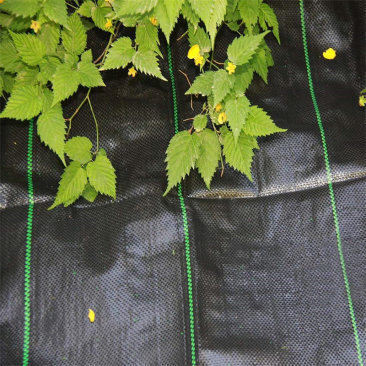
In agriculture, polyester spunbond fabric is commonly used as a protective covering for plants, helping to regulate temperature and moisture while allowing sunlight to penetrate.
2. Healthcare
The healthcare industry utilizes polyester spunbond fabric for disposable items such as surgical gowns, masks, and drapes, where hygiene and durability are paramount.
3. Automotive
Within the automotive sector, polyester spunbond fabric serves as an essential material for soundproofing, insulation, and interior upholstery, enhancing both comfort and performance.
4. Fashion and Accessories
The fashion industry is increasingly incorporating polyester spunbond fabric into clothing and accessories, appealing to eco-conscious consumers seeking sustainable options.
Sustainability Aspects of Polyester Spunbond Fabric
As the world moves toward sustainability, polyester spunbond fabric plays a vital role in reducing the environmental impact of textiles.
Recyclability
One of the key benefits of polyester is that it is recyclable. Many manufacturers are implementing closed-loop systems that recycle post-consumer polyester products into new spunbond fabric.
Reduced Water Usage
The production of polyester spunbond fabric typically requires less water than conventional cotton or other natural fibers, contributing to water conservation efforts.
Lower Carbon Footprint
By utilizing recycled materials and implementing energy-efficient production methods, manufacturers can significantly lower the carbon footprint associated with polyester spunbond fabric.
Challenges and Considerations in Polyester Spunbond Fabric Production
While polyester spunbond fabric presents many advantages, there are also challenges that must be addressed.
1. Environmental Concerns
The production of polyester, derived from petrochemicals, raises concerns about fossil fuel dependency and pollution. However, advancements in recycling technologies are helping to mitigate these issues.
2. Market Competition
As demand for sustainable textiles grows, competition within the industry intensifies. Manufacturers must continuously innovate to remain competitive.
3. Consumer Awareness
While eco-friendly options are on the rise, educating consumers about the benefits of polyester spunbond fabric is crucial for market adoption.
The Future of Polyester Spunbond Fabric in Eco-Friendly Textiles
The future of polyester spunbond fabric appears promising as industries increasingly prioritize sustainability and innovation. Continued research and development in recycling technologies, as well as the creation of bio-based polyester alternatives, may further enhance its eco-friendly profile.
Conclusion
Polyester spunbond fabric stands at the forefront of the eco-friendly textile revolution. Its unique properties, combined with a growing emphasis on sustainability, make it a compelling choice for a wide array of applications. As manufacturers and consumers alike embrace this innovative material, polyester spunbond fabric will undoubtedly solidify its position as a game changer in the textile industry.
FAQs About Polyester Spunbond Fabric
1. What makes polyester spunbond fabric eco-friendly?
Polyester spunbond fabric can be produced using recycled materials and requires less water during production compared to traditional textiles, significantly reducing its environmental impact.
2. Can polyester spunbond fabric be recycled?
Yes, polyester is recyclable, and many manufacturers are implementing recycling programs to transform post-consumer polyester products into new spunbond fabric.
3. What are the main applications of polyester spunbond fabric?
Polyester spunbond fabric is used in various industries, including agriculture, healthcare, automotive, and fashion, due to its versatility and durability.
4. How does the production process of polyester spunbond fabric work?
The production involves polymerization of polyester pellets, spinning and bonding the filaments, applying finishing treatments, and conducting quality control checks.
5. What challenges does the polyester spunbond fabric industry face?
Challenges include environmental concerns related to petrochemical production, market competition, and the need for increased consumer awareness about sustainable options.
polyester spunbond fabric

LEAVE A MESSAGE
MESSAGE