


05
2025
-
11
The Versatility of PP Nonwoven Fabric: Applications and Benefits
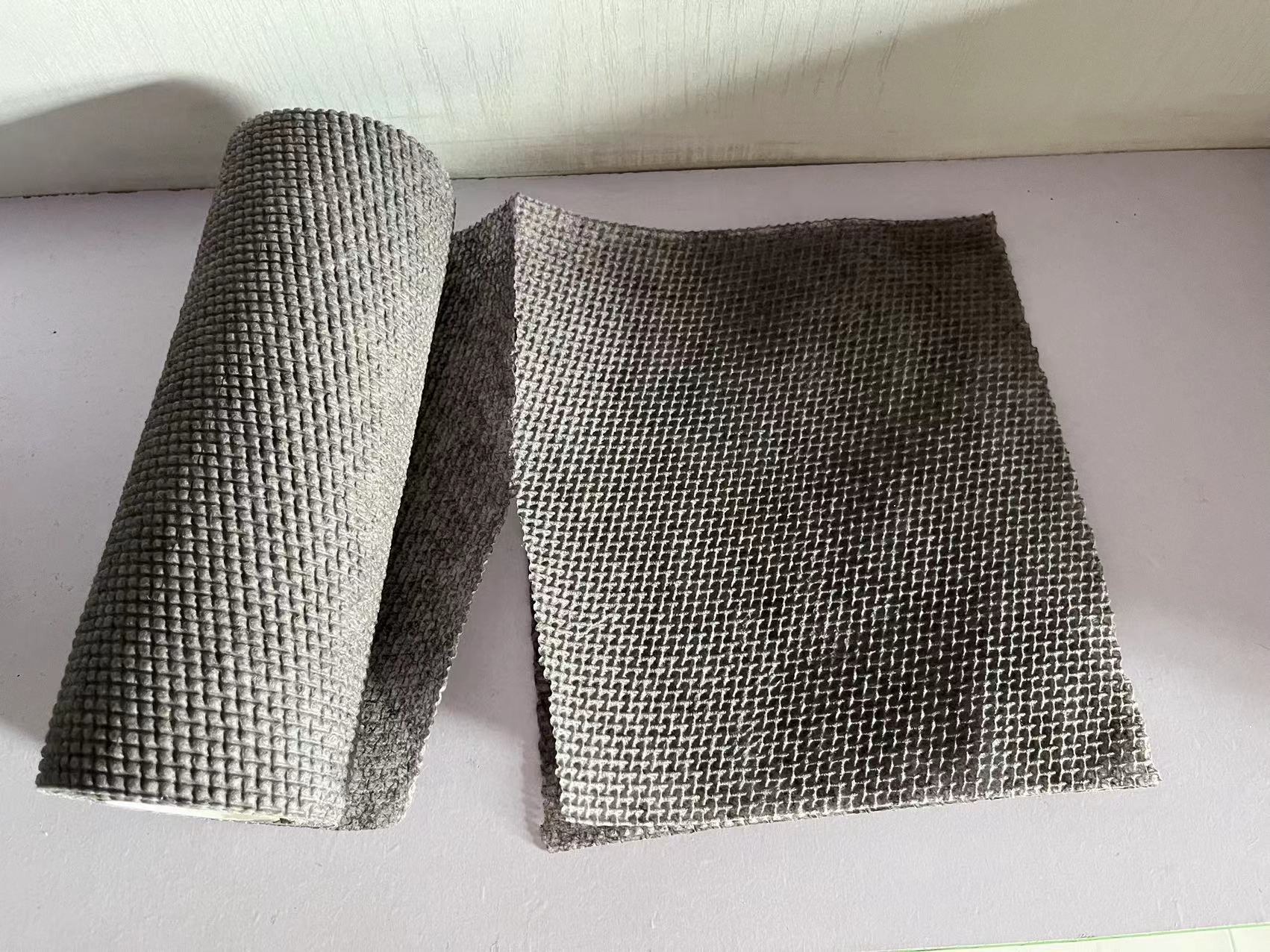
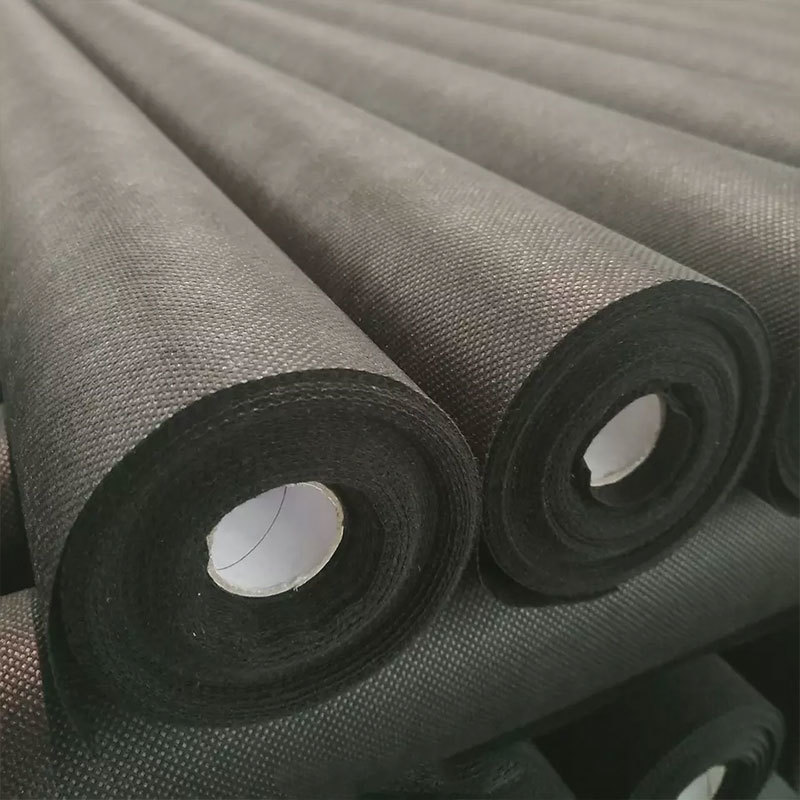
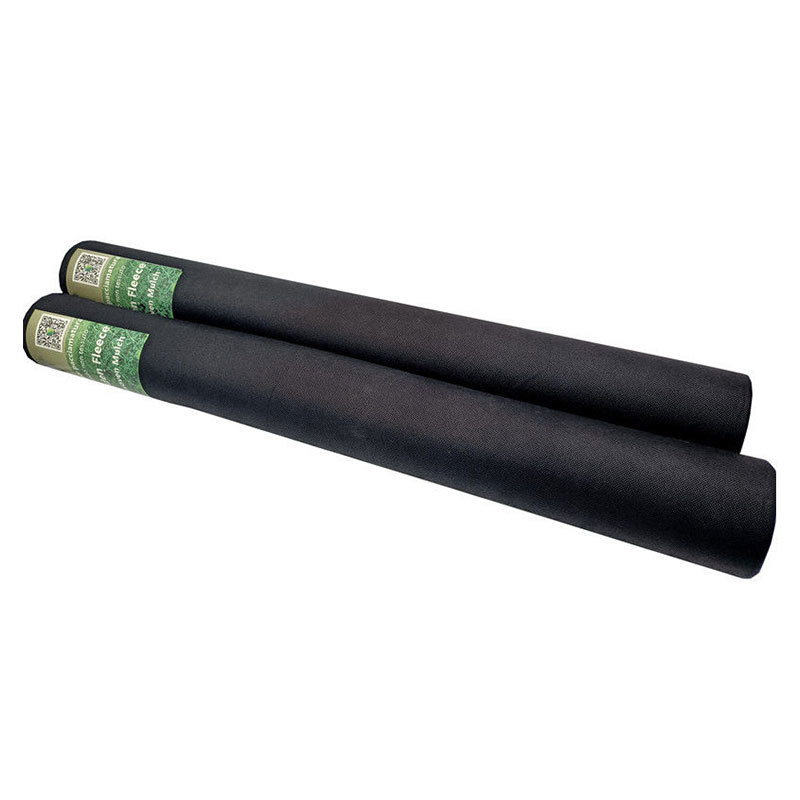
PP nonwoven fabric, made from polypropylene fibers, is a versatile material widely used across various industries due to its unique properties and benefits. Unlike traditional woven fabrics, nonwoven fabrics are manufactured by bonding fibers together through mechanical, thermal, or chemical methods, resulting in a strong, durable material. This article delves into the applications and benefits of

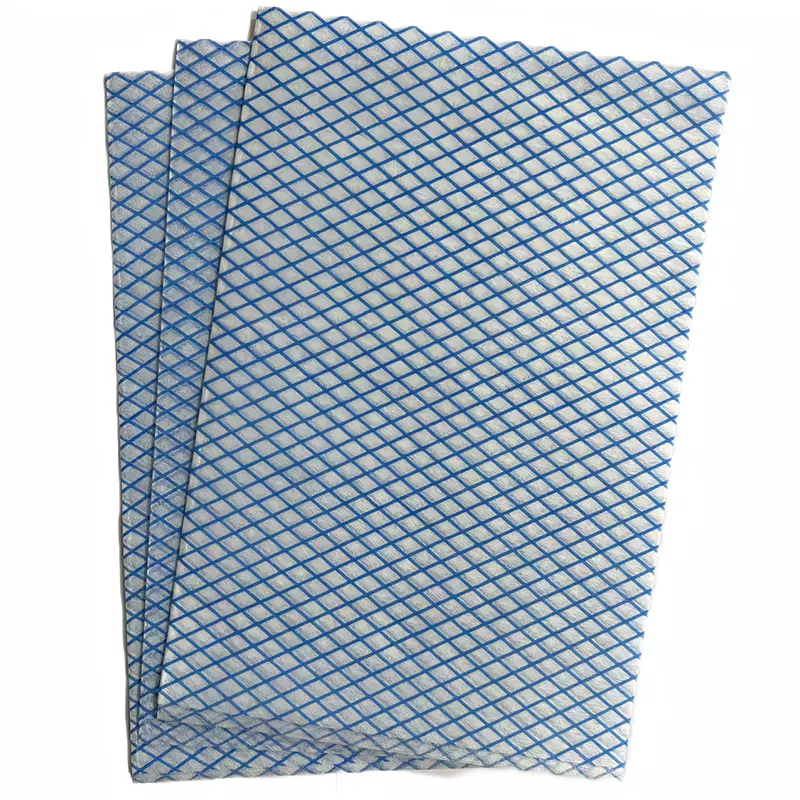
PP nonwoven fabric, made from polypropylene fibers, is a versatile material widely used across various industries due to its unique properties and benefits. Unlike traditional woven fabrics, nonwoven fabrics are manufactured by bonding fibers together through mechanical, thermal, or chemical methods, resulting in a strong, durable material. This article delves into the applications and benefits of PP nonwoven fabric, making it a popular choice in sectors such as healthcare, agriculture, and consumer goods.
One of the most significant advantages of PP nonwoven fabric is its lightweight nature, which makes it easy to handle and transport. This characteristic is especially beneficial in industries where weight is a critical factor, such as in the production of medical gowns and masks. The fabric also boasts excellent breathability, allowing air and moisture to pass through, which is vital for comfort in personal protective equipment (PPE).
In the healthcare sector, PP nonwoven fabric is widely used in surgical masks, gowns, and drapes, providing a barrier against contaminants while maintaining comfort for the wearer. Its ability to be produced in various thicknesses and densities makes it adaptable for different medical applications, further solidifying its importance in infection control and patient safety.
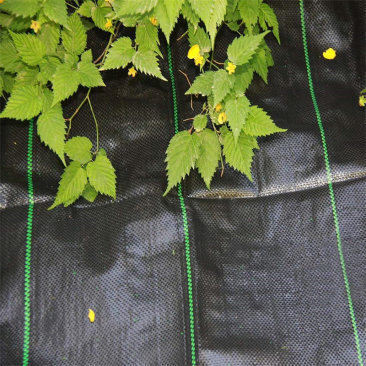
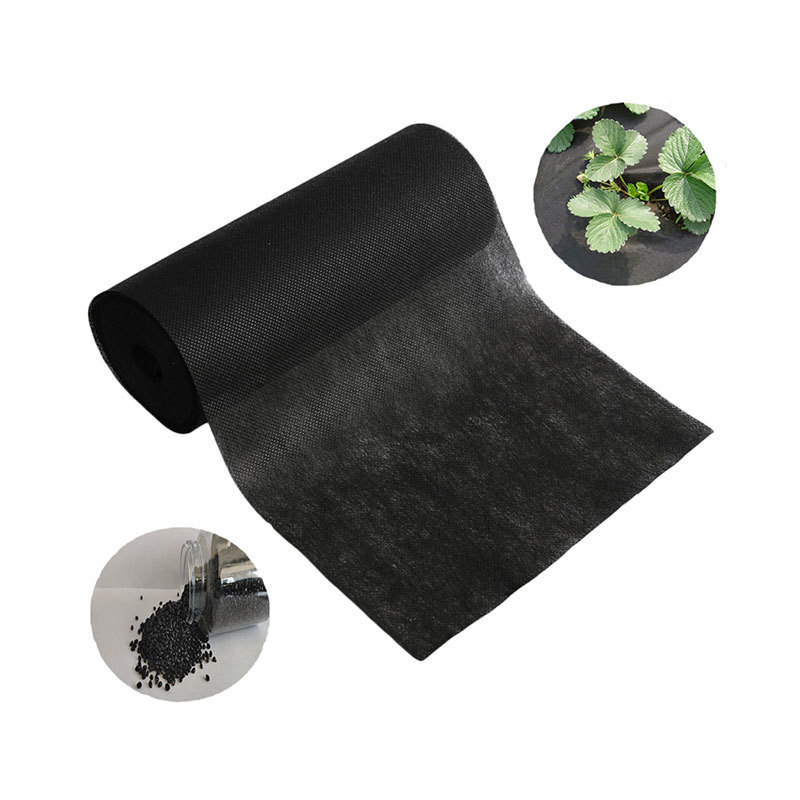
Agriculture is another sector that benefits from the use of PP nonwoven fabric. It serves as an effective covering for crops, protecting them from harsh weather conditions while allowing essential light and moisture to reach the plants. Additionally, nonwoven fabrics are often used in erosion control blankets, helping to stabilize soil and promote vegetation growth in various environments.
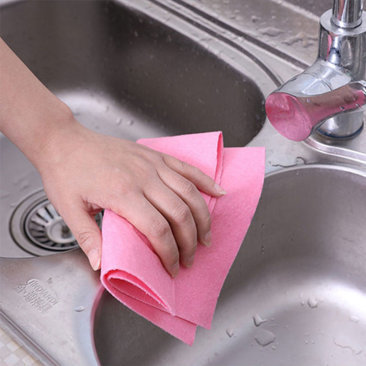
Moreover, PP nonwoven fabric is increasingly popular in the consumer goods industry, particularly in the production of reusable shopping bags, home textiles, and hygiene products. The fabric's durability makes it suitable for products that require frequent use and washing, while its eco-friendliness appeals to environmentally conscious consumers.
In terms of sustainability, PP nonwoven fabric has several advantages. It can be produced with a lower environmental impact compared to conventional woven fabrics and is often recyclable. This aligns with the growing demand for sustainable materials in a world increasingly focused on reducing waste and promoting eco-friendly practices.
In summary, PP nonwoven fabric is a remarkable material with a wide range of applications and benefits across multiple industries. Its lightweight, breathable, and durable characteristics make it an ideal choice for healthcare, agriculture, and consumer goods. As industries continue to evolve, the demand for innovative materials like PP nonwoven fabric is expected to grow, further highlighting its importance in modern manufacturing and environmental sustainability.
One of the most significant advantages of PP nonwoven fabric is its lightweight nature, which makes it easy to handle and transport. This characteristic is especially beneficial in industries where weight is a critical factor, such as in the production of medical gowns and masks. The fabric also boasts excellent breathability, allowing air and moisture to pass through, which is vital for comfort in personal protective equipment (PPE).
In the healthcare sector, PP nonwoven fabric is widely used in surgical masks, gowns, and drapes, providing a barrier against contaminants while maintaining comfort for the wearer. Its ability to be produced in various thicknesses and densities makes it adaptable for different medical applications, further solidifying its importance in infection control and patient safety.
Agriculture is another sector that benefits from the use of PP nonwoven fabric. It serves as an effective covering for crops, protecting them from harsh weather conditions while allowing essential light and moisture to reach the plants. Additionally, nonwoven fabrics are often used in erosion control blankets, helping to stabilize soil and promote vegetation growth in various environments.
Moreover, PP nonwoven fabric is increasingly popular in the consumer goods industry, particularly in the production of reusable shopping bags, home textiles, and hygiene products. The fabric's durability makes it suitable for products that require frequent use and washing, while its eco-friendliness appeals to environmentally conscious consumers.
In terms of sustainability, PP nonwoven fabric has several advantages. It can be produced with a lower environmental impact compared to conventional woven fabrics and is often recyclable. This aligns with the growing demand for sustainable materials in a world increasingly focused on reducing waste and promoting eco-friendly practices.
In summary, PP nonwoven fabric is a remarkable material with a wide range of applications and benefits across multiple industries. Its lightweight, breathable, and durable characteristics make it an ideal choice for healthcare, agriculture, and consumer goods. As industries continue to evolve, the demand for innovative materials like PP nonwoven fabric is expected to grow, further highlighting its importance in modern manufacturing and environmental sustainability.
PP nonwoven fabric

LEAVE A MESSAGE
MESSAGE