




12
2025
-
11
Understanding the Role of Geotextile Landscape Fabric in Environmental Protection
Understanding the Role of Geotextile Landscape Fabric in Environmental Protection Table of Contents Introduction to Geotextile Landscape Fabric What is Geotextile Landscape Fabric? Importance of Geotextiles in Environmental Protection Applications of Geotextile Fabric in Construction and Landscaping Benefits of Using Geotextile Landscape Fabric Types of Geotextile Fabrics

Understanding the Role of Geotextile Landscape Fabric in Environmental Protection
Table of Contents
- Introduction to Geotextile Landscape Fabric
- What is Geotextile Landscape Fabric?
- Importance of Geotextiles in Environmental Protection
- Applications of Geotextile Fabric in Construction and Landscaping
- Benefits of Using Geotextile Landscape Fabric
- Types of Geotextile Fabrics and Their Uses
- Best Practices for Installing Geotextile Landscape Fabric
- Frequently Asked Questions (FAQs)
- Conclusion
Introduction to Geotextile Landscape Fabric
Geotextile landscape fabric plays a pivotal role in modern environmental and construction practices. This innovative material not only supports soil stability but also aids in erosion prevention and water management. As environmental concerns grow, understanding how geotextiles contribute to a healthier ecosystem becomes increasingly essential. In this article, we will explore the multifaceted role of geotextile landscape fabric in environmental protection, covering its applications, benefits, and installation processes.
What is Geotextile Landscape Fabric?
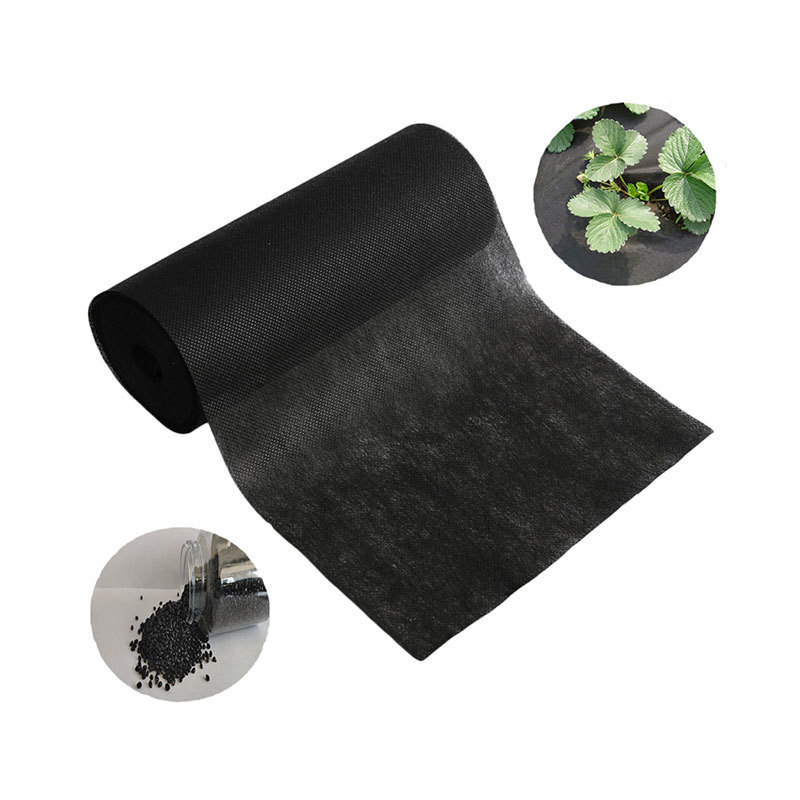
Geotextile landscape fabric is a permeable textile material made from synthetic fibers. Primarily used in civil engineering and landscaping, this fabric serves to separate, filter, reinforce, and drain soil. Its structure allows water to pass through while preventing soil particles from washing away, thus maintaining the integrity of the landscape. Available in various weights and types, geotextile fabric can cater to different applications, making it a versatile tool in environmental management.
Importance of Geotextiles in Environmental Protection
The importance of geotextiles in environmental protection cannot be overstated. They contribute to:
Soil Erosion Control
Geotextiles effectively minimize soil erosion by providing a barrier against wind and water forces. By stabilizing the soil, they help retain nutrients and prevent sediment from entering water bodies, thereby enhancing water quality.
Improved Water Management
These fabrics facilitate better drainage and prevent waterlogging, which can lead to plant diseases and reduced agricultural productivity. By allowing excess water to drain away while retaining moisture, geotextiles promote healthier vegetation.
Habitat Preservation
By controlling erosion and sedimentation, geotextile fabrics help maintain natural habitats for wildlife. They prevent the destruction of habitats caused by sediment runoff, ensuring a balanced ecosystem.
Applications of Geotextile Fabric in Construction and Landscaping
Geotextile landscape fabric finds applications across various sectors, including:
Landscaping
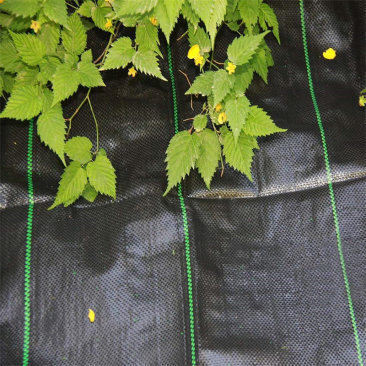
In landscaping, geotextiles are used to create pathways, mulch beds, and garden borders. They prevent weeds from growing while allowing water and nutrients to reach the soil.
Road Construction
In road construction, geotextiles provide stabilization for aggregate bases, reducing road deterioration and increasing longevity. They also help manage stormwater runoff, preventing erosion along roadside ditches.
Retaining Walls
Geotextiles are essential in constructing retaining walls, as they reinforce the structure and improve drainage, ensuring stability and longevity.
Benefits of Using Geotextile Landscape Fabric
The use of geotextile landscape fabric offers numerous benefits, including:
Cost-Effectiveness
Investing in geotextiles reduces the need for extensive drainage systems and soil additives, ultimately saving costs in both installation and maintenance.
Longevity
Constructed from durable materials, geotextiles can withstand harsh environmental conditions, ensuring long-term effectiveness and reducing the frequency of replacement.
Environmental Sustainability
By preventing soil erosion and promoting water conservation, geotextiles contribute to sustainable practices that protect our natural resources and promote biodiversity.
Types of Geotextile Fabrics and Their Uses
Geotextiles can be categorized into three primary types:
Non-Woven Geotextiles
These are made from bonded fibers, offering excellent filtration and drainage capabilities. Non-woven geotextiles are commonly used in drainage applications and erosion control.
Woven Geotextiles
Woven geotextiles are made from interlaced fibers, providing high tensile strength and superior load-bearing capacity. They are ideal for applications requiring soil stabilization and reinforcement.
Biodegradable Geotextiles
These eco-friendly options are made from natural fibers and decompose over time, making them suitable for temporary erosion control measures. They contribute to soil health as they break down.
Best Practices for Installing Geotextile Landscape Fabric
Proper installation of geotextile landscape fabric is crucial for maximizing its benefits. Consider the following tips:
Site Preparation
Before installation, ensure the site is free of debris, rocks, and sharp objects that could damage the fabric. Smooth the surface for optimal performance.
Overlap Edges
When laying the fabric, overlap the edges by at least 12 inches to prevent soil from washing underneath. Secure the overlaps with stakes or pins to maintain stability.
Covering the Fabric
After installation, cover the geotextile with soil, mulch, or gravel to protect it from UV exposure and physical damage. This also enhances its effectiveness in preventing weed growth.
Frequently Asked Questions (FAQs)
1. How long does geotextile landscape fabric last?
The lifespan of geotextile fabric depends on the type used and environmental conditions. Typically, woven fabrics can last up to 25 years, while non-woven options may last less due to their composition.
2. Can geotextile fabrics be used in water features?
Yes, geotextiles are commonly used in ponds and drainage systems to prevent sedimentation and maintain water quality.
3. Is geotextile fabric biodegradable?
Some geotextiles are biodegradable, made from natural fibers. These options are suitable for temporary applications and contribute to soil health as they decompose.
4. How do I choose the right geotextile fabric for my project?
Selecting the right fabric depends on the specific application. Consider factors such as soil type, water drainage needs, and load-bearing requirements.
5. Can geotextile fabric be reused?
In many cases, geotextile fabric can be reused if it remains intact and free of contaminants. However, it's essential to assess its condition before reuse to ensure effectiveness.
Conclusion
Geotextile landscape fabric is a vital component in promoting environmental protection through effective soil stabilization, erosion control, and enhanced water management. Its versatility and numerous benefits make it an essential tool for both construction and landscaping projects. By understanding the role of geotextiles and implementing best practices for installation, we can contribute to a more sustainable and healthier environment. Embracing these materials not only aids in protecting our landscapes but also ensures a greener future for generations to come.
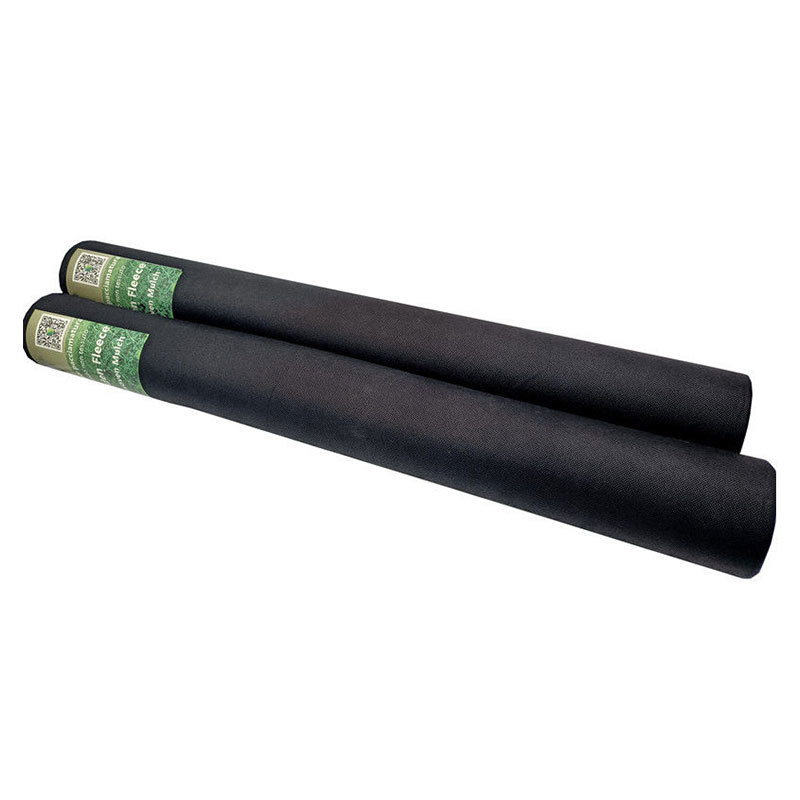
geotextile landscape fabric

LEAVE A MESSAGE
MESSAGE