




18
2025
-
11
Ground Weed Control Fabric: Protect Your Investment in Landscaping
Ground Weed Control Fabric: Protect Your Investment in Landscaping Table of Contents 1. Understanding Ground Weed Control Fabric 2. Benefits of Using Weed Control Fabric in Landscaping 3. Types of Ground Weed Control Fabric 3.1 Woven vs. Non-Woven Fabrics 3.2 Biodegradable Options 4. How to Choose the Right Ground Weed Control Fabric 5. Installation Guide for Weed Control Fabrics 6. Maintenance Ti

Ground Weed Control Fabric: Protect Your Investment in Landscaping
Table of Contents
1. Understanding Ground Weed Control Fabric
2. Benefits of Using Weed Control Fabric in Landscaping
3. Types of Ground Weed Control Fabric
3.1 Woven vs. Non-Woven Fabrics
3.2 Biodegradable Options
4. How to Choose the Right Ground Weed Control Fabric
5. Installation Guide for Weed Control Fabrics
6. Maintenance Tips for Long-Lasting Results
7. Common Mistakes to Avoid with Weed Control Fabric
8. Frequently Asked Questions (FAQs)
9. Conclusion
1. Understanding Ground Weed Control Fabric
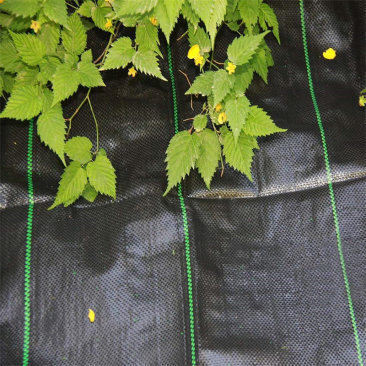
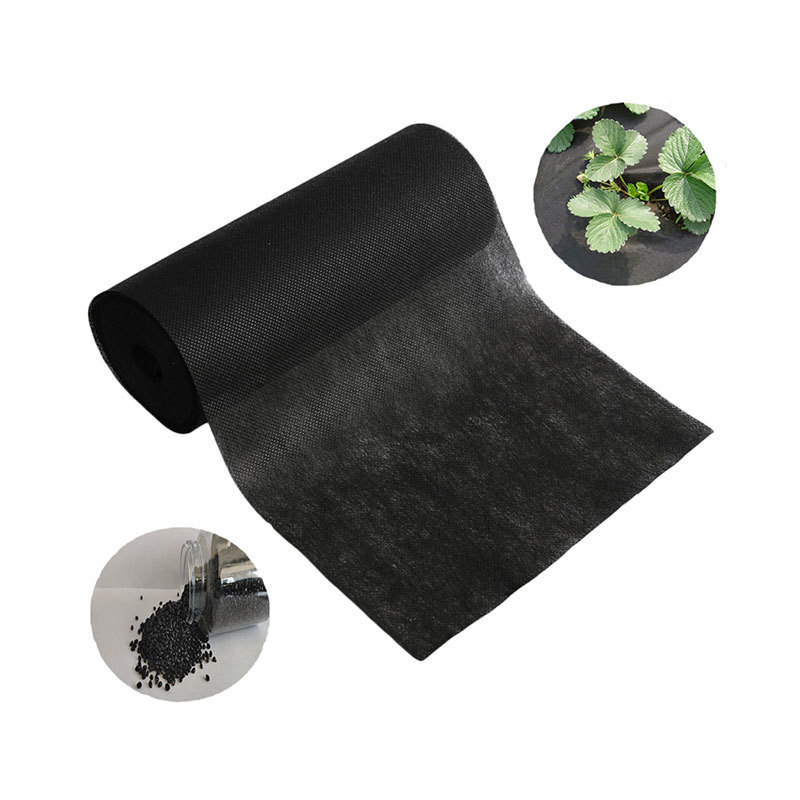
Ground weed control fabric, often referred to as landscape fabric or weed barrier, is a synthetic or natural material designed to suppress weed growth while allowing water and nutrients to penetrate the soil. Its primary role is to create a protective barrier between the soil and weeds, making it an essential element in any landscaping project. By understanding how this fabric works, we can appreciate its value in maintaining a beautiful and healthy garden.
2. Benefits of Using Weed Control Fabric in Landscaping
The advantages of using ground weed control fabric are numerous. Here are some key benefits:
- **Weed Suppression**: The most significant benefit is its ability to block sunlight, preventing weed seeds from germinating and growing.
- **Soil Moisture Retention**: By covering the soil, the fabric helps retain moisture, reducing the need for frequent watering.
- **Erosion Control**: Weed control fabric can stabilize soil and prevent erosion on slopes or loose ground.
- **Temperature Regulation**: The fabric aids in maintaining consistent soil temperatures, promoting healthier root growth.
- **Pest Protection**: Some types of fabric can deter pests by creating a barrier against insects and rodents.
By leveraging these benefits, homeowners and landscapers can significantly enhance the longevity and aesthetics of their outdoor spaces.
3. Types of Ground Weed Control Fabric
When selecting weed control fabric, it’s crucial to understand the different types available.
3.1 Woven vs. Non-Woven Fabrics
- **Woven Fabrics**: Made from interlaced synthetic fibers, woven fabrics are durable and allow air and water to pass through while blocking sunlight. They're ideal for permanent landscaping solutions and are often used in commercial applications.
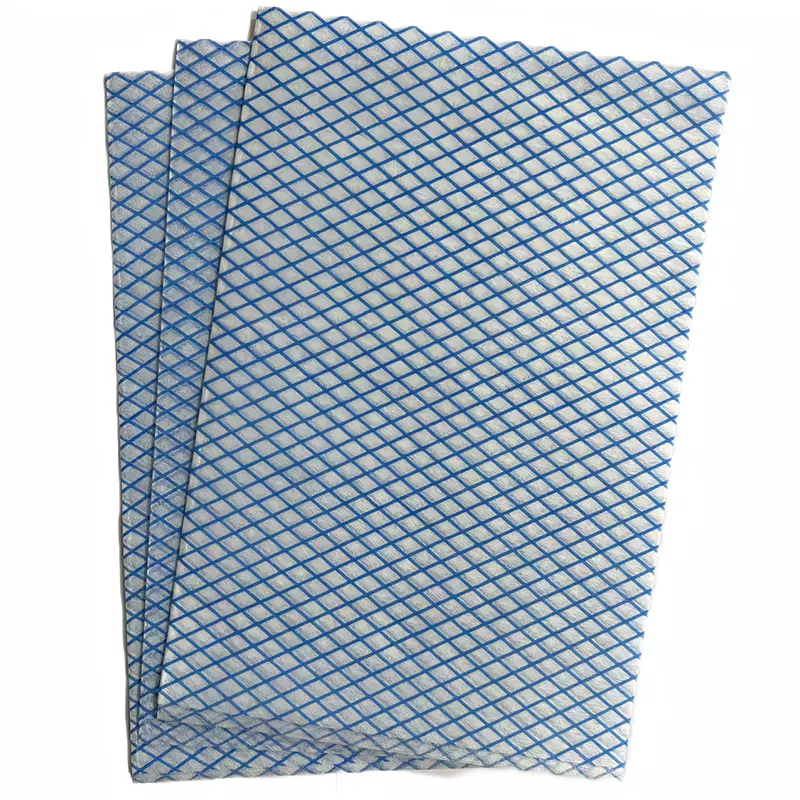
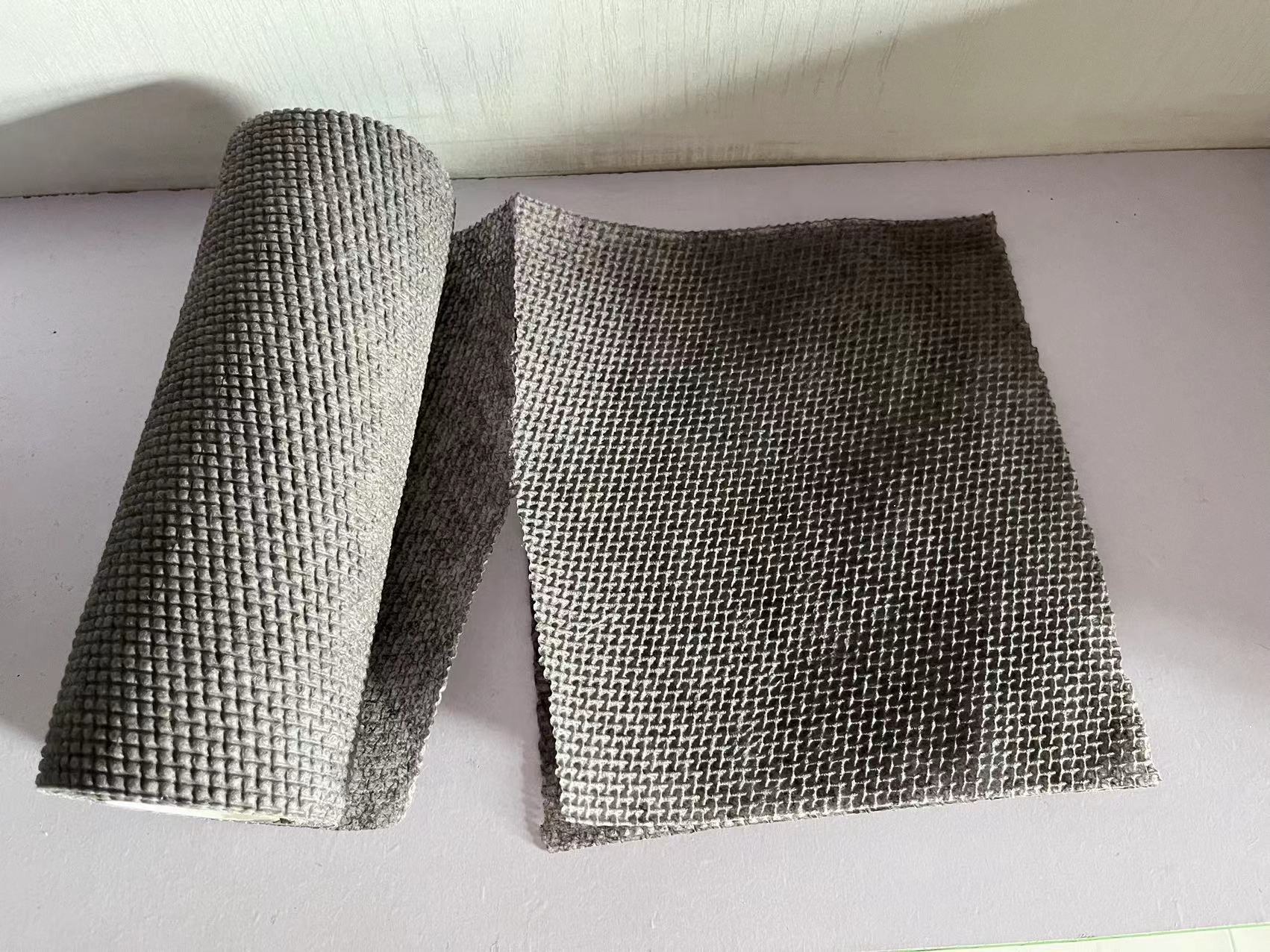
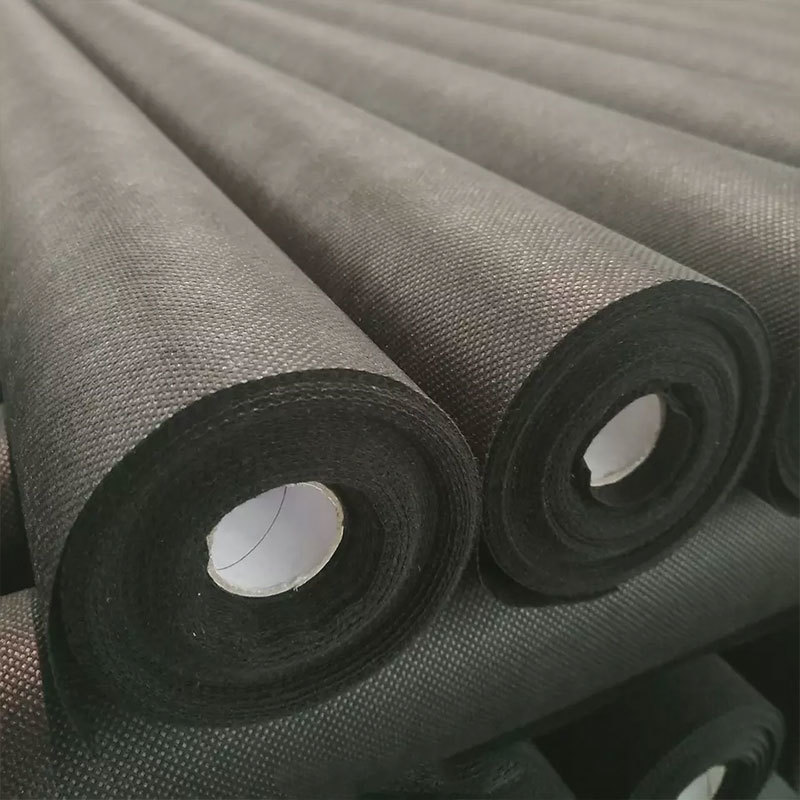
- **Non-Woven Fabrics**: These are constructed from bonded fibers and provide excellent water drainage. Non-woven options are typically more affordable and suitable for temporary use, such as garden beds.
3.2 Biodegradable Options
Biodegradable weed control fabrics are becoming increasingly popular for environmentally conscious gardeners. Made from natural materials like jute or coir, these fabrics decompose over time, enriching the soil without leaving harmful residues.
4. How to Choose the Right Ground Weed Control Fabric
Choosing the appropriate weed control fabric requires considering several factors:
- **Purpose**: Determine if the fabric will be used for permanent landscaping or temporary garden beds.
- **Soil Type**: Select a fabric that corresponds with your soil's drainage capabilities.
- **Planting Needs**: Ensure the fabric allows for the intended types of plants, taking into account their growth and watering requirements.
- **Durability**: Consider the expected lifespan of the fabric, especially for high-traffic or commercial areas.
Researching various options and understanding your specific landscaping needs will lead to a more informed decision.
5. Installation Guide for Weed Control Fabrics
Installing ground weed control fabric is a straightforward process if done correctly. Follow these steps for optimal results:
1. **Prepare the Area**: Clear the site of existing weeds, debris, and rocks. A clean surface ensures maximum effectiveness.
2. **Level the Ground**: Rake the soil to create a smooth, even surface.
3. **Lay the Fabric**: Roll out the fabric over the prepared area, overlapping edges by at least six inches to prevent weeds from sneaking through.
4. **Secure the Fabric**: Use landscape staples or pins to hold the fabric in place, especially on slopes or windy areas.
5. **Cover with Mulch**: Add a layer of mulch or decorative stones on top of the fabric. This enhances aesthetics and improves water retention.
By adhering to these guidelines, we can ensure a successful installation that will yield long-term benefits.
6. Maintenance Tips for Long-Lasting Results
Maintaining ground weed control fabric is crucial for its effectiveness. Here are some maintenance tips:
- **Regular Inspections**: Periodically check for tears or damage and repair as needed.
- **Weed Management**: Although the fabric suppresses weeds, some might still emerge. Remove them promptly to prevent them from spreading.
- **Mulch Replacement**: Refresh mulch layers every year to maintain aesthetics and functionality.
- **Soil Health**: Regularly test and amend the soil beneath the fabric to ensure it remains nutrient-rich.
Proper maintenance practices will prolong the life of your weed control fabric and enhance the health of your landscape.
7. Common Mistakes to Avoid with Weed Control Fabric
To maximize the benefits of ground weed control fabric, avoid these common mistakes:
- **Insufficient Overlap**: Not overlapping fabric edges can create gaps for weeds to grow.
- **Neglecting Soil Preparation**: Skipping the preparation phase can lead to inadequate weed suppression and soil health issues.
- **Ignoring Watering Needs**: While the fabric retains moisture, it’s essential to monitor and adjust watering according to plant needs.
- **Using the Wrong Type**: Choosing an inappropriate fabric for your specific landscaping project can undermine its effectiveness.
Being aware of these pitfalls will help us achieve better outcomes with our landscaping efforts.
8. Frequently Asked Questions (FAQs)
Q1: How long does ground weed control fabric last?
A1: The lifespan of weed control fabric varies by type. Woven fabrics can last for several years, while biodegradable options may decompose within one to two growing seasons.
Q2: Can I plant directly into weed control fabric?
A2: Yes, you can cut slits into the fabric and plant directly through it, which helps maintain weed suppression while allowing for plant growth.
Q3: Is it necessary to use mulch over weed control fabric?
A3: While not strictly necessary, applying mulch on top of the fabric enhances its effectiveness by improving moisture retention and aesthetics.
Q4: Can I use weed control fabric in vegetable gardens?
A4: Yes, weed control fabric can be beneficial in vegetable gardens, providing weed suppression while allowing water and nutrients to reach the plants.
Q5: What should I do if weeds start to grow through the fabric?
A5: Pull out any visible weeds and consider adding a layer of mulch to enhance weed suppression. Ensure the fabric is properly installed and overlaps correctly.
9. Conclusion
Ground weed control fabric is an invaluable tool in protecting your investment in landscaping. By understanding its benefits, selecting the right type, and employing proper installation and maintenance techniques, we can create thriving, weed-free outdoor spaces. This fabric not only enhances the aesthetic appeal of our gardens but also contributes to the overall health of our soil and plants. Investing in quality weed control fabric will yield long-term benefits, ensuring that our landscaping remains beautiful and sustainable for years to come.
ground weed control fabric

LEAVE A MESSAGE
MESSAGE