




25
2025
-
11
Understanding Polyester Spunbond Nonwoven Fabric: Features and Applications
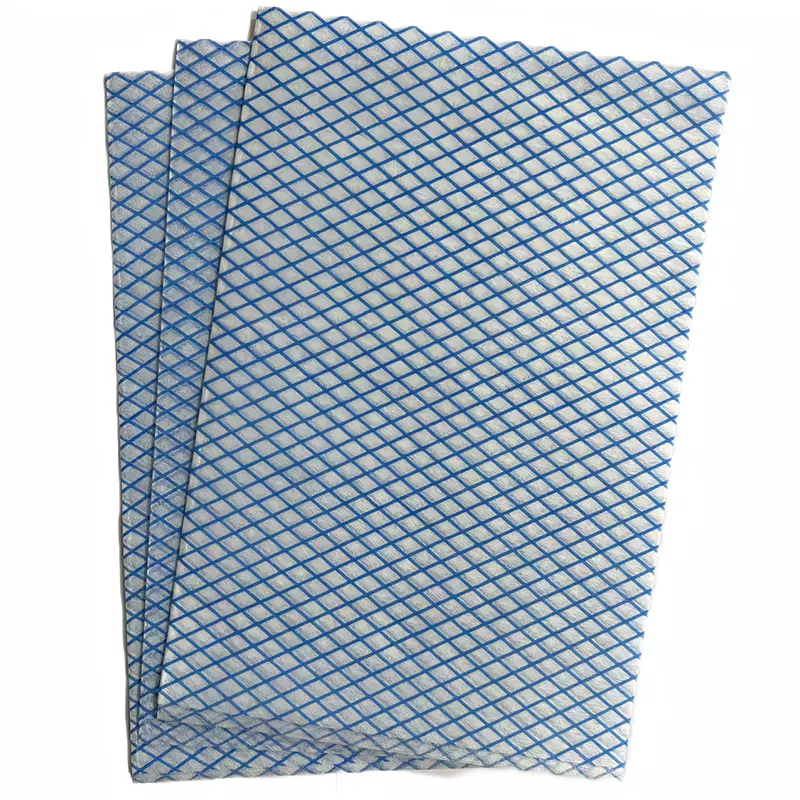
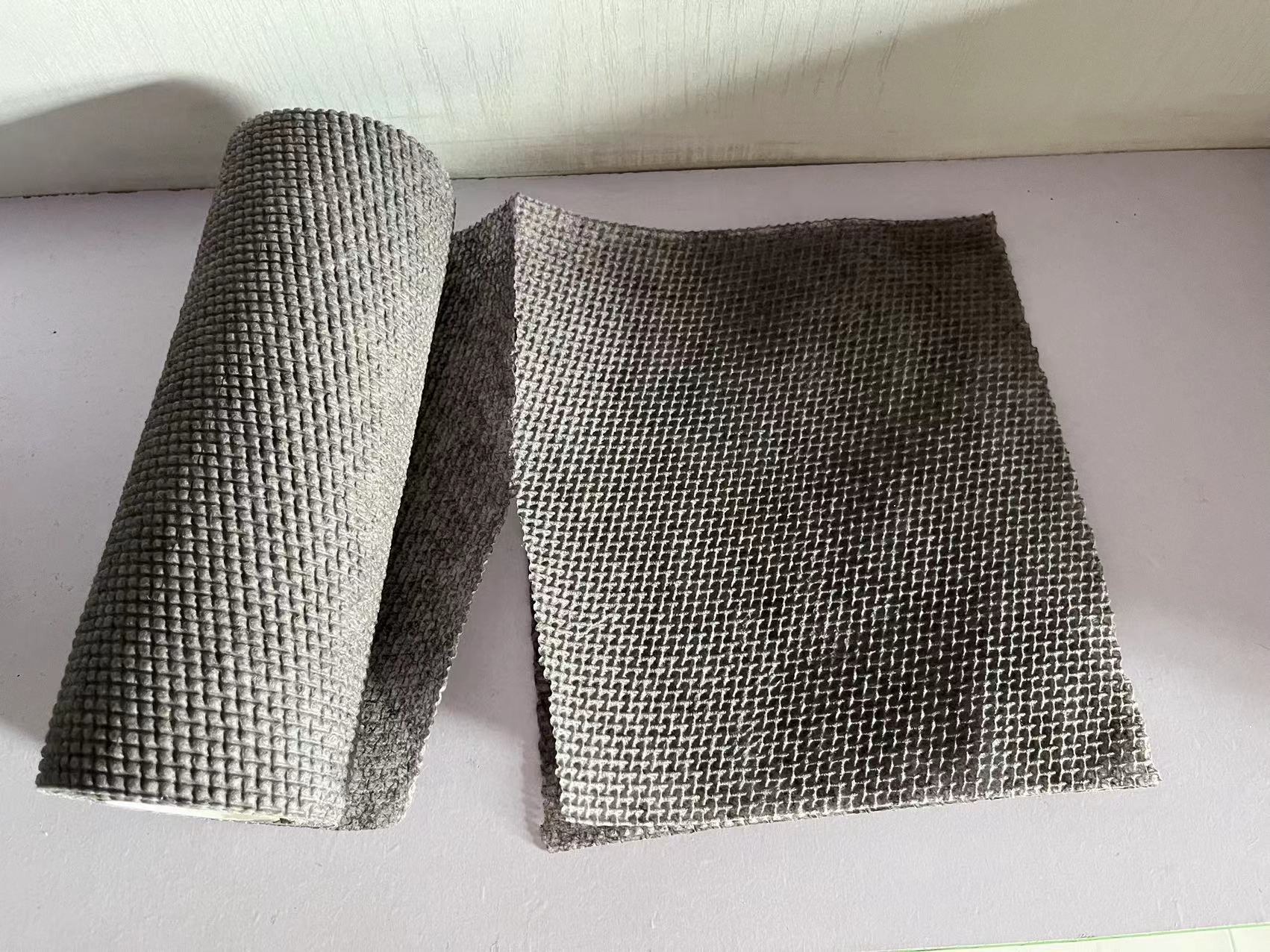
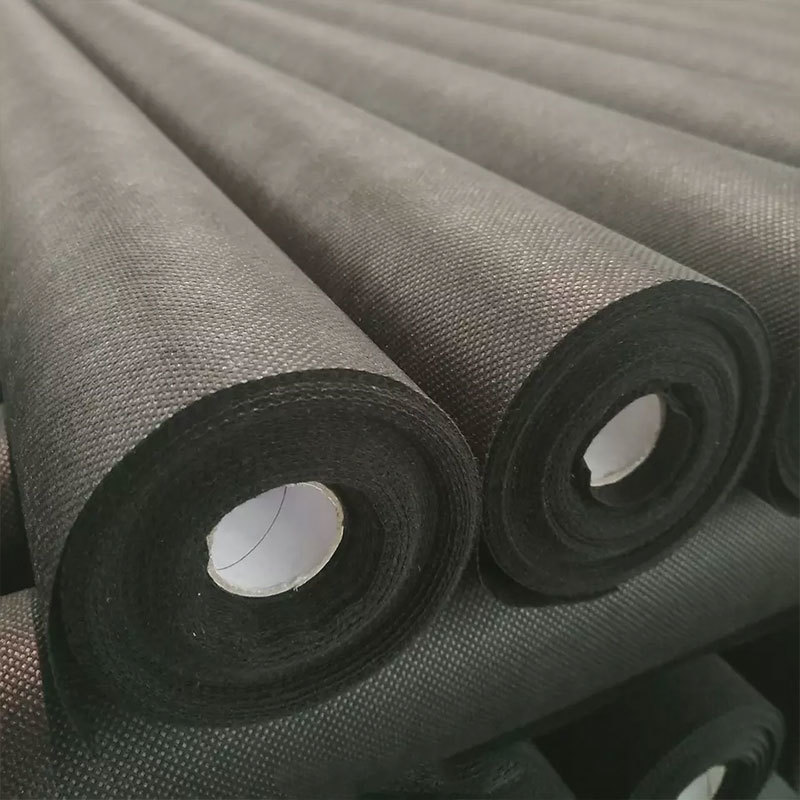
Polyester spunbond nonwoven fabric is a remarkable material widely utilized in various industries due to its unique characteristics and production methods. This type of nonwoven fabric is made from polyester fibers that are bonded together through a process of heat and pressure, resulting in a strong, durable, and lightweight product. Its structure allows for efficient airflow and moisture managem

Polyester spunbond nonwoven fabric is a remarkable material widely utilized in various industries due to its unique characteristics and production methods. This type of nonwoven fabric is made from polyester fibers that are bonded together through a process of heat and pressure, resulting in a strong, durable, and lightweight product. Its structure allows for efficient airflow and moisture management, making it ideal for numerous applications.
One of the key features of polyester spunbond nonwoven fabric is its exceptional tensile strength. The bonding process ensures that the fabric maintains its integrity even under stress, making it suitable for applications where durability is critical, such as in personal protective equipment (PPE) and industrial textiles. Additionally, it exhibits excellent resistance to chemicals, UV radiation, and water, further expanding its usability in various environments.
Another significant advantage of polyester spunbond nonwoven fabric is its cost-effectiveness. The manufacturing process is efficient, allowing for large-scale production while maintaining high quality. This efficiency translates into reduced costs, making it an attractive option for manufacturers and businesses looking to optimize their resources.
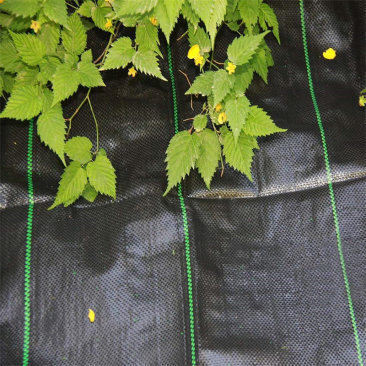
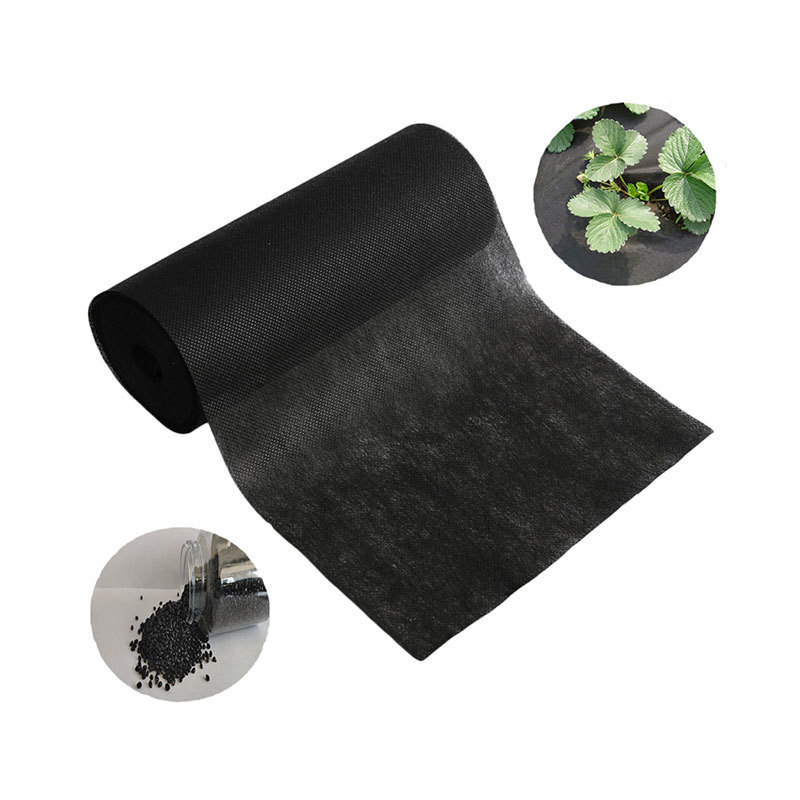
In terms of applications, polyester spunbond nonwoven fabric is incredibly versatile. In the medical field, it is commonly used for surgical gowns, drapes, and masks, providing a barrier against contamination while ensuring comfort for users. In the agricultural sector, it is utilized for mulch films and crop covers, helping to enhance plant growth and protect against pests and environmental factors.
Moreover, this fabric plays a significant role in the automotive industry, where it is used in interior components, sound insulation, and filtration systems. Its lightweight nature helps improve fuel efficiency, making it an eco-friendly choice. In the home textiles market, polyester spunbond nonwoven fabric is often found in products like bedding, upholstery, and curtains, offering both aesthetic appeal and functional benefits.
Sustainability is also a growing concern in the textile industry, and polyester spunbond nonwoven fabric can be produced using recycled materials, contributing to reduced environmental impact. This aligns with the increasing demand for sustainable practices and products in various sectors.
In conclusion, polyester spunbond nonwoven fabric stands out as a highly effective and versatile material within the textile industry. Its unique properties, combined with a wide range of applications, make it an essential choice for manufacturers across multiple sectors. Understanding its features and benefits can help businesses leverage this material to enhance their product offerings and meet market demands effectively.
One of the key features of polyester spunbond nonwoven fabric is its exceptional tensile strength. The bonding process ensures that the fabric maintains its integrity even under stress, making it suitable for applications where durability is critical, such as in personal protective equipment (PPE) and industrial textiles. Additionally, it exhibits excellent resistance to chemicals, UV radiation, and water, further expanding its usability in various environments.
Another significant advantage of polyester spunbond nonwoven fabric is its cost-effectiveness. The manufacturing process is efficient, allowing for large-scale production while maintaining high quality. This efficiency translates into reduced costs, making it an attractive option for manufacturers and businesses looking to optimize their resources.
In terms of applications, polyester spunbond nonwoven fabric is incredibly versatile. In the medical field, it is commonly used for surgical gowns, drapes, and masks, providing a barrier against contamination while ensuring comfort for users. In the agricultural sector, it is utilized for mulch films and crop covers, helping to enhance plant growth and protect against pests and environmental factors.
Moreover, this fabric plays a significant role in the automotive industry, where it is used in interior components, sound insulation, and filtration systems. Its lightweight nature helps improve fuel efficiency, making it an eco-friendly choice. In the home textiles market, polyester spunbond nonwoven fabric is often found in products like bedding, upholstery, and curtains, offering both aesthetic appeal and functional benefits.
Sustainability is also a growing concern in the textile industry, and polyester spunbond nonwoven fabric can be produced using recycled materials, contributing to reduced environmental impact. This aligns with the increasing demand for sustainable practices and products in various sectors.
In conclusion, polyester spunbond nonwoven fabric stands out as a highly effective and versatile material within the textile industry. Its unique properties, combined with a wide range of applications, make it an essential choice for manufacturers across multiple sectors. Understanding its features and benefits can help businesses leverage this material to enhance their product offerings and meet market demands effectively.
Polyester Spunbond Nonwoven Fabric

LEAVE A MESSAGE
MESSAGE