




27
2025
-
11
Maximizing Efficiency with Geotextile Landscape Fabric in Construction
In the construction and landscaping industry, the use of geotextile landscape fabric has become increasingly prevalent due to its remarkable properties and versatility. This synthetic fabric, made from permeable materials, serves several essential functions that enhance the efficiency and sustainability of construction projects. One of the primary benefits of geotextile landscape fabric is its abi

In the construction and landscaping industry, the use of geotextile landscape fabric has become increasingly prevalent due to its remarkable properties and versatility. This synthetic fabric, made from permeable materials, serves several essential functions that enhance the efficiency and sustainability of construction projects.
One of the primary benefits of geotextile landscape fabric is its ability to control soil erosion. By acting as a barrier between soil and water, it prevents the displacement of soil particles, allowing for better stabilization of slopes and surfaces. This property is particularly valuable in areas prone to heavy rainfall, where erosion can lead to significant structural damage. By incorporating geotextile landscape fabric into your construction plans, you can protect your projects from the adverse effects of soil erosion.
Furthermore, geotextile landscape fabric plays a crucial role in drainage management. This material allows water to pass through while filtering out sediment and debris. By using geotextile landscape fabric in drainage systems, you can prevent clogging and ensure the longevity of pipes and other drainage features. As a result, this fabric not only enhances water management but also contributes to the sustainability of the surrounding environment by minimizing the risk of sediment pollution in nearby water bodies.
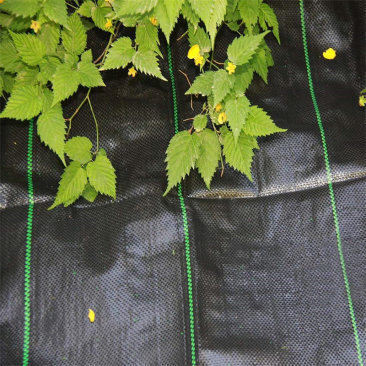
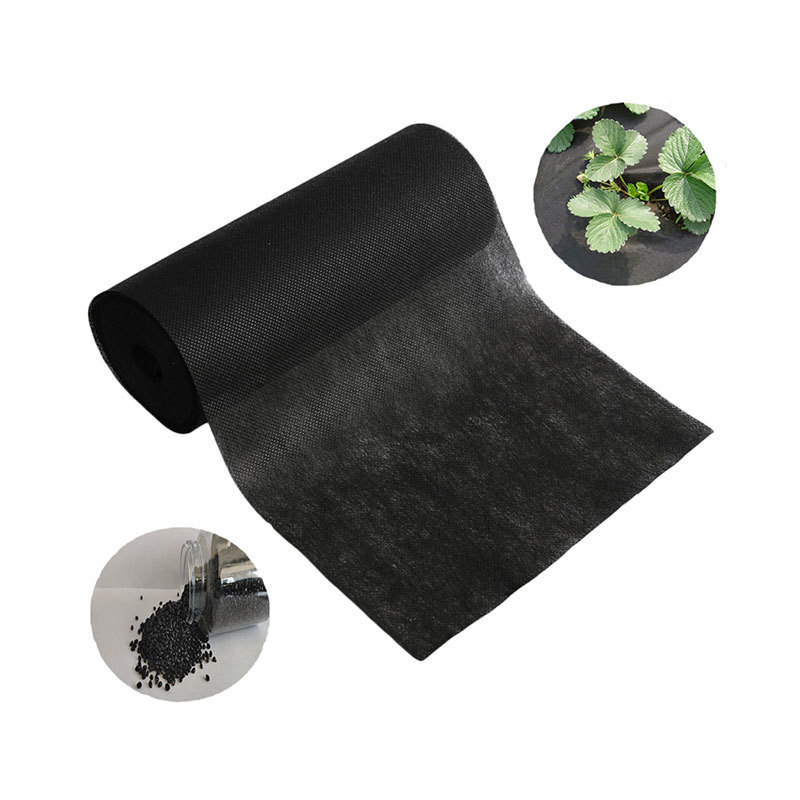
The versatility of geotextile landscape fabric extends to its use in various applications, including road construction, landscape design, and retaining wall projects. In road construction, for instance, geotextile landscape fabric can be placed beneath aggregate layers to provide additional support and prevent rutting, thereby extending the lifespan of the roadway. In landscaping, it can be utilized to separate soil layers, promote healthy plant growth, and suppress weed growth, effectively reducing the need for chemical herbicides.
For professionals in the construction and landscaping sectors, it is crucial to select the appropriate type of geotextile landscape fabric for your specific needs. Factors such as permeability, strength, and durability should be considered to ensure optimal performance. Additionally, proper installation techniques are vital; the fabric should be laid flat without folds or wrinkles, and adequate overlaps should be maintained to provide complete coverage.
In conclusion, geotextile landscape fabric is a valuable asset in the construction and landscaping industries. Its ability to control erosion, manage drainage, and enhance project durability makes it an essential material for professionals seeking to improve their project outcomes. By understanding and utilizing the benefits of geotextile landscape fabric, you can ensure that your construction projects are not only efficient but also environmentally responsible. Embrace this innovative material to elevate your project success and contribute to sustainable construction practices.
One of the primary benefits of geotextile landscape fabric is its ability to control soil erosion. By acting as a barrier between soil and water, it prevents the displacement of soil particles, allowing for better stabilization of slopes and surfaces. This property is particularly valuable in areas prone to heavy rainfall, where erosion can lead to significant structural damage. By incorporating geotextile landscape fabric into your construction plans, you can protect your projects from the adverse effects of soil erosion.
Furthermore, geotextile landscape fabric plays a crucial role in drainage management. This material allows water to pass through while filtering out sediment and debris. By using geotextile landscape fabric in drainage systems, you can prevent clogging and ensure the longevity of pipes and other drainage features. As a result, this fabric not only enhances water management but also contributes to the sustainability of the surrounding environment by minimizing the risk of sediment pollution in nearby water bodies.
The versatility of geotextile landscape fabric extends to its use in various applications, including road construction, landscape design, and retaining wall projects. In road construction, for instance, geotextile landscape fabric can be placed beneath aggregate layers to provide additional support and prevent rutting, thereby extending the lifespan of the roadway. In landscaping, it can be utilized to separate soil layers, promote healthy plant growth, and suppress weed growth, effectively reducing the need for chemical herbicides.
For professionals in the construction and landscaping sectors, it is crucial to select the appropriate type of geotextile landscape fabric for your specific needs. Factors such as permeability, strength, and durability should be considered to ensure optimal performance. Additionally, proper installation techniques are vital; the fabric should be laid flat without folds or wrinkles, and adequate overlaps should be maintained to provide complete coverage.
In conclusion, geotextile landscape fabric is a valuable asset in the construction and landscaping industries. Its ability to control erosion, manage drainage, and enhance project durability makes it an essential material for professionals seeking to improve their project outcomes. By understanding and utilizing the benefits of geotextile landscape fabric, you can ensure that your construction projects are not only efficient but also environmentally responsible. Embrace this innovative material to elevate your project success and contribute to sustainable construction practices.
geotextile landscape fabric

LEAVE A MESSAGE
MESSAGE