



05
2025
-
12
Exploring the Versatility and Applications of PP Nonwoven Fabric
PP nonwoven fabric, made from polypropylene fibers, has gained immense popularity due to its diverse applications and advantageous properties. As a key player in the textile industry, understanding the features and uses of PP nonwoven fabric can significantly benefit professionals seeking innovative solutions for their projects. One of the primary characteristics of PP nonwoven fabric is its light

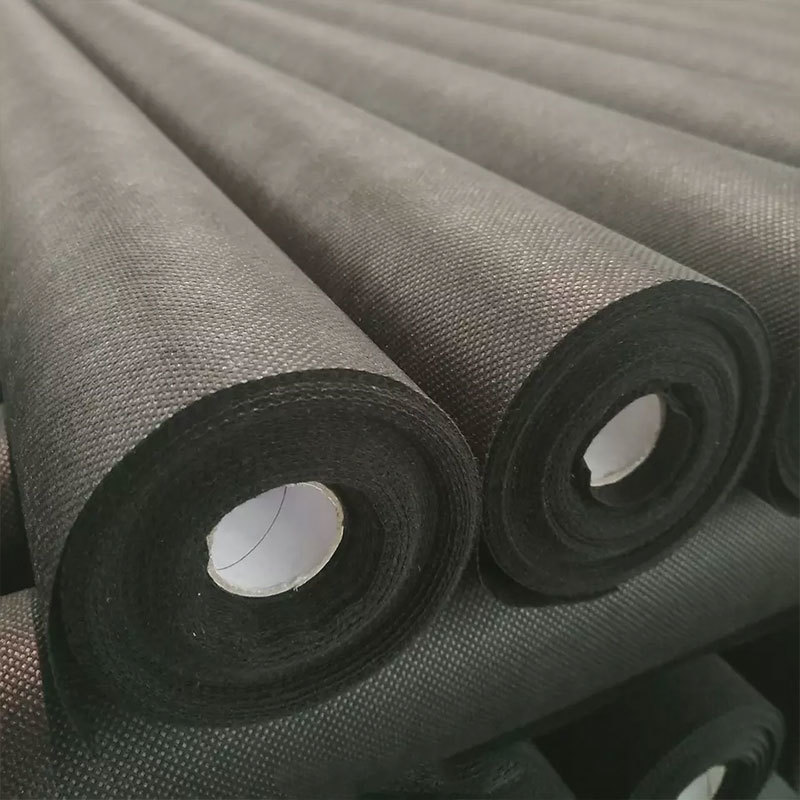
PP nonwoven fabric, made from polypropylene fibers, has gained immense popularity due to its diverse applications and advantageous properties. As a key player in the textile industry, understanding the features and uses of PP nonwoven fabric can significantly benefit professionals seeking innovative solutions for their projects.
One of the primary characteristics of PP nonwoven fabric is its lightweight nature, which makes it easier to handle and transport compared to traditional woven fabrics. Additionally, this type of fabric is highly breathable and moisture-resistant, offering excellent durability and functionality. These properties make PP nonwoven fabric suitable for a range of applications, including medical supplies, hygiene products, agricultural textiles, and construction materials.
In the medical industry, PP nonwoven fabric is widely used in the production of surgical gowns, masks, and drapes. Its ability to provide a barrier against bacteria and fluids while remaining breathable makes it an ideal choice for healthcare applications. Moreover, nonwoven fabrics can be engineered with various properties, such as antimicrobial treatments, further enhancing their effectiveness in medical environments.
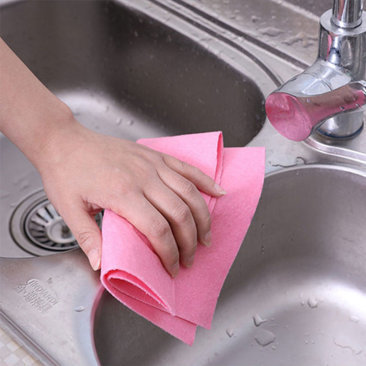
The hygiene sector also benefits significantly from PP nonwoven fabric, which is commonly utilized in the manufacture of diapers, feminine hygiene products, and adult incontinence items. The softness, absorbency, and comfort provided by PP nonwoven fabric contribute to the overall user experience, while its cost-effectiveness makes it a preferred option for manufacturers.
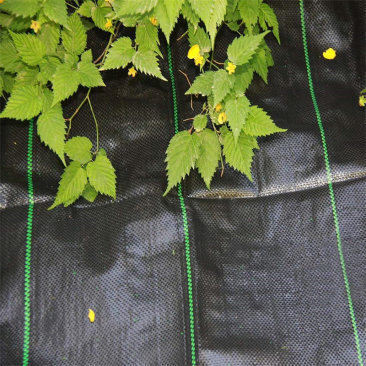
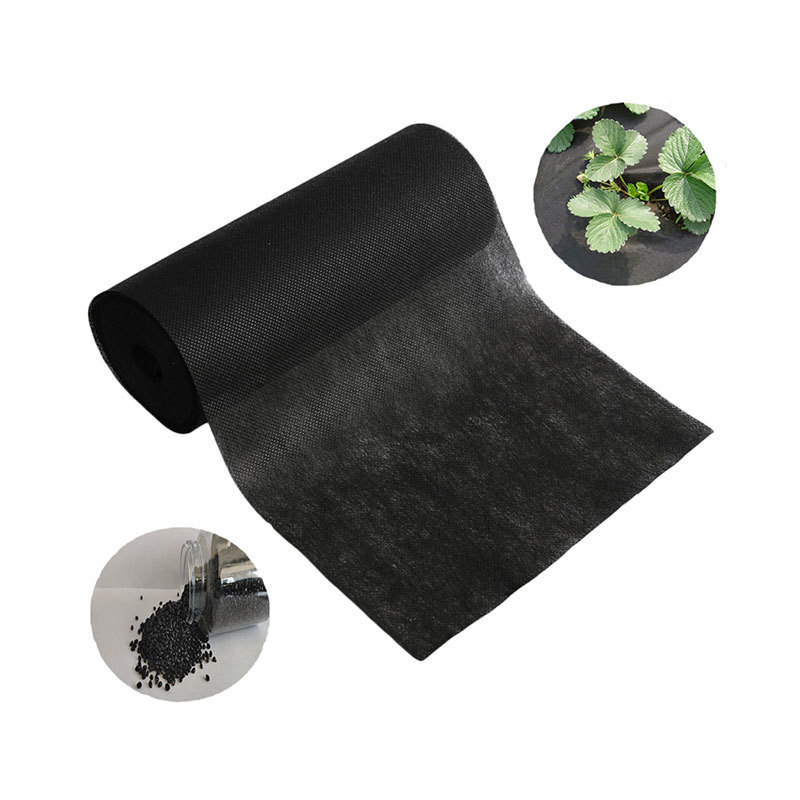
In agriculture, PP nonwoven fabric is often employed as a protective cover for plants and crops, providing insulation and preventing pest damage. Its lightweight quality allows for easy installation and removal, while its UV resistance ensures durability in outdoor conditions. As a result, PP nonwoven fabric has become an essential element in modern agricultural practices.
Moreover, in the construction industry, PP nonwoven fabric plays a crucial role in geotextiles, used for soil stabilization, erosion control, and drainage applications. The fabric's strength and permeability help enhance the longevity and performance of infrastructure projects, making it a valuable material for civil engineers and contractors.
In conclusion, PP nonwoven fabric is an incredibly versatile textile that caters to a myriad of industries thanks to its unique properties and benefits. With applications spanning from healthcare to agriculture and construction, understanding the advantages of PP nonwoven fabric can help professionals make informed decisions in their projects. As the demand for innovative and sustainable material solutions continues to grow, PP nonwoven fabric is poised to remain a key player in the textile landscape.
One of the primary characteristics of PP nonwoven fabric is its lightweight nature, which makes it easier to handle and transport compared to traditional woven fabrics. Additionally, this type of fabric is highly breathable and moisture-resistant, offering excellent durability and functionality. These properties make PP nonwoven fabric suitable for a range of applications, including medical supplies, hygiene products, agricultural textiles, and construction materials.
In the medical industry, PP nonwoven fabric is widely used in the production of surgical gowns, masks, and drapes. Its ability to provide a barrier against bacteria and fluids while remaining breathable makes it an ideal choice for healthcare applications. Moreover, nonwoven fabrics can be engineered with various properties, such as antimicrobial treatments, further enhancing their effectiveness in medical environments.
The hygiene sector also benefits significantly from PP nonwoven fabric, which is commonly utilized in the manufacture of diapers, feminine hygiene products, and adult incontinence items. The softness, absorbency, and comfort provided by PP nonwoven fabric contribute to the overall user experience, while its cost-effectiveness makes it a preferred option for manufacturers.
In agriculture, PP nonwoven fabric is often employed as a protective cover for plants and crops, providing insulation and preventing pest damage. Its lightweight quality allows for easy installation and removal, while its UV resistance ensures durability in outdoor conditions. As a result, PP nonwoven fabric has become an essential element in modern agricultural practices.
Moreover, in the construction industry, PP nonwoven fabric plays a crucial role in geotextiles, used for soil stabilization, erosion control, and drainage applications. The fabric's strength and permeability help enhance the longevity and performance of infrastructure projects, making it a valuable material for civil engineers and contractors.
In conclusion, PP nonwoven fabric is an incredibly versatile textile that caters to a myriad of industries thanks to its unique properties and benefits. With applications spanning from healthcare to agriculture and construction, understanding the advantages of PP nonwoven fabric can help professionals make informed decisions in their projects. As the demand for innovative and sustainable material solutions continues to grow, PP nonwoven fabric is poised to remain a key player in the textile landscape.
PP nonwoven fabric

LEAVE A MESSAGE
MESSAGE