




25
2025
-
12
Understanding Polyester Spunbond Nonwoven Fabric: Key Insights for Professionals
Polyester spunbond nonwoven fabric is a versatile and widely used material in the textile industry. Its unique manufacturing process involves extruding polyester fibers and bonding them together through thermal or mechanical means, resulting in a durable and lightweight fabric. This nonwoven fabric is particularly valued for its strength, resistance to tearing, and ability to retain shape, making

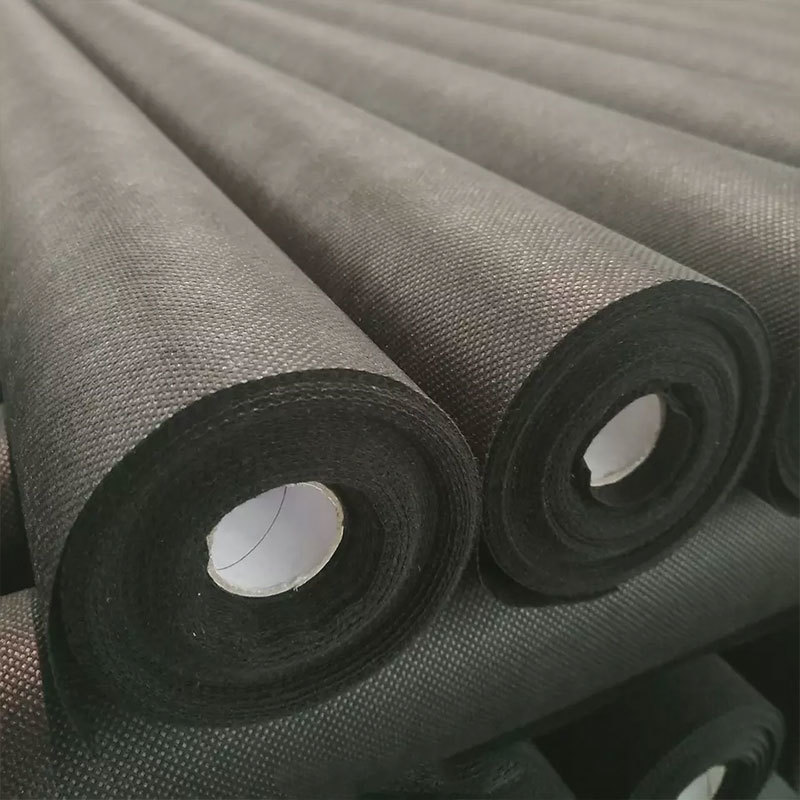
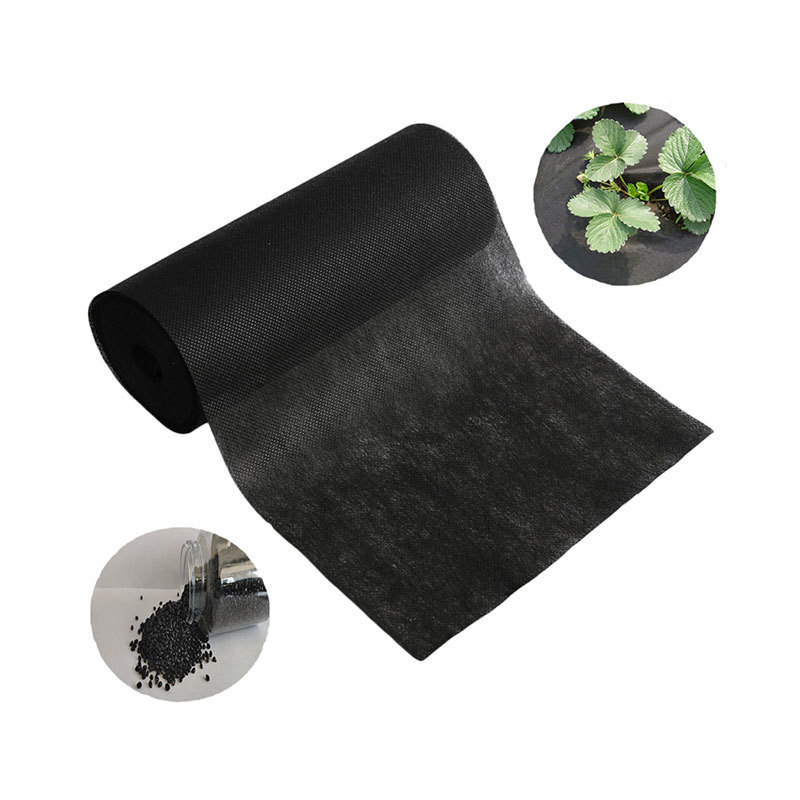
Polyester spunbond nonwoven fabric is a versatile and widely used material in the textile industry. Its unique manufacturing process involves extruding polyester fibers and bonding them together through thermal or mechanical means, resulting in a durable and lightweight fabric. This nonwoven fabric is particularly valued for its strength, resistance to tearing, and ability to retain shape, making it ideal for a variety of applications.
One of the most significant features of polyester spunbond nonwoven fabric is its excellent breathability. This characteristic makes it suitable for products that require air circulation, such as in medical applications, where it can be used for surgical gowns and drapes, or even in filtration materials. Furthermore, the fabric's moisture resistance contributes to its functionality, allowing it to perform well in environments where exposure to liquids may occur.
In the realm of sustainability, polyester spunbond nonwoven fabric can be engineered to incorporate recycled materials, aligning with the growing demand for environmentally friendly products. This aspect is increasingly important in today's market, as consumers and companies prioritize sustainability in their purchasing decisions.
Another notable advantage of polyester spunbond nonwoven fabric is its cost-effectiveness. The manufacturing process is relatively efficient, which often translates into lower production costs compared to woven fabrics. Additionally, the lightweight nature of the fabric can reduce shipping and handling costs, providing further financial benefits for manufacturers and end-users alike.
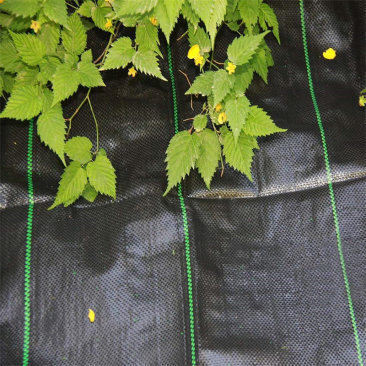
Polyester spunbond nonwoven fabric has a wide range of applications across various industries. In agriculture, it is often used for crop covers, weed control fabrics, and horticultural applications, helping to create a controlled environment for plant growth. In the automotive industry, this fabric is utilized for interior components, soundproofing, and insulation, showcasing its versatility and adaptability.
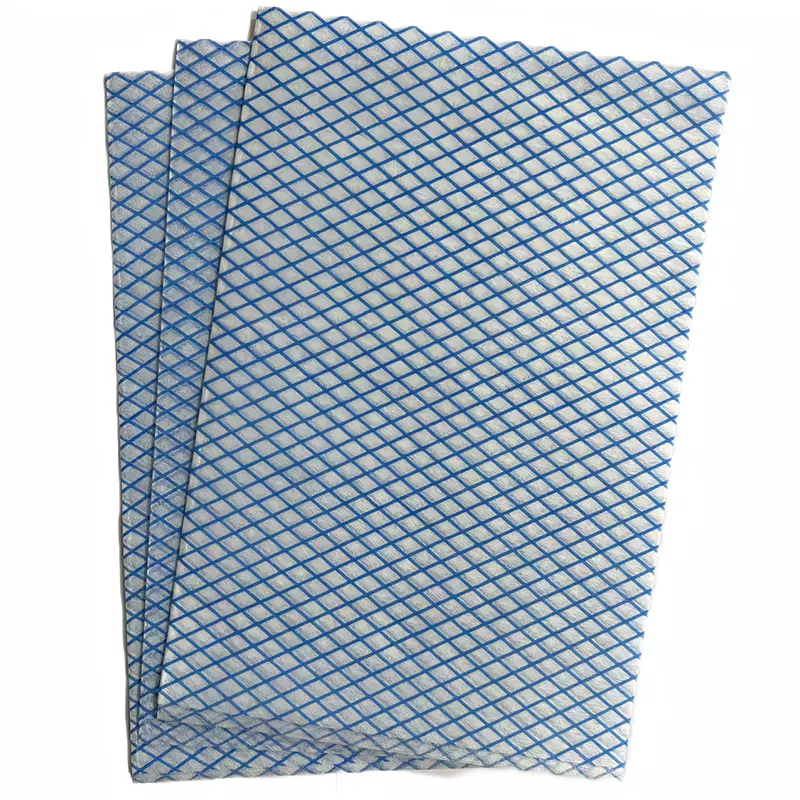
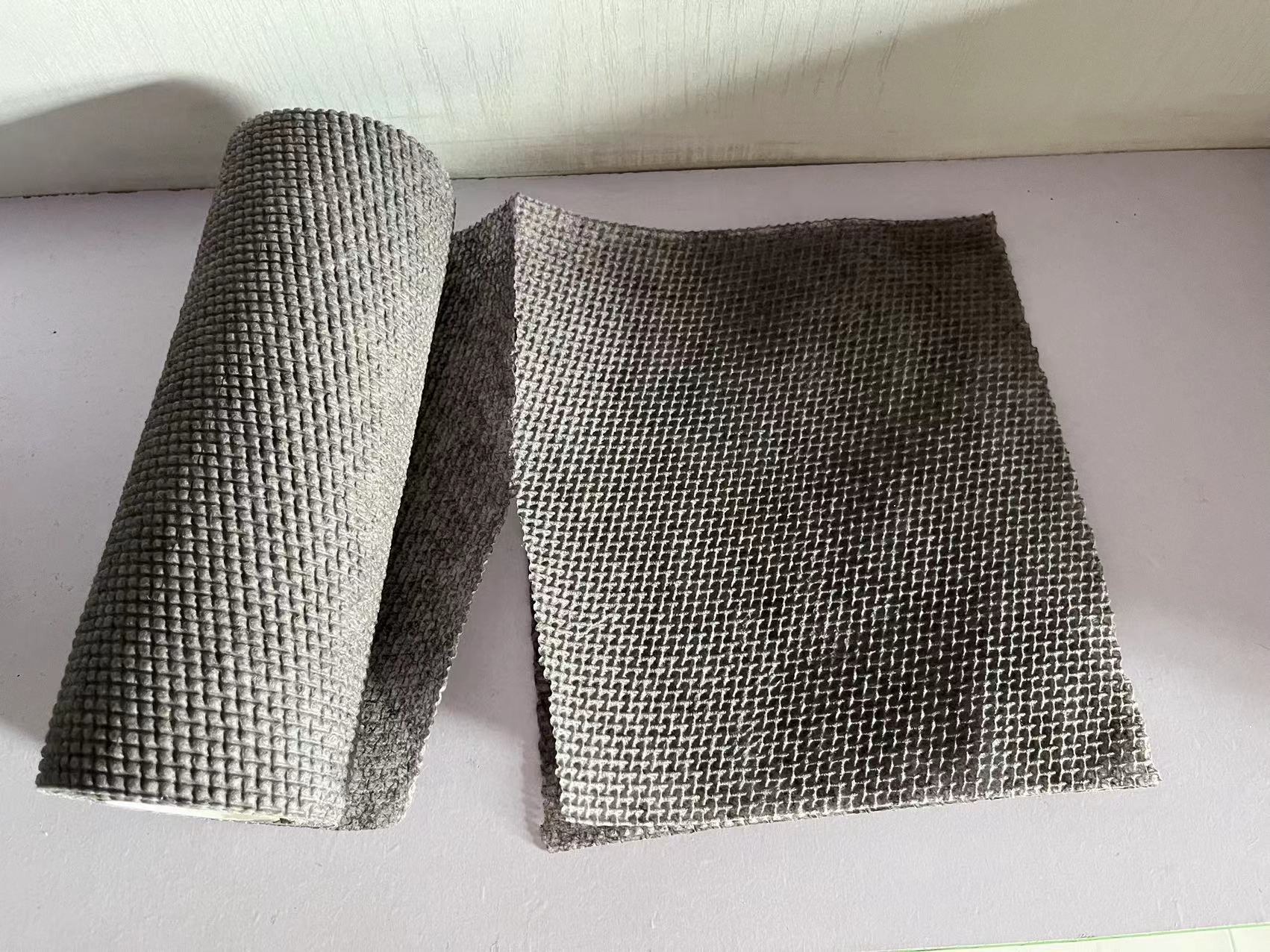
Moreover, the fashion and apparel sectors have also recognized the potential of polyester spunbond nonwoven fabric. Designers are increasingly incorporating it into their collections for its unique textures and patterns, further expanding its use beyond traditional applications.
In conclusion, polyester spunbond nonwoven fabric is a crucial material in the textile industry, offering a combination of durability, breathability, and cost-effectiveness. Its adaptability to various applications, from healthcare to agriculture and fashion, makes it an essential choice for professionals seeking innovative solutions. Understanding the properties and potential of this fabric can empower industry players to make informed decisions and leverage its benefits in their respective fields.
One of the most significant features of polyester spunbond nonwoven fabric is its excellent breathability. This characteristic makes it suitable for products that require air circulation, such as in medical applications, where it can be used for surgical gowns and drapes, or even in filtration materials. Furthermore, the fabric's moisture resistance contributes to its functionality, allowing it to perform well in environments where exposure to liquids may occur.
In the realm of sustainability, polyester spunbond nonwoven fabric can be engineered to incorporate recycled materials, aligning with the growing demand for environmentally friendly products. This aspect is increasingly important in today's market, as consumers and companies prioritize sustainability in their purchasing decisions.
Another notable advantage of polyester spunbond nonwoven fabric is its cost-effectiveness. The manufacturing process is relatively efficient, which often translates into lower production costs compared to woven fabrics. Additionally, the lightweight nature of the fabric can reduce shipping and handling costs, providing further financial benefits for manufacturers and end-users alike.
Polyester spunbond nonwoven fabric has a wide range of applications across various industries. In agriculture, it is often used for crop covers, weed control fabrics, and horticultural applications, helping to create a controlled environment for plant growth. In the automotive industry, this fabric is utilized for interior components, soundproofing, and insulation, showcasing its versatility and adaptability.
Moreover, the fashion and apparel sectors have also recognized the potential of polyester spunbond nonwoven fabric. Designers are increasingly incorporating it into their collections for its unique textures and patterns, further expanding its use beyond traditional applications.
In conclusion, polyester spunbond nonwoven fabric is a crucial material in the textile industry, offering a combination of durability, breathability, and cost-effectiveness. Its adaptability to various applications, from healthcare to agriculture and fashion, makes it an essential choice for professionals seeking innovative solutions. Understanding the properties and potential of this fabric can empower industry players to make informed decisions and leverage its benefits in their respective fields.
Polyester Spunbond Nonwoven Fabric

LEAVE A MESSAGE
MESSAGE