



31
2025
-
12
The Top Features to Look for in Garden Weed Control Fabric: A Comprehensive Guide
The Top Features to Look for in Garden Weed Control Fabric When it comes to maintaining a thriving garden, controlling weeds is a crucial aspect that cannot be overlooked. One effective solution for managing weed growth is the use of garden weed control fabric. However, not all weed control fabrics are created equal. This guide will explore the top features to consider when selecting weed control

The Top Features to Look for in Garden Weed Control Fabric
When it comes to maintaining a thriving garden, controlling weeds is a crucial aspect that cannot be overlooked. One effective solution for managing weed growth is the use of garden weed control fabric. However, not all weed control fabrics are created equal. This guide will explore the top features to consider when selecting weed control fabric, ensuring that your garden remains healthy and vibrant.
Table of Contents
- Understanding Garden Weed Control Fabric
- Material Quality: The Foundation of Effective Weed Control
- Permeability and Water Drainage: Balancing Moisture and Weed Prevention
- Durability and Longevity: Investing in Quality
- UV Resistance: Protecting Your Investment from the Elements
- Ease of Installation: Simplifying Your Gardening Tasks
- Eco-Friendliness and Sustainability: Making Responsible Choices
- Cost Considerations: Finding Value in Your Purchase
- FAQs: Common Questions about Garden Weed Control Fabric
- Conclusion: Choosing the Right Garden Weed Control Fabric
Understanding Garden Weed Control Fabric
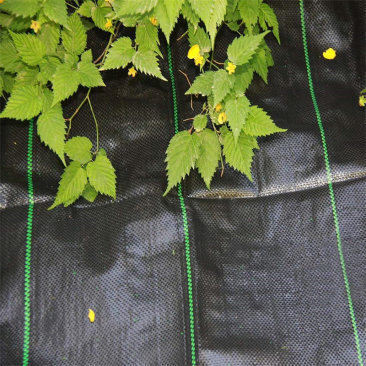
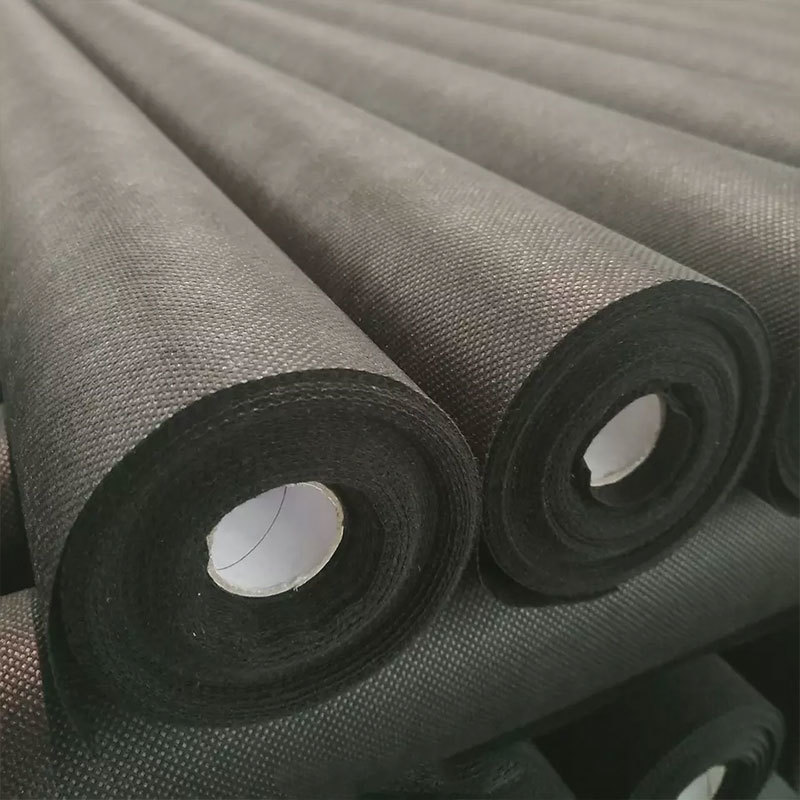
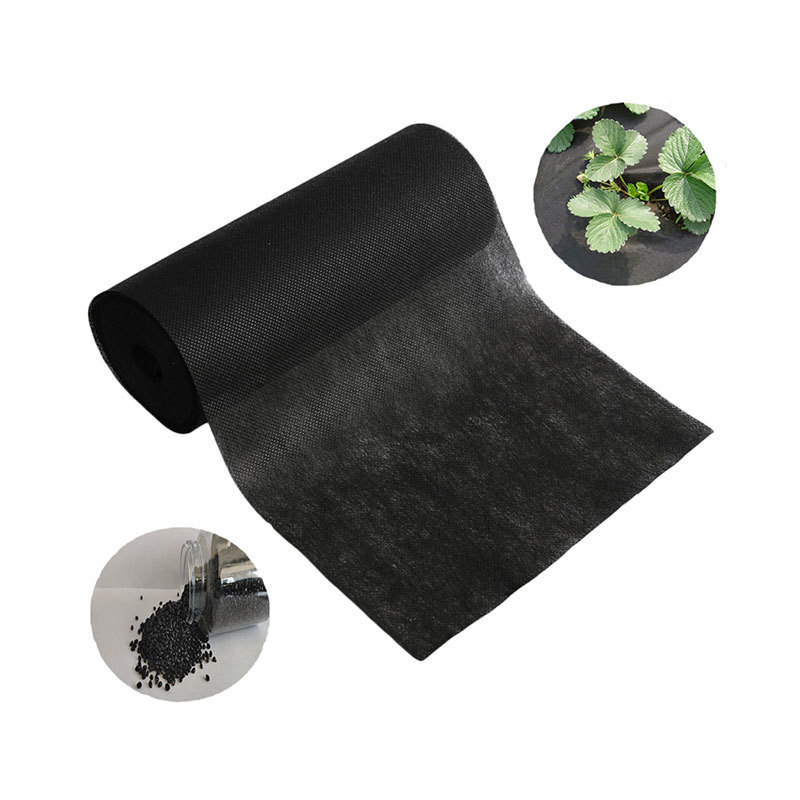
Garden weed control fabric, often referred to as landscape fabric, is designed to suppress weed growth while allowing air, moisture, and nutrients to reach the soil. By creating a barrier between the soil and light, weed control fabric significantly reduces the chances of weed seeds germinating. Understanding its role and features can help you make informed choices that enhance your garden's health.
Material Quality: The Foundation of Effective Weed Control
Material quality plays a crucial role in the effectiveness of garden weed control fabric. The best weed control fabrics are typically made from woven polypropylene or non-woven materials.
Woven vs. Non-Woven Fabrics
- **Woven Fabrics**: These are made by weaving strands of polypropylene together, resulting in a robust, tear-resistant fabric. They allow for excellent air and water permeability, making them suitable for a variety of gardening applications.
- **Non-Woven Fabrics**: These are manufactured by bonding fibers together using heat or chemicals, creating a more porous structure. While they are generally less durable than woven fabrics, they can be effective in specific situations, particularly for short-term use.
Choosing the right material based on your specific gardening needs is essential for effective weed control.
Permeability and Water Drainage: Balancing Moisture and Weed Prevention
A key feature of garden weed control fabric is its permeability. The fabric should allow water, air, and nutrients to pass through while preventing light from reaching the soil.
Importance of Drainage
Effective drainage is vital, especially in areas prone to heavy rainfall. High-quality weed control fabrics are designed to facilitate proper drainage, preventing water accumulation that can lead to root rot and other plant diseases.
To ensure you select the right fabric, look for products that specify their permeability ratings, and consider your garden's unique moisture needs.
Durability and Longevity: Investing in Quality
Investing in durable garden weed control fabric can save you time and money in the long run.
Factors Influencing Durability
- **Material Thickness**: Thicker fabrics tend to be more durable and resistant to tearing and degradation. Look for products that offer a thickness of at least 3 ounces per square yard for optimal durability.
- **Resistance to Degradation**: Fabrics treated for UV resistance will last longer in direct sunlight. Choose products designed to withstand the elements.
UV Resistance: Protecting Your Investment from the Elements
UV resistance is a critical factor that affects the lifespan of garden weed control fabric.
Why UV Resistance Matters
Fabrics that are not UV resistant can deteriorate quickly when exposed to sunlight, leading to a shorter lifespan and increased costs due to frequent replacements. Opt for UV-treated fabrics that ensure longevity, particularly if your garden receives significant sunlight throughout the day.
Ease of Installation: Simplifying Your Gardening Tasks
The installation process of garden weed control fabric can vary significantly depending on the product.
Features that Enhance Ease of Installation
- **Pre-Cut Sizes**: Some manufacturers offer pre-cut sizes tailored for specific gardening dimensions, reducing waste and saving installation time.
- **Lightweight Materials**: Lightweight fabrics are easier to handle and cut, making the installation process more efficient.
- **Guides and Instructions**: Look for products accompanied by clear installation instructions or guides to ensure seamless setup.
Eco-Friendliness and Sustainability: Making Responsible Choices
As gardeners, we should consider the environmental impact of our choices.
Choosing Sustainable Materials
Opt for weed control fabrics made from recycled materials or those that are biodegradable. This not only supports environmental sustainability but also ensures that your gardening practices align with eco-friendly values.
Cost Considerations: Finding Value in Your Purchase
While price is an essential factor, it should not be the sole determinant in your selection process.
Weighing Cost Against Features
- **Long-Term Value**: Investing in higher-quality fabrics may have a higher upfront cost but can save money over time due to their durability and effectiveness.
- **Warranty and Support**: Consider manufacturers that offer warranties or customer support, as this can enhance the overall value of your purchase.
FAQs: Common Questions about Garden Weed Control Fabric
1. How do I know which weed control fabric is best for my garden?
The best fabric depends on your garden's specific needs, including climate, plant types, and the duration of use. Consider the material quality, permeability, and UV resistance.
2. Can I use weed control fabric in vegetable gardens?
Yes, many gardeners use weed control fabric in vegetable gardens. Just ensure that it is permeable enough to allow water and nutrients to reach your plants.
3. How long does garden weed control fabric last?
The lifespan of weed control fabric varies depending on the material and exposure to elements. High-quality, UV-resistant fabrics can last up to 10 years or more.
4. Is it necessary to remove the fabric after a certain period?
While some gardeners choose to remove it to allow for soil improvement, many fabrics can remain in place indefinitely if they are high quality and not obstructing plant growth.
5. Can I compost weed control fabric?
Most synthetic weed control fabrics are not compostable. However, some biodegradable options may be suitable for composting. Check the manufacturer’s guidelines.
Conclusion: Choosing the Right Garden Weed Control Fabric
Selecting the right garden weed control fabric is integral to the success of your gardening efforts. By considering features such as material quality, permeability, durability, UV resistance, and eco-friendliness, you can make an informed choice that enhances your garden's health and productivity. Investing time in understanding these features will lead to a flourishing garden free from the struggles of weed growth. With the right fabric in place, you can enjoy a vibrant and thriving outdoor space.
garden weed control fabric

LEAVE A MESSAGE
MESSAGE