




02
2026
-
01
From Weeds to Wonder: The Protective Power of Ground Cover Fabric
From Weeds to Wonder: The Protective Power of Ground Cover Fabric Ground cover fabric is more than just a protective layer for your landscaping projects; it is a vital component in the fight against weeds, soil erosion, and moisture loss. In this article, we delve into the myriad benefits of ground cover fabric, its types, installation methods, and maintenance practices that can help you transform

From Weeds to Wonder: The Protective Power of Ground Cover Fabric
Ground cover fabric is more than just a protective layer for your landscaping projects; it is a vital component in the fight against weeds, soil erosion, and moisture loss. In this article, we delve into the myriad benefits of ground cover fabric, its types, installation methods, and maintenance practices that can help you transform your outdoor spaces from overgrown jungles to beautifully landscaped wonders.
Table of Contents
- 1. What is Ground Cover Fabric?
- 2. Benefits of Ground Cover Fabric in Landscaping
- 3. Types of Ground Cover Fabrics Available
- 4. How to Properly Install Ground Cover Fabric
- 5. Maintenance Tips for Ground Cover Fabric
- 6. Ground Cover Fabric in Different Environments
- 7. Environmental Benefits of Ground Cover Fabric
- 8. Common Problems and Solutions with Ground Cover Fabric
- 9. Conclusion
- 10. Frequently Asked Questions
1. What is Ground Cover Fabric?
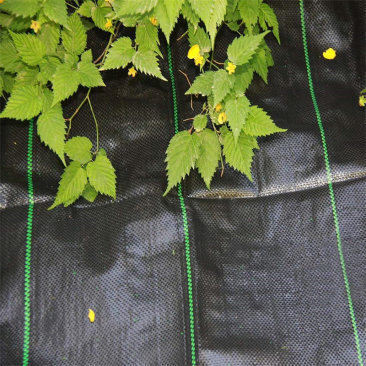
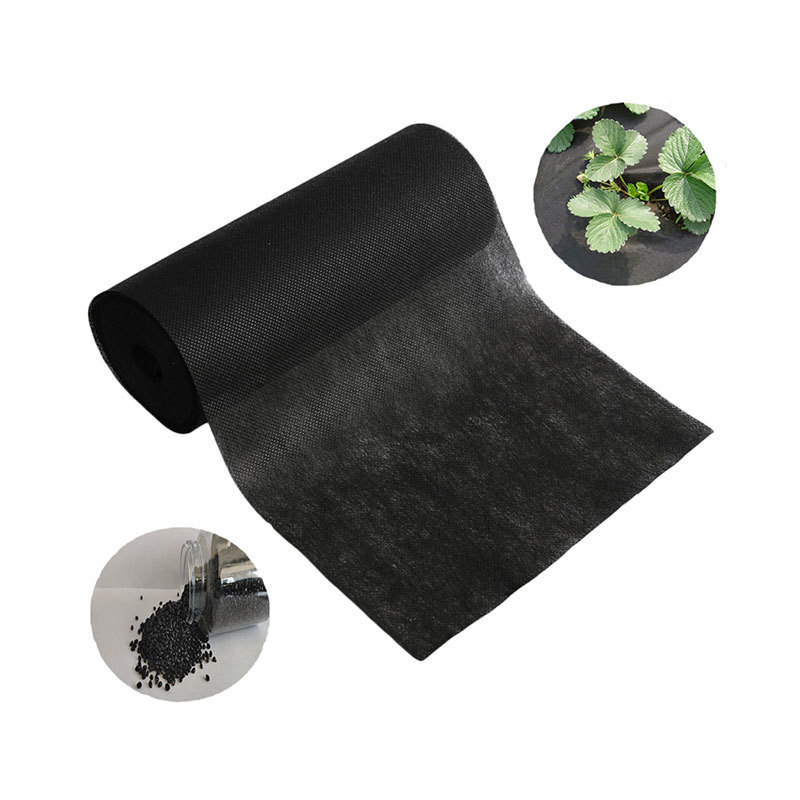
Ground cover fabric, also known as landscape fabric or geotextile, is a permeable material designed to allow water and nutrients to penetrate while preventing weed growth. Made from woven or non-woven polypropylene, this fabric serves as a barrier that can effectively suppress unwanted vegetation while promoting healthier soil conditions beneath. Its versatility makes it suitable for a variety of applications, including gardens, flower beds, and around trees or shrubs.
2. Benefits of Ground Cover Fabric in Landscaping
The incorporation of ground cover fabric into landscaping presents numerous benefits. Here are some of the most compelling reasons to consider using this material:
2.1 Weeding Made Easy
One of the primary functions of ground cover fabric is to suppress weeds. By blocking sunlight and creating a physical barrier, it significantly reduces the chances of weed seed germination. This means less time spent on weeding and more time enjoying your beautifully landscaped yard.
2.2 Moisture Retention
Ground cover fabric helps retain moisture in the soil by reducing evaporation. This is especially beneficial during hot summer months when plants are prone to drying out. By maintaining optimal moisture levels, crops and plants may thrive better with less frequent watering, which ultimately conserves water.
2.3 Soil Erosion Prevention
In areas prone to heavy rain or strong winds, ground cover fabric acts as a stabilizing force. It protects the soil from erosion by reducing runoff and allowing water to absorb more effectively. This is crucial for maintaining soil health and preventing loss of topsoil.
2.4 Enhanced Soil Health
Ground cover fabric promotes better soil health by allowing organic matter to decompose naturally on the surface. This decomposition enriches the soil, providing essential nutrients for plants while preventing compacting and promoting healthy root growth.
3. Types of Ground Cover Fabrics Available
The market offers various types of ground cover fabrics, each designed for specific applications and requirements. Understanding the differences can help you choose the right one for your project.
3.1 Woven Ground Cover Fabric
Woven fabrics are made from interlaced fibers, providing excellent durability and strength. These fabrics are ideal for areas requiring greater soil stability and weed suppression.
3.2 Non-Woven Ground Cover Fabric
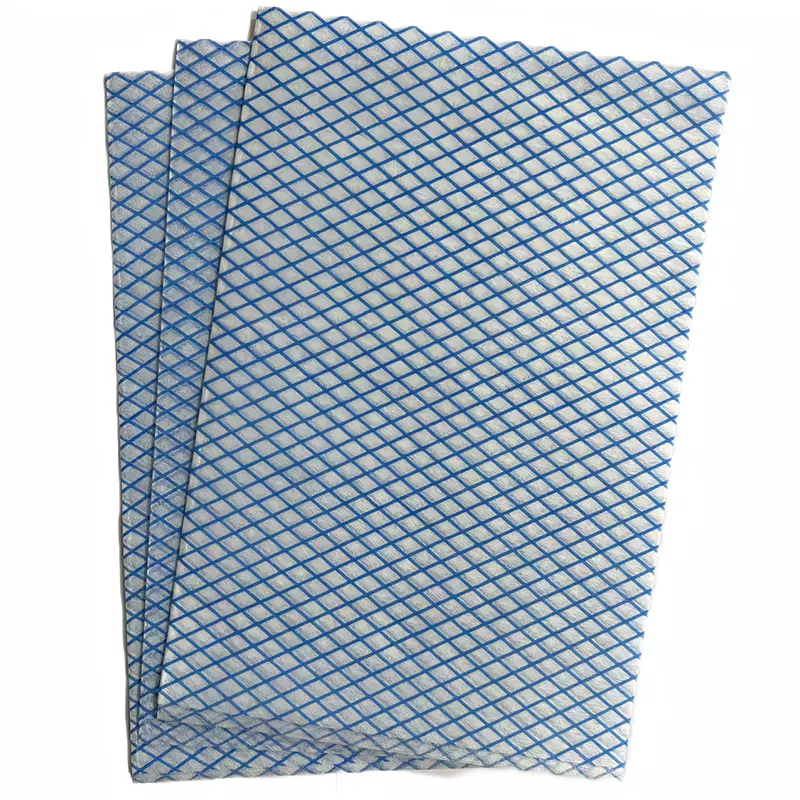
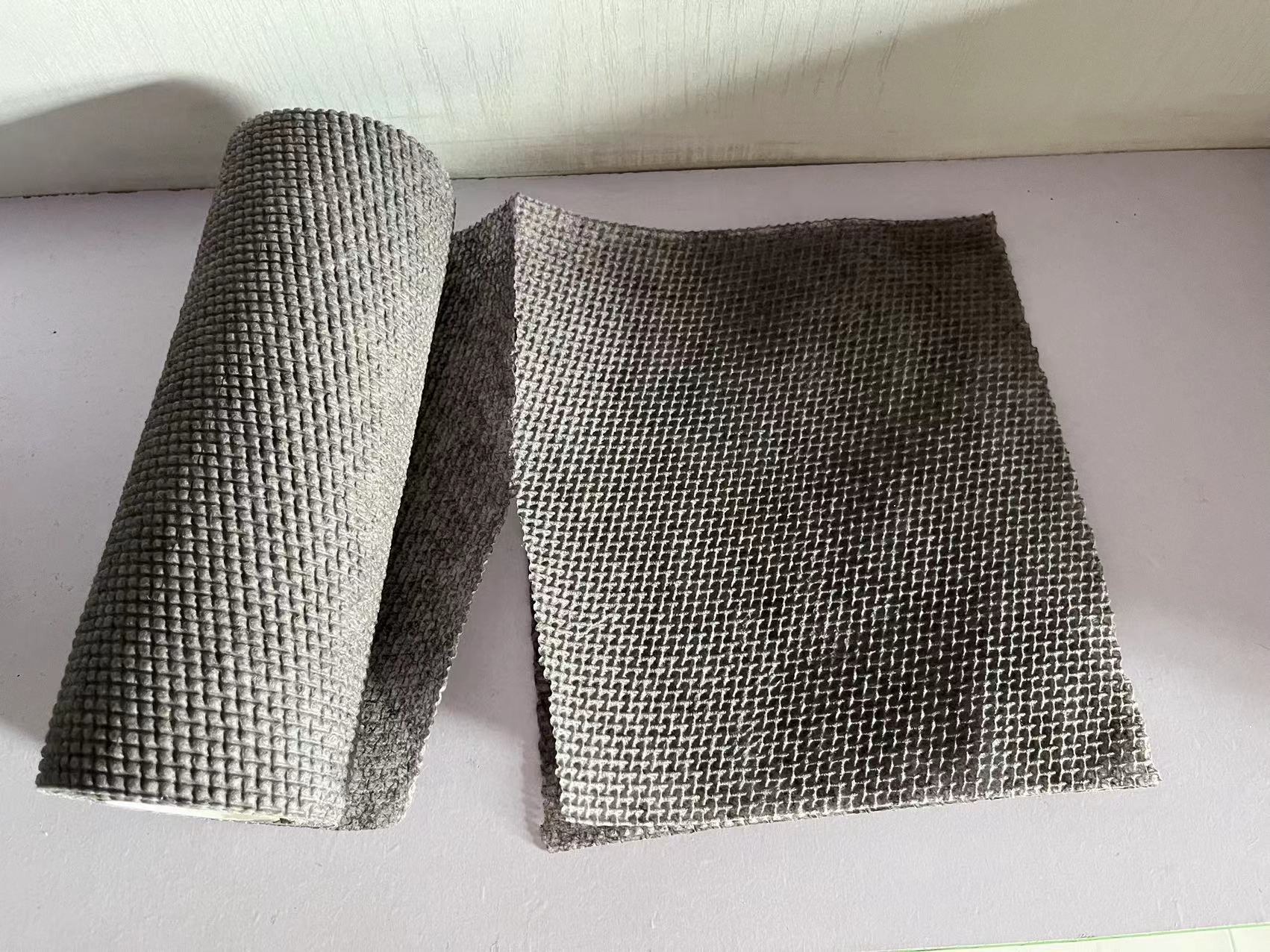
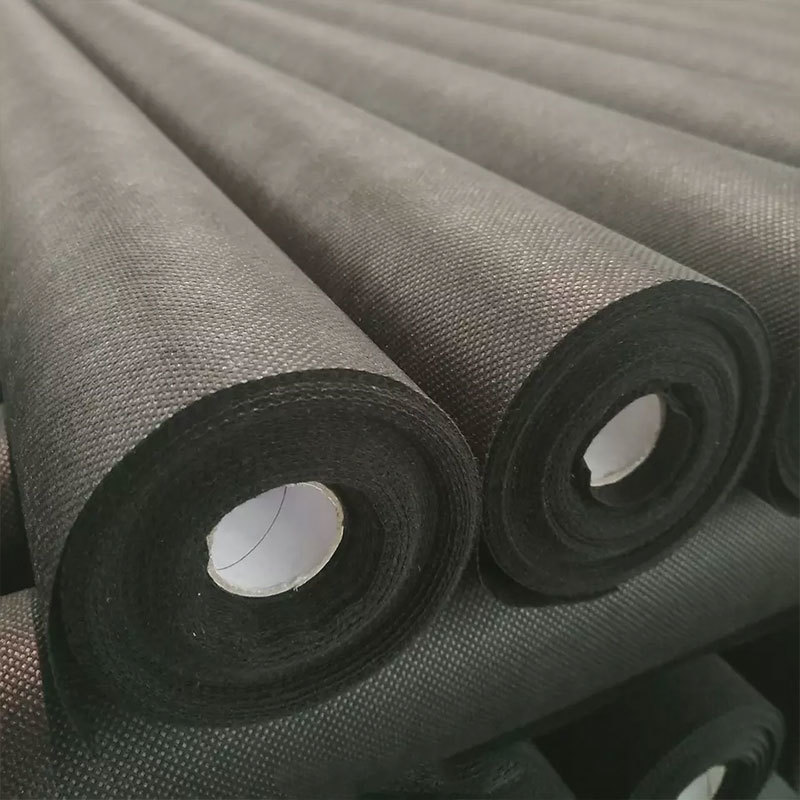
Non-woven fabrics are created through bonding fibers, resulting in a softer material that is more permeable. They are excellent for drainage applications, allowing water to pass through while blocking weeds.
3.3 Biodegradable Ground Cover Fabric
For those looking for eco-friendly options, biodegradable fabrics made from materials like jute or coir are available. These fabrics naturally decompose over time, enriching the soil without leaving behind plastic waste.
3.4 Commercial-Grade Ground Cover Fabric
Designed for high-traffic areas or professional landscaping projects, commercial-grade fabrics are reinforced for enhanced durability and longevity, ensuring they withstand more demanding conditions.
4. How to Properly Install Ground Cover Fabric
Installing ground cover fabric correctly is crucial for maximizing its effectiveness. Follow these steps for a successful installation:
4.1 Prepare the Area
Start by clearing the area of any existing weeds, rocks, or debris. This will provide a clean slate for your ground cover fabric and ensure better contact with the soil.
4.2 Level the Soil
Once cleared, level the soil surface to create an even foundation. This step is vital because uneven ground can lead to water pooling and potential damage to the fabric.
4.3 Cut the Fabric
Measure the area accurately and cut the ground cover fabric to size, ensuring it is large enough to cover the entire area without gaps.
4.4 Lay the Fabric
Unroll the fabric and lay it down smoothly, avoiding any overlaps or wrinkles. If using multiple pieces, overlap the edges by at least 6 inches to ensure complete coverage.
4.5 Secure the Fabric
Use landscape staples or stakes to secure the fabric in place, especially in windy areas. This will prevent it from shifting over time and maintain its effectiveness.
4.6 Add Mulch or Decorative Stones
For added protection and aesthetic appeal, cover the fabric with a layer of mulch or decorative stones. This layer will help keep the fabric in place and enhance the overall look of your landscaping.
5. Maintenance Tips for Ground Cover Fabric
While ground cover fabric is relatively low-maintenance, following these tips can help prolong its lifespan and effectiveness:
5.1 Regular Inspections
Periodically inspect the fabric for signs of wear, damage, or weed breakthrough. Addressing any issues promptly can prevent larger problems down the road.
5.2 Replenish Mulch as Needed
Over time, mulch can break down or wash away. Regularly replenish your mulch layer to maintain its protective function and aesthetic appeal.
5.3 Manage Water Drainage
Ensure that water drains effectively around the fabric. If you notice pooling, consider adjusting the landscape to promote better water flow.
5.4 Clear Debris
Keep the fabric free from leaves and debris that can promote weed growth or decompose and create a barrier to water penetration.
6. Ground Cover Fabric in Different Environments
Ground cover fabric can be utilized in various environments, each with specific considerations:
6.1 Garden Beds
In garden beds, ground cover fabric helps suppress weeds while allowing for healthy plant growth. Choose a breathable option to ensure adequate root aeration.
6.2 Paths and Walkways
For pathways, use a durable woven fabric that can withstand foot traffic. Overlaying with gravel or stepping stones will enhance stability and appearance.
6.4 Slopes and Hillsides
On slopes, opt for commercial-grade ground cover fabric to prevent erosion. It's advisable to anchor the fabric with soil or rocks to keep it in place during heavy rains.
7. Environmental Benefits of Ground Cover Fabric
Ground cover fabric offers several environmental advantages that contribute to sustainable landscaping practices.
7.1 Water Conservation
By retaining moisture in the soil, ground cover fabric supports water conservation efforts, reducing the need for frequent irrigation and promoting sustainable water practices.
7.2 Reduced Chemical Use
The effectiveness of ground cover fabric in suppressing weeds can lessen the need for herbicides, contributing to healthier ecosystems and reducing chemical runoff into nearby waterways.
7.3 Soil Health Improvement
As organic matter decomposes on the surface, it enriches the soil, enhancing its structure and nutrient content. This leads to a more robust and diverse ecosystem.
8. Common Problems and Solutions with Ground Cover Fabric
While ground cover fabric provides many benefits, it can also present certain challenges. Here are some common problems and their solutions:
8.1 Weeds Growing Through Fabric
If weeds break through, it may indicate poor installation or a fabric that is not breathable. To resolve this, ensure your fabric is properly installed and consider switching to a more permeable option.
8.2 Fabric Decomposition
Over time, some fabrics may degrade, especially in harsh environments. Regular inspections and maintenance can help identify when replacement is necessary.
8.3 Water Pooling
Pooling water can indicate drainage issues. Adjust the surrounding landscape to promote better drainage and consider perforating the fabric to aid water flow.
9. Conclusion
Ground cover fabric is an invaluable tool in landscape management, offering significant benefits, from weed suppression to moisture retention. By understanding the different types of fabric, appropriate installation methods, and maintenance practices, homeowners and landscapers can effectively enhance their outdoor spaces. As we move towards more sustainable landscaping practices, the role of ground cover fabric will become even more critical, providing ecological benefits while serving functional needs. Embrace the protective power of ground cover fabric and witness the transformation of your landscape from weeds to wonder.
10. Frequently Asked Questions
1. How long does ground cover fabric last?
Ground cover fabric can last anywhere from 5 to 20 years, depending on the material quality and environmental conditions.
2. Can I use ground cover fabric under gravel?
Yes, ground cover fabric works excellently under gravel paths, helping to suppress weeds while allowing water to flow through.
3. Do I need to remove old fabric before installing new fabric?
Generally, it's best to remove old fabric to ensure proper installation of the new material, though in some cases, it can be layered.
4. Is ground cover fabric safe for organic gardening?
Most landscape fabrics are safe for organic gardening, provided they are made from non-toxic materials. Always double-check product specifications.
5. How do I know which type of ground cover fabric to choose?
Consider your specific project requirements, such as the type of plants, soil conditions, and the level of foot traffic, to select the most suitable fabric type.
garden ground cover fabric

LEAVE A MESSAGE
MESSAGE