



02
2026
-
02
Understanding Permeable Landscape Fabric: Enhancing Drainage and Soil Health
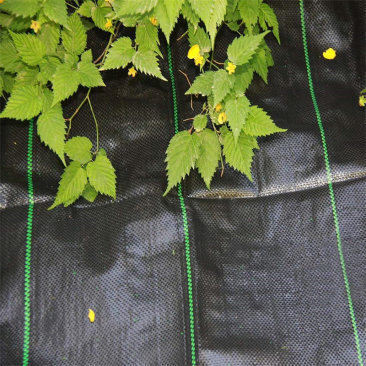
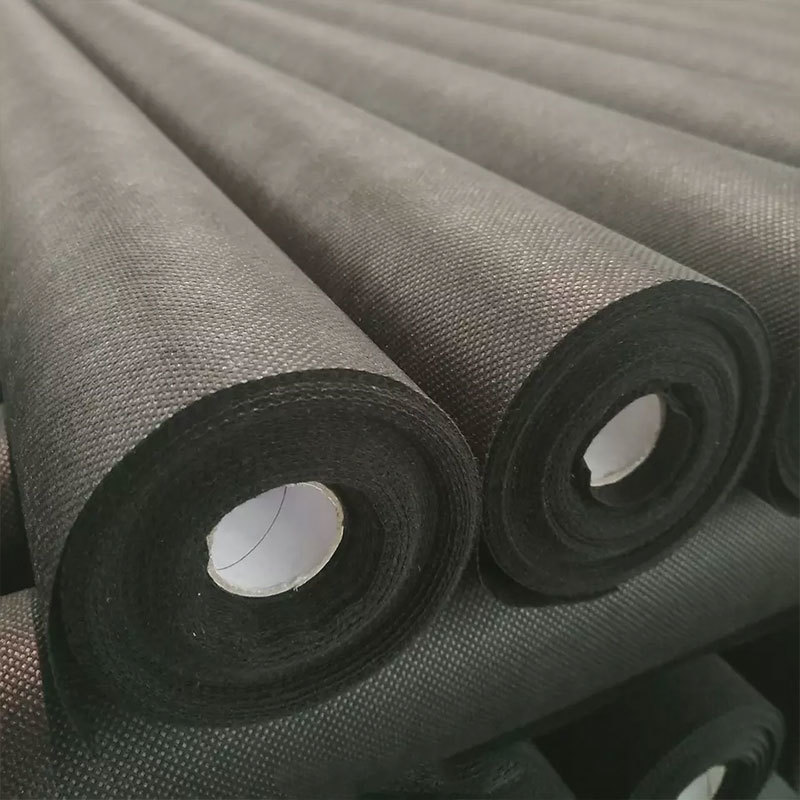
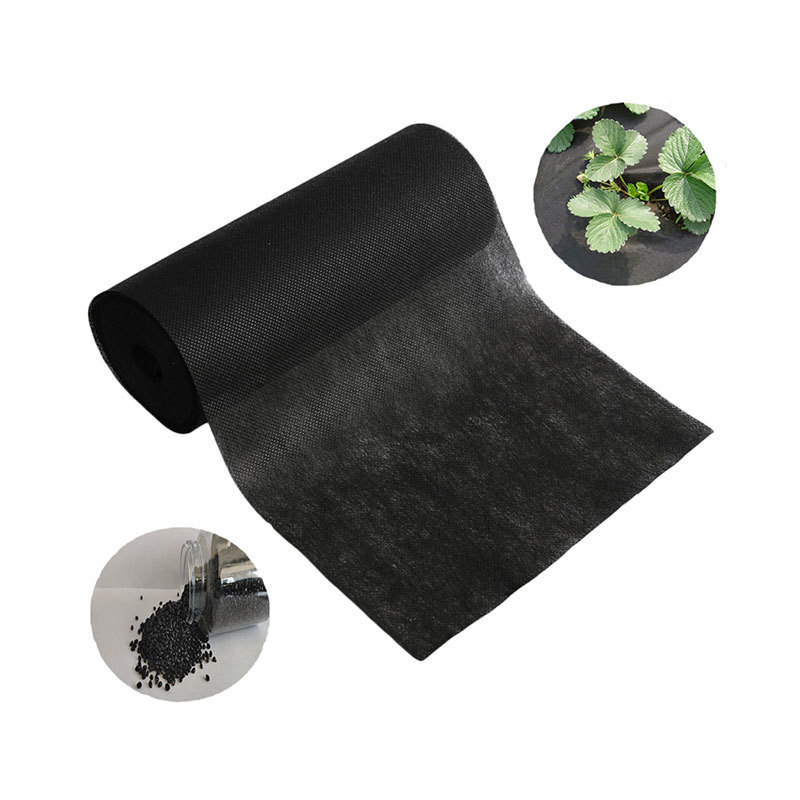
Permeable landscape fabric is an essential material widely used in the construction and landscaping industries. Its primary function is to facilitate proper drainage while also providing a barrier that prevents the penetration of weeds. This dual functionality makes permeable landscape fabric a preferred choice for various applications, particularly in gardens, landscaping projects, and constructi

Permeable landscape fabric is an essential material widely used in the construction and landscaping industries. Its primary function is to facilitate proper drainage while also providing a barrier that prevents the penetration of weeds. This dual functionality makes permeable landscape fabric a preferred choice for various applications, particularly in gardens, landscaping projects, and construction sites where soil stability and drainage are critical.
One of the key benefits of using permeable landscape fabric is its ability to allow water, air, and nutrients to pass through while blocking unwanted vegetation. This permeability is critical in preventing water pooling and soil erosion, which can undermine landscaping efforts and lead to costly repairs or rework. By allowing excess water to drain away, permeable landscape fabric helps maintain optimal soil moisture levels, fostering a healthier environment for plants.
In addition to its drainage capabilities, permeable landscape fabric serves as an effective weed barrier. Unlike traditional plastic sheeting, which can trap moisture and create a breeding ground for unwanted pests, permeable fabric enables the free flow of air and water. This feature not only helps in preventing weed growth but also supports the natural ecosystem within the soil. By using permeable landscape fabric, gardeners and landscapers can minimize the need for chemical herbicides, promoting a more sustainable and environmentally-friendly approach to landscaping.
When selecting permeable landscape fabric, it's essential to consider factors such as fabric weight, permeability, and UV resistance. Thicker fabrics generally offer more durability and can withstand harsher environmental conditions. Additionally, choosing high-quality materials ensures that the fabric will maintain its integrity over time, even when exposed to moisture and sunlight.
Installation of permeable landscape fabric is straightforward, making it accessible for both professionals and DIY enthusiasts. The fabric can be laid down directly on prepared soil, with overlapping seams to ensure complete coverage. It can then be topped with gravel, mulch, or soil, depending on the desired aesthetic and functional outcome. Proper installation is crucial to maximize the benefits of the fabric, so attention to detail during this process is important.
In conclusion, permeable landscape fabric is a vital component in building sustainable and functional outdoor environments. Its ability to promote drainage, support soil health, and prevent weed growth makes it an invaluable resource for construction and landscaping projects. Understanding the properties and benefits of permeable landscape fabric can help ensure the success of any project, ultimately leading to healthier plants and a more attractive landscape.
One of the key benefits of using permeable landscape fabric is its ability to allow water, air, and nutrients to pass through while blocking unwanted vegetation. This permeability is critical in preventing water pooling and soil erosion, which can undermine landscaping efforts and lead to costly repairs or rework. By allowing excess water to drain away, permeable landscape fabric helps maintain optimal soil moisture levels, fostering a healthier environment for plants.
In addition to its drainage capabilities, permeable landscape fabric serves as an effective weed barrier. Unlike traditional plastic sheeting, which can trap moisture and create a breeding ground for unwanted pests, permeable fabric enables the free flow of air and water. This feature not only helps in preventing weed growth but also supports the natural ecosystem within the soil. By using permeable landscape fabric, gardeners and landscapers can minimize the need for chemical herbicides, promoting a more sustainable and environmentally-friendly approach to landscaping.
When selecting permeable landscape fabric, it's essential to consider factors such as fabric weight, permeability, and UV resistance. Thicker fabrics generally offer more durability and can withstand harsher environmental conditions. Additionally, choosing high-quality materials ensures that the fabric will maintain its integrity over time, even when exposed to moisture and sunlight.
Installation of permeable landscape fabric is straightforward, making it accessible for both professionals and DIY enthusiasts. The fabric can be laid down directly on prepared soil, with overlapping seams to ensure complete coverage. It can then be topped with gravel, mulch, or soil, depending on the desired aesthetic and functional outcome. Proper installation is crucial to maximize the benefits of the fabric, so attention to detail during this process is important.
In conclusion, permeable landscape fabric is a vital component in building sustainable and functional outdoor environments. Its ability to promote drainage, support soil health, and prevent weed growth makes it an invaluable resource for construction and landscaping projects. Understanding the properties and benefits of permeable landscape fabric can help ensure the success of any project, ultimately leading to healthier plants and a more attractive landscape.
permeable landscape fabric

LEAVE A MESSAGE
MESSAGE