




16
2026
-
02
Understanding Spunbond Nonwoven Fabric: Properties, Applications, and Benefits
Spunbond nonwoven fabric is a versatile and widely used material in the textile industry, primarily recognized for its strength, durability, and lightweight characteristics. This fabric is produced through a process where continuous strands of fibers are extruded and then bonded together by heat or pressure, without the need for weaving or knitting. The result is a nonwoven fabric that exhibits se

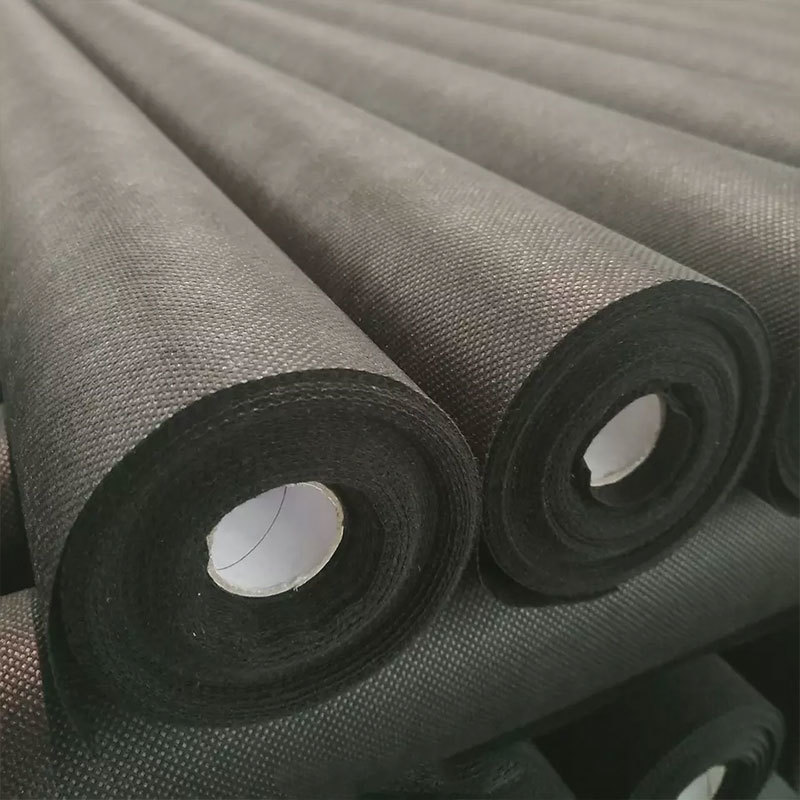
Spunbond nonwoven fabric is a versatile and widely used material in the textile industry, primarily recognized for its strength, durability, and lightweight characteristics. This fabric is produced through a process where continuous strands of fibers are extruded and then bonded together by heat or pressure, without the need for weaving or knitting. The result is a nonwoven fabric that exhibits several advantageous properties, making it suitable for numerous applications.
One of the primary benefits of spunbond nonwoven fabric is its excellent tensile strength. The process of spinning and bonding the fibers allows for a fabric that can withstand significant stress, making it ideal for use in applications such as geotextiles, agricultural coverings, and medical supplies. Its durability ensures that products made from this material can endure harsh conditions and maintain their integrity over time.
Another significant characteristic of spunbond nonwoven fabric is its breathability. The structure of the fabric allows for air and moisture to pass through, which is particularly advantageous in applications such as hygiene products, where moisture management is crucial. This feature also contributes to the comfort of end-users, as it minimizes the risk of skin irritation and promotes a healthier environment.
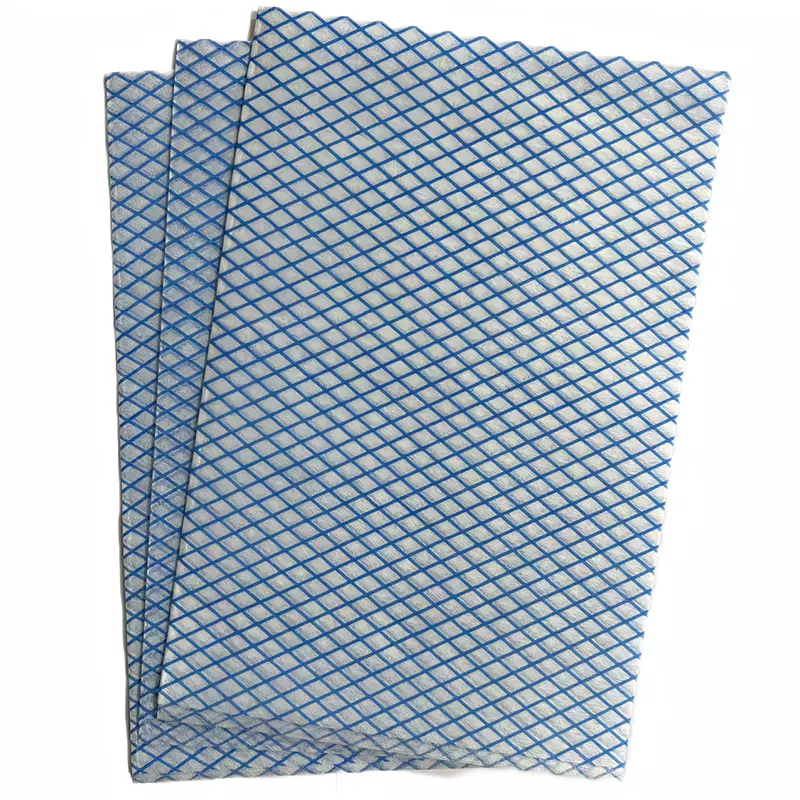
In addition to its physical properties, spunbond nonwoven fabric is known for its versatility. It can be easily dyed or printed, allowing manufacturers to create custom designs for various applications. This flexibility makes it a popular choice in the fashion industry for creating unique apparel and accessories. Moreover, spunbond fabrics are often used in home textiles, such as curtains and upholstery, due to their aesthetic appeal and functional benefits.
Furthermore, spunbond nonwoven fabrics are environmentally friendly. Many manufacturers are now producing these materials using recycled polymers, which can help reduce waste and lower the environmental impact of textile production. Additionally, spunbond fabrics are often biodegradable, adding to their sustainability credentials.
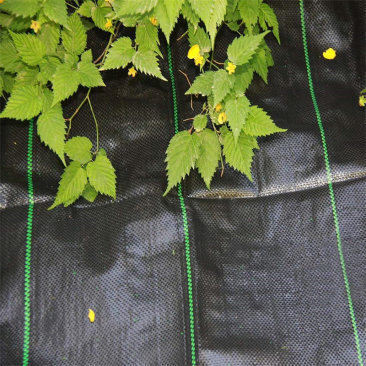
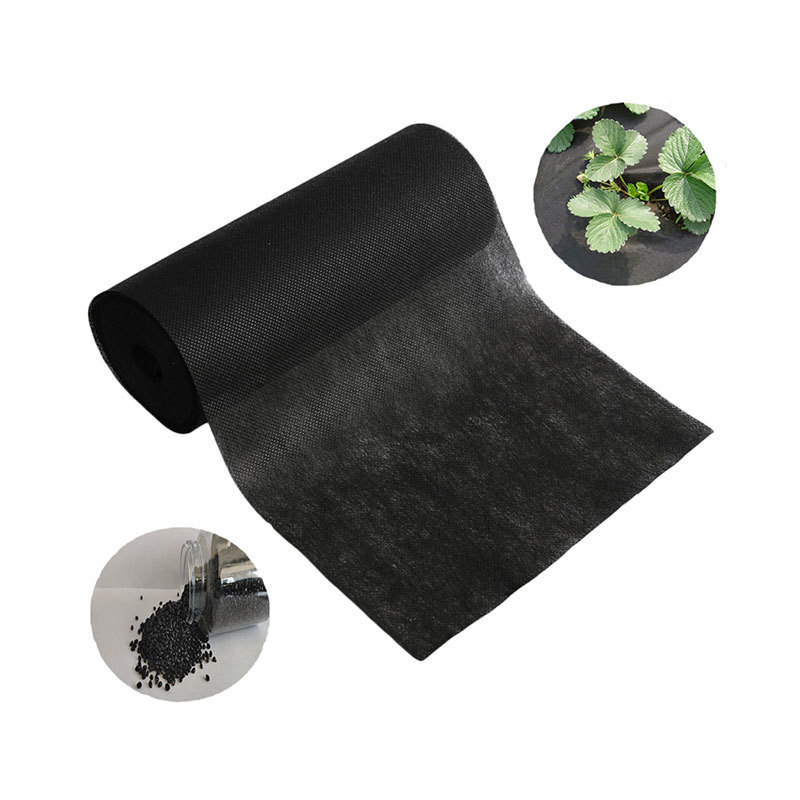
The wide-ranging applications of spunbond nonwoven fabric extend to sectors such as healthcare, agriculture, construction, and automotive. In healthcare, it is utilized for surgical gowns, masks, and drapes, providing protection while ensuring comfort. In agriculture, spunbond fabrics are employed for crop covers and mulch films, enhancing crop yields and promoting sustainable farming practices.
In summary, spunbond nonwoven fabric stands out in the textile industry due to its unique properties, adaptability, and eco-friendliness. Its ability to meet the demands of various applications while providing durability and comfort makes it an invaluable material for modern manufacturing. As industries continue to seek innovative solutions, the role of spunbond nonwoven fabric is only expected to grow, further solidifying its importance in the textile landscape.
One of the primary benefits of spunbond nonwoven fabric is its excellent tensile strength. The process of spinning and bonding the fibers allows for a fabric that can withstand significant stress, making it ideal for use in applications such as geotextiles, agricultural coverings, and medical supplies. Its durability ensures that products made from this material can endure harsh conditions and maintain their integrity over time.
Another significant characteristic of spunbond nonwoven fabric is its breathability. The structure of the fabric allows for air and moisture to pass through, which is particularly advantageous in applications such as hygiene products, where moisture management is crucial. This feature also contributes to the comfort of end-users, as it minimizes the risk of skin irritation and promotes a healthier environment.
In addition to its physical properties, spunbond nonwoven fabric is known for its versatility. It can be easily dyed or printed, allowing manufacturers to create custom designs for various applications. This flexibility makes it a popular choice in the fashion industry for creating unique apparel and accessories. Moreover, spunbond fabrics are often used in home textiles, such as curtains and upholstery, due to their aesthetic appeal and functional benefits.
Furthermore, spunbond nonwoven fabrics are environmentally friendly. Many manufacturers are now producing these materials using recycled polymers, which can help reduce waste and lower the environmental impact of textile production. Additionally, spunbond fabrics are often biodegradable, adding to their sustainability credentials.
The wide-ranging applications of spunbond nonwoven fabric extend to sectors such as healthcare, agriculture, construction, and automotive. In healthcare, it is utilized for surgical gowns, masks, and drapes, providing protection while ensuring comfort. In agriculture, spunbond fabrics are employed for crop covers and mulch films, enhancing crop yields and promoting sustainable farming practices.
In summary, spunbond nonwoven fabric stands out in the textile industry due to its unique properties, adaptability, and eco-friendliness. Its ability to meet the demands of various applications while providing durability and comfort makes it an invaluable material for modern manufacturing. As industries continue to seek innovative solutions, the role of spunbond nonwoven fabric is only expected to grow, further solidifying its importance in the textile landscape.
spunbond nonwoven fabric

LEAVE A MESSAGE
MESSAGE