



19
2026
-
02
The Role of Polypropylene Nonwoven Fabric in Medical Supplies: Revolutionizing Healthcare Products
The Role of Polypropylene Nonwoven Fabric in Medical Supplies Polypropylene nonwoven fabric has emerged as a pivotal material in the healthcare industry, particularly in the production of medical supplies. Its unique properties and versatility have made it an essential component for various applications, including surgical masks, gowns, and other medical textiles. In this article, we will explore

The Role of Polypropylene Nonwoven Fabric in Medical Supplies
Polypropylene nonwoven fabric has emerged as a pivotal material in the healthcare industry, particularly in the production of medical supplies. Its unique properties and versatility have made it an essential component for various applications, including surgical masks, gowns, and other medical textiles. In this article, we will explore the significance of polypropylene nonwoven fabric in medical supplies, its advantages, applications, and the future of this indispensable material.
Understanding Polypropylene Nonwoven Fabric
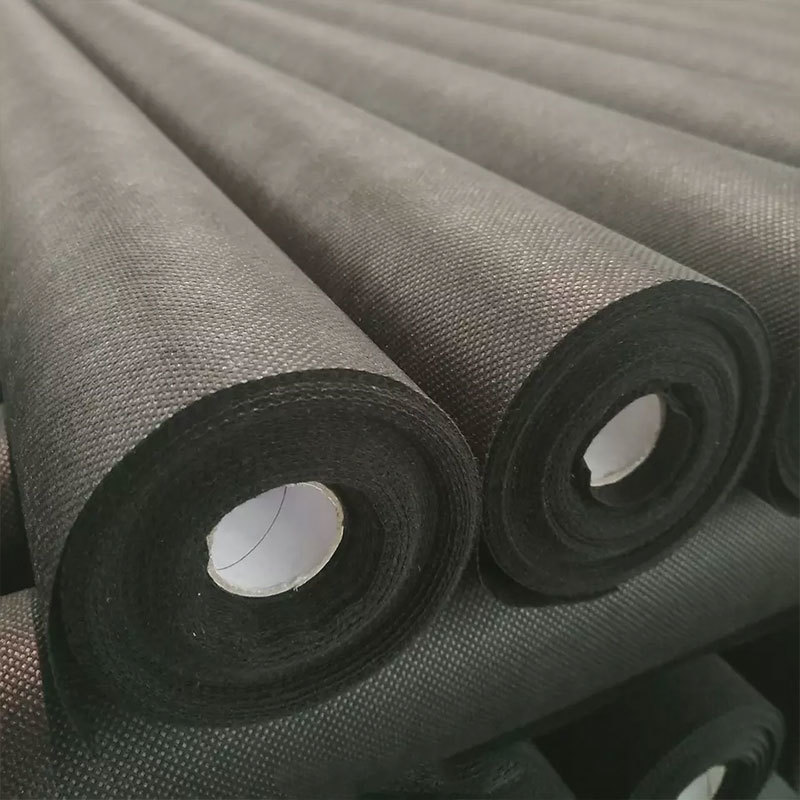
To appreciate the role of polypropylene nonwoven fabric in medical supplies, it is crucial to understand what it is and how it is manufactured. Nonwoven fabrics are engineered from fibers that are bonded together through various processes, eliminating the need for weaving or knitting.
The Manufacturing Process of Polypropylene Nonwoven Fabric
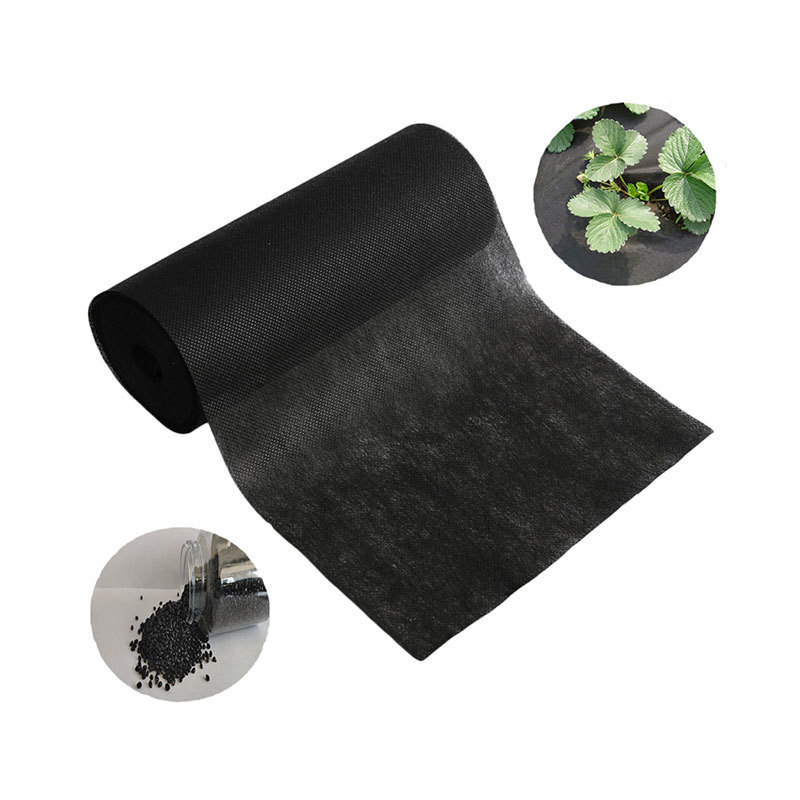
Polypropylene nonwoven fabric is produced using a variety of methods, including spunbonding, meltblowing, and carding. The spunbond process involves extruding molten polypropylene into continuous filaments, which are then laid down in a web and bonded using heat and pressure. Meltblown nonwoven fabric, on the other hand, utilizes high-velocity hot air to create fine fibers that are collected into a web. The carding process involves disentangling and aligning fibers to form a web that can be further processed.
Key Properties of Polypropylene Nonwoven Fabric
Polypropylene nonwoven fabric is celebrated for its remarkable properties, which include:
- **Lightweight and Durable**: This fabric is both lightweight and strong, making it ideal for medical applications where comfort and reliability are paramount.
- **Hydrophobic Nature**: Polypropylene is resistant to moisture, providing a barrier against liquid penetration.
- **Breathability**: The fabric allows for air circulation, ensuring comfort during extended wear.
- **Cost-Effectiveness**: Polypropylene nonwoven fabric is relatively inexpensive to produce, making it a practical choice for mass manufacture.
Applications of Polypropylene Nonwoven Fabric in Medical Supplies
The versatility of polypropylene nonwoven fabric is evident in its wide range of applications within the medical sector. Let's explore some key areas where this material is significantly utilized.
1. Surgical Masks
Surgical masks are perhaps the most recognizable medical supplies made from polypropylene nonwoven fabric. These masks provide essential protection for healthcare workers and patients alike by preventing the transmission of pathogens. The three-layer construction typically includes a meltblown filter sandwiched between two spunbond layers, offering filtration efficiency while maintaining breathability.
2. Medical Gowns
Protective gowns are crucial in safeguarding healthcare professionals from exposure to infectious materials. Polypropylene nonwoven fabric is often used to create disposable medical gowns that offer a reliable barrier while remaining comfortable for extended use. The fabric's lightweight nature ensures that medical personnel can perform their duties without being hindered by bulkiness.
3. Drapes and Covers
In surgical settings, drapes and covers made from polypropylene nonwoven fabric play an essential role in maintaining a sterile environment. They provide a protective barrier, minimizing the risk of contamination during procedures. The material's ease of disposal also contributes to maintaining hygiene standards in medical facilities.
4. Wound Care Products
Polypropylene nonwoven fabric is also employed in various wound care products, including surgical dressings and bandages. Its absorbent properties help wick moisture away from wounds, promoting a conducive healing environment. Moreover, the fabric's softness minimizes discomfort for patients.
5. Filter Media
In the realm of medical supplies, polypropylene nonwoven fabric is used in various filtration applications, such as in respirators and air filters. The material's fine fiber structure allows for effective air filtration while maintaining breathability, which is critical for user comfort and safety.
Advantages of Polypropylene Nonwoven Fabric in Medical Supplies
The use of polypropylene nonwoven fabric in medical supplies comes with several advantages that contribute to its growing popularity in the healthcare industry.
1. Infection Control
Infection control is paramount in healthcare settings, and polypropylene nonwoven fabric plays a vital role in minimizing the risk of cross-contamination. Its impermeable nature prevents liquids and pathogens from penetrating, ensuring that both patients and healthcare providers remain safe.
2. Comfort and Fit
Comfort is crucial in medical supplies, especially for items that need to be worn for extended periods. Polypropylene nonwoven fabric offers exceptional softness and breathability, enhancing the overall user experience without compromising protection.
3. Environmental Considerations
With increasing awareness of environmental issues, the medical industry is also seeking sustainable solutions. Polypropylene nonwoven fabric can be produced using recyclable materials, and advancements in recycling technologies are paving the way for more eco-friendly options.
4. Versatility and Customization
The adaptability of polypropylene nonwoven fabric allows manufacturers to create a wide range of products tailored to specific medical applications. This versatility enables the development of specialized medical supplies that meet stringent regulatory requirements.
5. Cost-Effectiveness and Scalability
As healthcare demands grow, the need for cost-effective solutions becomes more pressing. The mass production capabilities of polypropylene nonwoven fabric make it an economical choice for producing high-quality medical supplies efficiently.
The Future of Polypropylene Nonwoven Fabric in Medical Supplies
The future of polypropylene nonwoven fabric in the medical field appears promising. As technology continues to evolve, we can expect enhancements in the properties and applications of this versatile material.
1. Innovations in Fabric Technology
Researchers are exploring new methods of enhancing polypropylene nonwoven fabric, such as incorporating antimicrobial properties or improving filtration efficiency. These innovations could further bolster the material's role in infection control and patient safety.
2. Growth in Disposable Medical Supplies
The global pandemic has accelerated the demand for disposable medical supplies. As hospitals and healthcare facilities prioritize hygiene, the reliance on polypropylene nonwoven fabric is likely to increase, leading to new applications and market opportunities.
3. Focus on Sustainability
The healthcare industry is gradually shifting towards sustainable practices. Efforts to develop biodegradable and recyclable nonwoven fabrics will play a crucial role in maintaining environmental responsibility while meeting healthcare needs.
4. Enhanced Regulatory Standards
As the medical field evolves, so too do the regulatory standards governing medical supplies. Manufacturers will need to remain compliant with increasingly stringent regulations, ensuring that polypropylene nonwoven fabric continues to meet safety and efficacy requirements.
FAQs
1. What is polypropylene nonwoven fabric?
Polypropylene nonwoven fabric is a synthetic material made from polypropylene fibers that are bonded together using various methods, eliminating the need for weaving.
2. Why is polypropylene nonwoven fabric used in medical supplies?
Its properties, such as lightweight durability, hydrophobic nature, and breathability, make it an ideal choice for medical applications, providing both comfort and protection.
3. Are polypropylene nonwoven fabrics safe for medical use?
Yes, polypropylene nonwoven fabrics are considered safe for medical use and are widely employed in surgical masks, gowns, and other healthcare products due to their effective barrier properties.
4. How does polypropylene nonwoven fabric contribute to infection control?
The fabric's impermeable nature prevents liquids and pathogens from penetrating, significantly reducing the risk of cross-contamination and enhancing infection control measures.
5. Is polypropylene nonwoven fabric environmentally friendly?
While traditional polypropylene is not biodegradable, advancements are being made in developing recyclable and sustainable options, contributing to more environmentally responsible practices in the medical industry.
Conclusion
Polypropylene nonwoven fabric is undeniably shaping the future of medical supplies. Its unique properties, versatility, and cost-effectiveness position it as an essential material in the healthcare industry. As we continue to navigate new challenges and advancements, the role of polypropylene nonwoven fabric will only expand, paving the way for innovative solutions that prioritize safety, comfort, and sustainability in medical practice. The evolution of this material will undoubtedly influence the next generation of healthcare products, ensuring that both patients and professionals benefit from its remarkable qualities.
nonwoven fabric polypropylene

LEAVE A MESSAGE
MESSAGE