



03
2026
-
03
Common Mistakes to Avoid When Using Geotextile Landscape Fabric for Optimal Results
Common Mistakes to Avoid When Using Geotextile Landscape Fabric for Optimal Results Table of Contents Introduction to Geotextile Landscape Fabric Understanding Geotextile Fabric Common Mistakes to Avoid Mistake 1: Using the Wrong Type of Fabric Mistake 2: Improper Installation Techniques Mistake 3: Ignoring Site Preparation Mist

Common Mistakes to Avoid When Using Geotextile Landscape Fabric for Optimal Results
Table of Contents
- Introduction to Geotextile Landscape Fabric
- Understanding Geotextile Fabric
- Common Mistakes to Avoid
- Mistake 1: Using the Wrong Type of Fabric
- Mistake 2: Improper Installation Techniques
- Mistake 3: Ignoring Site Preparation
- Mistake 4: Not Considering Drainage Needs
- Mistake 5: Overlooking Maintenance
- Mistake 6: Inadequate Soil Testing
- Benefits of Using Geotextile Fabric
- Best Practices for Using Geotextile Fabric
- Frequently Asked Questions
- Conclusion
Introduction to Geotextile Landscape Fabric
Geotextile landscape fabric has become an indispensable material in modern landscaping and construction. Its versatility and functionality make it popular among landscape designers, contractors, and homeowners alike. This article delves into the **common mistakes** to avoid when using geotextile landscape fabric, ensuring that your landscaping projects yield the best results.
Understanding Geotextile Fabric
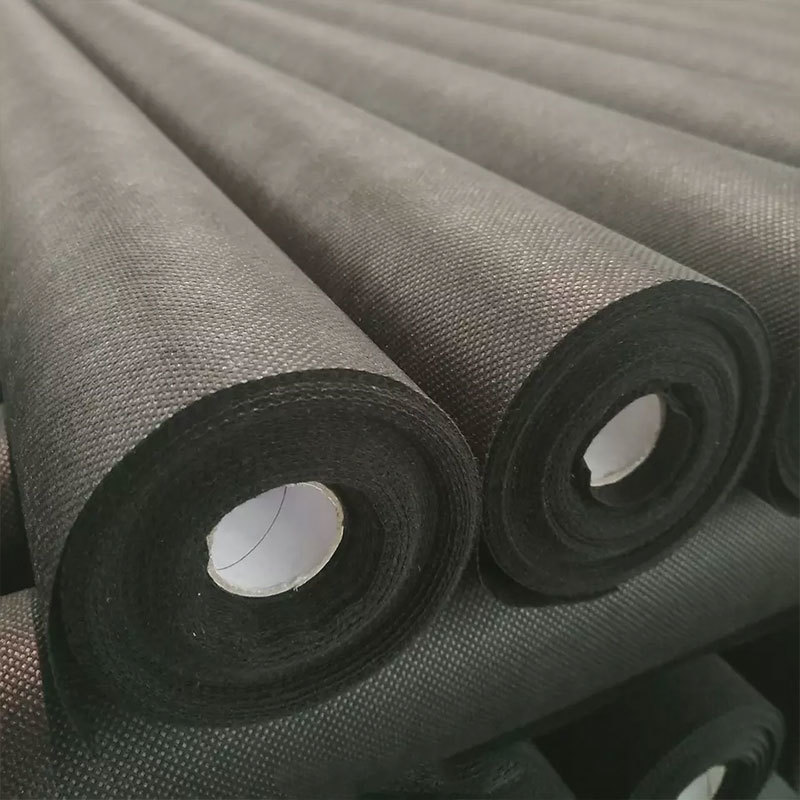
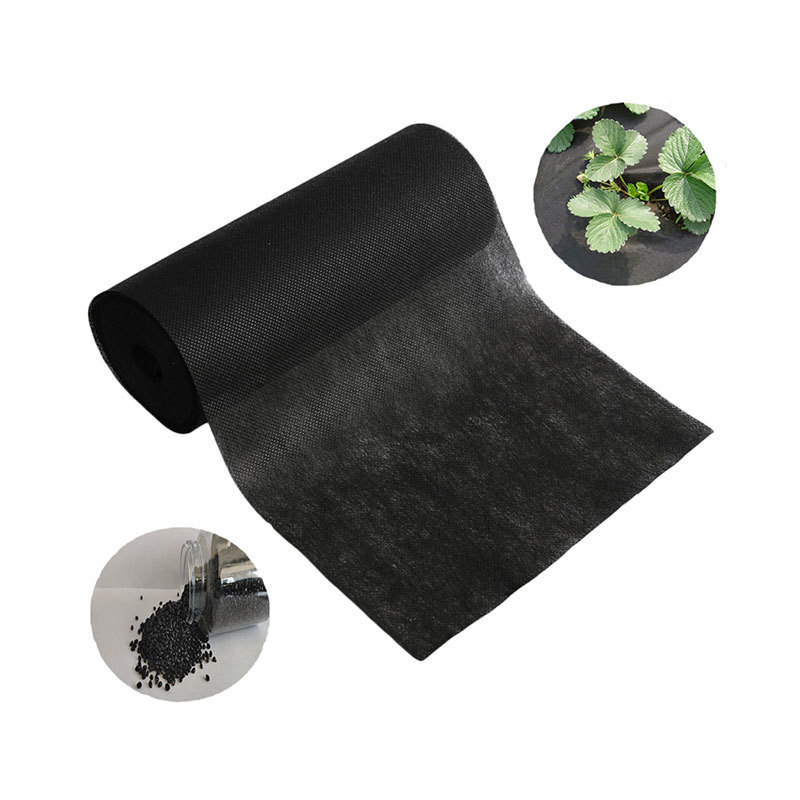
Geotextile fabric is a permeable textile material used in various civil engineering and landscape applications. Its primary purpose is to enhance soil stability, prevent erosion, and facilitate drainage. Typically made from synthetic fibers, geotextile fabric can be categorized into two main types: **woven** and **non-woven**. Each type serves a distinct function, and understanding these differences is crucial for effective application.
Common Mistakes to Avoid
Mistake 1: Using the Wrong Type of Fabric
Selecting the incorrect type of geotextile fabric is a frequent mistake that can lead to project failure. Woven fabrics are excellent for filtration and stabilization, while non-woven fabrics are more suitable for drainage applications. To avoid this error, assess the specific requirements of your project and choose the fabric type accordingly.
Mistake 2: Improper Installation Techniques
Installation plays a crucial role in the effectiveness of geotextile fabric. One common mistake is failing to overlap seams adequately. Properly overlapping seams by at least 12 inches ensures that water does not seep through and compromise the underlying soil. Additionally, securing the fabric with staples or pins at appropriate intervals is essential for maintaining its position during landscape changes.
Mistake 3: Ignoring Site Preparation
Before installing geotextile fabric, site preparation is paramount. Neglecting to clear the area of debris, rocks, and vegetation can lead to uneven surfaces and detract from the fabric's effectiveness. A well-prepared site promotes even weight distribution and allows the fabric to perform its functions correctly.
Mistake 4: Not Considering Drainage Needs
Drainage is one of the primary functions of geotextile fabric. Failing to account for drainage needs can result in excess moisture buildup, leading to soil erosion and instability. It is crucial to incorporate proper drainage systems, such as trenches or perforated pipes, alongside geotextile fabric to facilitate efficient water flow.
Mistake 5: Overlooking Maintenance
Even the best installation of geotextile fabric requires maintenance to remain effective. One common oversight is neglecting regular inspections for signs of wear or damage. Periodically checking the fabric for tears, punctures, or displacement ensures that it continues to function optimally and prevents future landscape issues.
Mistake 6: Inadequate Soil Testing
Before installation, conducting comprehensive soil testing is essential. Inadequate testing can lead to using geotextile fabric in inappropriate soil conditions, resulting in failure. Analyzing soil type, pH levels, and compaction can inform the selection of materials and methods best suited for your project.
Benefits of Using Geotextile Fabric
Utilizing geotextile landscape fabric offers several advantages:
1. **Erosion Control**: It helps prevent soil erosion by stabilizing the soil and controlling runoff.
2. **Improved Drainage**: The fabric allows water to pass through while filtering out soil particles, promoting effective drainage.
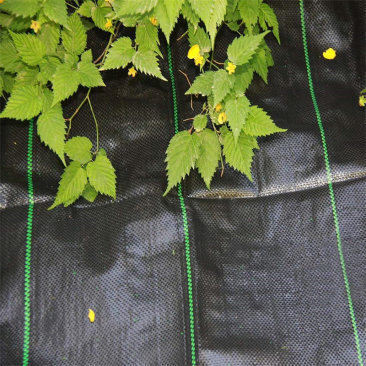
3. **Weed Suppression**: By blocking sunlight, geotextile fabric inhibits weed growth, reducing the need for herbicides.
4. **Soil Separation**: It separates different soil layers, preventing mixing and preserving soil integrity.
The benefits of geotextile fabric make it a valuable tool in landscape and construction projects.
Best Practices for Using Geotextile Fabric
To ensure optimal results when using geotextile landscape fabric, follow these best practices:
1. **Choose the Right Fabric**: Assess project needs and select the appropriate type of geotextile fabric.
2. **Prepare the Site Thoroughly**: Clear the area of debris, vegetation, and rocks for effective installation.
3. **Install with Care**: Follow manufacturer instructions for installation, ensuring proper overlaps and secure attachments.
4. **Incorporate Drainage Solutions**: Utilize drainage systems alongside the fabric to prevent moisture buildup.
5. **Conduct Regular Inspections**: Schedule periodic checks to ensure the fabric remains intact and functional.
By adhering to these best practices, you can maximize the advantages of geotextile landscape fabric.
Frequently Asked Questions
1. What is geotextile landscape fabric used for?
Geotextile landscape fabric is used for erosion control, drainage improvement, soil stabilization, and weed suppression in landscaping projects.
2. How long does geotextile fabric last?
The lifespan of geotextile fabric can vary based on material type and environmental conditions but generally ranges from 5 to 25 years.
3. Can I reuse geotextile landscape fabric?
Reusing geotextile fabric is possible if it remains in good condition; however, it's essential to inspect for wear and damage before reuse.
4. How do I determine the right type of geotextile fabric for my project?
Evaluate the specific needs of your project, including soil type, drainage requirements, and intended application, to choose the appropriate fabric.
5. Is it necessary to use geotextile fabric in all landscaping projects?
While not all projects require geotextile fabric, it is highly beneficial in situations involving erosion, drainage, or soil stabilization.
Conclusion
Avoiding common mistakes when using geotextile landscape fabric is crucial for achieving successful landscaping outcomes. By understanding the types of fabric, ensuring proper installation, considering drainage needs, and maintaining the fabric, you can harness its full potential. With the right approach, geotextile fabric can significantly enhance the durability and aesthetics of your landscape projects.
geotextile landscape fabric

LEAVE A MESSAGE
MESSAGE