



27
2026
-
03
The Future of PP Nonwoven Fabric: A Key Player in Eco-Conscious Consumerism
The Future of PP Nonwoven Fabric in Eco-Conscious Consumerism Introduction: The Rise of Eco-Conscious Consumerism In recent years, **eco-conscious consumerism** has emerged as a significant trend, driven by growing awareness of environmental issues. As consumers become more informed about the impact of their choices, they increasingly seek sustainable alternatives. This shift in consumer behavior

The Future of PP Nonwoven Fabric in Eco-Conscious Consumerism
Introduction: The Rise of Eco-Conscious Consumerism
In recent years, **eco-conscious consumerism** has emerged as a significant trend, driven by growing awareness of environmental issues. As consumers become more informed about the impact of their choices, they increasingly seek sustainable alternatives. This shift in consumer behavior presents an opportunity for various industries to innovate and adapt. One such innovation is the use of **polypropylene (PP) nonwoven fabric**, known for its versatility, durability, and eco-friendly properties.
Understanding PP Nonwoven Fabric: Composition and Characteristics
What is Polypropylene Nonwoven Fabric?
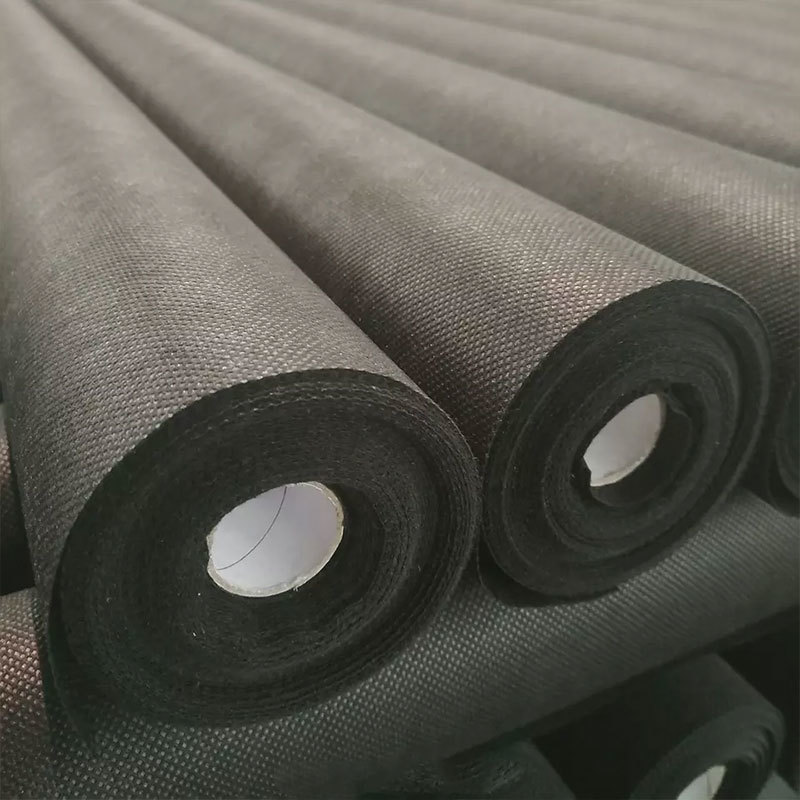
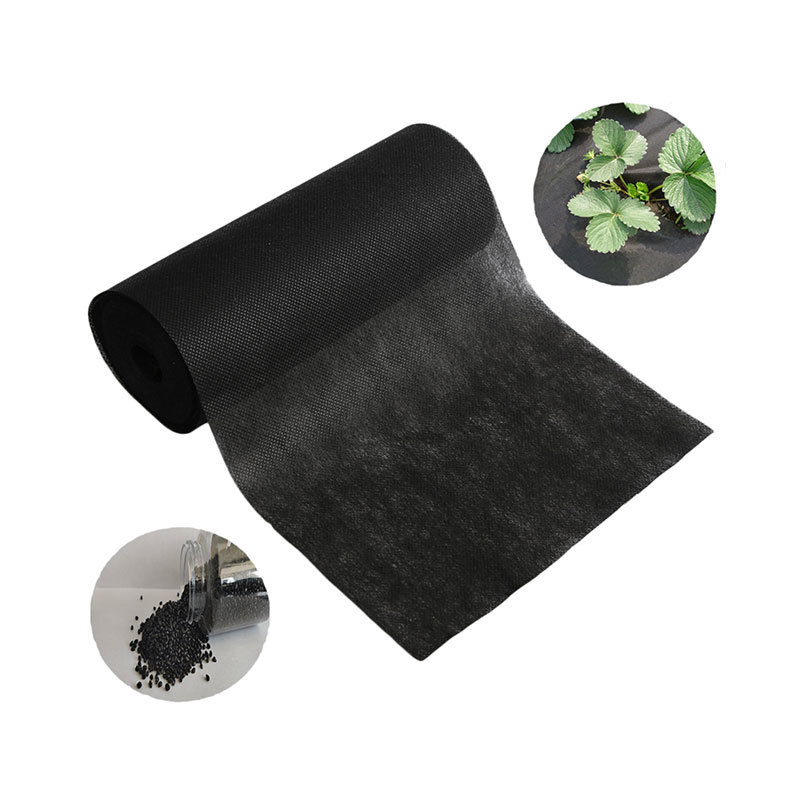
PP nonwoven fabric is made from polypropylene fibers, which are bonded together through various methods such as heat, chemical, or mechanical processes. Unlike traditional woven fabrics, nonwoven fabrics do not require looming, resulting in a material that is lighter and more versatile. **PP nonwoven fabric** is commonly used in a wide range of applications, from medical supplies to consumer goods.
Key Characteristics of PP Nonwoven Fabric
The **unique properties** of PP nonwoven fabric contribute to its growing popularity in eco-conscious applications:
- **Lightweight and Durable**: Despite being lightweight, PP nonwoven fabric boasts excellent strength and durability, making it suitable for various products.
- **Water-Resistant**: This fabric naturally repels water, making it ideal for applications in outdoor gear and packaging.
- **Breathable**: The fabric allows air to flow, making it comfortable for use in clothing and personal care items.
- **Biodegradable Options**: With advancements in technology, some manufacturers are producing biodegradable variants, further enhancing their eco-friendliness.
The Role of PP Nonwoven Fabric in Sustainable Products
Innovative Applications in Everyday Life
PP nonwoven fabric is revolutionizing the way we think about sustainability in everyday products. Here are some innovative applications:
1. Eco-Friendly Packaging Solutions
As consumers demand more sustainable packaging options, PP nonwoven fabric has emerged as a viable alternative. Its lightweight nature reduces transportation emissions, while its durability ensures packages can withstand the rigors of shipping.
2. Sustainable Fashion and Textiles
The fashion industry is notorious for its environmental impact. However, designers are increasingly turning to PP nonwoven fabric to create stylish, sustainable clothing and accessories. This fabric can be woven into various shapes and styles without compromising on aesthetics.
3. Medical and Hygiene Products
In the medical field, PP nonwoven fabric is utilized for surgical masks, gowns, and other hygiene products. Its disposable nature offers convenience, while innovative biodegradable options are being developed to minimize environmental impact.
Consumer Awareness and Demand for Sustainability
The Shift Towards Eco-Conscious Choices
As consumers become more educated about the environmental consequences of their purchases, the demand for sustainable products is surging. They are actively seeking brands that align with their values, making it imperative for manufacturers to embrace sustainability.
Empowering Eco-Conscious Brands
Brands that utilize PP nonwoven fabric in their products are positioning themselves as leaders in the eco-conscious market. By emphasizing sustainable practices and transparent sourcing, these brands can build trust and loyalty among their customer base.
Future Trends in PP Nonwoven Fabric Development
Technological Innovations
The future of PP nonwoven fabric is bright, with ongoing research and development focusing on enhancing properties and applications. Key trends include:
- **Recycling Technologies**: Advancements in recycling processes will allow for the recovery and reuse of PP nonwoven fabric, further reducing waste.
- **Smart Fabrics**: Integration of smart technology into nonwoven fabrics could lead to innovations in functionality, such as temperature regulation and moisture-wicking capabilities.
Market Expansion and New Applications
As awareness of sustainable materials grows, new markets are emerging for PP nonwoven fabric. From agriculture to automotive applications, the versatility of this fabric opens doors to innovative uses that align with eco-conscious practices.
Challenges and Considerations in Adopting PP Nonwoven Fabrics
Environmental Impact of Production
While PP nonwoven fabric offers numerous benefits, the environmental impact of its production must be considered. The energy-intensive processes involved in creating polypropylene raise concerns about sustainability. However, advancements in green manufacturing techniques are being developed to address these issues.
Balancing Performance and Sustainability
Manufacturers must strive to balance performance with sustainability. Consumers expect high-quality products that perform well, and this expectation can sometimes conflict with eco-friendly goals. Continuous innovation will be key to overcoming this challenge.
Conclusion: Embracing the Future of Eco-Conscious Consumerism
As eco-conscious consumerism continues to shape market trends, the role of PP nonwoven fabric is undeniably crucial. Its unique properties and versatility make it an ideal choice for various applications, allowing brands to meet the increasing demand for sustainable alternatives. By embracing innovation and prioritizing sustainability, manufacturers can not only contribute to a greener future but also cater to the evolving preferences of conscious consumers. The future of PP nonwoven fabric looks promising, paving the way for a more sustainable tomorrow.
FAQs
1. What is PP nonwoven fabric made from?
PP nonwoven fabric is made from polypropylene fibers, which are bonded together using various methods, including heat and mechanical processes.
2. Is PP nonwoven fabric biodegradable?
Some newer variants of PP nonwoven fabric are designed to be biodegradable, but traditional versions are not biodegradable and can take years to decompose.
3. What are the benefits of using PP nonwoven fabric in packaging?
PP nonwoven fabric is lightweight, durable, and water-resistant, making it an excellent choice for eco-friendly packaging solutions that reduce transportation emissions.
4. How does PP nonwoven fabric compare to traditional textiles?
PP nonwoven fabric is typically lighter, more versatile, and can be produced without the need for looming, making it an attractive alternative to traditional woven textiles.
5. What are the future trends for PP nonwoven fabric?
Future trends include advancements in recycling technologies, the development of smart fabrics, and expansion into new markets and applications, all aimed at enhancing sustainability.
PP nonwoven fabric

LEAVE A MESSAGE
MESSAGE