



30
2026
-
03
Unlocking the Potential of Polypropylene Nonwoven Fabric: An In-Depth Exploration
Polypropylene nonwoven fabric has emerged as a significant material in various industries due to its unique characteristics and versatility. As a synthetic polymer, polypropylene is recognized for its lightweight, durable, and cost-effective nature, making it an integral component in the production of nonwoven fabrics. These fabrics are made by bonding fibers together through mechanical, thermal,

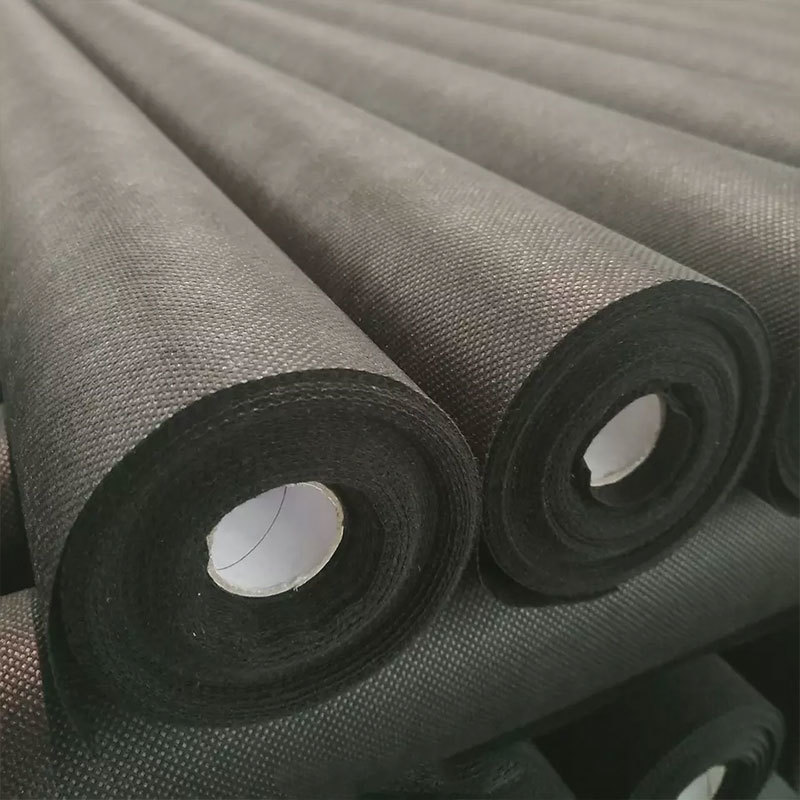
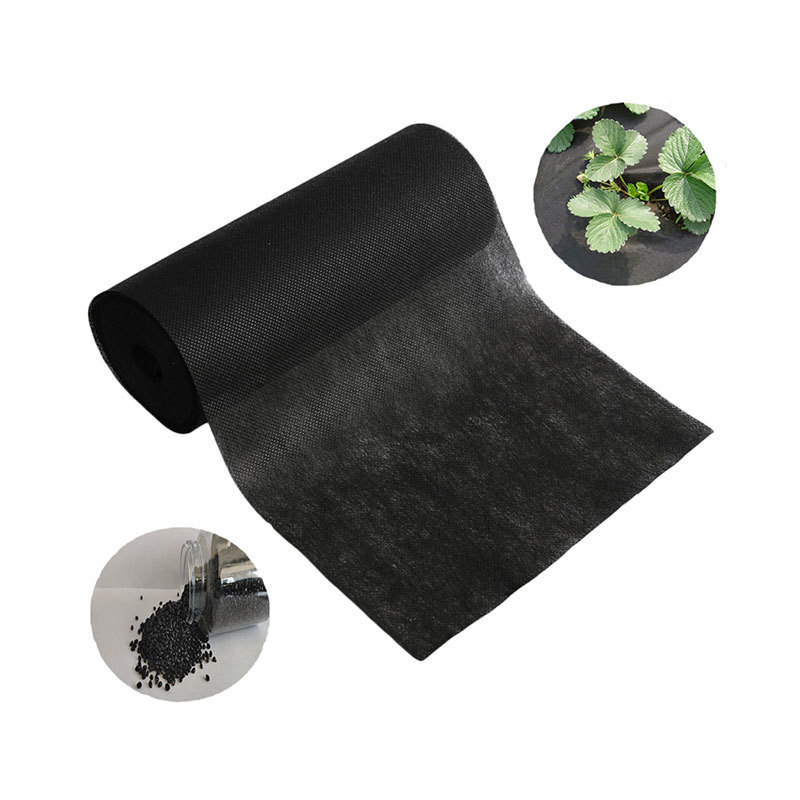
Polypropylene nonwoven fabric has emerged as a significant material in various industries due to its unique characteristics and versatility. As a synthetic polymer, polypropylene is recognized for its lightweight, durable, and cost-effective nature, making it an integral component in the production of nonwoven fabrics. These fabrics are made by bonding fibers together through mechanical, thermal, or chemical processes, resulting in a material that is both functional and adaptable.
One of the most notable benefits of polypropylene nonwoven fabric is its excellent moisture resistance. Unlike traditional woven fabrics, polypropylene does not absorb water, allowing it to maintain its integrity and strength even in damp conditions. This property makes it an ideal choice for applications in hygiene products, such as diapers and feminine hygiene items, where moisture management is crucial.
Additionally, polypropylene nonwoven fabric is highly breathable, allowing air to circulate while still providing a barrier against contaminants. This characteristic is particularly advantageous in medical applications, such as surgical gowns and masks, where maintaining a sterile environment is essential. Its lightweight nature also enhances comfort, making it favorable for use in various consumer products, including clothing and accessories.
From an environmental perspective, polypropylene nonwoven fabric boasts several sustainable advantages. Although it is a petroleum-based product, its production process often results in less waste compared to traditional textile manufacturing methods. Moreover, many manufacturers are exploring ways to recycle polypropylene, further reducing its environmental footprint. This commitment to sustainability aligns with the growing demand for eco-friendly materials in the textile industry.
Manufacturing methods for polypropylene nonwoven fabric can vary, including processes such as spunbonding, meltblowing, and needle punching. Each technique offers distinct benefits, allowing manufacturers to tailor the fabric's properties to meet specific requirements. For instance, spunbonded polypropylene is known for its strength and durability, making it suitable for applications that require high tensile strength, while meltblown polypropylene provides excellent filtration capabilities, ideal for protective clothing and masks.
In summary, polypropylene nonwoven fabric is a remarkable material with a wide range of applications across various industries. Its moisture resistance, breathability, and sustainable properties make it a preferred choice for many manufacturers. As the demand for innovative and eco-friendly materials continues to rise, polypropylene nonwoven fabric is poised to play a vital role in the future of textile production and beyond. Understanding its properties and manufacturing processes can empower businesses to leverage its full potential, driving growth and innovation in the nonwoven fabric sector.
One of the most notable benefits of polypropylene nonwoven fabric is its excellent moisture resistance. Unlike traditional woven fabrics, polypropylene does not absorb water, allowing it to maintain its integrity and strength even in damp conditions. This property makes it an ideal choice for applications in hygiene products, such as diapers and feminine hygiene items, where moisture management is crucial.
Additionally, polypropylene nonwoven fabric is highly breathable, allowing air to circulate while still providing a barrier against contaminants. This characteristic is particularly advantageous in medical applications, such as surgical gowns and masks, where maintaining a sterile environment is essential. Its lightweight nature also enhances comfort, making it favorable for use in various consumer products, including clothing and accessories.
From an environmental perspective, polypropylene nonwoven fabric boasts several sustainable advantages. Although it is a petroleum-based product, its production process often results in less waste compared to traditional textile manufacturing methods. Moreover, many manufacturers are exploring ways to recycle polypropylene, further reducing its environmental footprint. This commitment to sustainability aligns with the growing demand for eco-friendly materials in the textile industry.
Manufacturing methods for polypropylene nonwoven fabric can vary, including processes such as spunbonding, meltblowing, and needle punching. Each technique offers distinct benefits, allowing manufacturers to tailor the fabric's properties to meet specific requirements. For instance, spunbonded polypropylene is known for its strength and durability, making it suitable for applications that require high tensile strength, while meltblown polypropylene provides excellent filtration capabilities, ideal for protective clothing and masks.
In summary, polypropylene nonwoven fabric is a remarkable material with a wide range of applications across various industries. Its moisture resistance, breathability, and sustainable properties make it a preferred choice for many manufacturers. As the demand for innovative and eco-friendly materials continues to rise, polypropylene nonwoven fabric is poised to play a vital role in the future of textile production and beyond. Understanding its properties and manufacturing processes can empower businesses to leverage its full potential, driving growth and innovation in the nonwoven fabric sector.
Polypropylene nonwoven fabric

LEAVE A MESSAGE
MESSAGE