


02
2026
-
04
How to Care for and Maintain Spunbond Nonwoven Fabric Products: A Comprehensive Guide
How to Care for and Maintain Spunbond Nonwoven Fabric Products Understanding Spunbond Nonwoven Fabric Spunbond nonwoven fabrics are an innovative textile solution, crafted from continuous filaments. These fabrics are widely used in various industries, including agriculture, medical, and consumer products, due to their unique properties. Known for being strong, lightweight, and breathable, spun

How to Care for and Maintain Spunbond Nonwoven Fabric Products
Understanding Spunbond Nonwoven Fabric
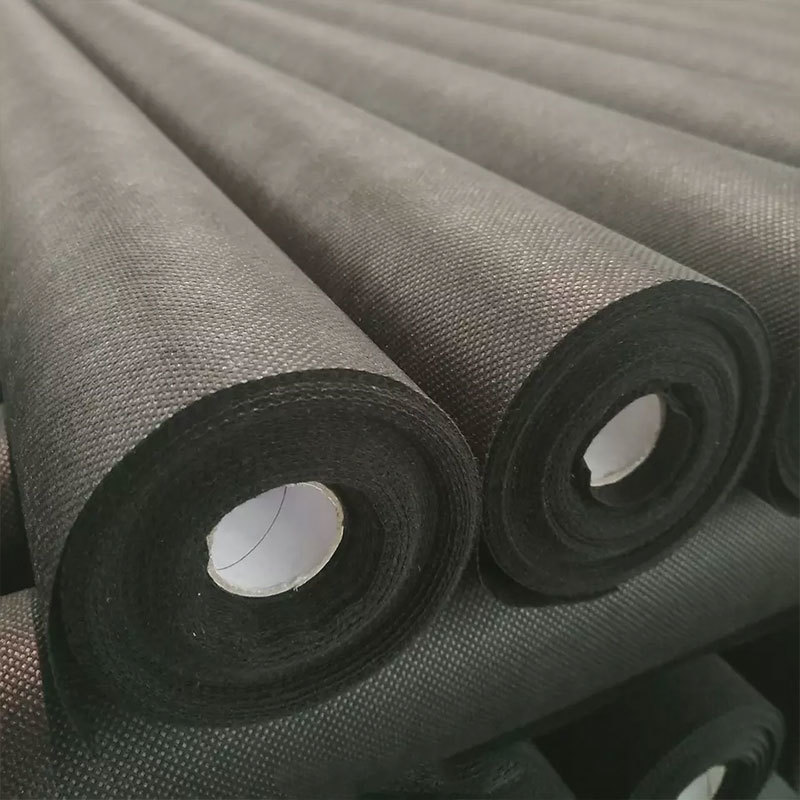
Spunbond nonwoven fabrics are an innovative textile solution, crafted from continuous filaments. These fabrics are widely used in various industries, including agriculture, medical, and consumer products, due to their unique properties. Known for being strong, lightweight, and breathable, spunbond nonwoven fabrics are highly versatile. To preserve their quality and extend their lifespan, proper care and maintenance are essential.
Why Proper Care Matters
Maintaining spunbond nonwoven fabric products is crucial for several reasons:
- **Durability**: Proper care ensures that these fabrics retain their structural integrity over time.
- **Hygiene**: Regular cleaning prevents the buildup of dirt and allergens.
- **Appearance**: Well-maintained fabrics look better and perform optimally.
- **Cost-effectiveness**: Taking good care of these products can reduce the need for replacements, saving money in the long run.
How to Clean Spunbond Nonwoven Fabrics
Preparation for Cleaning
Before diving into the cleaning process, it's essential to prepare:
1. **Read the Care Label**: Always check the manufacturer's care instructions.
2. **Sort by Color**: Separate light and dark colors to avoid bleeding.
3. **Pre-Treat Stains**: For stubborn stains, apply a pre-treatment solution before washing.
Washing Methods
Spunbond nonwoven fabrics can be cleaned using various methods:
Machine Washing
- **Use a Gentle Cycle**: Set your washing machine to a gentle cycle using cold water.
- **Select Mild Detergents**: Choose a mild laundry detergent to prevent damage to the fibers.
- **Avoid Fabric Softeners**: Fabric softeners can coat the fibers, reducing breathability.
Hand Washing
- **Fill a Basin with Cold Water**: Use cold water and a small amount of detergent.
- **Gently Agitate**: Swirl the fabric in the water, focusing on any stained areas.
- **Rinse Thoroughly**: Ensure all detergent is removed by rinsing with clean, cold water.
Drying Spunbond Nonwoven Fabrics
Proper drying methods are as important as washing:
Air Drying
- **Lay Flat**: Spread the fabric on a clean, flat surface to dry. Avoid direct sunlight, which can cause fading.
- **Avoid Heat**: Do not use a conventional dryer, as heat can damage the fabric’s fibers.
Machine Drying (If Necessary)
- **Use Low Heat**: If you must use a dryer, opt for a low heat setting.
- **Remove Promptly**: Take the fabric out as soon as it’s dry to prevent wrinkles.
Storing Spunbond Nonwoven Fabric Products
Ideal Storage Conditions
Storing spunbond nonwoven fabrics correctly can greatly influence their longevity:
- **Cool, Dry Place**: Store in a cool, dry area to prevent mold growth and degradation.
- **Avoid Heavy Items**: Do not pile heavy items on top of nonwoven fabrics to maintain their shape.
- **Use Breathable Bags**: Instead of plastic, opt for breathable storage bags to allow airflow.
Long-term Storage Tips
- **Fold Neatly**: Ensure the fabric is folded neatly to avoid creases.
- **Label**: If storing multiple types, label each item for easy identification.
Maintaining the Quality of Spunbond Nonwoven Fabrics
Regular Inspections
Conduct regular inspections of your fabric products to identify any wear and tear early. Look for:
- **Fraying Edges**: Repair or reinforce if necessary.
- **Discoloration**: If you notice fading, consider whether it’s due to sunlight exposure.
- **Stains and Odors**: Address these promptly to prevent permanent damage.
Repurposing and Upcycling
If a spunbond nonwoven product has reached the end of its intended use, consider repurposing it:
- **Craft Projects**: Use fabric scraps for DIY crafts or home decor.
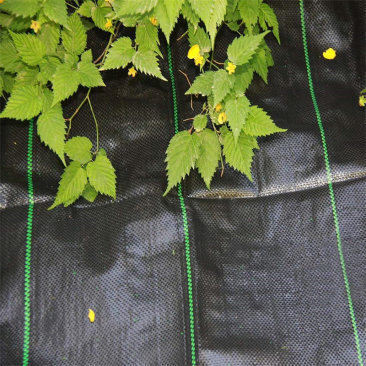
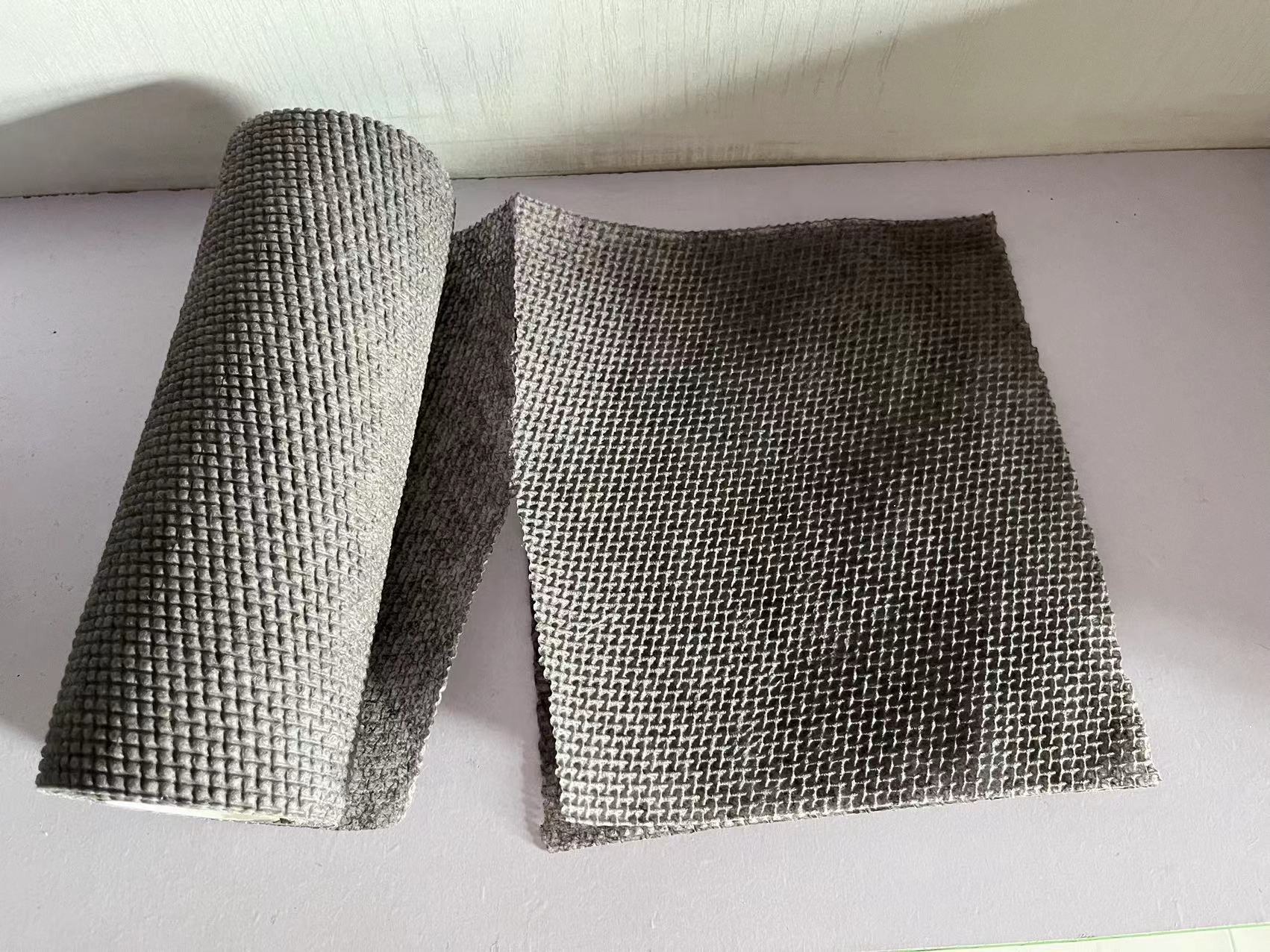
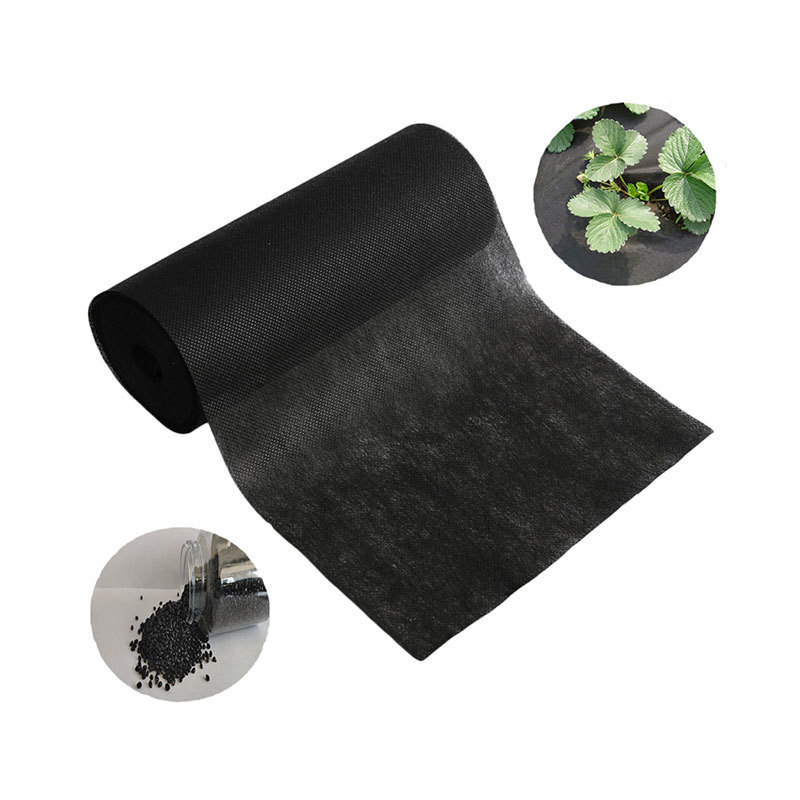
- **Gardening Uses**: Nonwoven fabrics are excellent for weed control in gardening.
Environmental Considerations When Caring for Spunbond Nonwoven Fabrics
Caring for spunbond nonwoven products also involves considering their environmental impact. Follow these practices:
- **Eco-friendly Detergents**: Opt for biodegradable detergents to minimize pollutants.
- **Conserve Water**: Wash only full loads to conserve water resources.
- **Proper Disposal**: When the product is beyond repair, dispose of it responsibly or recycle if possible.
Common FAQs About Spunbond Nonwoven Fabric Maintenance
1. Can I bleach spunbond nonwoven fabrics?
No, it is not recommended to use bleach on spunbond nonwoven fabrics as it can weaken the fibers and lead to discoloration.
2. How often should I wash spunbond nonwoven products?
It depends on usage, but generally, washing them every few months or when visibly soiled is advisable.
3. Are spunbond nonwoven fabrics machine washable?
Yes, they are machine washable, but always use a gentle cycle and cold water to protect the fibers.
4. Can spunbond nonwoven fabric be ironed?
Avoid ironing spunbond nonwoven fabrics as high temperatures can melt the fibers. If needed, use a low-temperature setting with a cloth barrier.
5. What is the best way to remove stubborn stains from spunbond nonwoven fabric?
Pre-treat stains with a mild detergent or stain remover and gently scrub before washing.
Conclusion: Ensuring Longevity Through Care
In summary, caring for and maintaining spunbond nonwoven fabric products is essential for preserving their quality and extending their lifespan. By implementing proper washing, drying, and storage methods, along with regular inspections and environmentally-friendly practices, we can ensure that these versatile fabrics continue to serve their purpose effectively. Investing a little time and effort into the care of spunbond nonwoven fabrics pays off in the long run, promoting sustainability and satisfaction in their use. Whether for personal or professional applications, following these guidelines will yield optimal results and prolong the life of your nonwoven products.
spunbond nonwoven fabric

LEAVE A MESSAGE
MESSAGE